
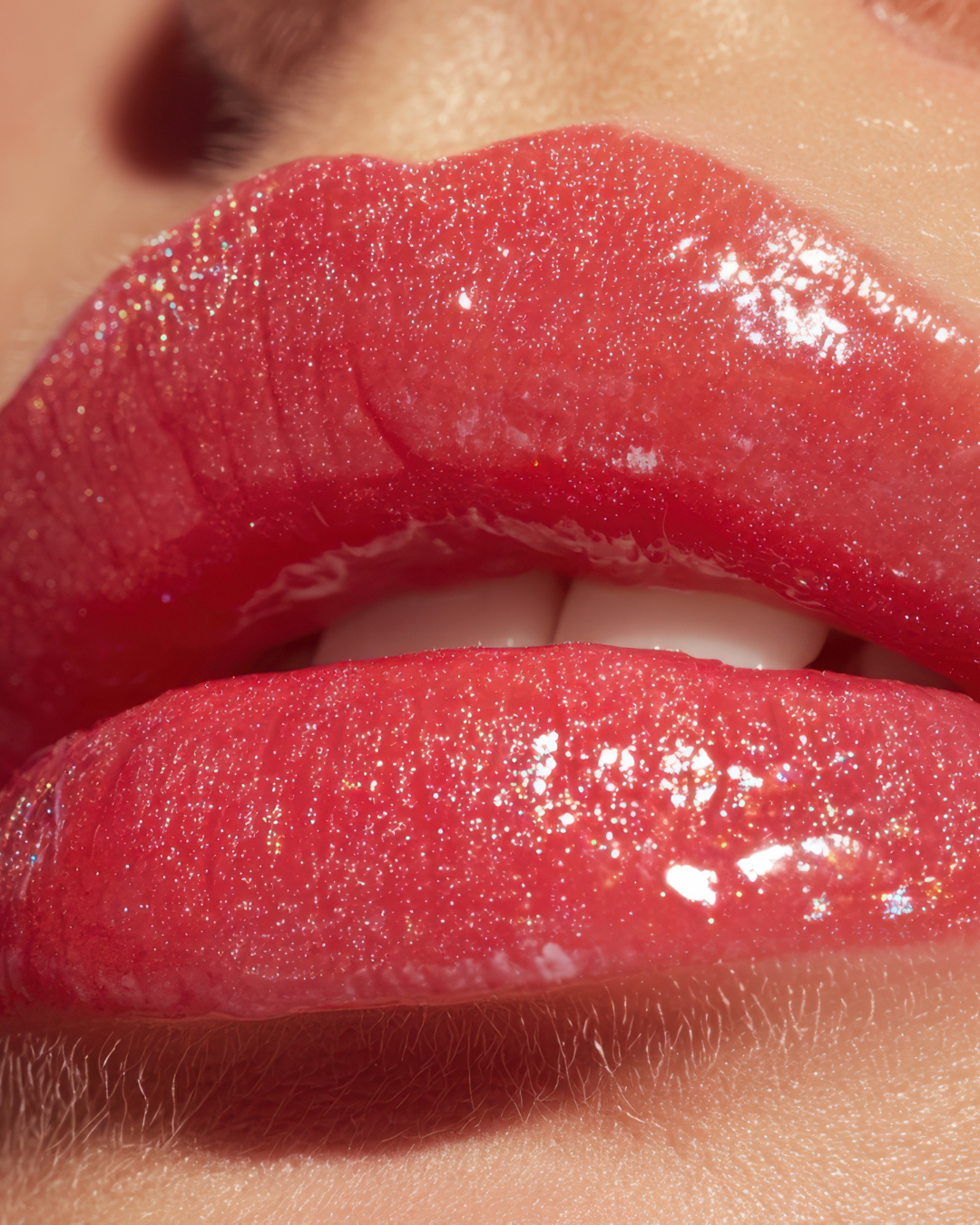
How Lip Blush Works
The Science, Technique & Art Behind Natural-Looking Permanent Lip Color
Lip blush is a form of cosmetic tattooing that enhances the lips by depositing soft, customized pigment into the upper layers of the lip tissue. Unlike traditional body tattoos or outdated “lipstick tattoos,” modern lip blush is designed to create sheer, balanced color that looks natural—not opaque or harsh.
At Denver Dream Medspa, lip blush is performed with a conservative, medical-esthetic approach that prioritizes lip anatomy, pigment safety, and long-term elegance.
Lip blush does not change your lip shape.
It enhances what is already there — with precision.

Understanding Cosmetic Lip Tattooing vs Traditional Tattoos
One of the most common misconceptions is that lip blush is the same as body tattooing. It is not.
Key Differences:
Cosmetic pigment is placed more superficially
Pigments are designed to fade gradually over time
Color is layered in soft washes, not solid fill
Technique prioritizes subtlety and natural aging
Because lip tissue is delicate and highly vascular, depth control and pigment choice are critical.
Where the Pigment Is Placed
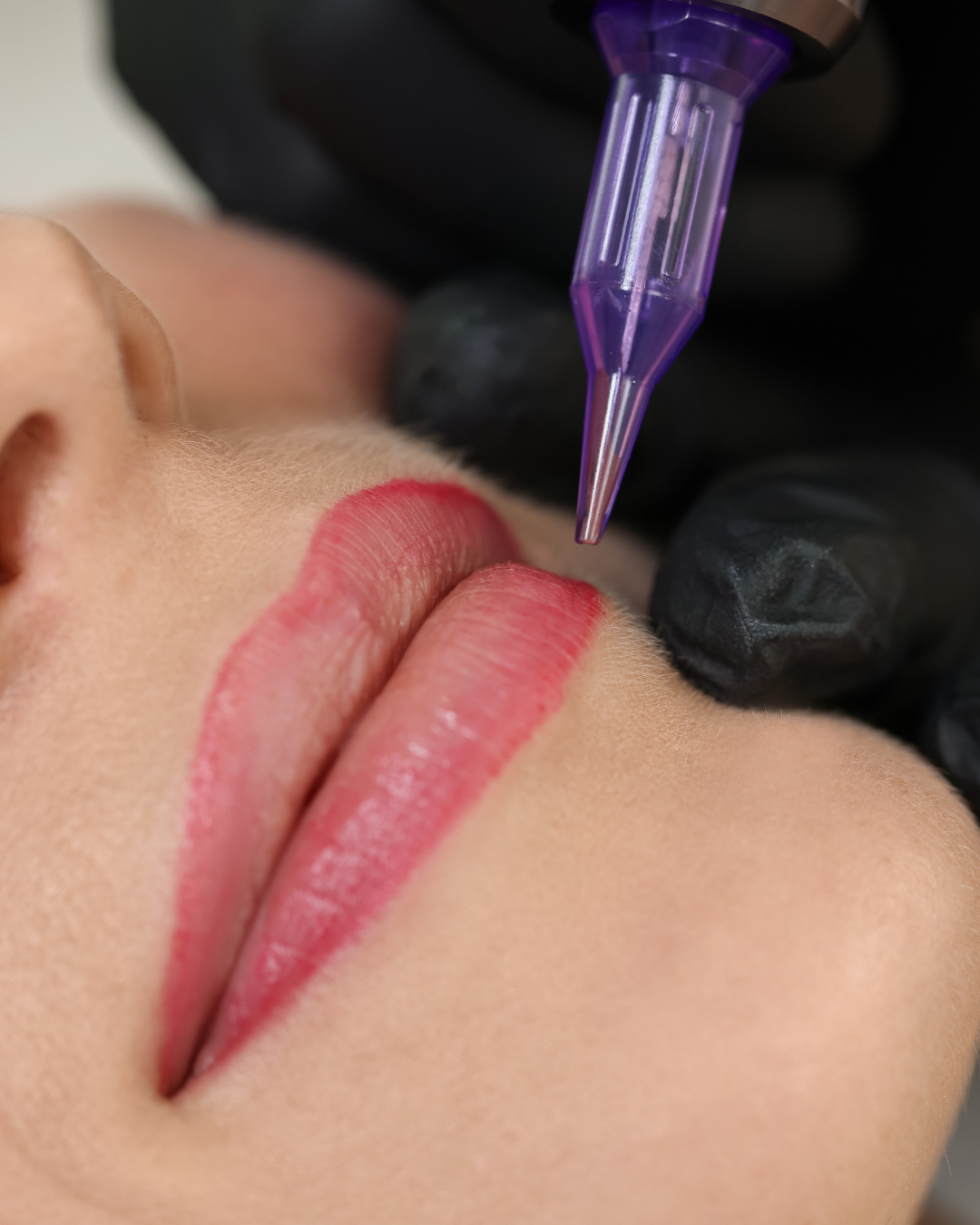
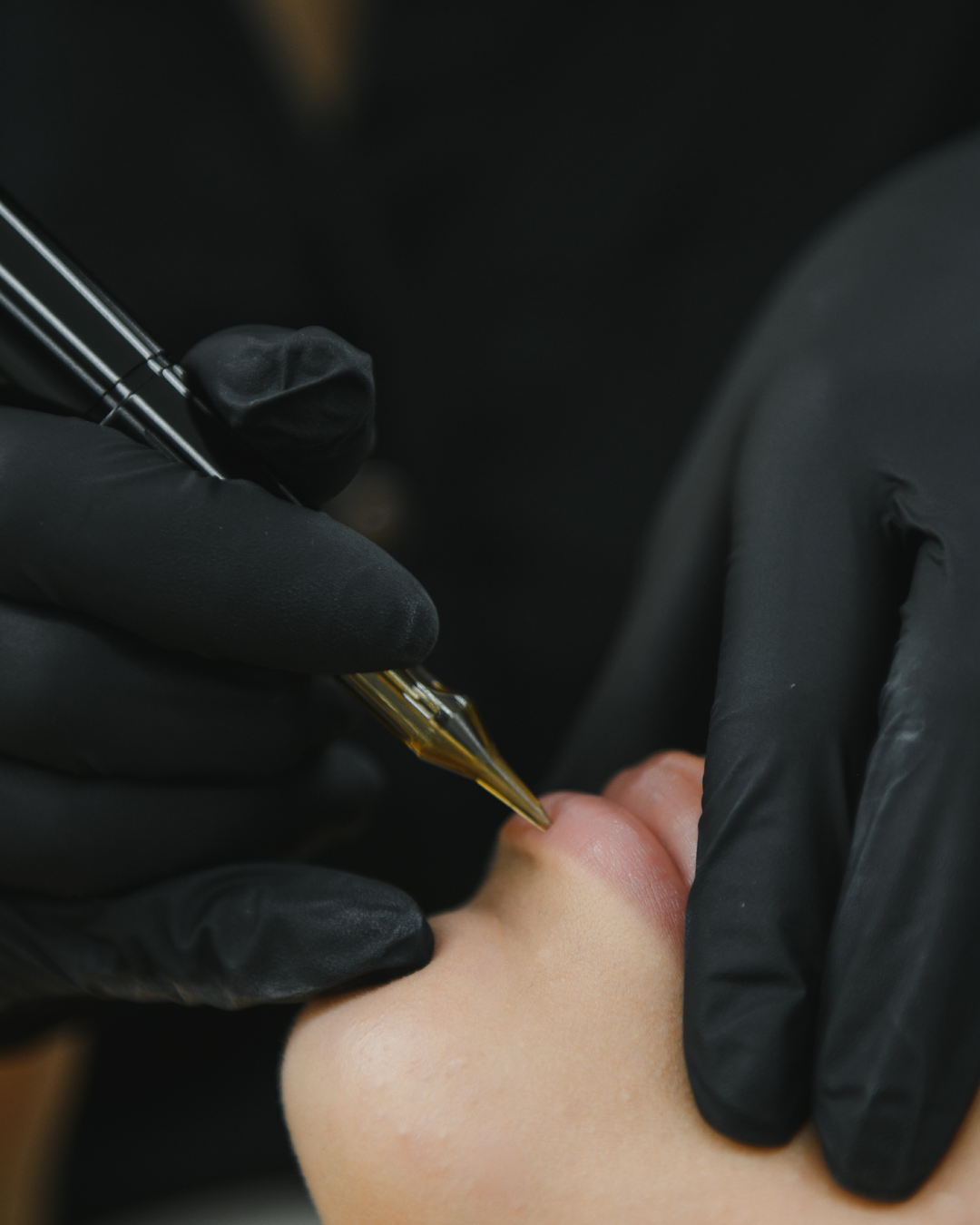
Lip blush pigment is deposited into the upper dermal layer of the lips — not the deep dermis used for body tattoos.
This controlled placement:
Prevents pigment migration
Allows color to soften naturally
Reduces long-term discoloration risk
Creates a more sheer, dimensional result
Depth control is one of the most important factors separating professional lip blush from poorly executed lip tattooing.
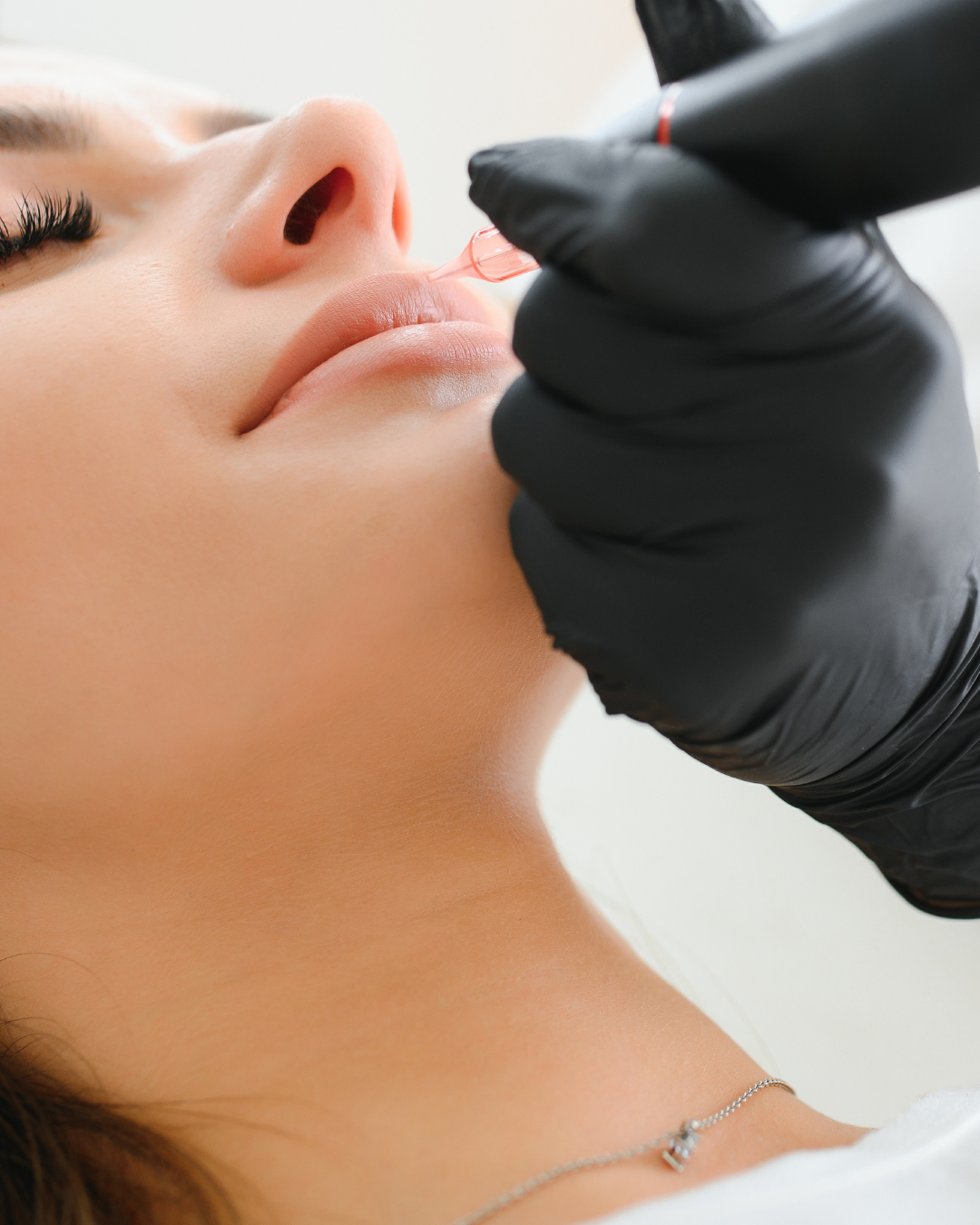
The Lip Blush Consultation & Mapping Process
Lip blush begins with design — not pigment.
During consultation, your provider evaluates:
Natural lip shape
Border definition
Cupid’s bow structure
Lip symmetry
Existing lip tone
Skin undertones
Lifestyle preferences
The lips are carefully mapped before any pigment is placed.
Overlining beyond the natural lip border is approached conservatively. Aggressive overlining increases the risk of migration and unnatural healing.
At Denver Dream Medspa, lip structure is respected — not redrawn.

Custom Pigment Selection & Color Theory
Lip pigment is never chosen randomly.
Professional lip blush requires understanding:
Natural lip undertones (cool, warm, neutral)
Skin tone
Desired subtlety
Long-term wearability
How pigments fade over time
Bright colors may look appealing initially, but can heal unpredictably. Neutralized, balanced shades tend to age more gracefully.
Most lip blush pigments are custom-blended for each client to ensure softness and harmony.
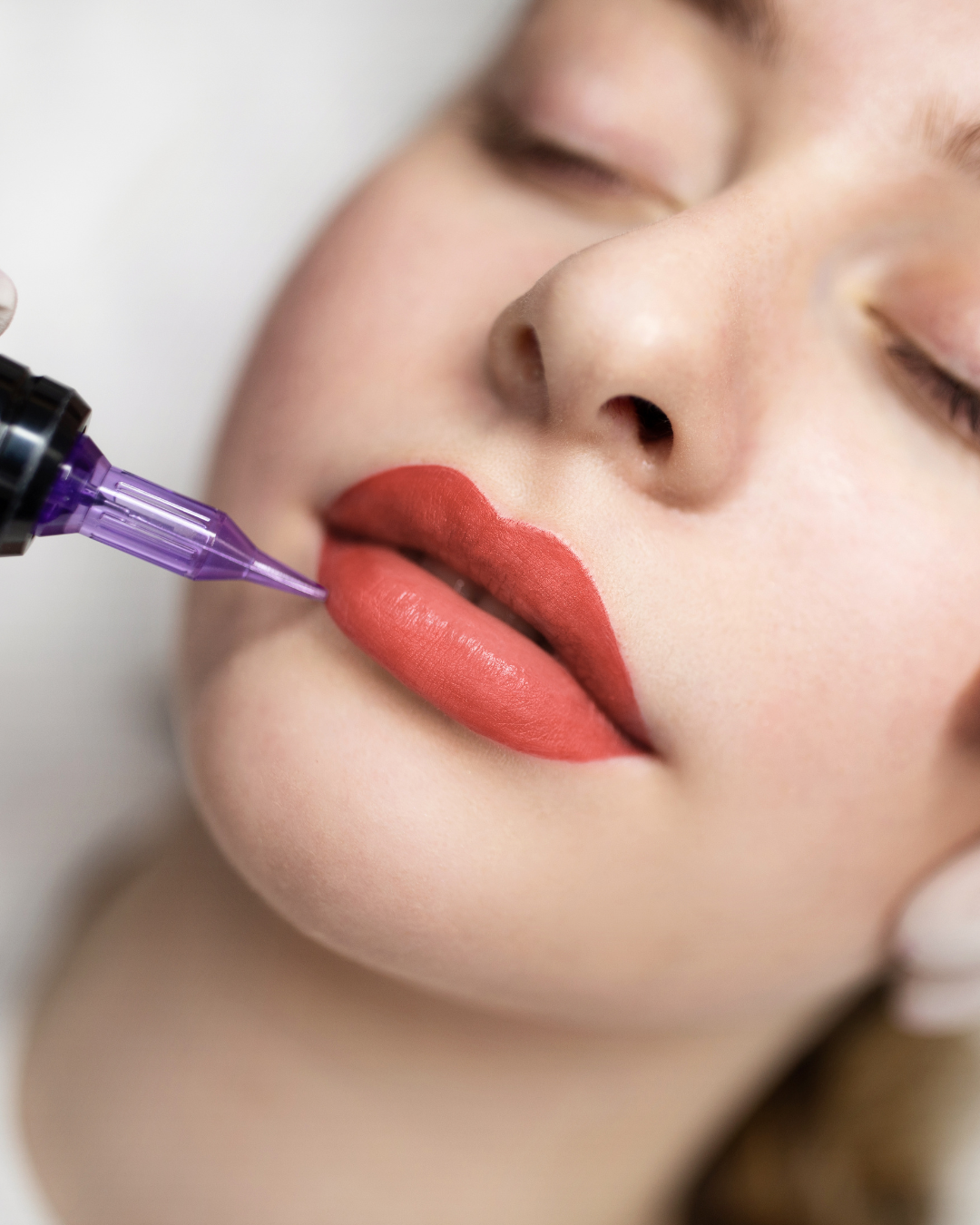
The Lip Blush Procedure Step-by-Step
Step 1: Numbing & Preparation
Because lips are sensitive, a professional topical numbing agent is applied. Comfort is prioritized throughout the procedure.
Step 2: Outline & Border Definition
The natural lip border is gently defined using soft pigment placement. This enhances structure without creating a harsh line.
Step 3: Layered Pigment Placement
Pigment is deposited in controlled, gradual passes across the lips.
Modern lip blush is built in sheer layers, creating:
Dimension
Soft gradation
Natural tone
This avoids the flat, opaque look associated with older lip tattoo techniques.
Step 4: Final Evaluation
Symmetry, saturation, and border refinement are carefully evaluated before the session concludes.
The process is meticulous — never rushed.
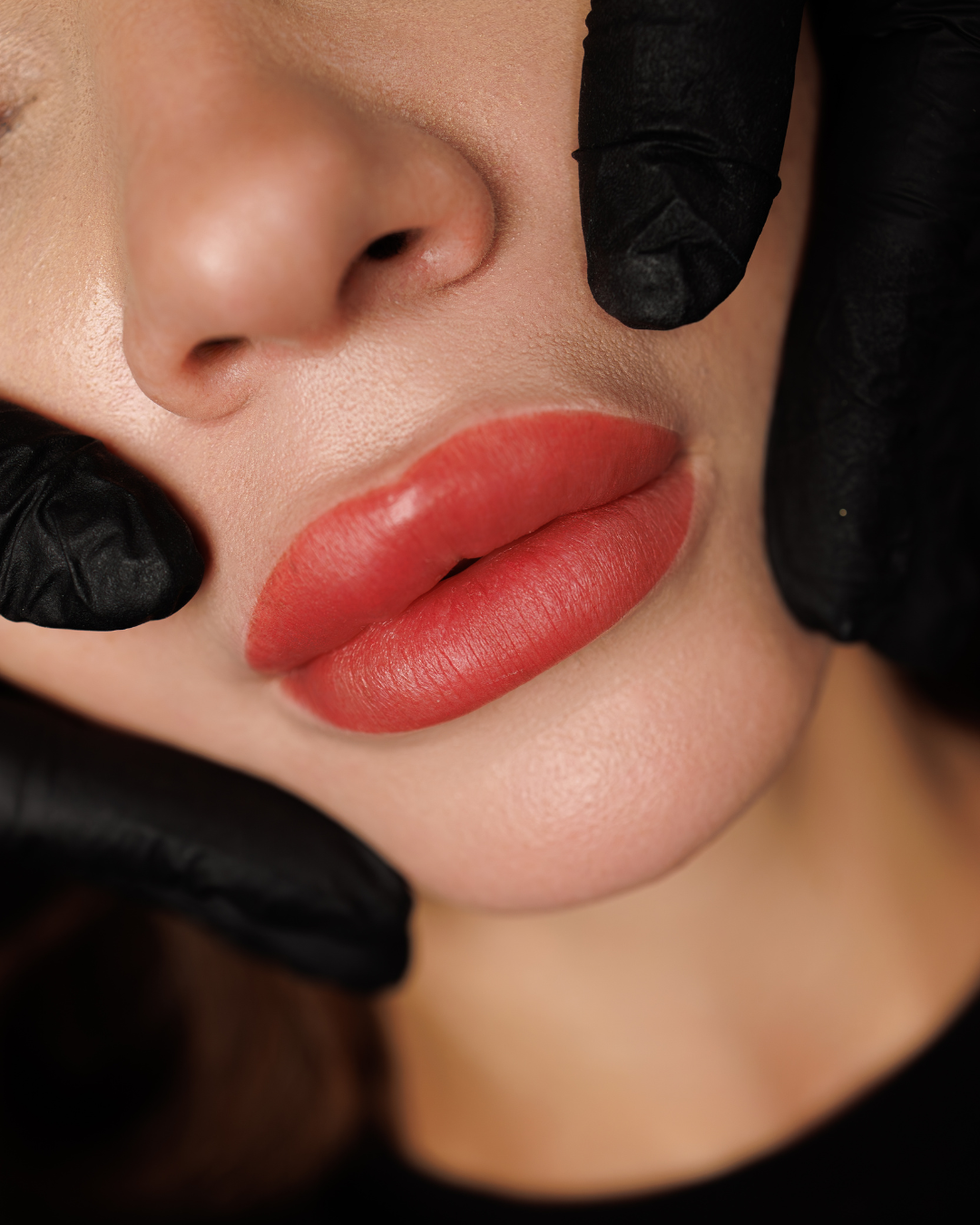
Why Lips Look Brighter Immediately After
Immediately following treatment, lips will appear:
Brighter than final healed color
Slightly swollen
More saturated
This is normal.
As healing progresses:
Color softens
Swelling subsides
Tone becomes more natural
The initial intensity should not be judged as the final result.
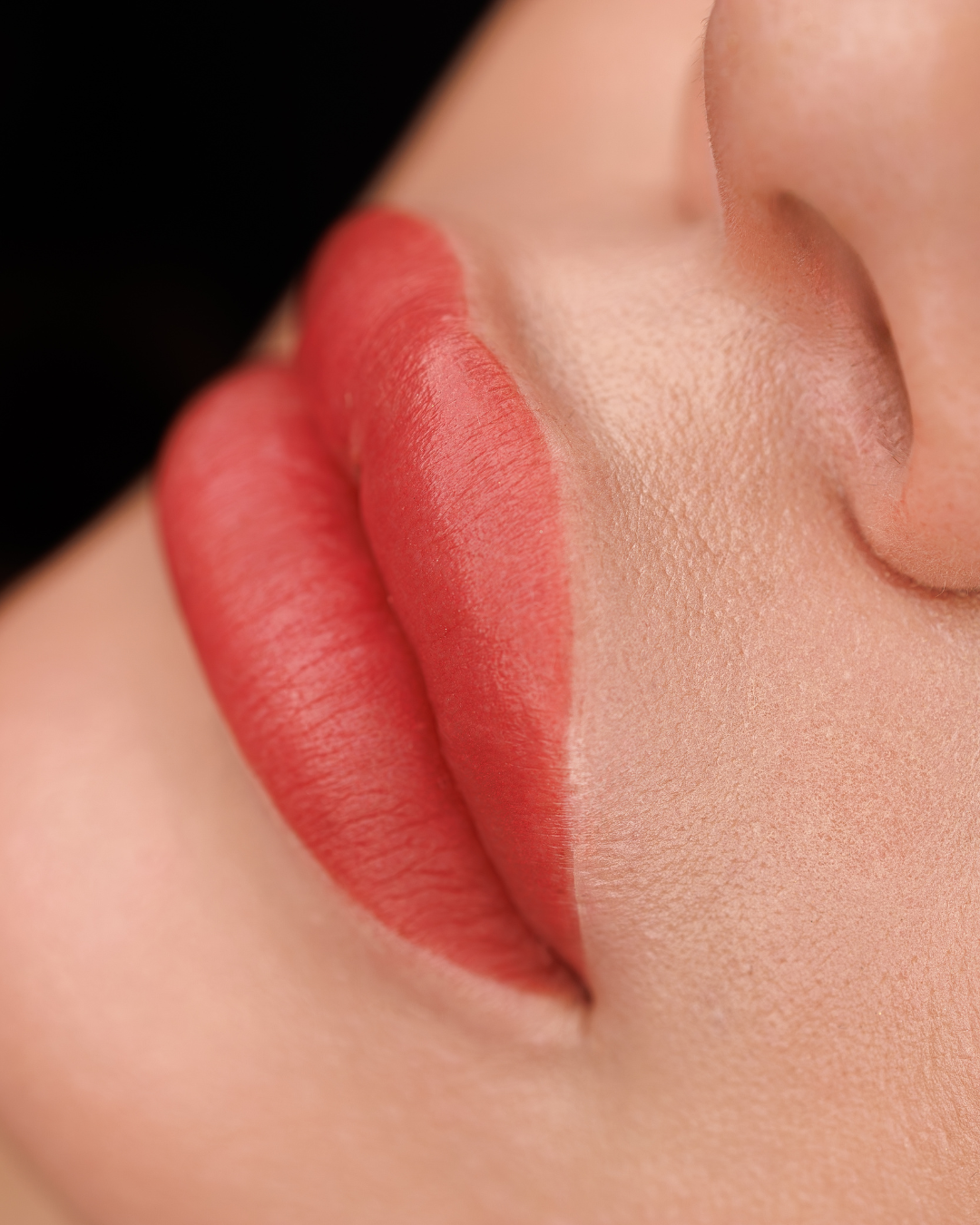
Why Lip Blush Requires a Touch-Up
Lip blush is intentionally a two-step process.
A follow-up appointment (usually 6–8 weeks later) allows your provider to:
Reinforce pigment retention
Refine symmetry
Adjust tone if necessary
Perfect soft transitions
The touch-up ensures longevity and polish.
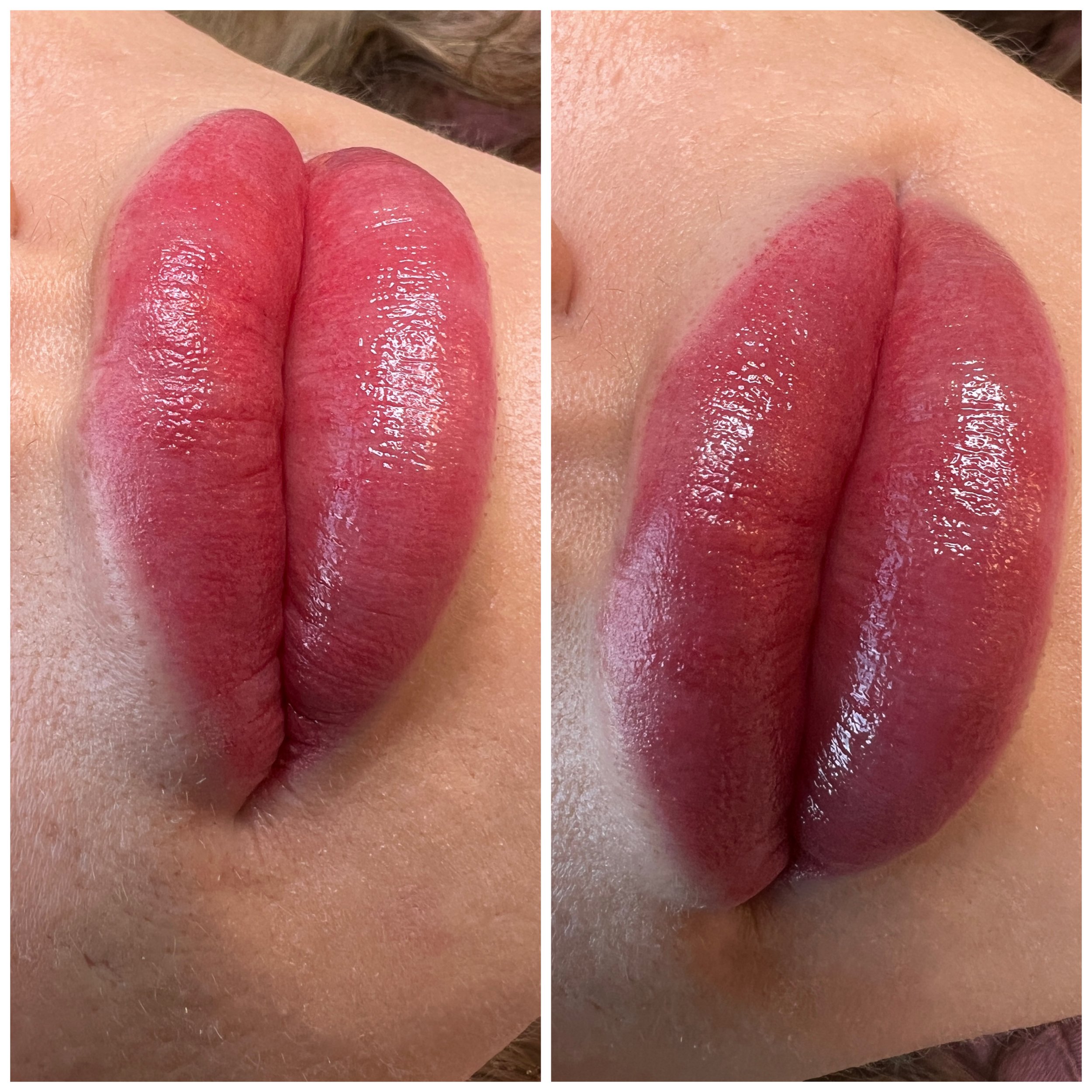
How Lip Blush Heals
Lip tissue heals differently than skin.
Healing typically includes:
1–2 days of swelling
Mild dryness or flaking
Gradual color softening
True healed tone visible in 3–6 weeks
Because lips are highly vascular, color shifts during healing are normal.
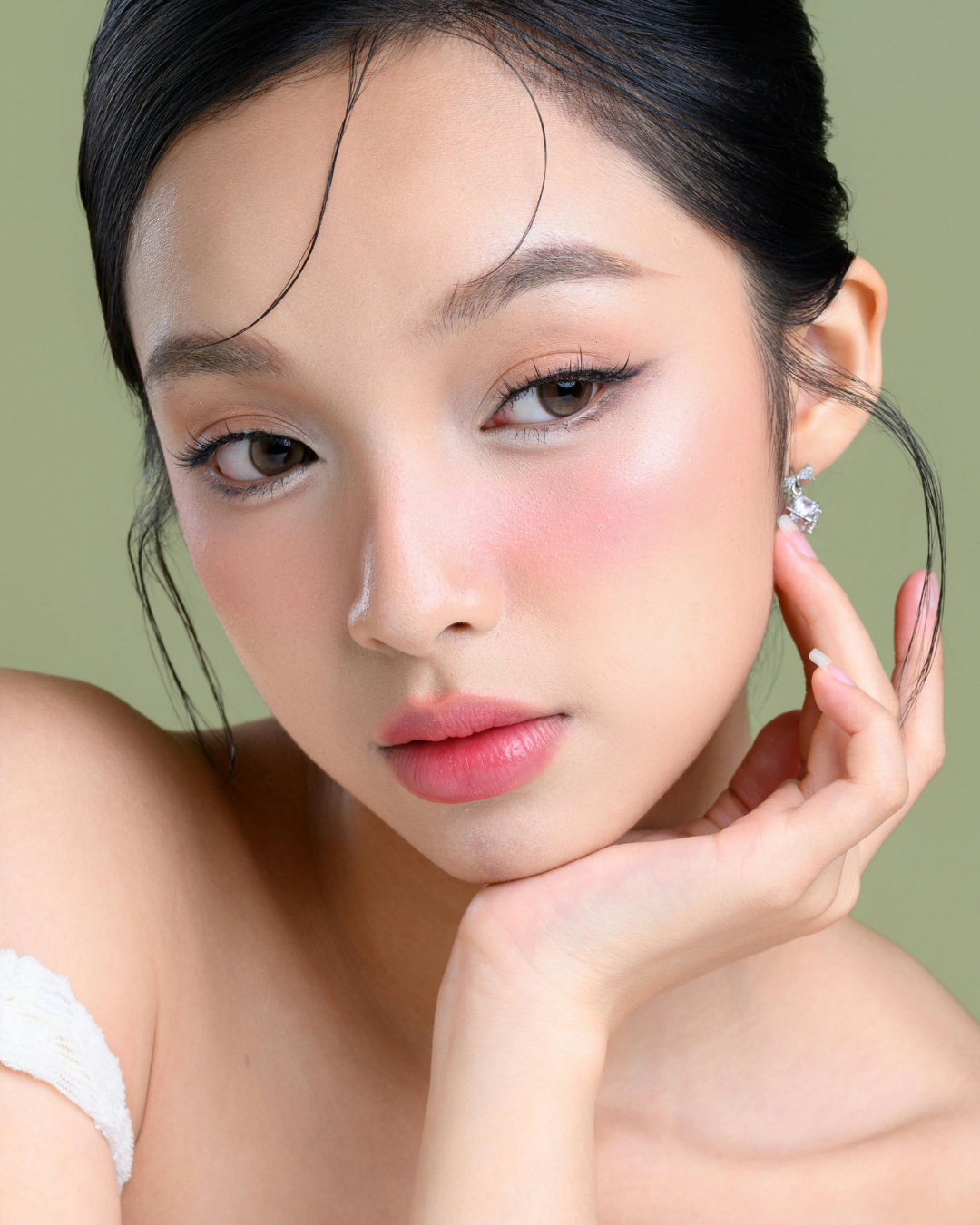
How Lip Blush Ages Over Time
Lip blush is designed to fade gradually over 2–3 years.
Over time:
Color softens
Definition lightens
Borders remain natural-looking
Maintenance refresh appointments keep results consistent without heavy buildup.
What Lip Blush Does NOT Do
To set accurate expectations:
Lip blush does not:
Replace lip filler
Create dramatic size increase
Permanently match bold lipstick shades
Remain intensely bright for years
It enhances color and definition — not structure.
Why Professional Technique Matters
Poorly performed lip blush can result in:
Harsh borders
Uneven fading
Color shifting (too cool or too warm)
Pigment migration outside the lip line
At Denver Dream Medspa, technique prioritizes:
Conservative mapping
Controlled depth
Soft layering
Long-term harmony
Lip blush should look refined — not tattooed.

Lip Blush as a Long-Term Beauty Strategy
Lip blush works because it:
Restores lost color
Enhances definition
Reduces reliance on lipstick
Simplifies daily routine
Ages gracefully
It is subtle enough for everyday life and elegant enough for years.
Why Denver Dream Medspa
At Denver Dream Medspa, lip blush is performed with medical-grade standards, refined pigment selection, and a conservative aesthetic philosophy. Every treatment is designed for long-term satisfaction — not trends.