Hydroquinone & Laser Treatments: The Science-Backed Approach to Safer, Clearer Skin
At Denver Dream Medspa, achieving radiant, even-toned skin is never left to chance. One of the most important—but often overlooked—factors in successful laser treatments is how the skin is prepared and cared for before and after the procedure. In particular, the strategic use of hydroquinone plays a critical role in minimizing complications and maximizing results.
This article explores the science behind hydroquinone timing and how it integrates with modern cosmetic laser treatments to deliver optimal outcomes for pigmentation concerns such as melasma, sun damage, and post-inflammatory hyperpigmentation (PIH).
Understanding Pigmentation and Laser Treatments
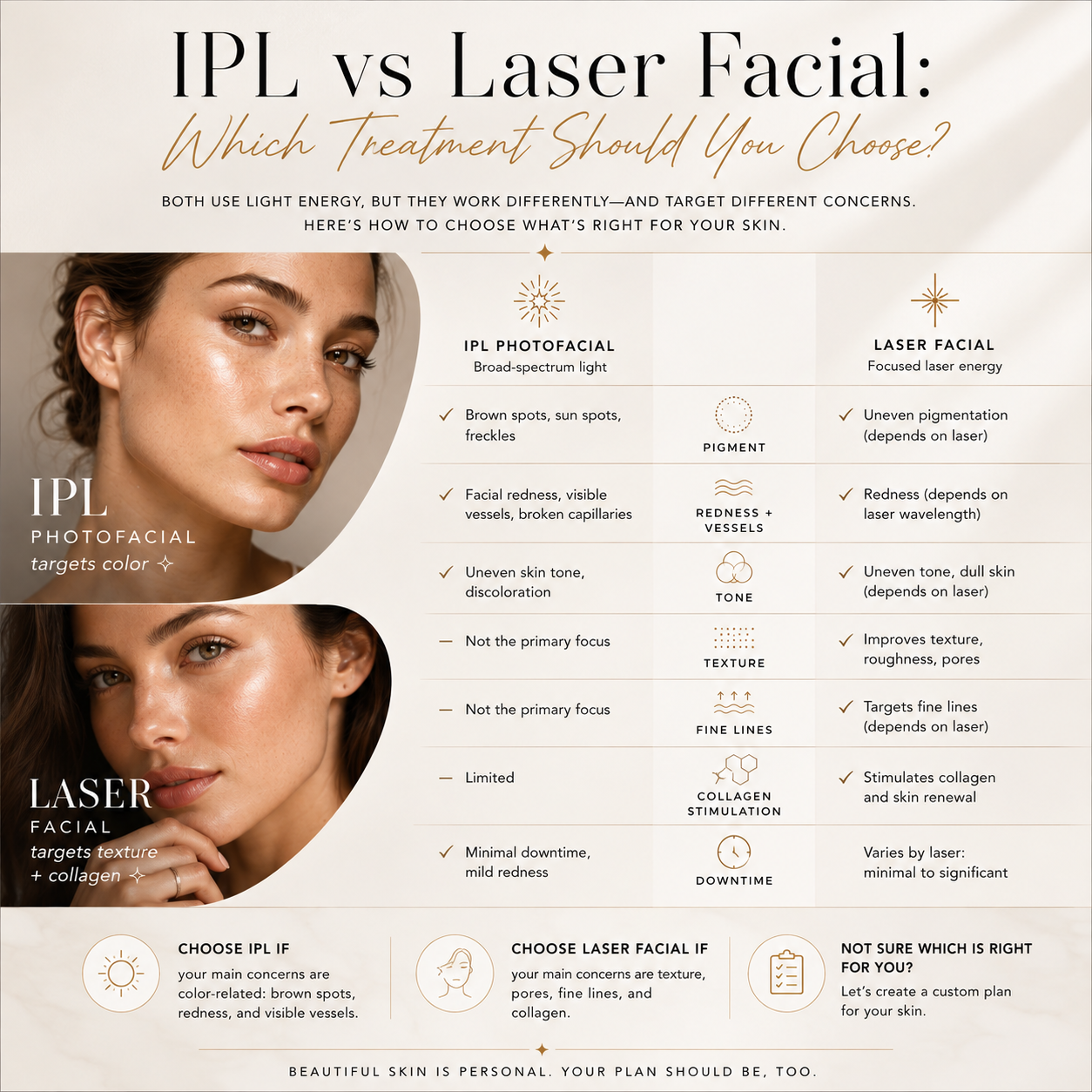
Laser and light-based therapies are among the most effective tools for improving skin tone and texture. Treatments such as IPL (intense pulsed light), fractional lasers, and pigment-targeting lasers work by delivering controlled energy into the skin. This energy breaks up excess pigment and stimulates cellular turnover.
However, these treatments also create a controlled inflammatory response. While this is necessary for skin remodeling, it can stimulate melanocytes—the cells responsible for producing pigment. In some patients, especially those with medium to deeper skin tones, this can lead to unwanted darkening known as post-inflammatory hyperpigmentation.
This is where hydroquinone becomes essential.
What Is Hydroquinone and Why Does It Matter?
Hydroquinone is a gold-standard topical agent used to treat hyperpigmentation. It works by inhibiting tyrosinase, the key enzyme involved in melanin production. By suppressing this pathway, hydroquinone reduces the skin’s ability to produce excess pigment.
When used correctly around laser treatments, hydroquinone can:
- Decrease the risk of post-inflammatory hyperpigmentation
- Improve the effectiveness of laser treatments
- Maintain long-term clarity and even skin tone
But timing is everything.
The Importance of Pre-Treatment: Preparing the Skin
Clinical studies and dermatologic consensus strongly support the use of hydroquinone before laser treatments. Most protocols recommend beginning hydroquinone approximately two to four weeks prior to a procedure.
This pre-treatment phase serves as a form of “melanocyte stabilization.” By reducing pigment activity before introducing laser energy, the skin becomes less reactive and less prone to rebound pigmentation.
At Denver Dream Medspa, patients undergoing treatments for melasma or stubborn pigmentation are often placed on a customized pre-treatment regimen that includes hydroquinone, along with strict sun protection and sometimes additional supportive ingredients.
This preparation phase is particularly important for:
- Clients with a history of melasma
- Patients prone to hyperpigmentation
- Individuals with Fitzpatrick skin types III–VI
Why Hydroquinone Is Paused Around Treatment Time
Although hydroquinone is beneficial, it is not used immediately before or after a laser session. Laser treatments temporarily compromise the skin barrier, and applying hydroquinone too soon can lead to irritation.
Inflamed or irritated skin increases the risk of pigment rebound—the very outcome we are trying to prevent.
For this reason, hydroquinone is typically paused a few days before treatment and withheld immediately afterward. During this window, the focus shifts to gentle healing, hydration, and barrier repair.
Post-Treatment: When to Restart Hydroquinone
The timing for restarting hydroquinone depends on the type and intensity of the laser used.
For lighter, non-ablative treatments such as IPL or gentle pigment lasers, hydroquinone is usually resumed within three to seven days, once redness and sensitivity have subsided.
For more aggressive treatments, such as fractional resurfacing lasers, the skin requires more time to heal. In these cases, hydroquinone is typically reintroduced after seven to fourteen days, once the skin has fully re-epithelialized.
This step is critical. Restarting hydroquinone at the appropriate time helps suppress melanocyte activity during the healing phase, reducing the risk of delayed pigmentation and improving overall clarity.
Continuing Hydroquinone During a Treatment Series
Laser treatments are often performed in a series for optimal results. Throughout this process, hydroquinone is commonly used between sessions, with short breaks around each procedure.
This approach allows for continuous pigment control while minimizing irritation. Clinical studies have shown that combining hydroquinone with laser therapy produces equal or superior results compared to either treatment alone.
At Denver Dream Medspa, each patient’s regimen is carefully adjusted based on their skin response, treatment type, and overall goals.
Long-Term Maintenance and Skin Health
While hydroquinone is highly effective, it is not typically used indefinitely. Long-term use can lead to irritation or diminished effectiveness over time.
Instead, hydroquinone is often used in cycles—typically eight to twelve weeks—followed by a transition to maintenance therapies. These may include ingredients such as azelaic acid, tranexamic acid, or other pigment-regulating compounds.
Ongoing sun protection is non-negotiable. Daily use of a broad-spectrum SPF is one of the most important factors in maintaining results and preventing recurrence of pigmentation.
Cosmetic Laser Treatments Offered at Denver Dream Medspa
At Denver Dream Medspa, we offer a range of advanced laser and light-based treatments tailored to different skin concerns and goals.
IPL (Intense Pulsed Light)
Ideal for sun damage, redness, and mild pigmentation, IPL uses broad-spectrum light to target pigment and vascular irregularities. It is a gentle option with minimal downtime and pairs well with hydroquinone protocols.
Pigment-Targeting Lasers (532 nm and similar technologies)
These lasers are designed specifically to treat superficial pigmentation such as sunspots and freckles. They deliver precise energy to pigment without affecting surrounding tissue, making them highly effective when combined with proper skin preparation.
Fractional Laser Treatments
Fractional lasers create microscopic zones of controlled injury to stimulate collagen production and resurface the skin. They are effective for deeper pigmentation, texture concerns, and overall rejuvenation but require more downtime and careful post-care.
Non-Ablative Resurfacing Treatments
These treatments improve skin tone and texture with minimal disruption to the skin barrier. They are a popular choice for patients seeking gradual improvement with less downtime.
Each treatment plan is customized, and the integration of hydroquinone is tailored to the individual’s skin type, history, and risk factors.
A Personalized, Science-Driven Approach
The success of any laser treatment depends not only on the technology used but also on how the skin is managed before and after the procedure.
At Denver Dream Medspa, we take a comprehensive, evidence-based approach. By combining advanced laser treatments with carefully timed hydroquinone use, we are able to:
- Minimize complications
- Enhance treatment outcomes
- Deliver more consistent, long-lasting results
Every patient receives a personalized plan designed to support their skin at every stage of the process.
Final Thoughts
Hydroquinone is not just an add-on—it is a foundational component of effective pigmentation treatment when used correctly. The timing of its use before and after laser procedures can significantly influence both safety and results.
When paired with modern laser technologies and a customized skincare strategy, hydroquinone helps create a controlled environment where the skin can heal beautifully, without unwanted pigmentation setbacks.
If you are considering laser treatment for pigmentation or overall skin rejuvenation, a guided, science-based approach makes all the difference. At Denver Dream Medspa, we are committed to helping you achieve clear, healthy, and radiant skin with protocols grounded in both research and experience.