
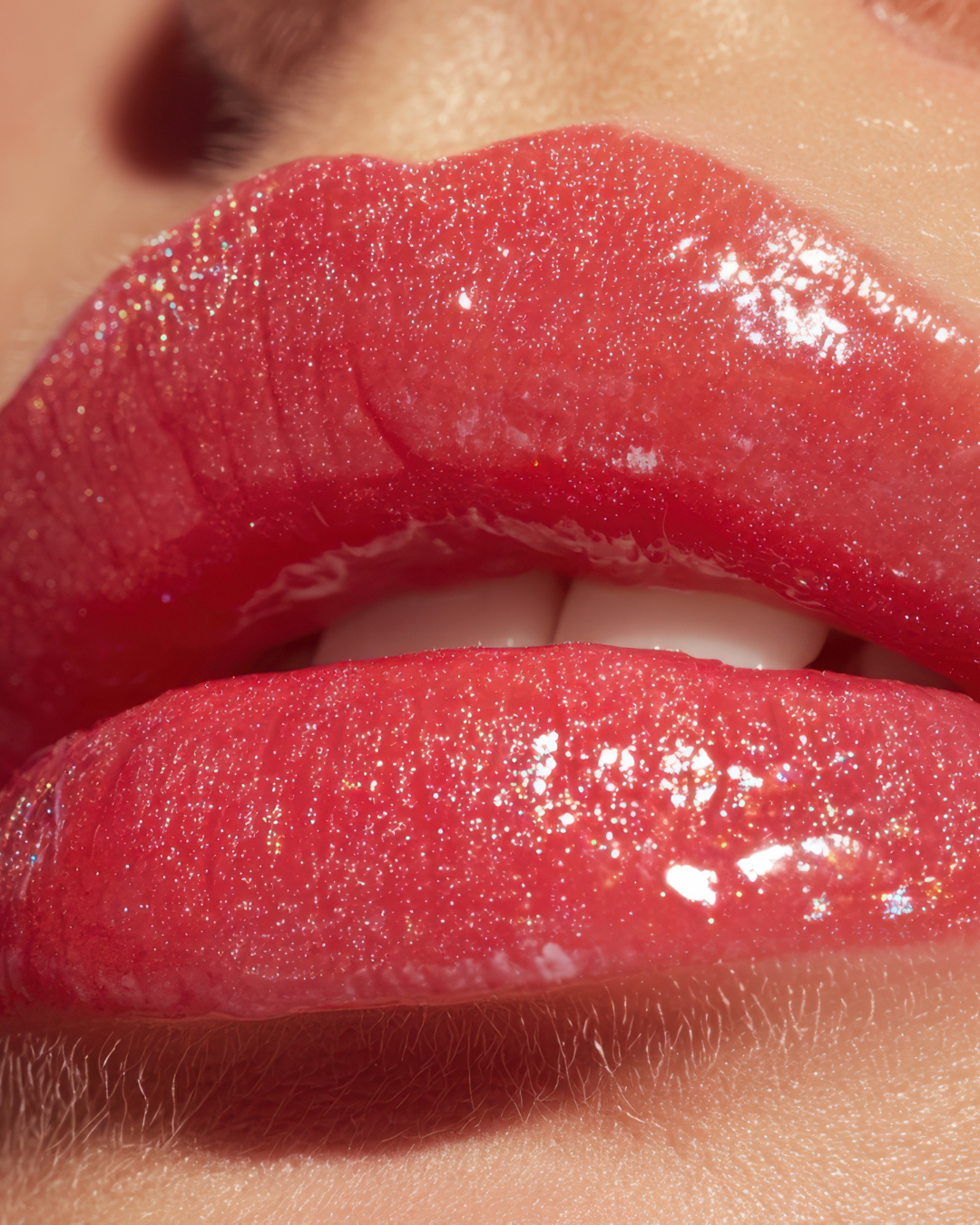
Lip Blush Colors & Styles
Choosing the Right Shade, Saturation & Technique for Natural, Long-Term Results
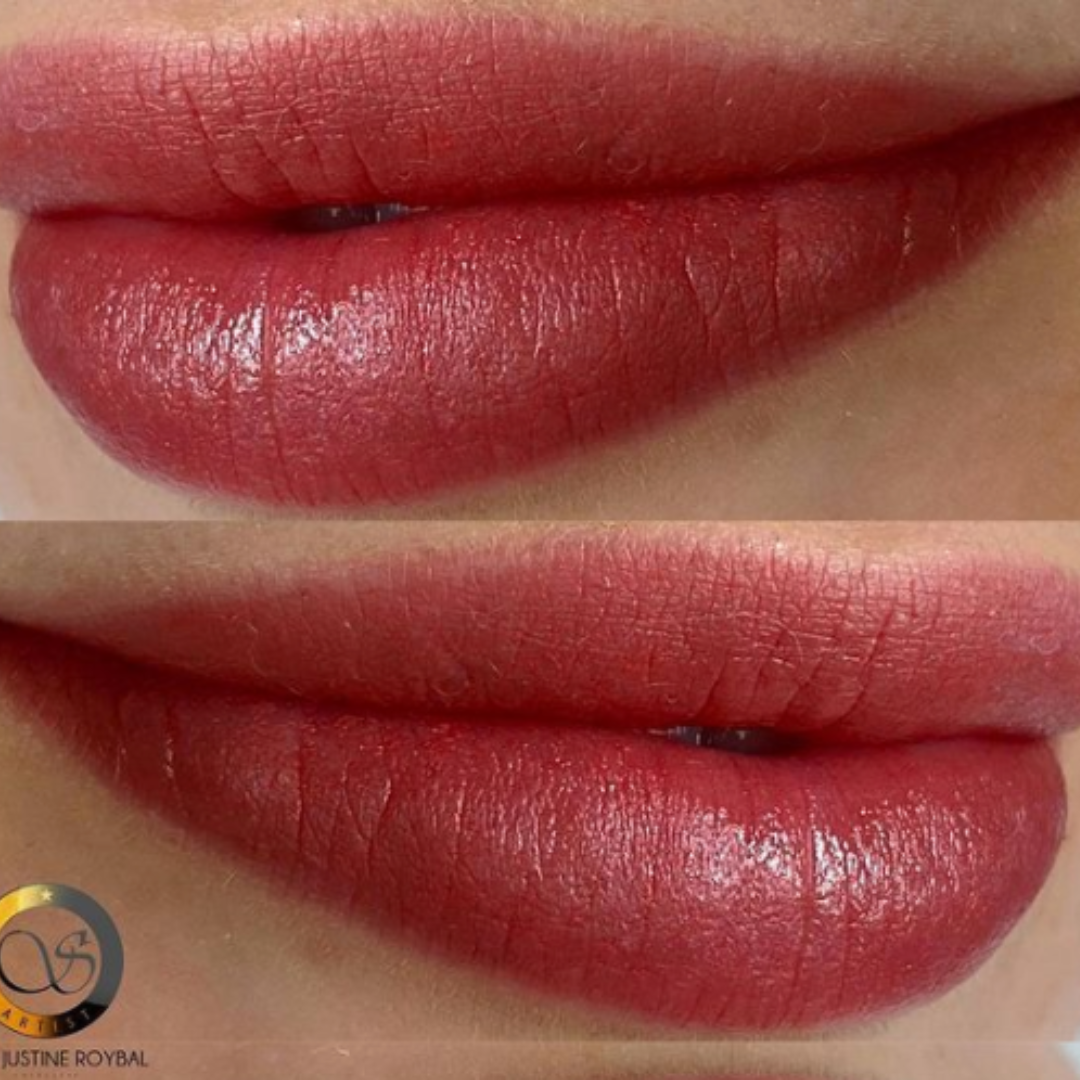
Lip blush is not one color and not one style. The most beautiful results come from carefully selecting tone, depth, saturation, and technique based on natural lip pigment, skin undertone, and long-term aesthetic goals.
At Denver Dream Medspa, lip blush is designed to enhance your natural lip tone — not mask it. The right color should look effortless, balanced, and flattering years from now.

Why Color Selection Matters More Than Clients Realize
Lip tissue is highly vascular and semi-translucent. This means:
Your natural lip color will influence the final result.
Pigments heal differently on different undertones.
Bright colors soften significantly during healing.
Long-term fading must be considered before selecting shade.
Choosing color is not about what looks good in the bottle — it’s about how it will heal on your lips.
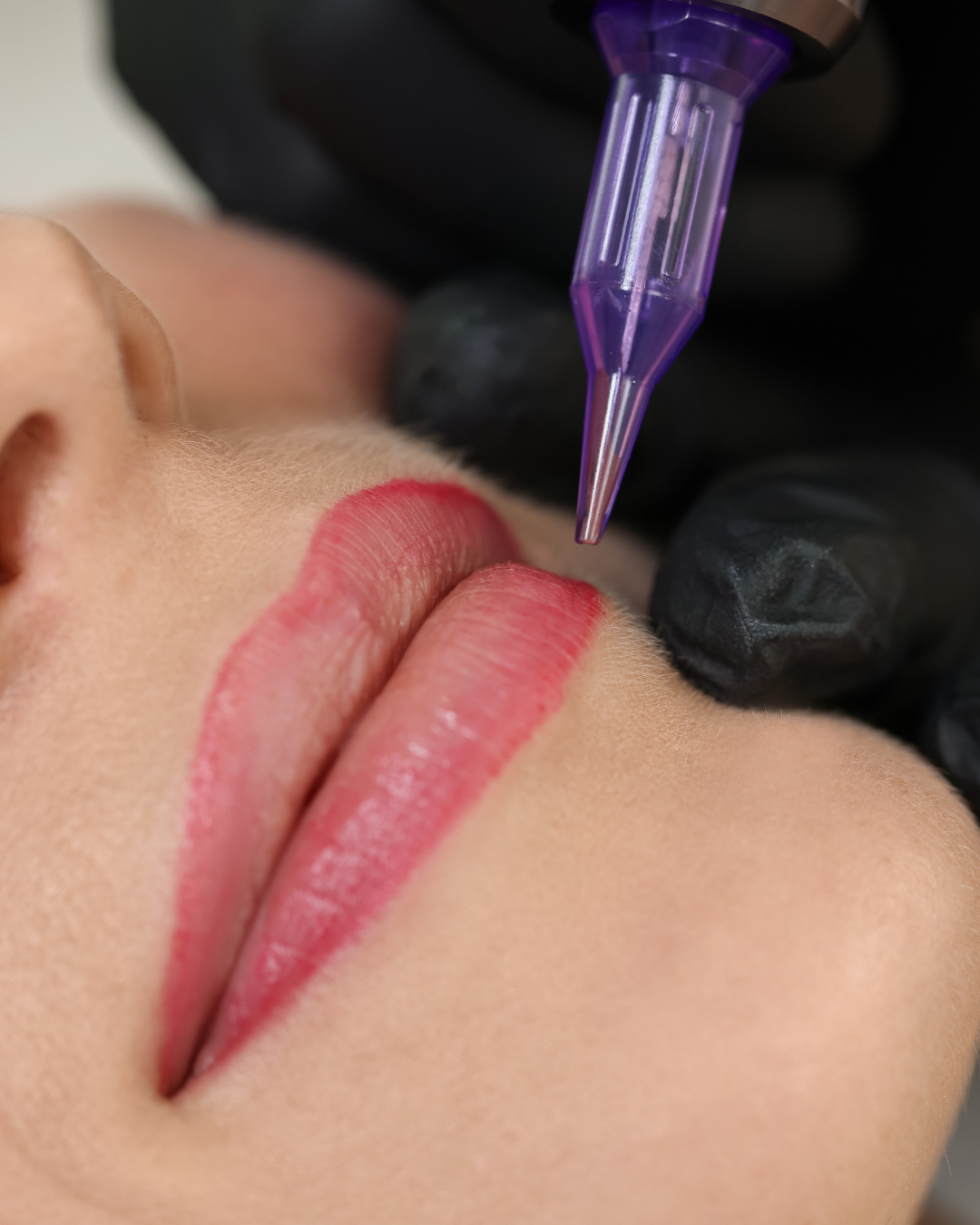
Understanding Natural Lip Undertones
Before selecting pigment, your provider evaluates:
Natural lip base tone (cool, warm, neutral)
Areas of darkness or uneven pigmentation
Skin undertone
Contrast between lips and surrounding skin
This determines whether a shade should:
Add warmth
Neutralize cool tones
Enhance existing pink
Balance darker corners
This diagnostic step separates professional lip blush from trend-based tattooing.
Lip Blush Color Families
Below are the most requested and safest long-term categories.
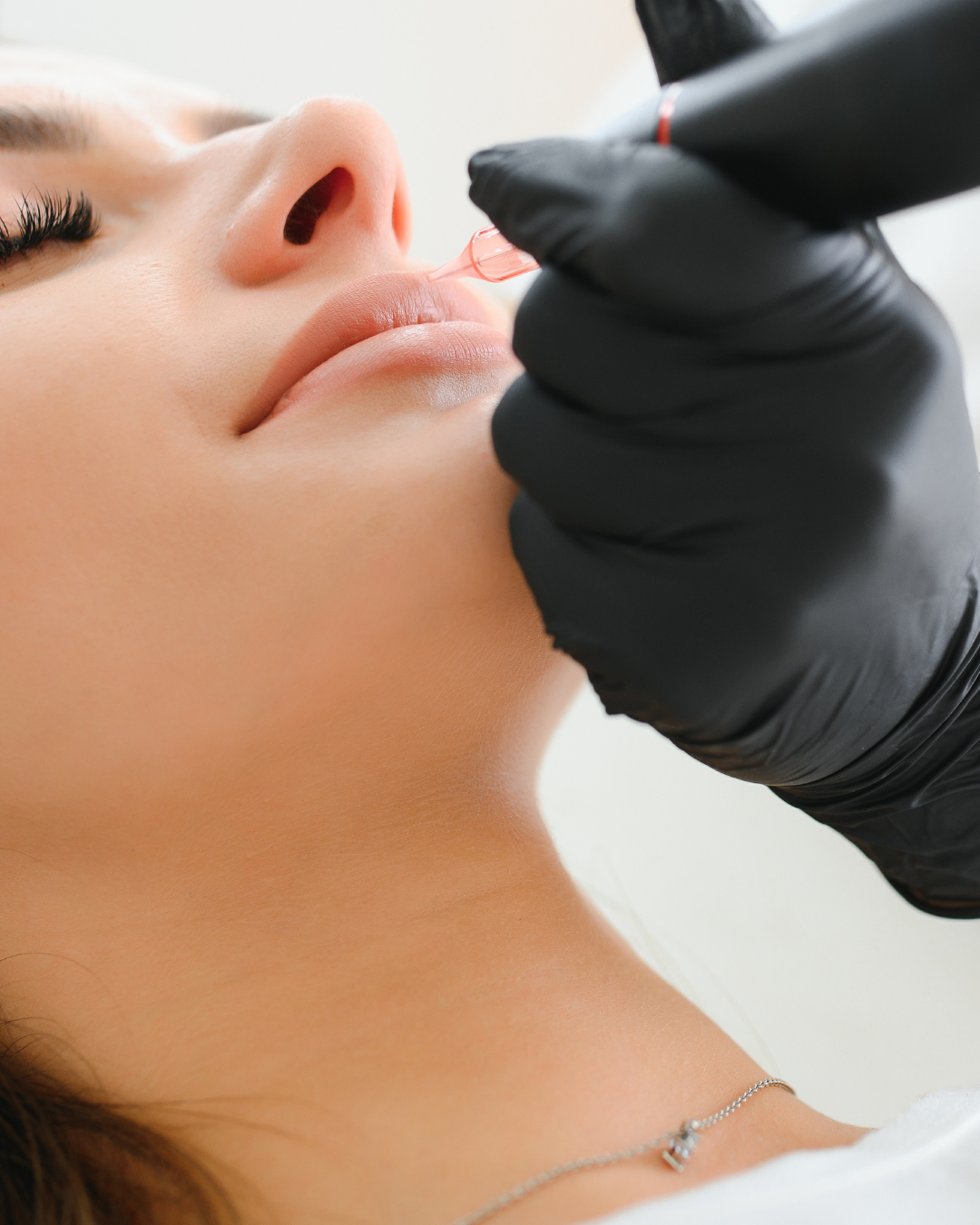
Soft Pink Enhancements
Best for:
Naturally pink lips
Clients wanting subtle freshness
First-time lip blush clients
Result:
Looks like your natural lips — but more vibrant
Youthful and soft
Extremely wearable long-term
This is one of the most timeless choices.

Rose & Dusty Rose Tones
Best for:
Clients with neutral undertones
Those wanting slightly deeper definition
Clients who wear soft lipstick shades regularly
Result:
Elegant, balanced color
Natural depth without boldness
Heals beautifully on most skin tones
Rose tones are among the most versatile and forgiving.
Neutral Nude Enhancements
Best for:
Clients wanting “no lipstick” appearance
Subtle definition without visible color shift
Minimalist aesthetic preferences
Result:
Balanced, clean lip tone
Enhanced borders
Barely-there finish
These shades require expert blending to avoid looking flat.
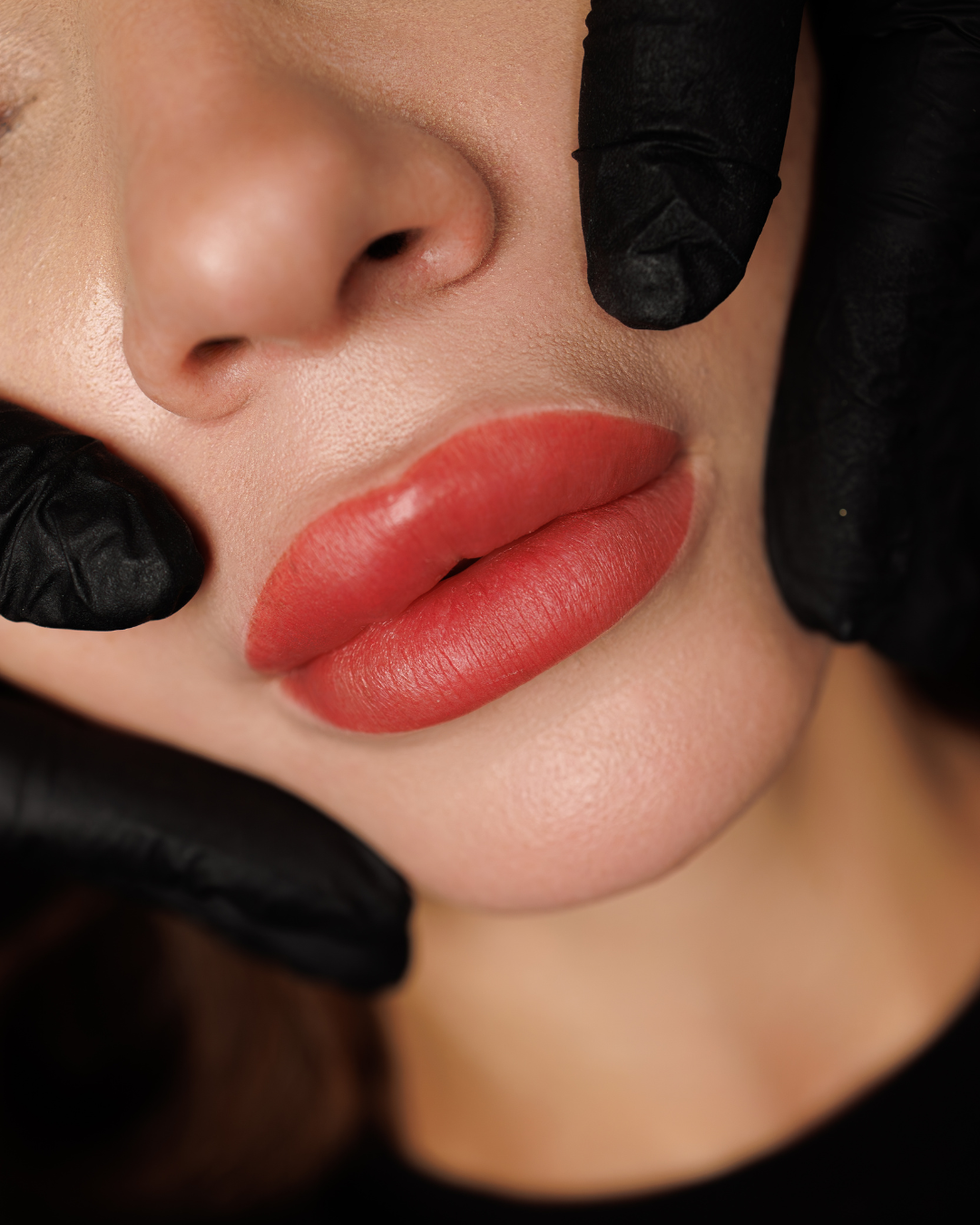
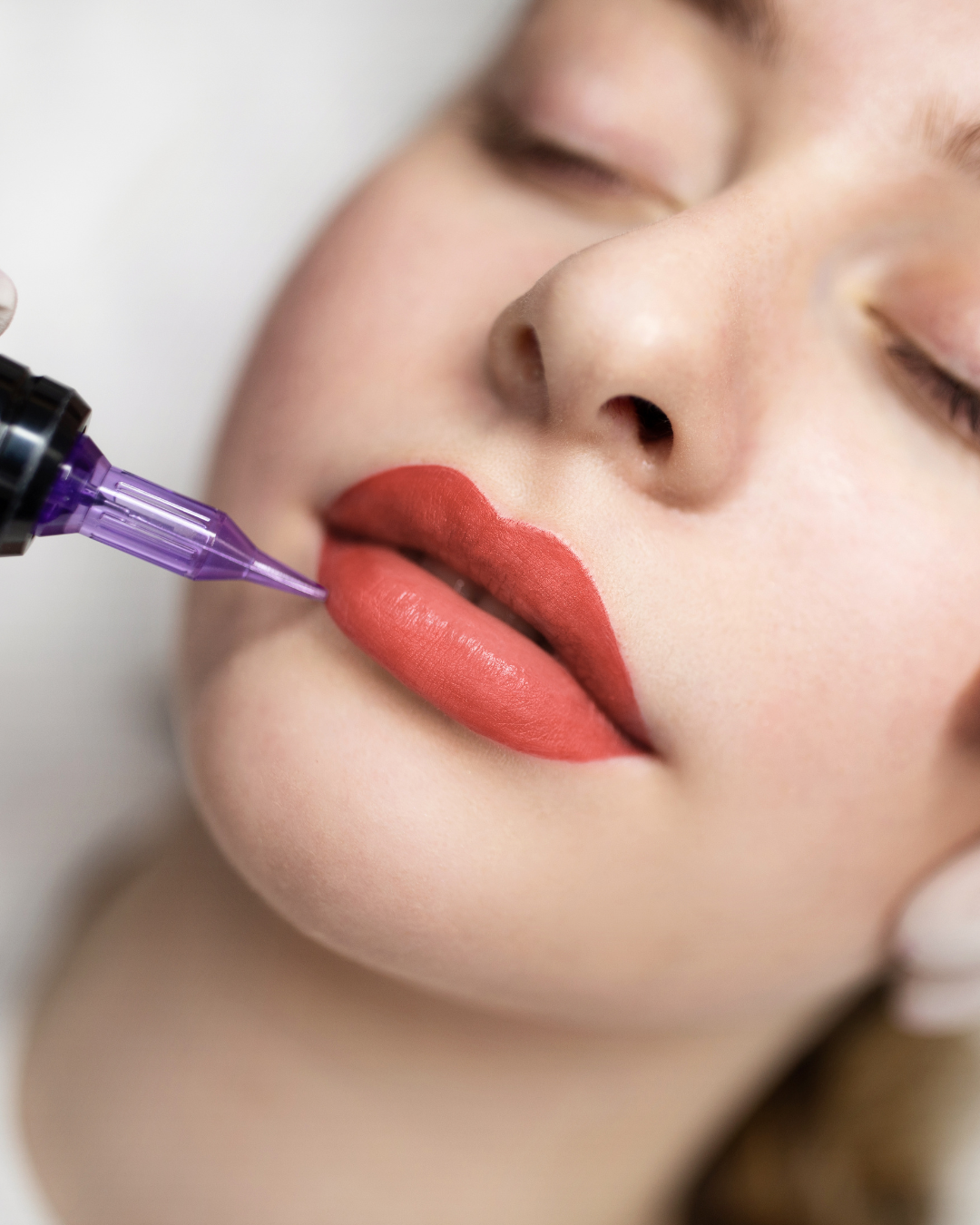
Soft Coral & Warm Tones
Best for:
Warm undertones
Lips that lack warmth
Clients wanting gentle brightness
Result:
Fresh, healthy appearance
Light warmth without orange intensity
Warm tones must be chosen carefully to avoid long-term oversaturation.
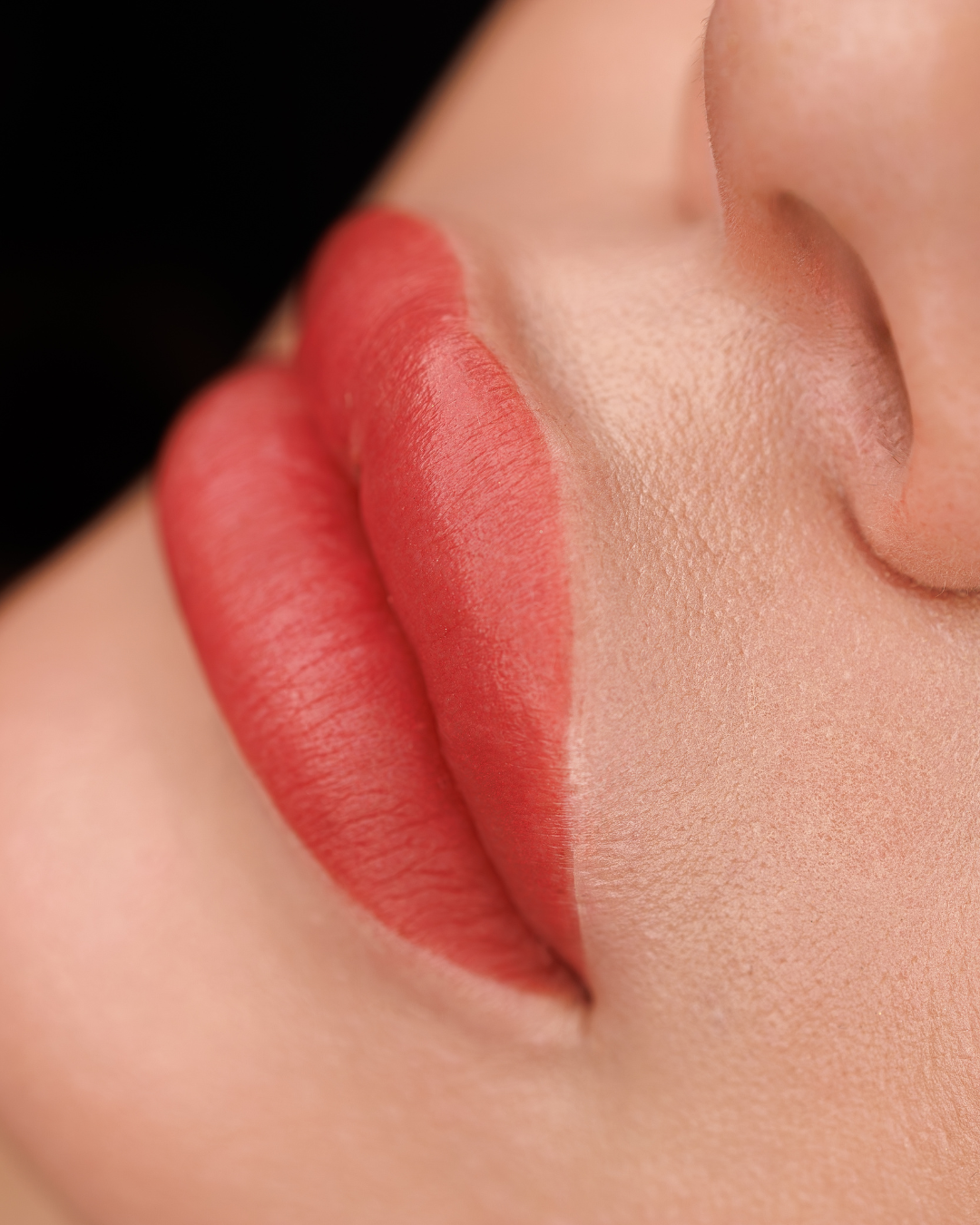
Custom Blended Shades
At Denver Dream Medspa, most lip blush shades are custom-blended.
This allows:
Correction of uneven pigmentation
Neutralization of cool tones
Balanced, natural dimension
Personalized undertone control
Custom blending dramatically improves healed results.
Lip Blush Styles & Saturation Options
Color is only part of the decision. Saturation and style matter equally.
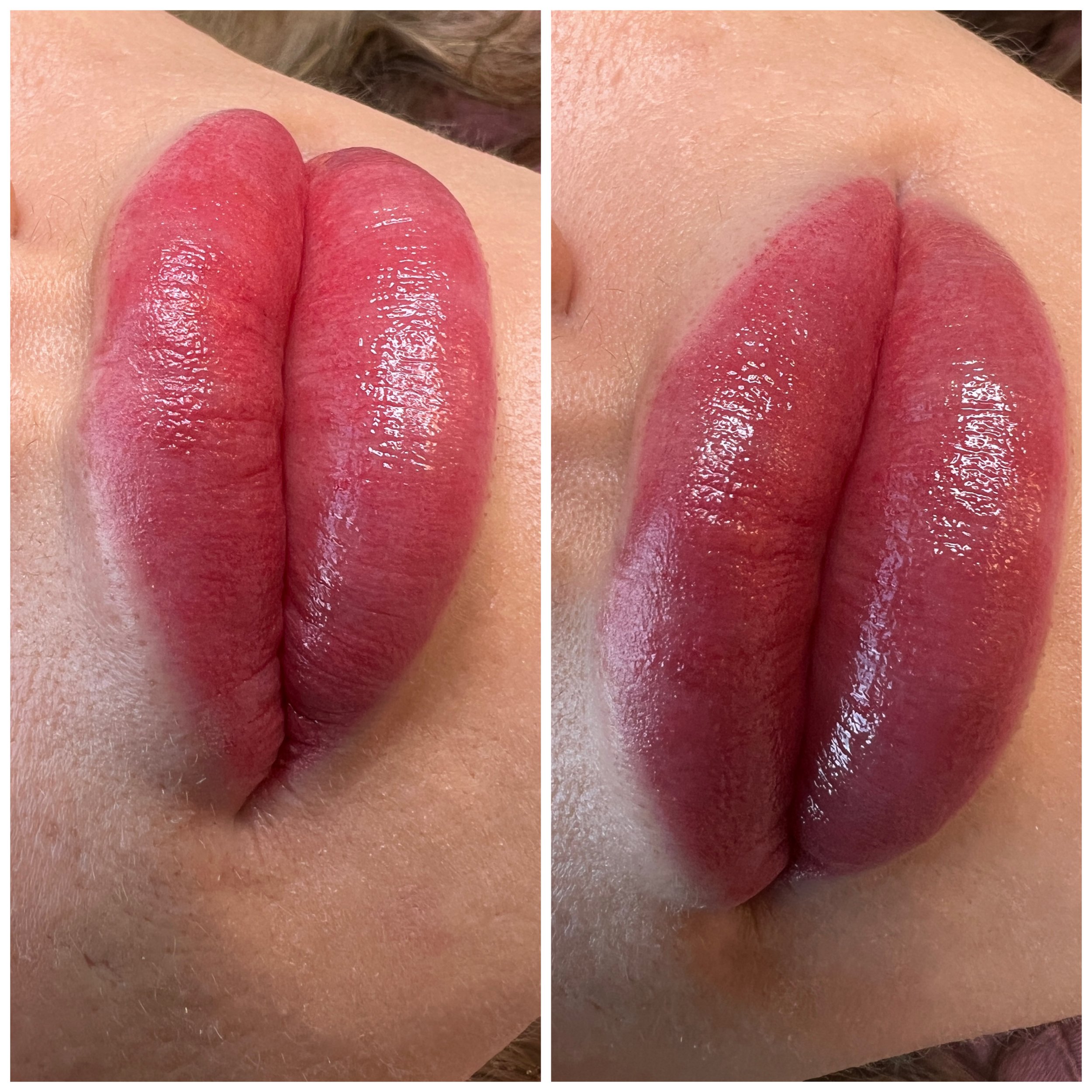
Sheer Wash (Most Popular)
Light layering
Extremely natural
Looks like tinted balm
Minimal contrast
Best for conservative, timeless results.
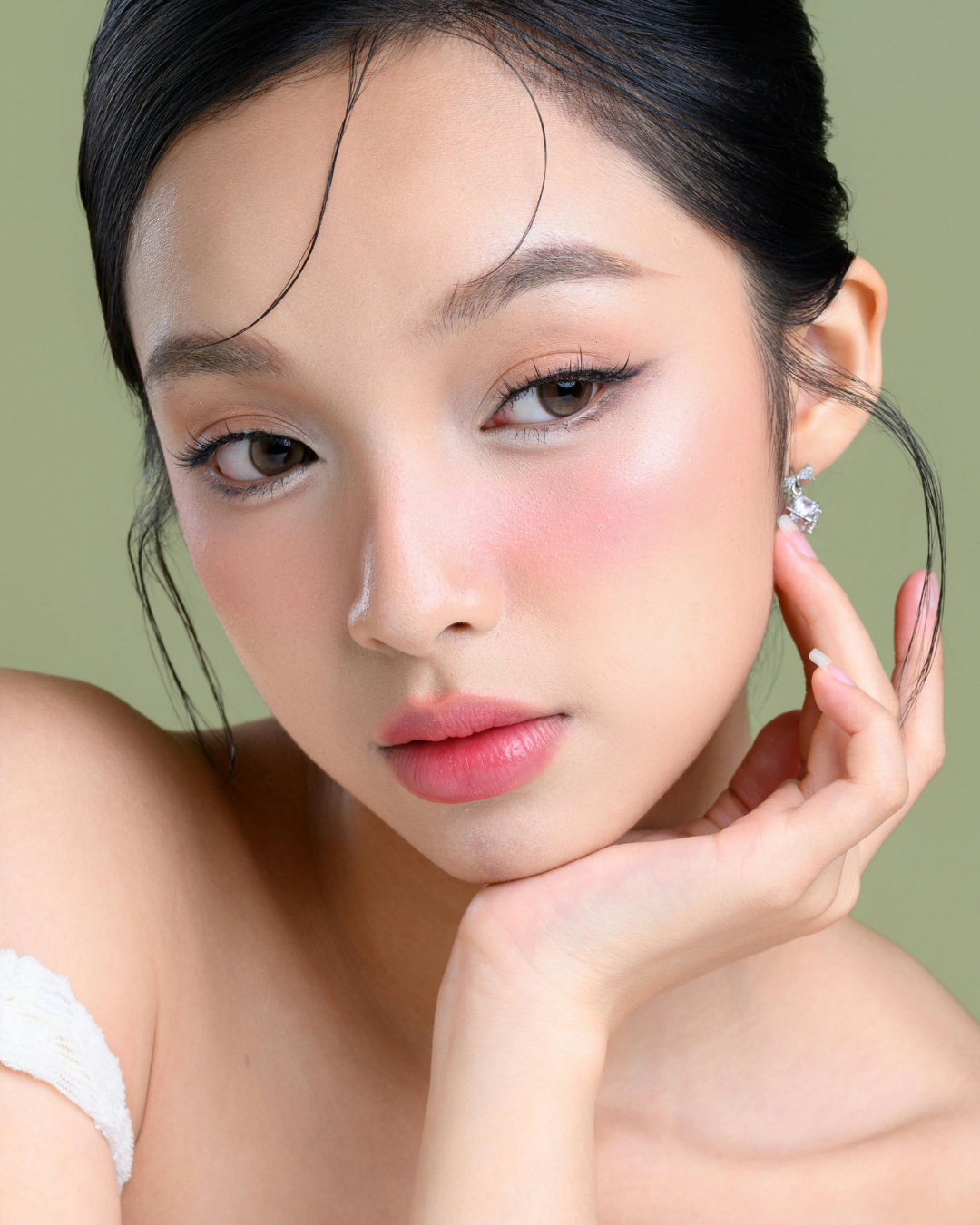
Medium Soft Definition
Slightly more color density
Noticeable but still natural
Good for clients who wear lipstick often
Still designed to heal softly.
Lip Border Refinement
Focuses on soft edge definition
Enhances Cupid’s bow
Improves symmetry
Always performed conservatively to prevent harsh outlining.
Ombre or Gradation Effect
Slightly deeper at borders
Softer toward center
Adds dimension without heaviness
Requires advanced technique to look seamless.
What Lip Blush Should NOT Look Like
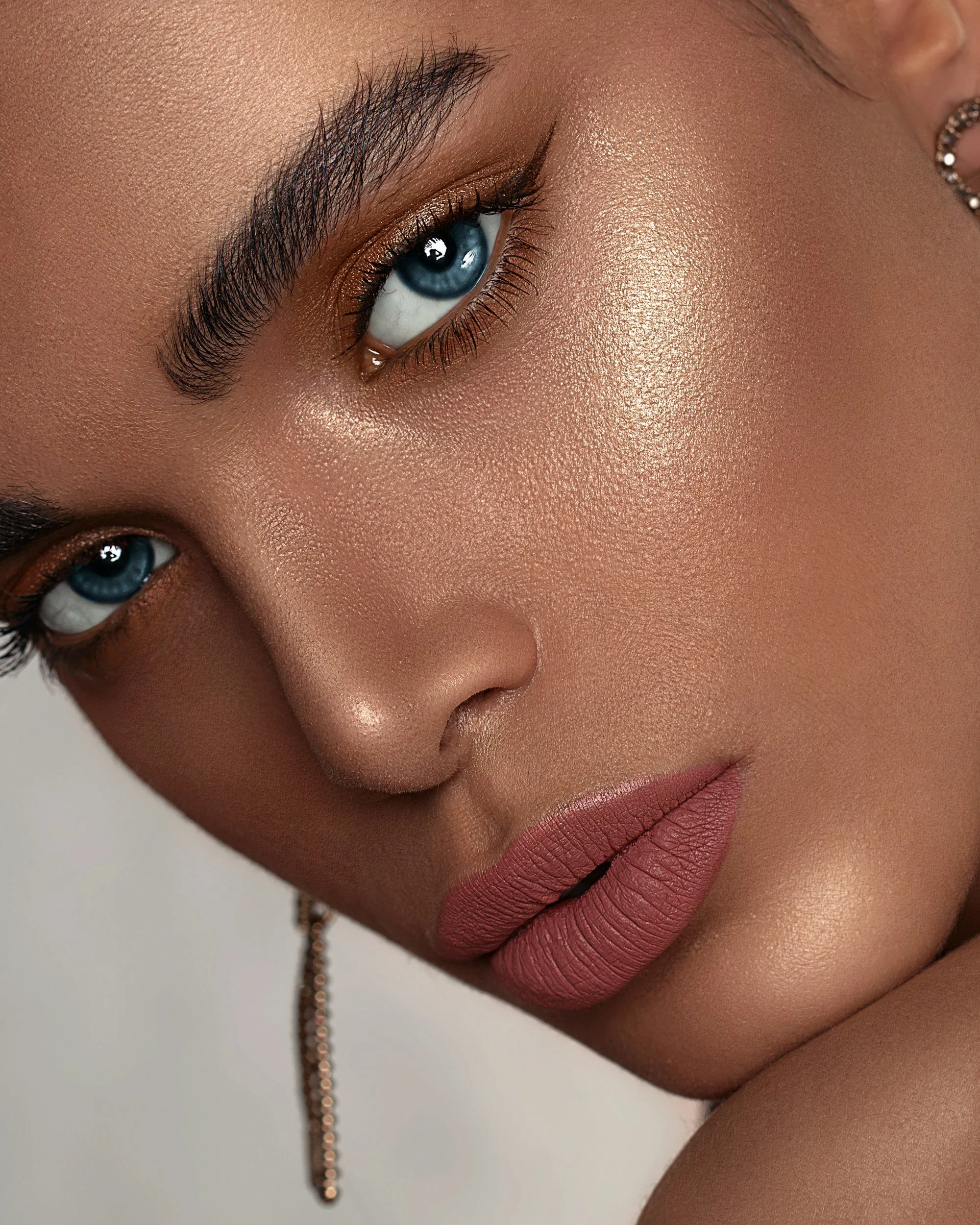
Modern lip blush should not:
Look like opaque lipstick
Have harsh dark liner edges
Extend far beyond natural lip border
Appear flat or solid
If the result looks “tattooed,” it was likely placed too deeply or too heavily.
Why Conservative Saturation Is Safer Long-Term
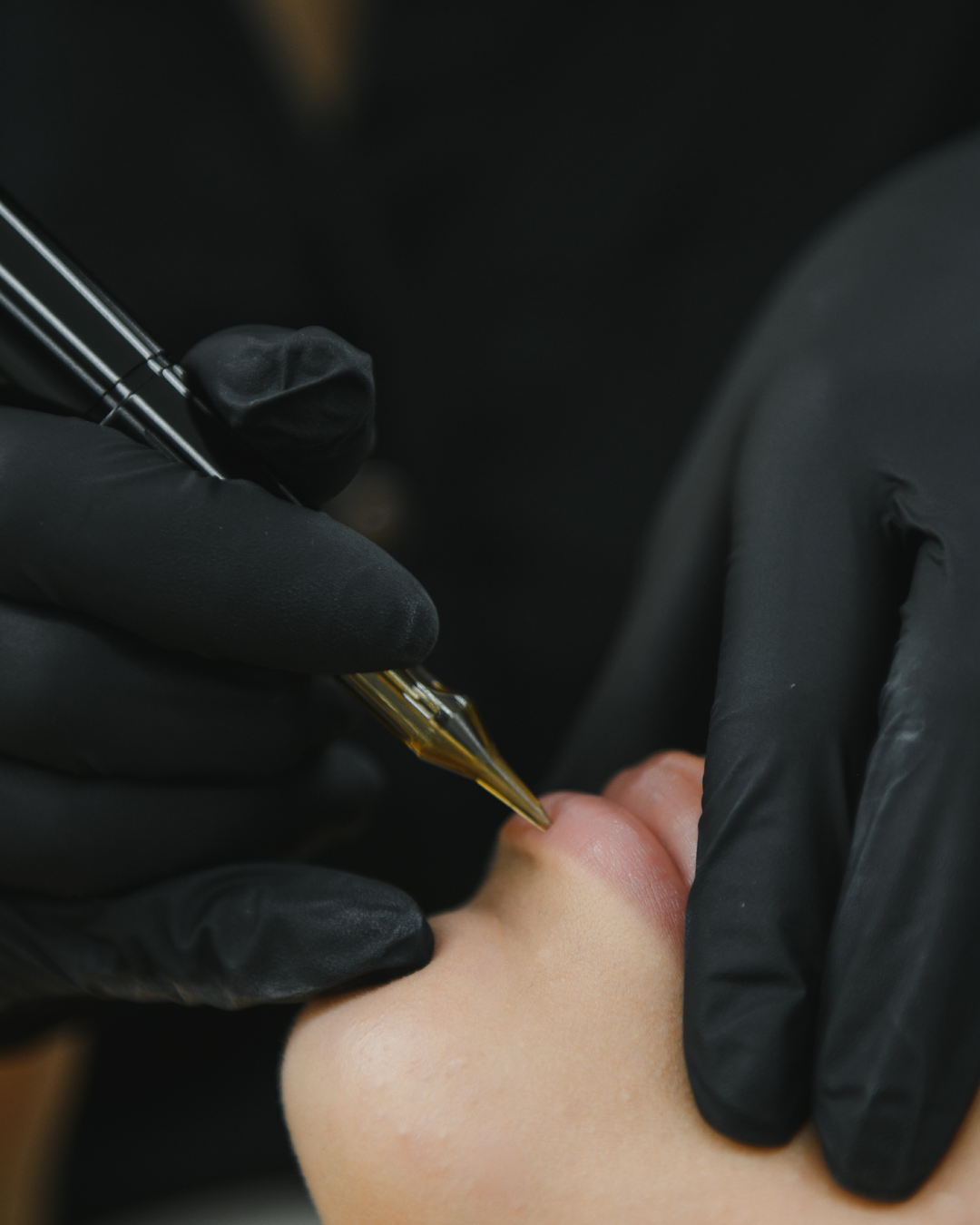
Lips fade unpredictably compared to skin.
Starting conservatively allows:
Color refinement at touch-up
Adjustment if preference changes
More graceful aging of pigment
Reduced risk of oversaturation
You can always add more — but you cannot easily remove excess.

Lip Blush & Skin Tone Compatibility
Proper pigment selection ensures compatibility with:
Fair skin tones
Olive undertones
Medium complexions
Deeper skin tones
Color theory matters. Undertone balance determines whether a healed lip looks elegant or artificial.
Healing & Color Evolution
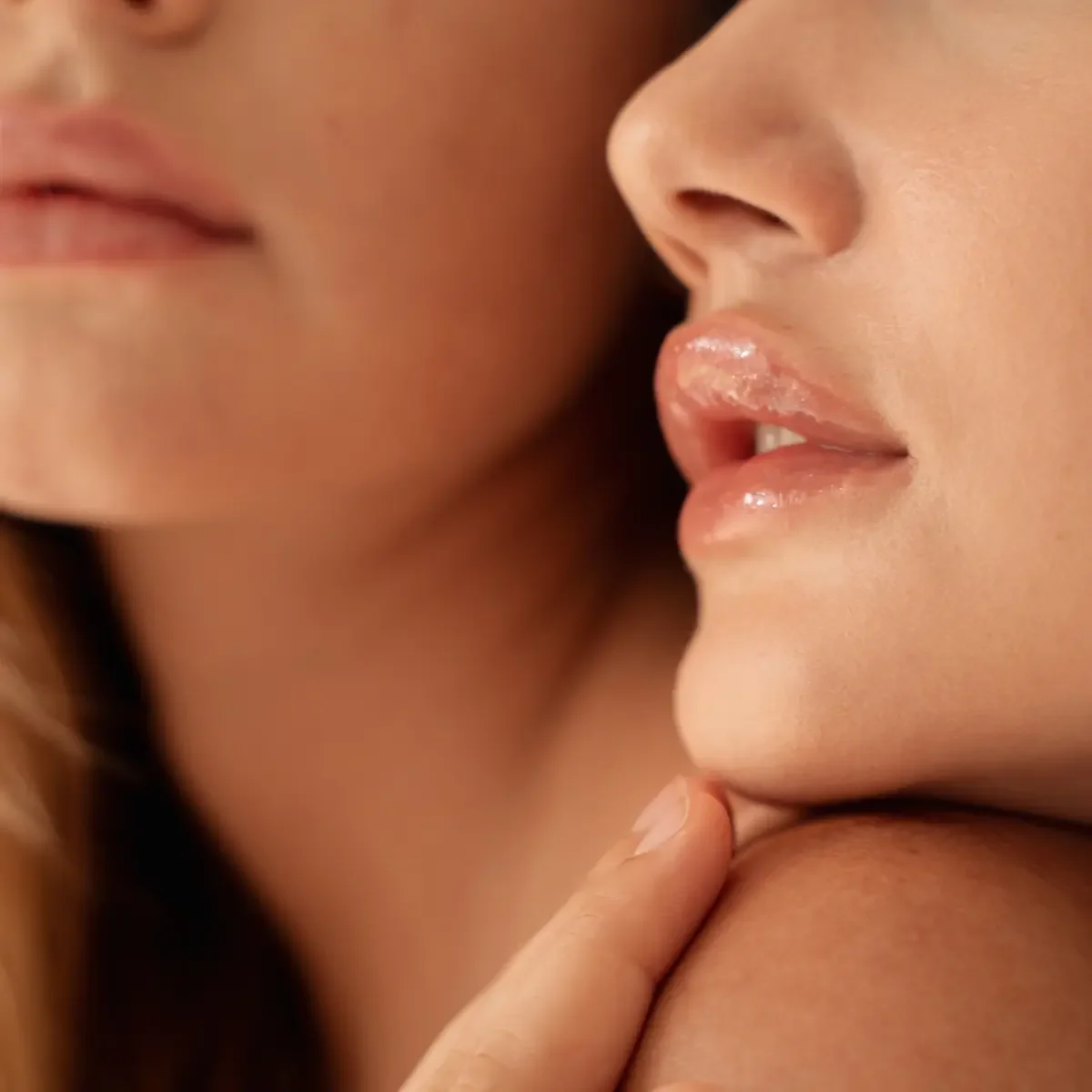
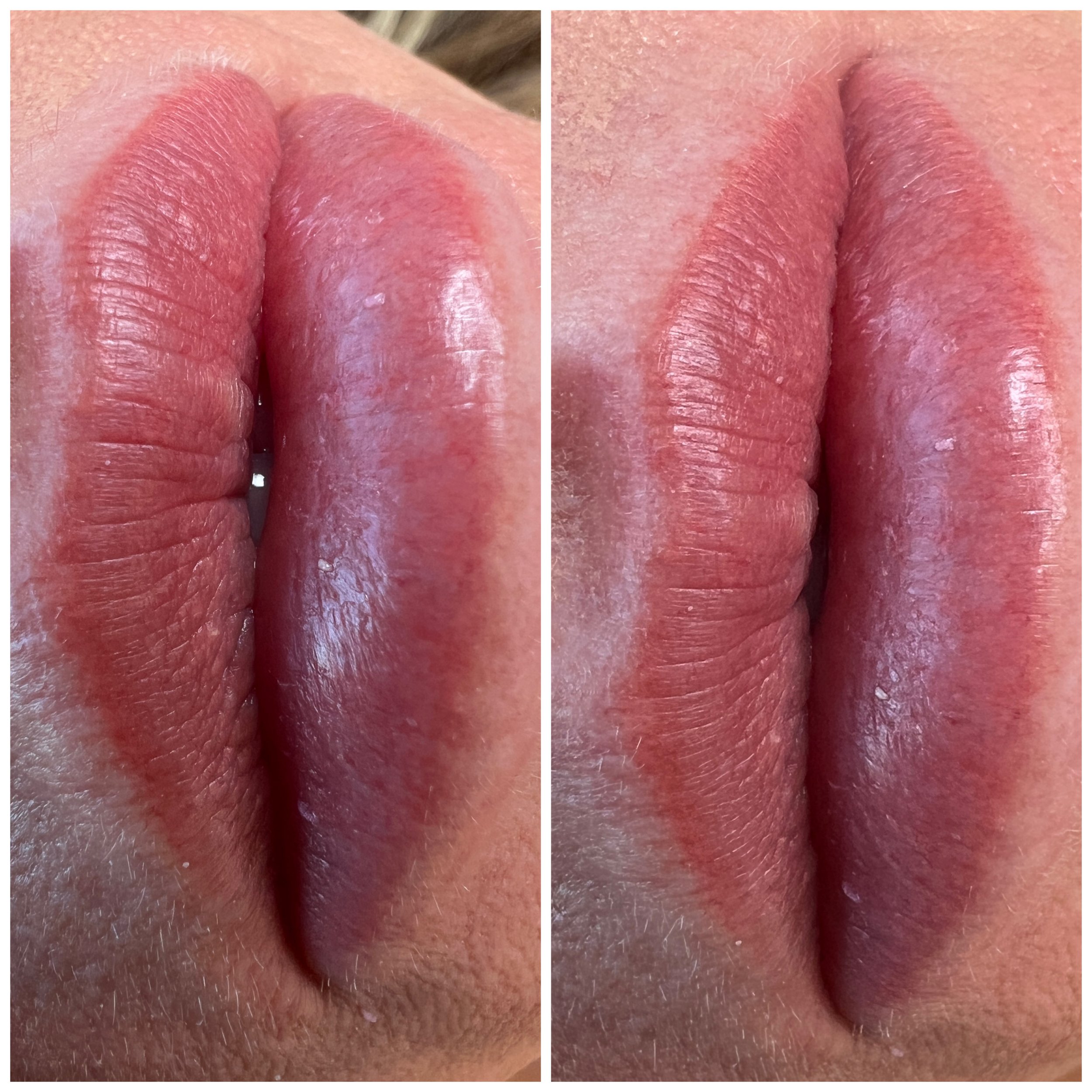
Immediately after treatment:
Lips appear brighter
Swelling increases saturation appearance
After healing:
Color softens 30–50%
Tone becomes more natural
Edges refine
True healed color is visible around 4–6 weeks.
Choosing a Style That Ages Beautifully
The most successful lip blush results share three qualities:
Subtlety
Balance
Harmony with natural lip tone
These principles guide every lip blush treatment at Denver Dream Medspa.
Why Denver Dream Medspa
At Denver Dream Medspa, lip blush color selection is guided by advanced pigment theory, conservative design philosophy, and long-term aesthetic planning. Our focus is soft, elegant enhancement that ages gracefully — not trend-driven saturation.