

Permanent Makeup (PMU) vs. Traditional Makeup
Why More Clients Are Choosing Long-Term Beauty Solutions
Traditional makeup has long been the standard for enhancing features—but permanent makeup (PMU) offers a modern alternative for clients who want consistency, simplicity, and long-lasting results.
Understanding how PMU differs from traditional makeup can help you decide whether it’s the right investment for you.
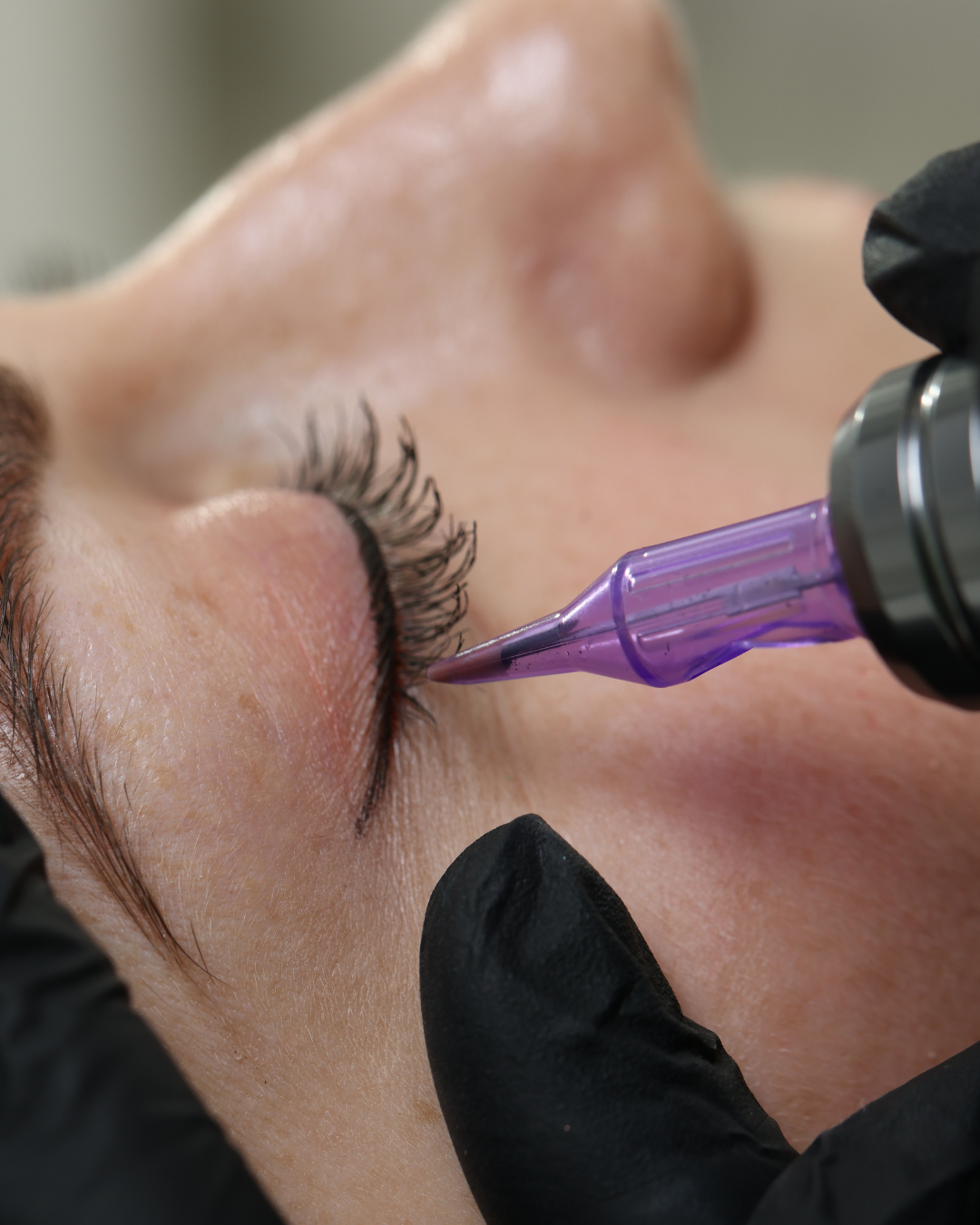
What Traditional Makeup Offers
Traditional makeup provides flexibility and creativity.
Benefits include:
Daily customization
Ability to change looks easily
No long-term commitment
However, it also requires:
Daily application time
Skill and consistency
Regular product replacement
Smudge, fade, or wear throughout the day
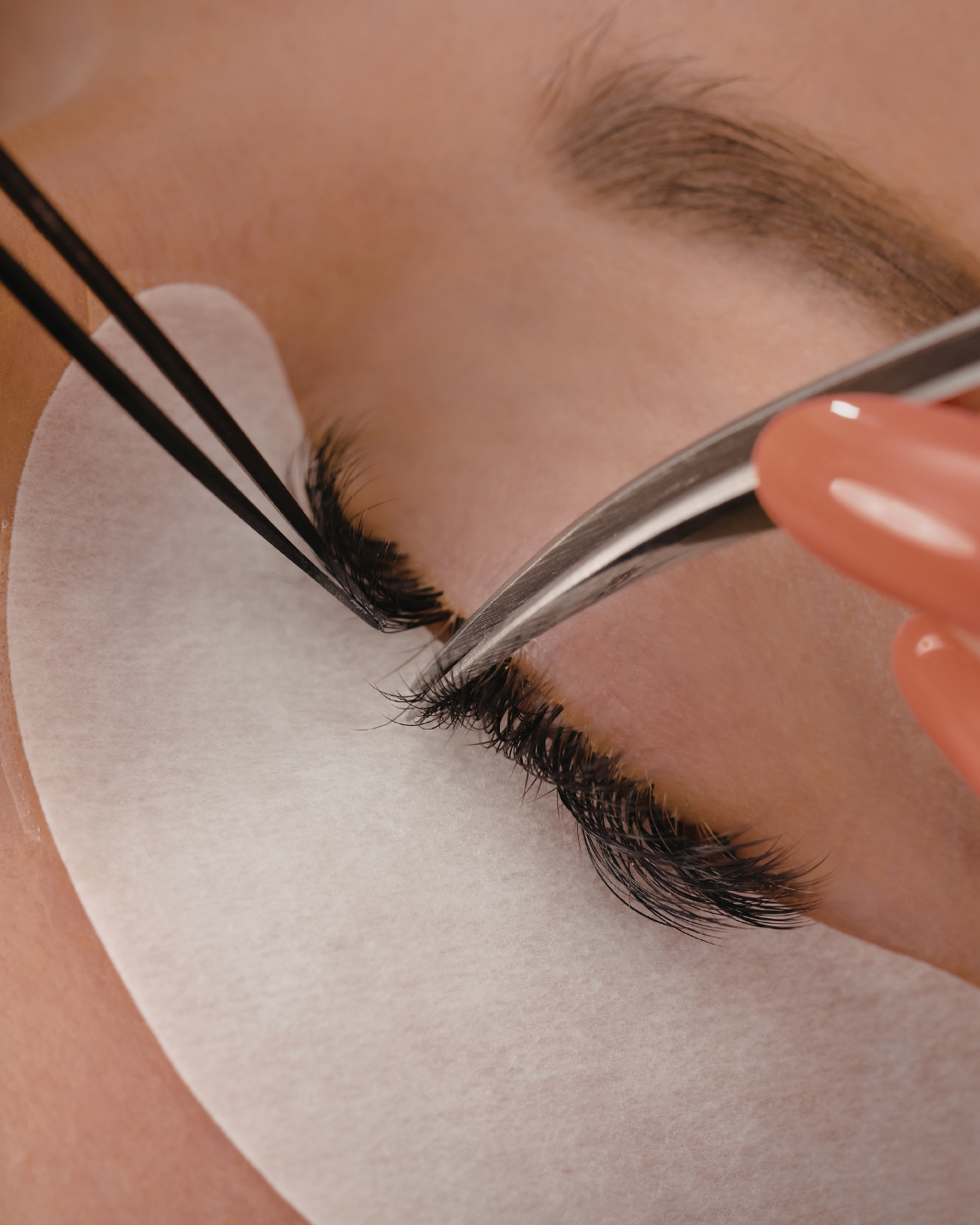
What Permanent Makeup (PMU) Offers
Permanent makeup enhances features by placing soft cosmetic pigment into the skin for long-lasting definition.
PMU is designed to:
Simplify daily routines
Enhance natural features
Provide consistent results
Look polished without effort
It does not replace all makeup—it creates a refined baseline.
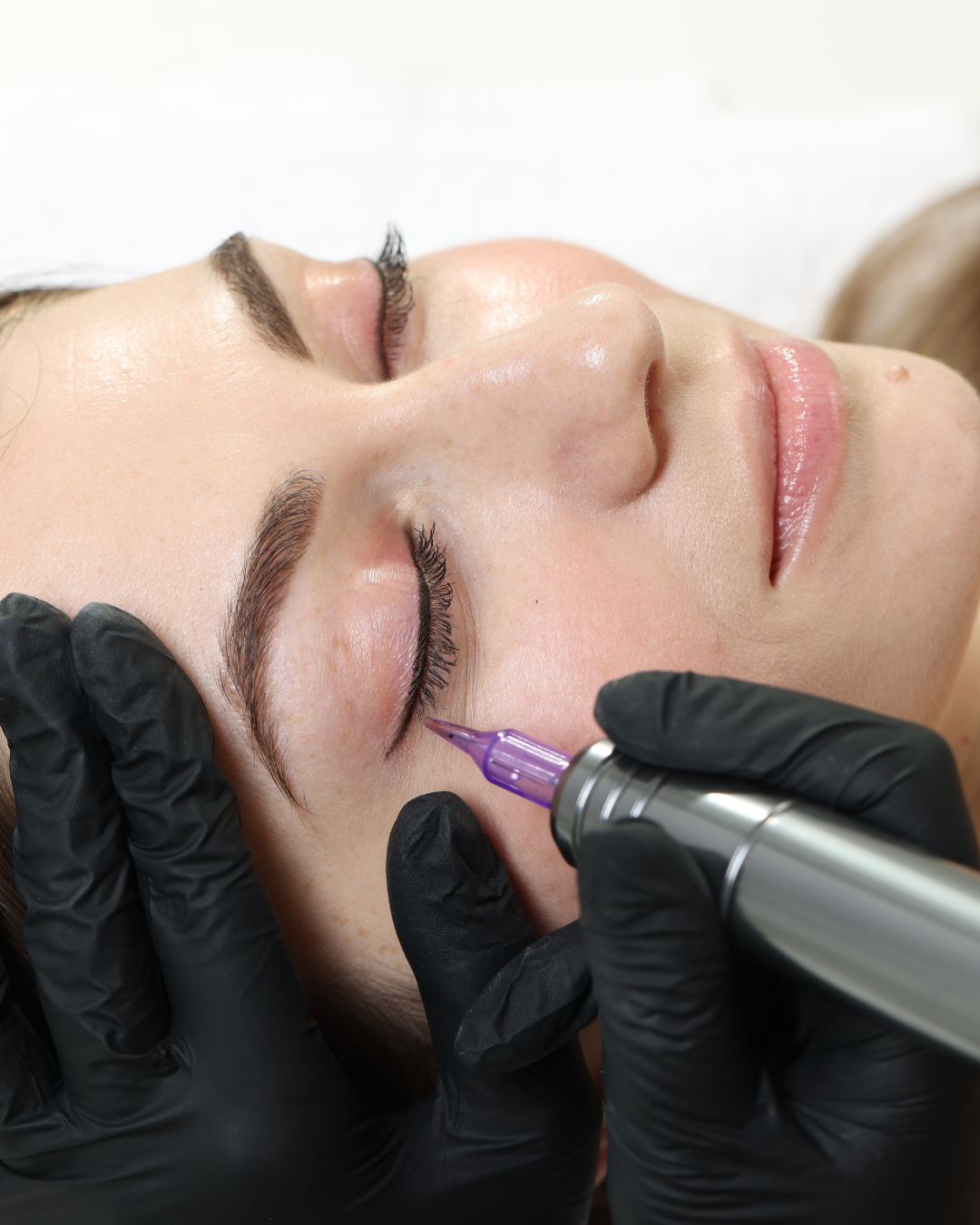
Key Differences Between PMU and Traditional Makeup
Time Investment
Traditional Makeup: Daily application and removal
PMU: One treatment + occasional touch-ups
Consistency
Traditional Makeup: Varies day to day
PMU: Reliable, even definition
Longevity
Traditional Makeup: Hours
PMU: Years (with gradual fading)
Lifestyle Impact
Traditional Makeup: Can smudge, fade, or transfer
PMU: Stays in place through workouts, travel, and daily life
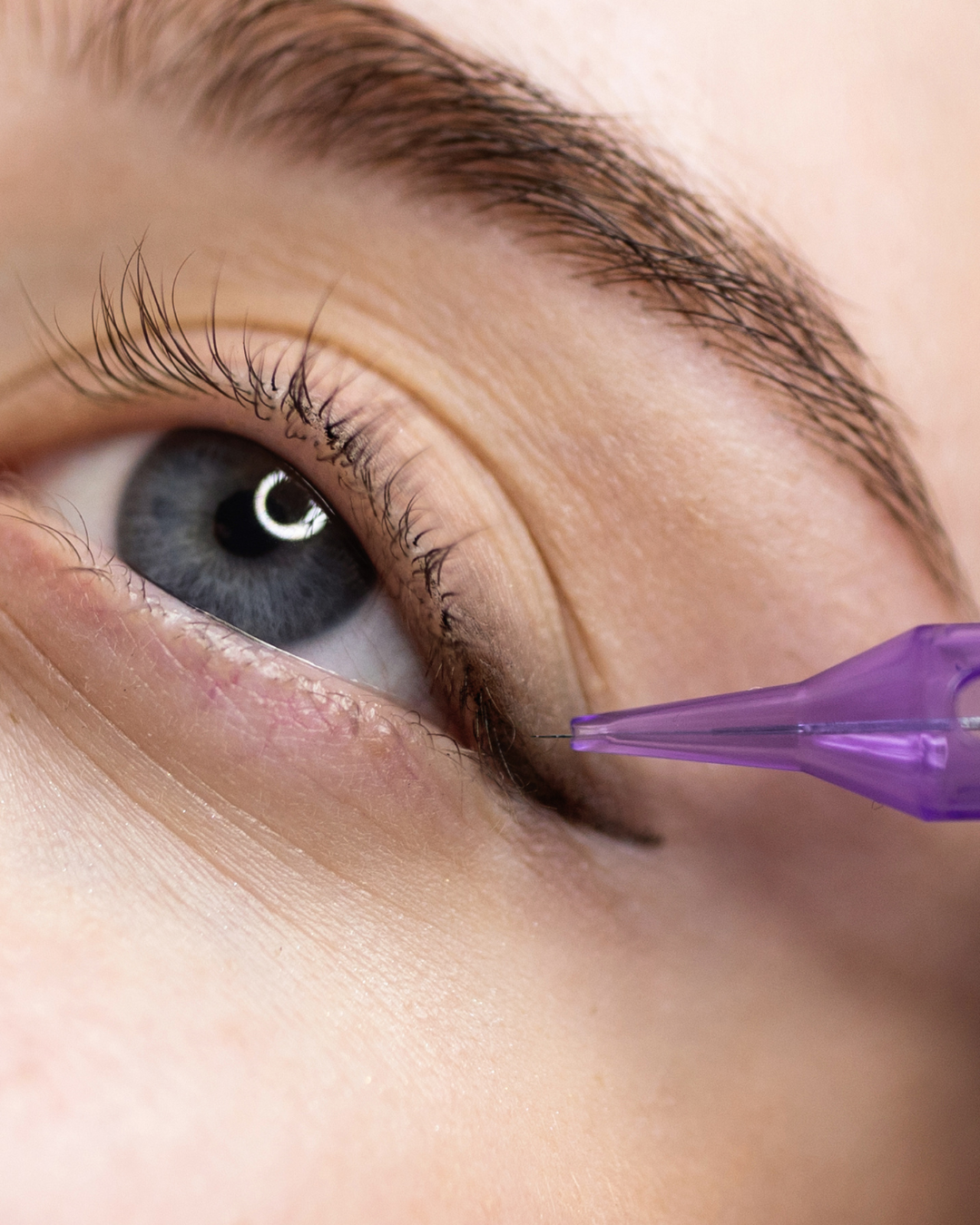
Does PMU Replace Makeup Completely?
No — and it shouldn’t.
PMU is meant to:
Enhance features naturally
Reduce reliance on makeup
Make makeup optional, not mandatory
Many clients still enjoy makeup—but start with a more polished base.
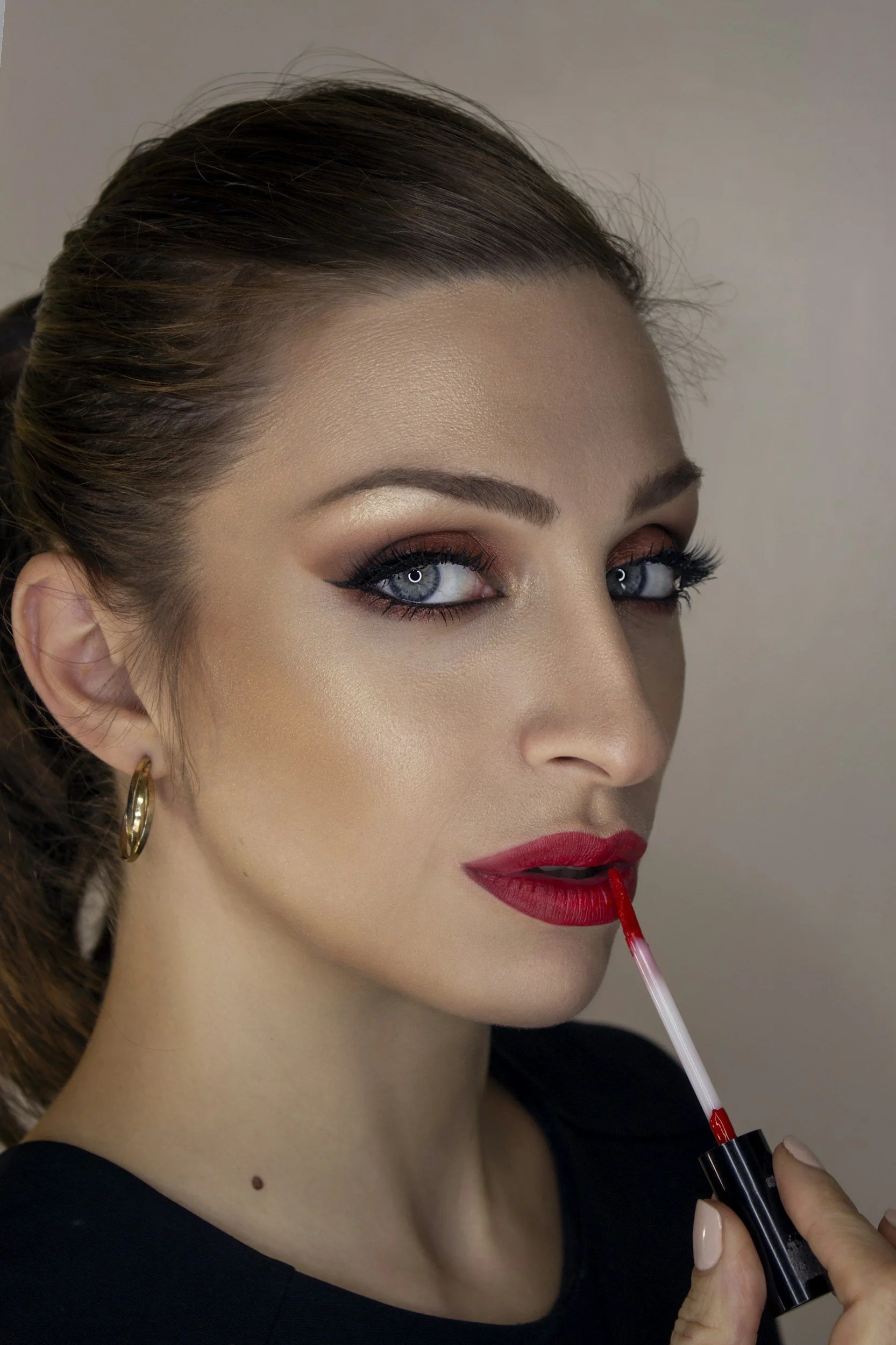
Why PMU Appeals to Modern Lifestyles
PMU is especially popular with clients who:
Have busy schedules
Travel frequently
Work out regularly
Want consistent appearance
Prefer natural, low-maintenance beauty
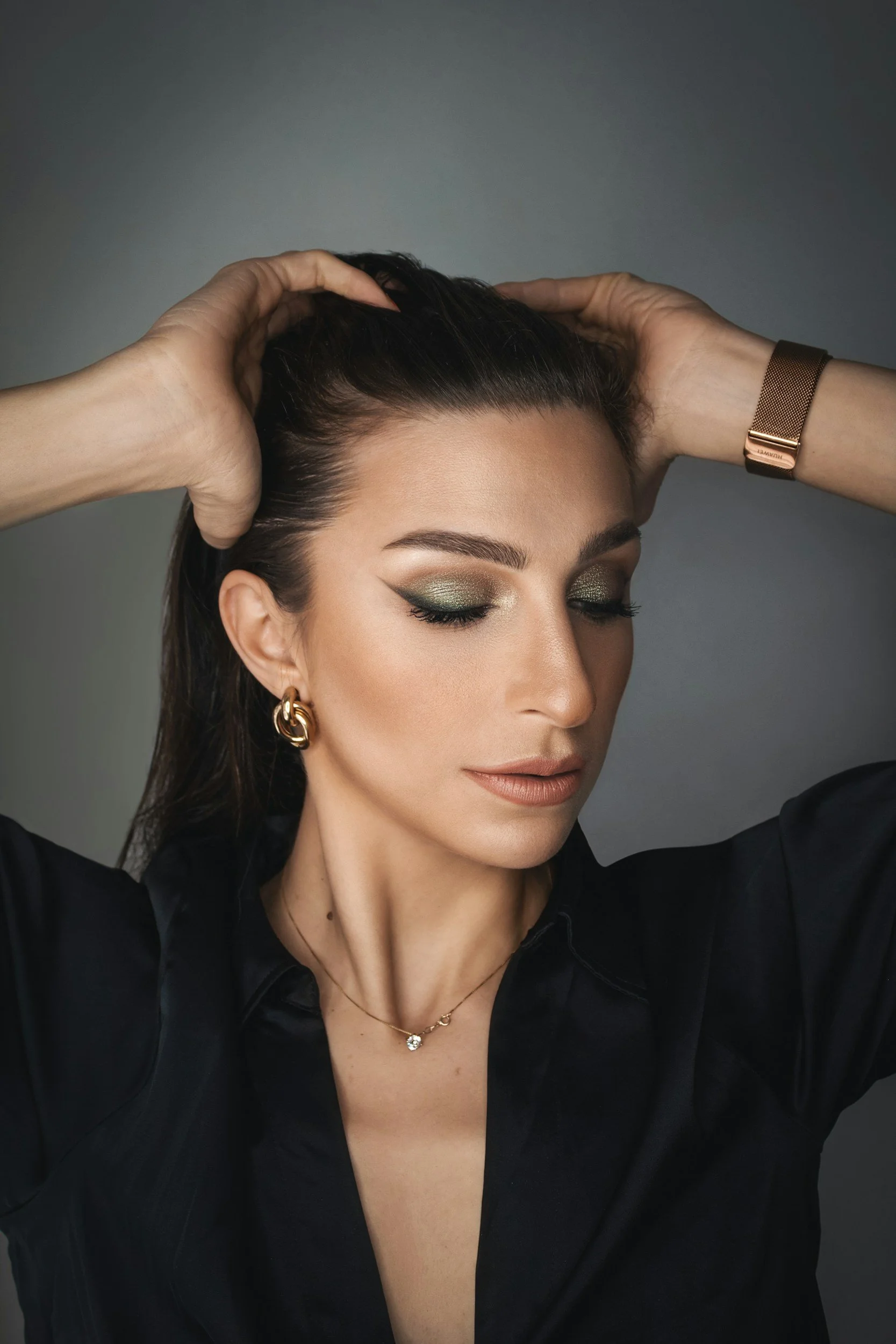
Why Professional Technique Matters
Well-done PMU should:
Look soft and natural
Age gracefully
Fade evenly over time
At Denver Dream Medspa, PMU is approached conservatively to ensure long-term satisfaction—not trends that may feel outdated later.

Is PMU Right for You?
PMU is a personal decision. The best candidates value:
Consistency over variety
Simplicity over daily effort
Long-term results over quick fixes
A consultation ensures PMU aligns with your goals and lifestyle.