IPL vs Chemical Peel for Brown Spots Denver Sun Damage Guide
If you're trying to get rid of brown spots, sun damage, freckles, or uneven pigmentation, two treatments you may be considering are IPL and chemical peels.
Both can improve the appearance of sun-damaged skin, but they work in completely different ways.
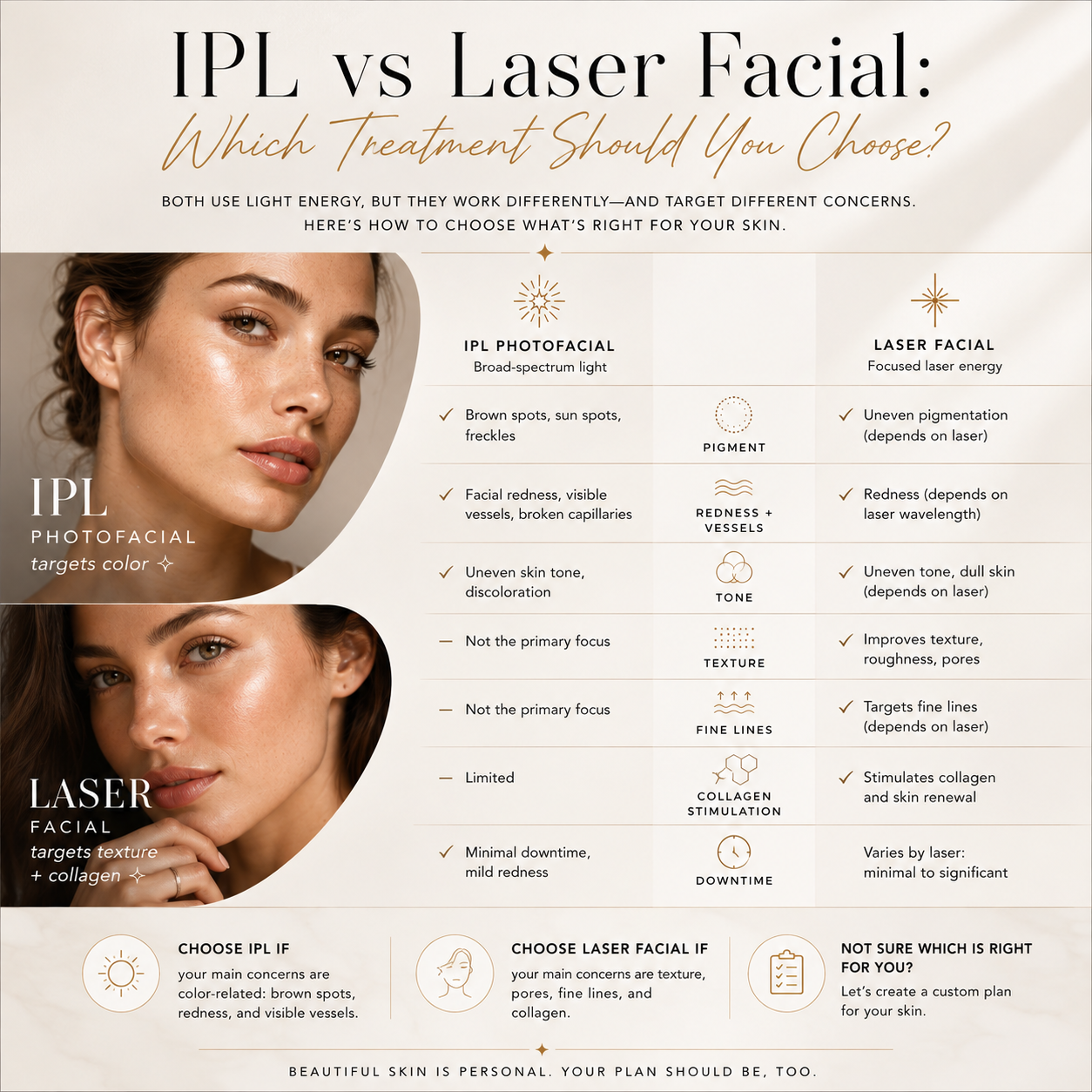
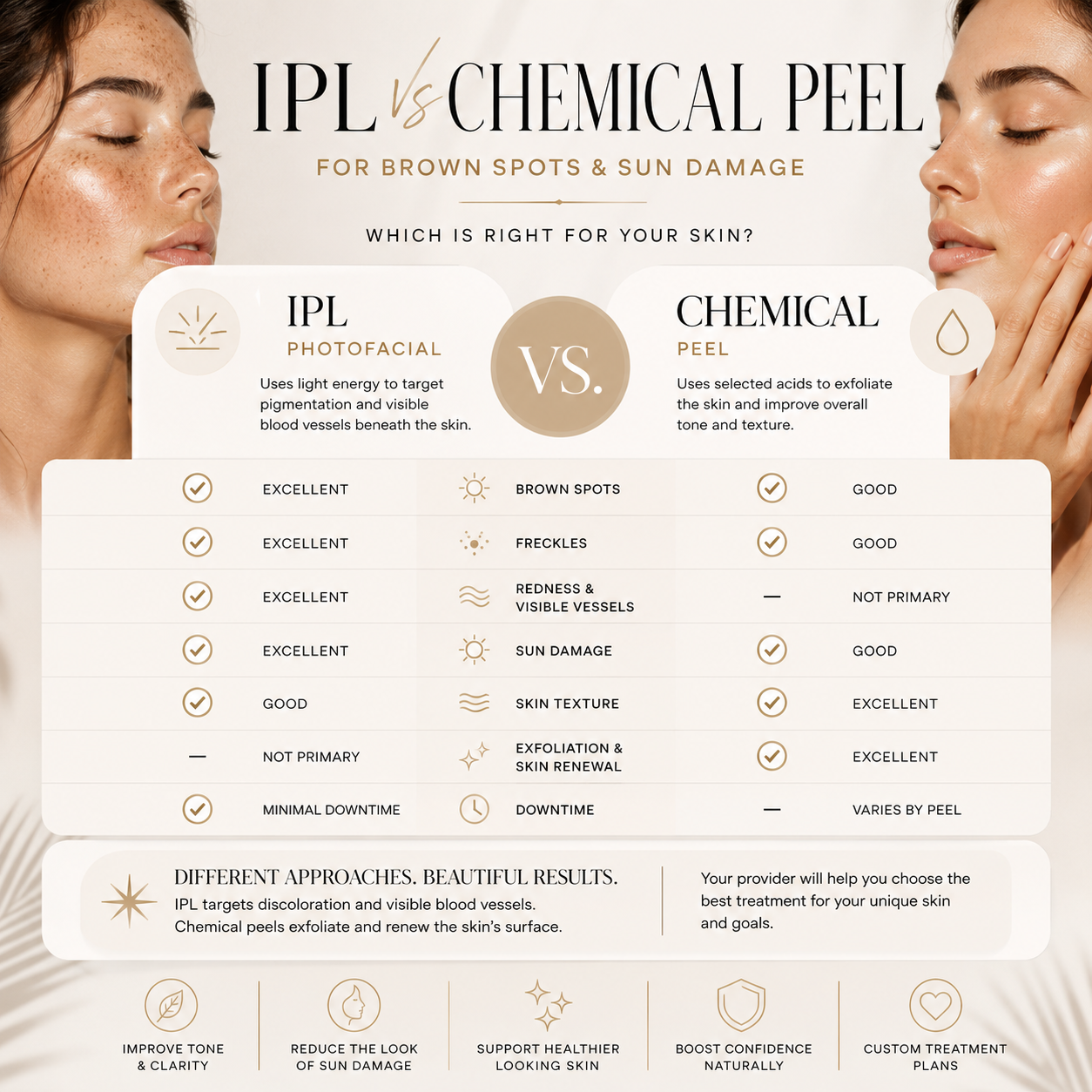
IPL uses light energy to target appropriate pigmentation and vascular discoloration within the skin.
Chemical peels use carefully selected topical acids to create controlled exfoliation and skin renewal.
At Denver Dream Med Spa, we offer both Lumecca IPL Photofacials and advanced chemical peels, which allows us to recommend a treatment based on your skin rather than automatically choosing the same procedure for everyone.
So, when it comes to IPL vs. a chemical peel for brown spots and sun damage, which is better?
The answer depends on the type of discoloration you're trying to treat.
The easiest way to think about the difference is:
IPL = TARGETS COLOR
CHEMICAL PEEL = RESURFACES THE SKIN
And for some patients, the best long-term strategy may include both.
What Is IPL?
IPL stands for Intense Pulsed Light.
IPL is a light-based treatment that uses broad-spectrum pulses of light rather than the single wavelength typically associated with a traditional laser.
At Denver Dream Med Spa, we use Lumecca IPL by InMode.
For appropriate candidates, Lumecca IPL may be used to improve the appearance of:
Brown spots
Sun spots
Freckles
Uneven pigmentation
Facial redness
Visible blood vessels
Broken capillaries
Certain rosacea-related vascular redness
Uneven-looking skin tone
One of IPL's biggest advantages is that it can address certain brown AND red discoloration concerns.
That's particularly useful when sun damage isn't your only concern.
What Is a Chemical Peel?
A chemical peel works very differently.
During a chemical peel, a professionally selected solution is applied to the skin to create a controlled level of exfoliation.
Different types and strengths of chemical peels can be used depending on the patient's skin, concerns, and desired results.
Chemical peels may be used to improve concerns such as:
Dull skin
Uneven skin tone
Superficial pigmentation
Rough texture
Certain types of discoloration
Fine lines
Congestion
Overall skin appearance
Rather than selectively targeting pigment with light, chemical peels work by encouraging controlled exfoliation and skin renewal.
Which Is Better for Brown Spots: IPL or a Chemical Peel?
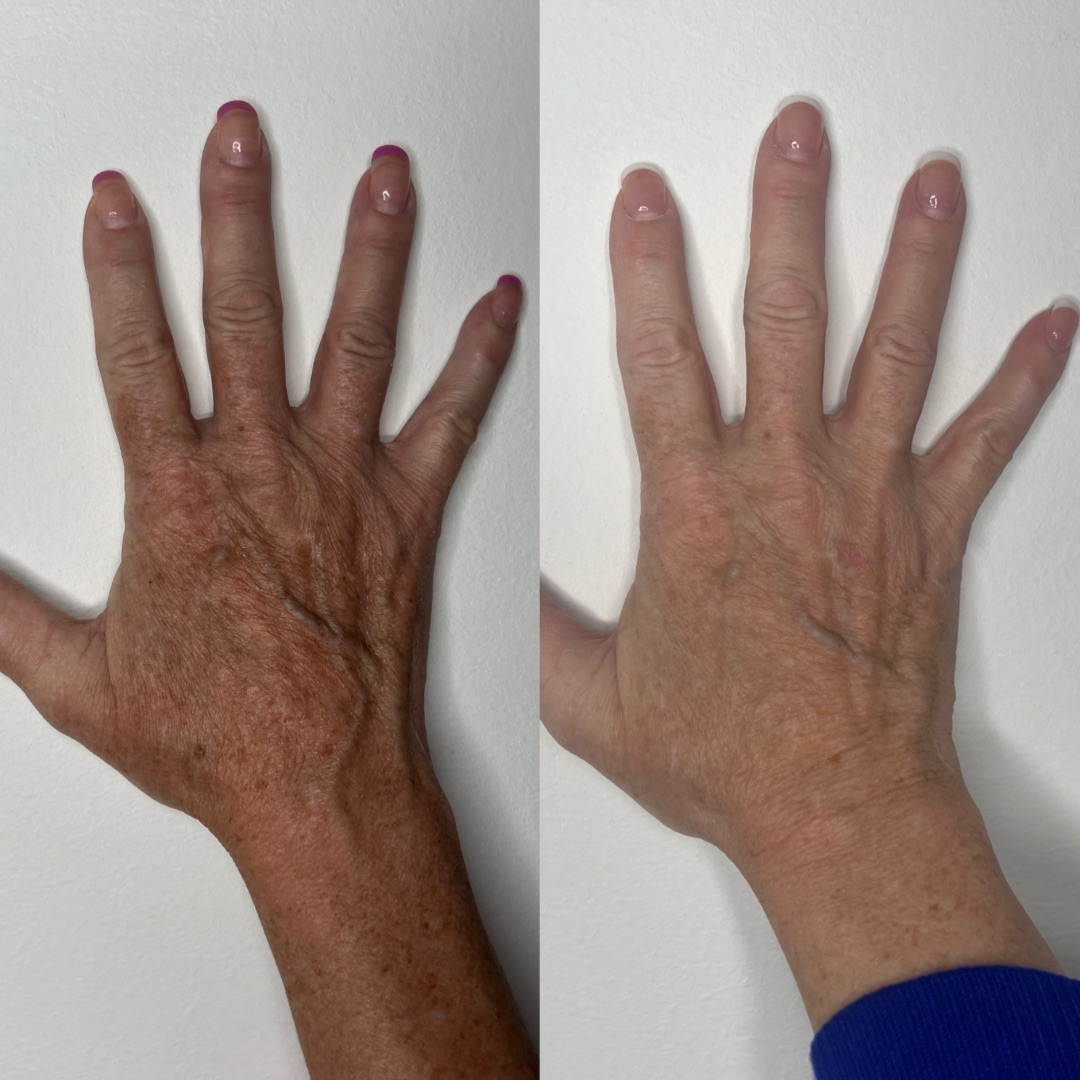
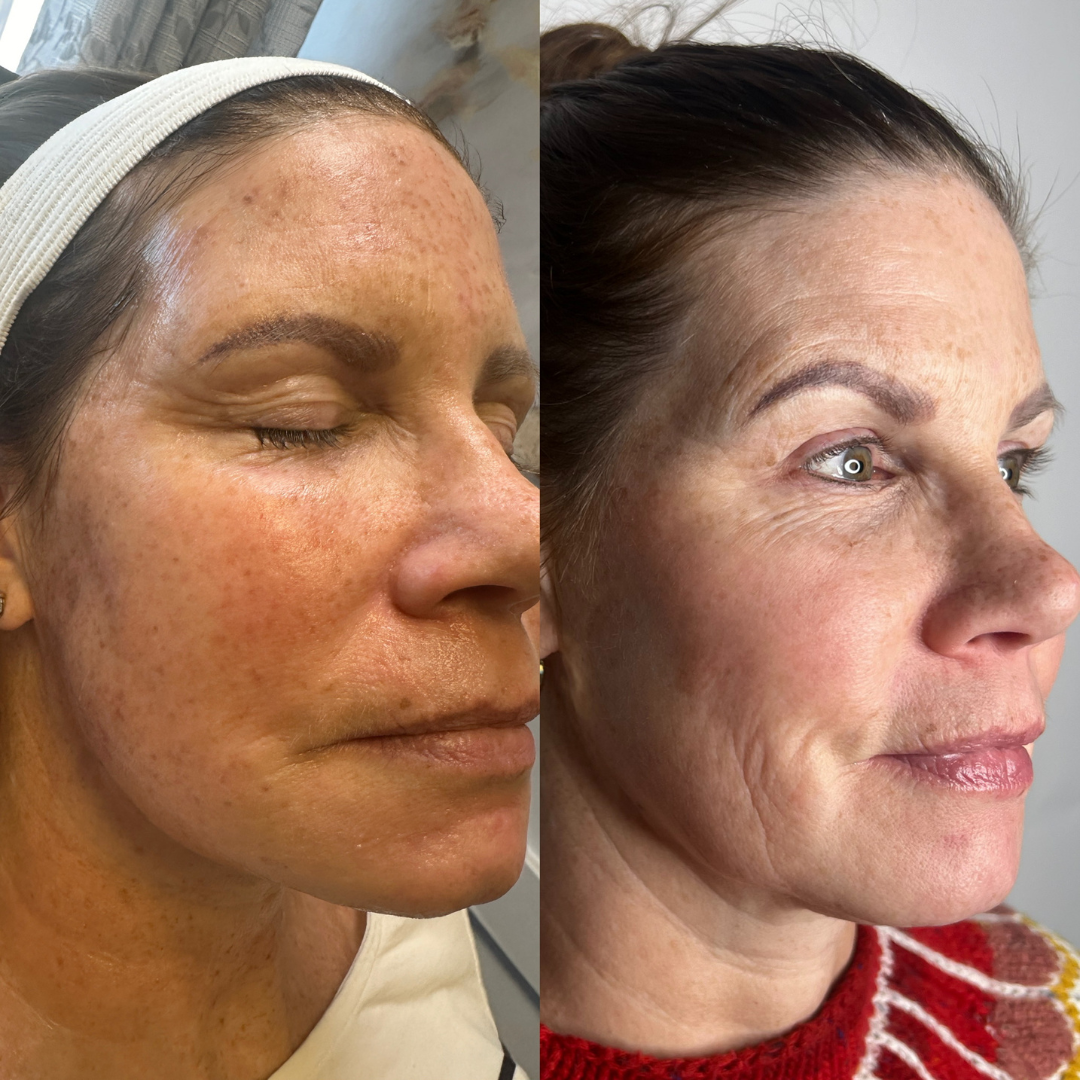
For clearly defined, appropriate brown sun spots and freckles, IPL can be a particularly targeted option.
Light energy is absorbed by appropriate pigment within the skin.
After treatment, some pigmented areas may temporarily become darker before gradually fading or flaking as the skin renews.
Chemical peels can also improve certain types of pigmentation, particularly when discoloration is more superficial or accompanied by concerns such as dullness and uneven texture.
The important distinction is that not all brown pigmentation is the same.
A professional skin evaluation should come before treatment.




Which Is Better for Sun Damage?
This depends on what your sun damage actually looks like.
If years of sun exposure have left you with:
brown spots + freckles + redness + visible capillaries
IPL may be especially worth considering.
If your skin looks:
dull + rough + uneven + superficially pigmented
a chemical peel may make more sense.
And if you have a combination of these concerns, your provider may recommend incorporating both treatments into a longer-term skincare plan.
Why Sun Damage Is Such a Concern in Colorado
Colorado's outdoor lifestyle can be wonderful.
Your skin may feel differently.
Years spent:
Hiking
Skiing
Snowboarding
Running
Biking
Driving
Walking outdoors
Enjoying Colorado's sunny climate
can contribute to cumulative UV exposure.
Visible photodamage can eventually appear as:
Brown spots
Freckles
Uneven pigmentation
Facial redness
Visible vessels
Uneven skin tone
Changes in skin texture
Colorado's elevation also makes consistent sun protection particularly important.
Treating existing discoloration does not prevent new sun damage, which is why sunscreen remains essential regardless of whether you choose IPL or a chemical peel.
IPL for Colorado Sun Spots
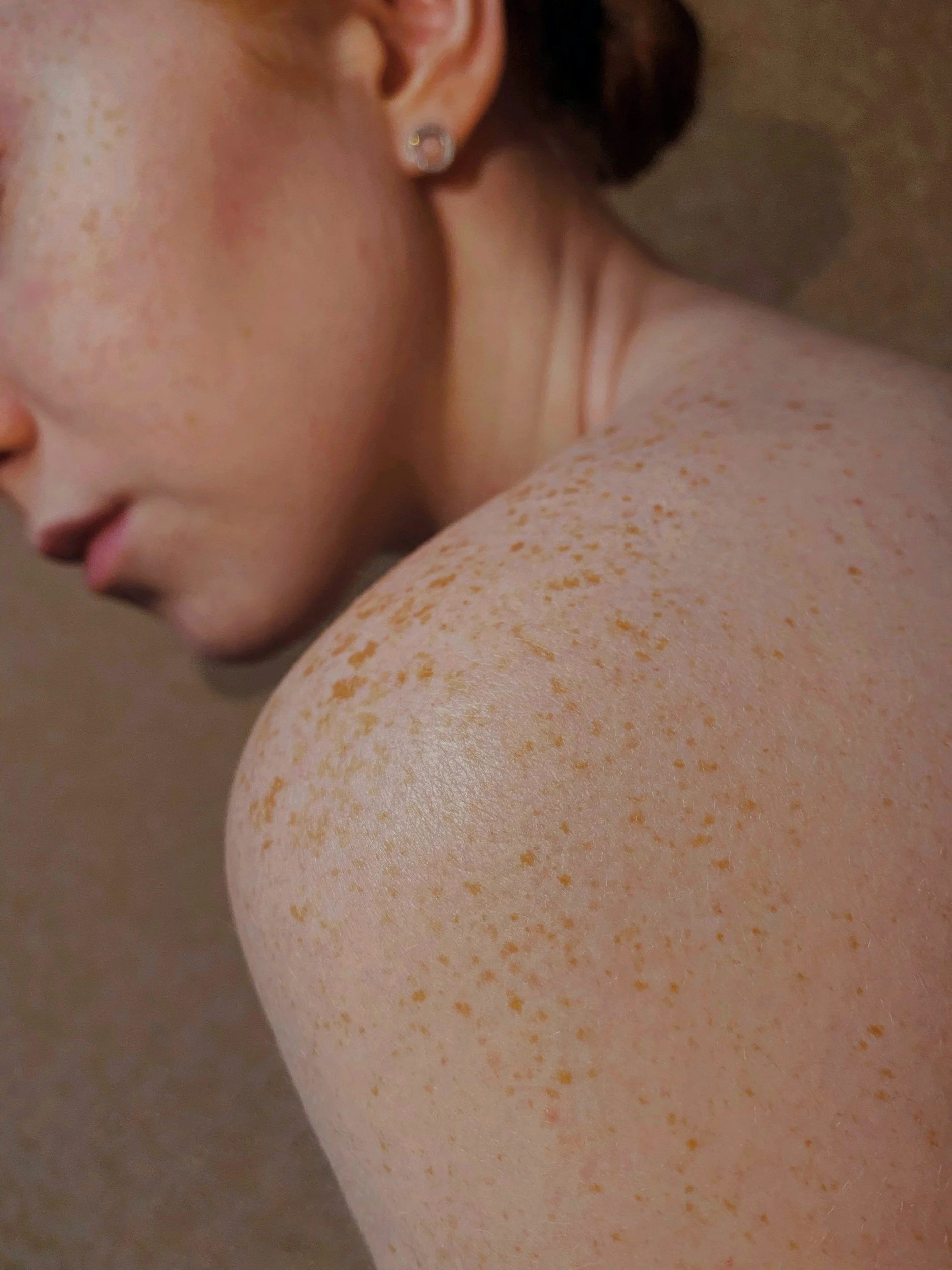
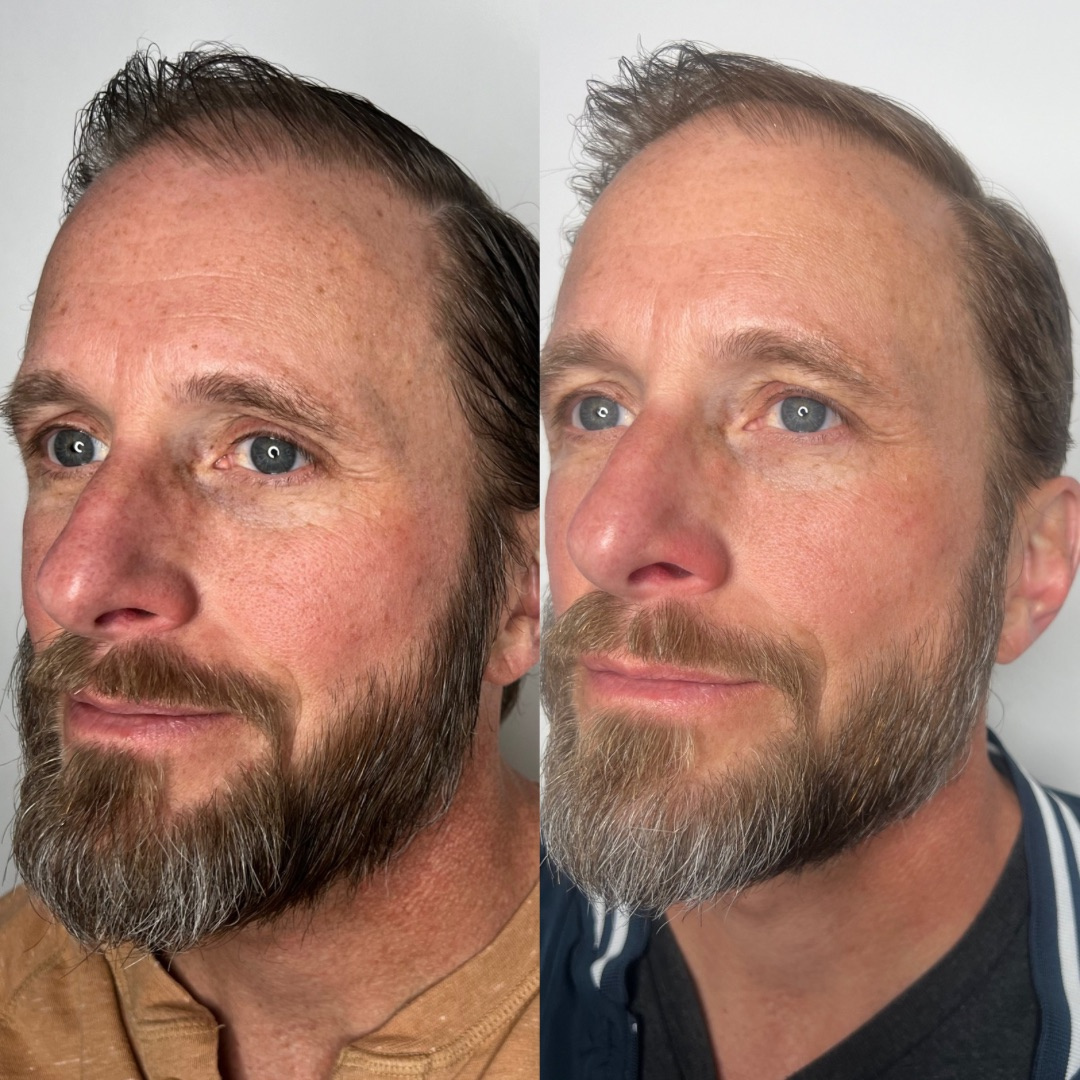
Sun spots are one of the most common reasons patients consider IPL.
During a Lumecca IPL treatment, controlled light energy is directed toward appropriate pigmentation.
Some brown spots may become noticeably darker following treatment.
This can initially surprise patients.
Over the following days, those areas may gradually fade or flake as the skin goes through its normal renewal process.
Avoid picking or aggressively exfoliating treated areas.
Your provider will give you specific aftercare instructions.
Chemical Peels for Sun-Damaged Skin
Chemical peels take a different approach.
Instead of targeting individual pigment with light, a peel creates controlled exfoliation across the treatment area.
Depending on the type and strength of peel, this may help improve the appearance of:
Superficial discoloration
Dullness
Rough texture
Uneven tone
Fine lines
Overall skin quality
This makes chemical peels particularly attractive for patients who want general resurfacing in addition to pigmentation improvement.
Which Is Better for Freckles?
IPL may improve the appearance of appropriate freckles because the light can target pigment.
Chemical peels may also improve certain superficial pigmentation.
However, freckles can return or become darker with continued sun exposure.
Neither treatment eliminates your skin's ability to produce pigment in response to UV exposure.
Consistent sun protection is important for maintaining results.
Which Is Better for Redness?
This is where IPL has a significant distinction.
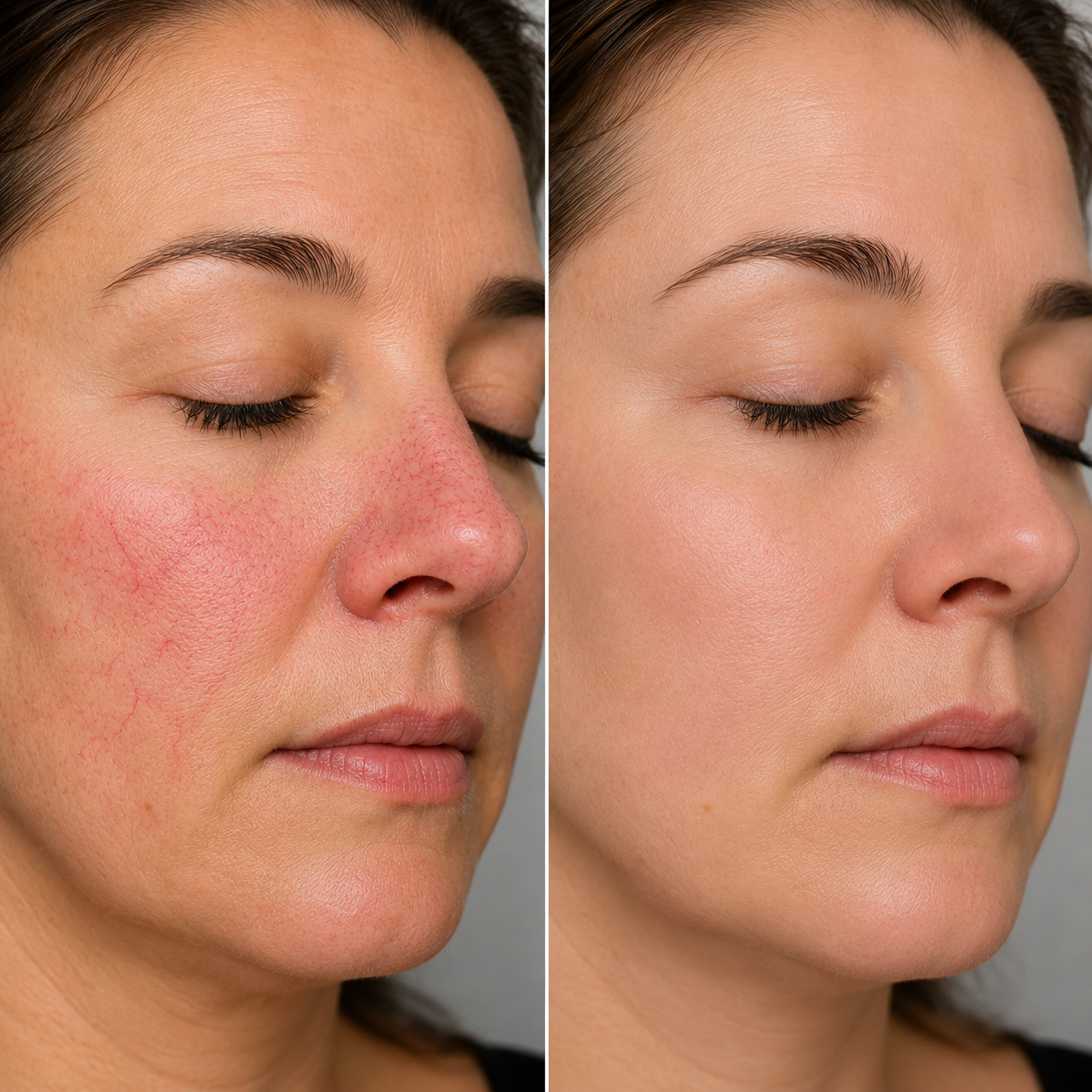
IPL can target certain vascular concerns. Chemical peels are not primarily vascular treatments.
Lumecca IPL may be considered for appropriate:
Facial redness
Visible vessels
Broken capillaries
Redness around the nose
Diffuse cheek redness
Certain rosacea-related vascular symptoms
If you have both brown sun spots and facial redness, IPL may therefore address a combination of concerns that a chemical peel doesn't target in the same way.
IPL does not cure rosacea.
Which Is Better for Broken Capillaries?
IPL is generally the more relevant of these two treatments.
Chemical peels do not target visible blood vessels.
Lumecca IPL may help reduce the appearance of certain superficial facial vessels, including some broken capillaries around the cheeks and nose.
Not every vessel is appropriate for IPL, however.
Vessel size, depth, location, and individual skin characteristics matter.
Which Is Better for Skin Texture?
This is where chemical peels may have the advantage.
Because peels create controlled exfoliation and resurfacing, they may improve the appearance of rough or uneven skin texture in addition to certain pigmentation concerns.
IPL primarily focuses on discoloration.
If your biggest complaint is texture rather than color, a peel—or another texture-focused treatment such as microneedling—may be more appropriate.
Which Is Better for Dull Skin?
Chemical peels can be particularly useful when the goal is brighter, smoother, more refreshed-looking skin through exfoliation.
IPL can also create a clearer-looking complexion by reducing appropriate red and brown discoloration.
But the mechanism is different.
Think:
IPL → clearer color
Chemical peel → fresher surface
IPL vs. Chemical Peel for Melasma
This deserves special attention.
Melasma is not the same thing as ordinary sun spots.
Melasma can be complex and may be influenced by factors such as sun exposure, heat, hormones, and individual skin characteristics.
IPL is not automatically appropriate for melasma, and in some circumstances heat or light-based treatments may be inappropriate or potentially aggravating.
Chemical peel selection also requires care.
If you believe you have melasma, don't choose a treatment simply because an online before-and-after photo looks similar to your pigmentation.
Your pigmentation should be properly evaluated first.
IPL vs. Chemical Peel Downtime
Both treatments can involve temporary post-treatment changes, but the recovery experience is different.
After IPL, you may experience:
Temporary redness
Warmth
Mild swelling
Sensitivity
Darkening of treated pigmentation
After a chemical peel, you may experience:
Redness
Dryness
Tightness
Flaking
Peeling
Sensitivity
The amount of peeling depends heavily on the type and depth of the chemical peel.
Some lighter peels produce very little visible peeling, while stronger treatments may involve more noticeable recovery.
Does a Chemical Peel Actually Make Your Skin Peel?
Sometimes—but not always dramatically.
The word "peel" can make people imagine sheets of skin coming off their face.
That isn't necessarily what happens.
The amount of visible flaking or peeling depends on:
Peel type
Peel strength
Skin condition
Treatment protocol
Individual response
A peel can still be effective even if you don't experience dramatic visible peeling.
Can IPL and Chemical Peels Be Combined?
Potentially, yes.
Because the treatments work differently, they can complement each other within a carefully planned skincare program.
For example:
IPL → brown spots + redness + visible vessels
followed at an appropriate interval by:
Chemical peel → exfoliation + texture + superficial pigmentation + brightness
The treatments shouldn't simply be stacked together without considering timing.
Your provider should determine appropriate spacing based on your skin and the specific treatments being performed.
Should I Get IPL or a Chemical Peel First?
There isn't one correct order for everyone.
If your primary concern is:
Brown spots + freckles + facial redness → IPL may be the logical starting point.
If your primary concern is:
Dullness + rough texture + superficial discoloration → a chemical peel may be the logical starting point.
If you have both sets of concerns, your provider can create a sequence that addresses them strategically.
How Many IPL Treatments Will I Need?
Treatment plans vary.
Some patients notice visible changes following an initial IPL treatment, while others benefit from a series.
The number of treatments depends on factors including:
Degree of pigmentation
Amount of sun damage
Vascular redness
Treatment area
Skin characteristics
Desired results
Individual response
Maintenance treatments may also be appropriate.
How Many Chemical Peels Will I Need?
This also depends on the peel and your goals.
Some people use chemical peels periodically as part of their ongoing skincare routine, while others complete a planned series.
A lighter peel performed regularly is very different from a stronger resurfacing treatment.
Your provider can recommend an appropriate schedule.
IPL vs. Chemical Peel Cost in Denver
At Denver Dream Med Spa, IPL Photofacial treatments start at $350+.
Chemical peel pricing varies depending on the peel being performed.
Check our current treatment menu or ask our team for current pricing when scheduling.
The most important question isn't simply which treatment costs less.
It's:
Which treatment is most appropriate for the problem I actually want to fix?
IPL and Chemical Peels in the Skin + Tox Club™
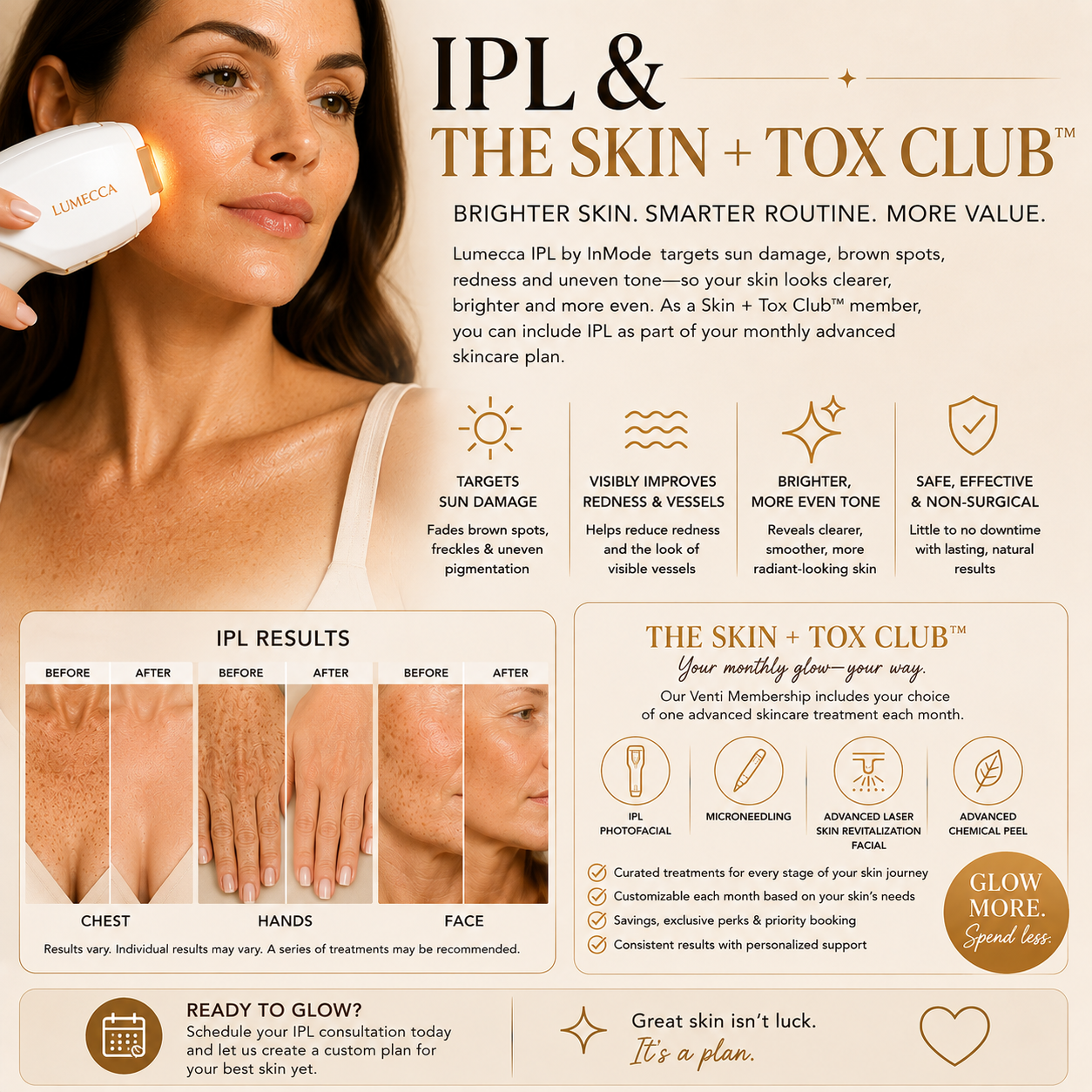
If you want advanced skincare to become part of your regular routine, Denver Dream Med Spa also offers the Skin + Tox Club™.
Our Venti Membership allows members to select one eligible advanced skincare treatment each month from options including:
IPL Photofacial
Advanced Chemical Peel
Microneedling
Advanced Laser Skin Revitalization Facial
This flexibility can be particularly useful for someone with multiple skin concerns.
Your provider may recommend IPL at one point in your treatment plan and an advanced chemical peel at another.
Being eligible for a monthly treatment doesn't mean every procedure should be performed monthly. Treatment choice, frequency, and timing should always be based on your skin and provider recommendations.
IPL or Chemical Peel: How Do I Choose?
Here's a simple starting point.
Consider IPL if you're primarily concerned about:
Brown sun spots
Freckles
Facial redness
Broken capillaries
Visible vessels
Red and brown discoloration
Colorado sun damage
Consider a chemical peel if you're primarily concerned about:
Dull-looking skin
Rough texture
Superficial pigmentation
Uneven tone
Fine lines
Surface congestion
Overall skin resurfacing
Consider a customized treatment plan if you have:
Brown spots AND rough texture
Sun damage AND dullness
Pigmentation AND fine lines
Redness AND uneven texture
Multiple signs of photodamage
The goal isn't to decide which treatment is universally "better."
It's to determine which treatment is better for your skin right now.
Frequently Asked Questions About IPL vs. Chemical Peels
Is IPL better than a chemical peel for brown spots?
IPL can be particularly targeted for appropriate brown sun spots and freckles, while chemical peels may improve superficial pigmentation through controlled exfoliation. The better option depends on the type of pigmentation.
Is IPL or a chemical peel better for sun damage?
Both may improve visible signs of sun damage. IPL is especially useful when red and brown discoloration are concerns, while chemical peels can address pigmentation along with surface texture and dullness.
Is IPL or a chemical peel better for redness?
IPL is generally more directly relevant for appropriate vascular redness because chemical peels do not target blood vessels in the same way.
Can a chemical peel remove broken capillaries?
Chemical peels are not intended to target broken capillaries. IPL may be considered for certain superficial facial vessels.
Which is better for freckles?
IPL may directly target appropriate freckle pigmentation, while some chemical peels may improve superficial pigmentation. Results and candidacy vary.
Which has more downtime?
It depends on the intensity of the IPL treatment and the type/depth of chemical peel. Stronger peels may involve more visible peeling and recovery.
Can I do IPL and a chemical peel?
Potentially. Both may be incorporated into a treatment plan, but appropriate timing between procedures is important.
Which should I do first?
The order depends on your primary concerns, skin characteristics, recent sun exposure, and treatment goals.
Is IPL safe for all skin tones?
No treatment is appropriate for everyone. Because IPL interacts with pigment, careful patient selection is particularly important. Your provider should evaluate your skin before treatment.
Can IPL or chemical peels prevent future sun damage?
No. These treatments may improve existing visible concerns but cannot prevent future UV damage. Consistent sun protection remains essential.
IPL vs. Chemical Peel in Denver: Which Is Right for Your Skin?
If you're deciding between an IPL Photofacial and a chemical peel for brown spots or sun damage, don't choose based solely on which treatment you've seen most often on social media.
Start with what you see in the mirror.
Brown spots + freckles + redness + visible vessels?
Ask about Lumecca IPL.
Dullness + superficial pigmentation + rough texture?
Ask about a chemical peel.
A little bit of everything?
A customized treatment plan may incorporate both.
At Denver Dream Med Spa, we offer IPL, chemical peels, microneedling, laser skin treatments, and professional skincare so we can recommend a treatment based on what your skin actually needs.
Schedule a skin consultation in Denver to find out whether IPL, a chemical peel, or a customized combination plan is right for you.
Learn More: