

Understanding Anatomy, Risk Zones & Why Injector Expertise Matters
Dermal Filler Safety & Facial Anatomy
Dermal fillers are safe and effective when performed correctly — but they are also medical procedures that require a deep understanding of facial anatomy, vascular structures, and tissue behavior.
This education page explains how dermal filler safety works, why anatomy knowledge is critical, and what patients should understand before treatment.
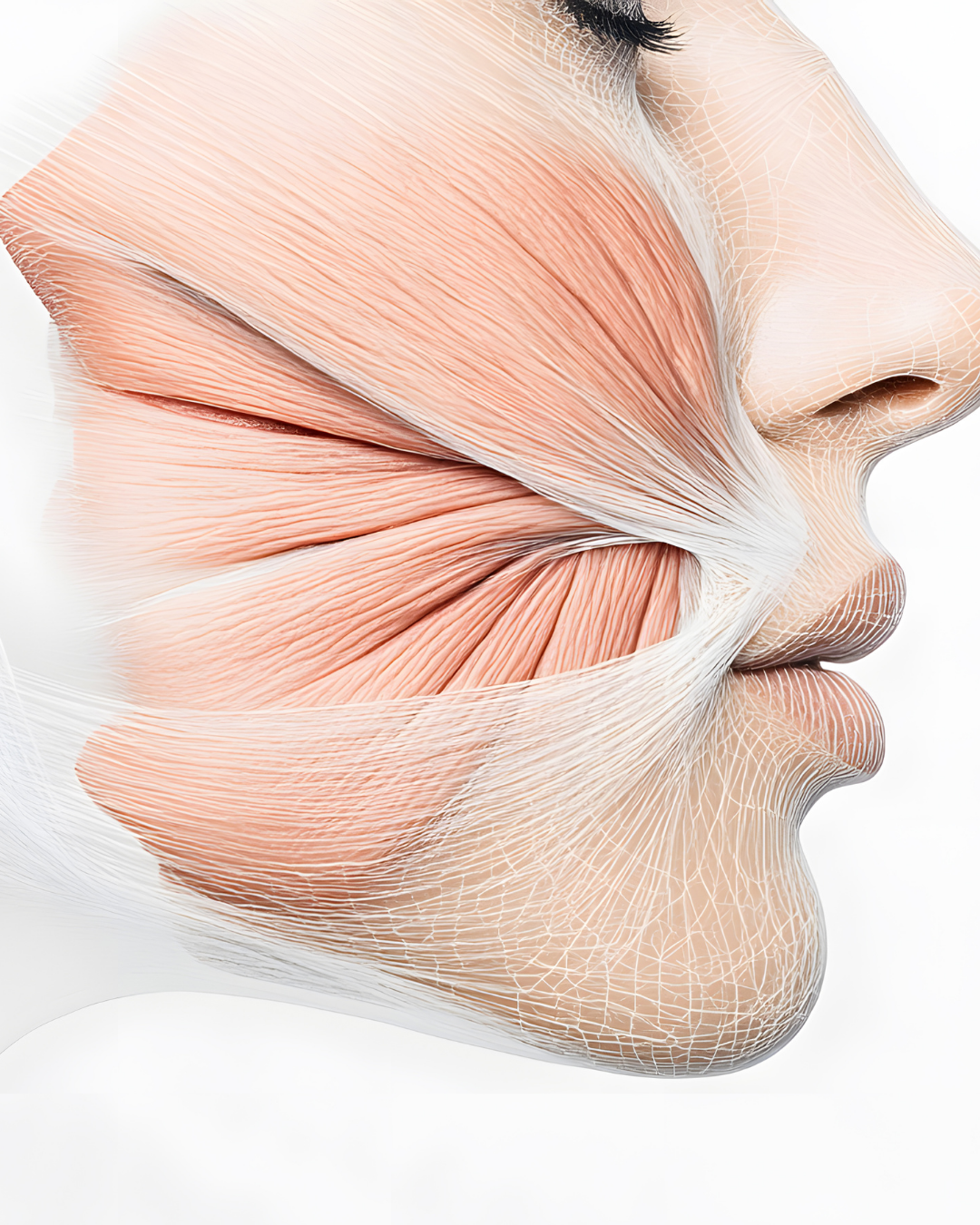
Why Dermal Filler Safety Starts With Anatomy
The face contains:
Complex blood vessel networks
Nerves and soft tissue layers
Bone structure that supports facial shape
Dermal fillers are placed within these layers to restore volume or structure. Safe outcomes depend on knowing exactly where filler can — and should not — be placed.
This is why injector training matters more than product selection.
Key Facial Anatomy Layers Relevant to Fillers
Understanding filler safety requires understanding where fillers are placed.
Skin (Epidermis & Dermis)
Surface layers
Not typically where structural fillers are placed
Subcutaneous Fat
Provides softness and contour
Changes with aging
Common filler placement zone
Deep Fat Pads
Provide foundational support
Loss contributes to sagging and hollowness
Bone
Structural foundation of the face
Some fillers are placed near bone for support
Correct depth selection is essential for natural results and safety.

Understanding Facial Blood Vessels & Risk Zones
The face contains important blood vessels that supply oxygen to the skin and deeper tissues. Injecting filler into or compressing these vessels can cause complications, which is why anatomical knowledge is critical.
Certain areas — often called higher-risk zones — require advanced training and conservative technique.
Examples include:
Nose
Under-eye area
Forehead
Nasolabial region
This does not mean these areas cannot be treated — only that they require expertise, proper technique, and careful product selection.

Why Technique Matters More Than the Amount of Filler
Most filler complications are related to:
Poor injection technique
Overfilling
Incorrect depth placement
Inadequate anatomical knowledge
Safe filler treatments focus on:
Small, controlled amounts
Strategic placement
Gradual enhancement
Respect for natural anatomy
More filler does not equal better results.
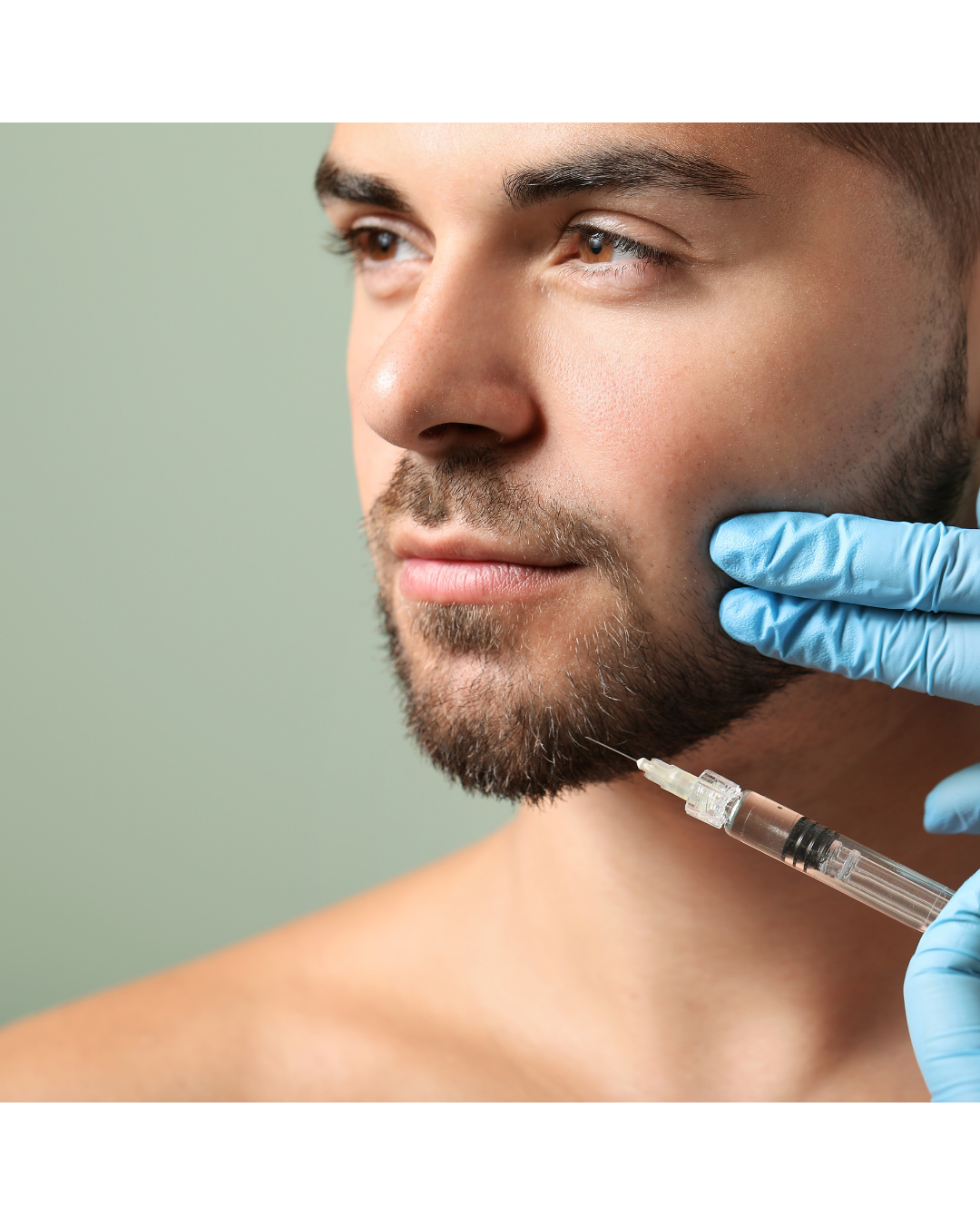
The Role of Cannulas vs Needles in Safety
Injectors may use:
Needles (precise placement)
Cannulas (blunt-tip instruments)
Each has benefits and risks depending on the area treated.
Safety depends on:
Proper tool selection
Understanding tissue planes
Experience using each method
There is no universally “safer” option — expertise matters most.
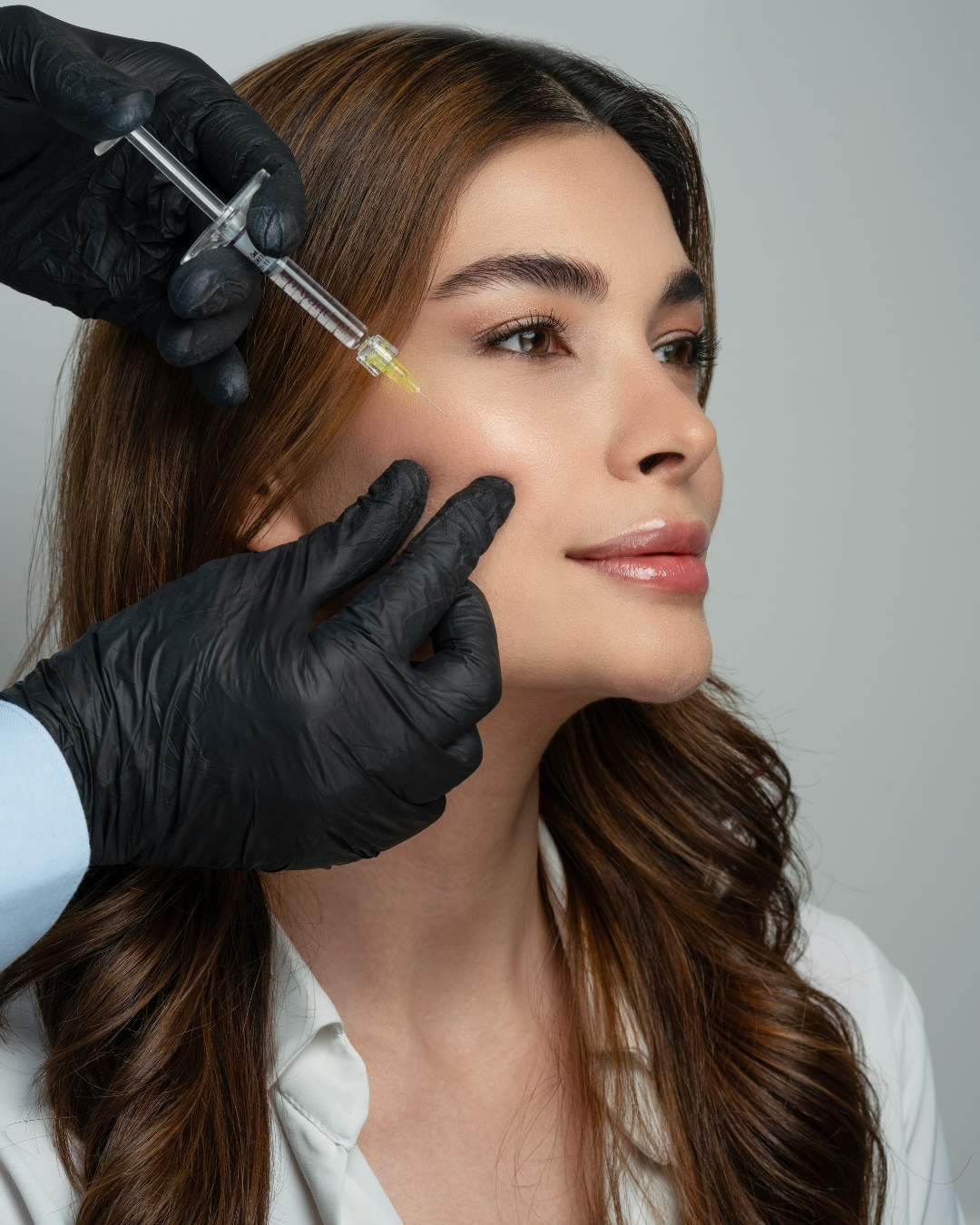
A conservative approach means:
Avoiding overcorrection
Respecting natural facial proportions
Planning treatments in stages
Allowing time for filler to settle
This approach:
Reduces risk of complications
Produces more natural results
Preserves long-term facial harmony
Why Conservative Filler Philosophy Is Safer

Understanding Filler Reversibility
Most dermal fillers used today are made from hyaluronic acid, which can be dissolved if medically necessary.
Reversibility:
Adds an important safety layer
Allows correction if results are not ideal
Is not a substitute for proper technique
👉 Related education: How Dermal Fillers Work
Common Dermal Filler Side Effects vs Complications
Common, Temporary Effects
Swelling
Bruising
Tenderness
Redness
These typically resolve within days.
Rare but Serious Complications
Vascular compromise
Prolonged pain
Skin discoloration
These risks are minimized through proper training, conservative technique, and anatomical knowledge.
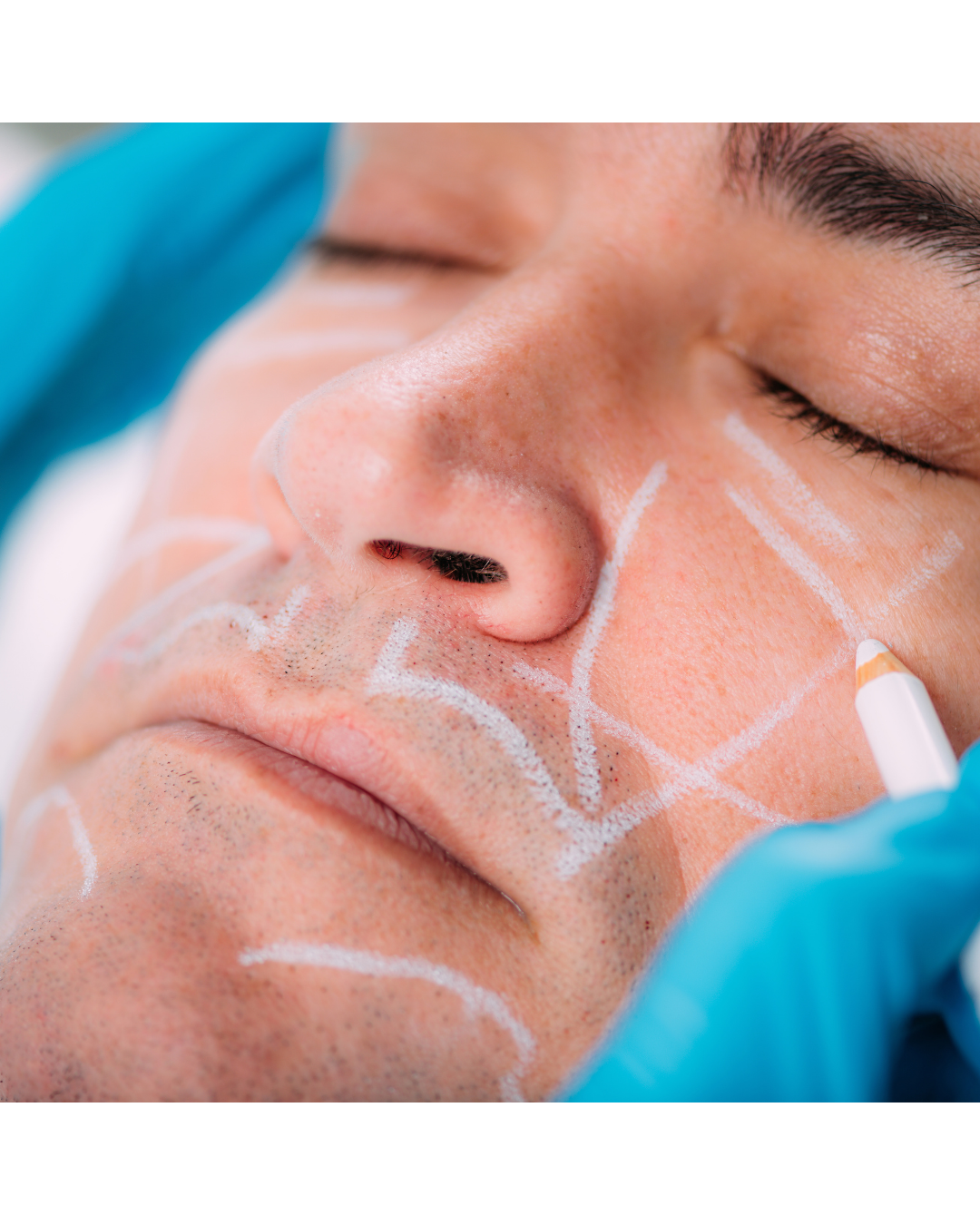
Why Injector Training & Experience Matter
Safe filler outcomes depend on:
Knowledge of facial anatomy
Experience with different filler types
Ability to recognize early warning signs
Preparedness to manage complications
Patients should feel comfortable asking about:
Training and experience
Treatment planning approach
Safety protocols

Denver-Specific Considerations for Filler Safety
Denver’s climate can affect:
Skin hydration
Swelling patterns
Healing response
In high-altitude environments, injectors may:
Use conservative volumes
Adjust treatment spacing
Emphasize hydration and aftercare
These considerations support safer, more predictable outcomes.

Common Myths About Filler Safety
Myth: Fillers are dangerous
Truth: Complications are rare when performed by trained professionals.
Myth: All fillers carry the same risk
Truth: Risk depends on placement, technique, and anatomy.
Myth: Overfilling is inevitable
Truth: Overfilling is a technique issue, not a requirement.
Educational Summary
Dermal filler safety is rooted in anatomical knowledge, conservative technique, and thoughtful treatment planning. When these principles are followed, fillers can restore structure and balance while preserving natural expression.
At Denver Dream Med Spa, filler treatments are approached with medical precision and respect for facial anatomy, prioritizing safety and long-term facial health.
Dermal Filler Education
Dermal Filler in Denver Dream Medspa

Under Eye Filler Education

Jawline Filler in Denver Dream Medspa

Cheek Filler Education

Jawline Filler Education

Chin Filler Education

Dermal Filler Results, Timeline and Longevity

Dermal Fillers vs Botox vs Biostimulators

Lip Filler Education

Join the Skin + Tox Club and Save on Dermal Fillers