

How Dermal Fillers Work
A Science-Based Education Guide to Facial Volume, Structure & Support
Dermal fillers are often described simply as “volume enhancers,” but that description only scratches the surface. In reality, dermal fillers work by interacting with the skin’s structure, underlying tissue, and natural aging processes.
This education page explains what dermal fillers are, how they function inside the skin, and why technique and anatomy matter more than the product name.

What Dermal Fillers Are Made Of
Most modern dermal fillers used in aesthetic medicine are made from hyaluronic acid (HA) — a substance that naturally exists in the body.
Hyaluronic acid:
Is found in skin, joints, and connective tissue
Attracts and retains water
Provides hydration, cushioning, and structure
In injectable form, hyaluronic acid is modified to:
Last longer in the body
Provide varying levels of firmness or flexibility
Integrate safely into tissue
How Dermal Fillers Work Inside the Skin
Dermal fillers work through three primary mechanisms:
1️⃣ Volume Restoration
As we age, we lose:
Bone density
Fat pads
Collagen and elastin
Fillers restore lost volume, helping to:
Rebuild facial support
Soften hollow areas
Improve balance and symmetry
2️⃣ Structural Support
Not all filler is used to “add volume.”
In many cases, filler is placed strategically to:
Support facial contours
Reinforce structural areas (cheeks, jawline, chin)
Reduce skin folding caused by collapse
This type of filler placement focuses on architecture, not fullness.
3️⃣ Hydration & Tissue Quality
Hyaluronic acid attracts water, which can:
Improve skin hydration
Enhance softness and elasticity
Support overall skin quality
This effect is subtle but contributes to natural-looking results.
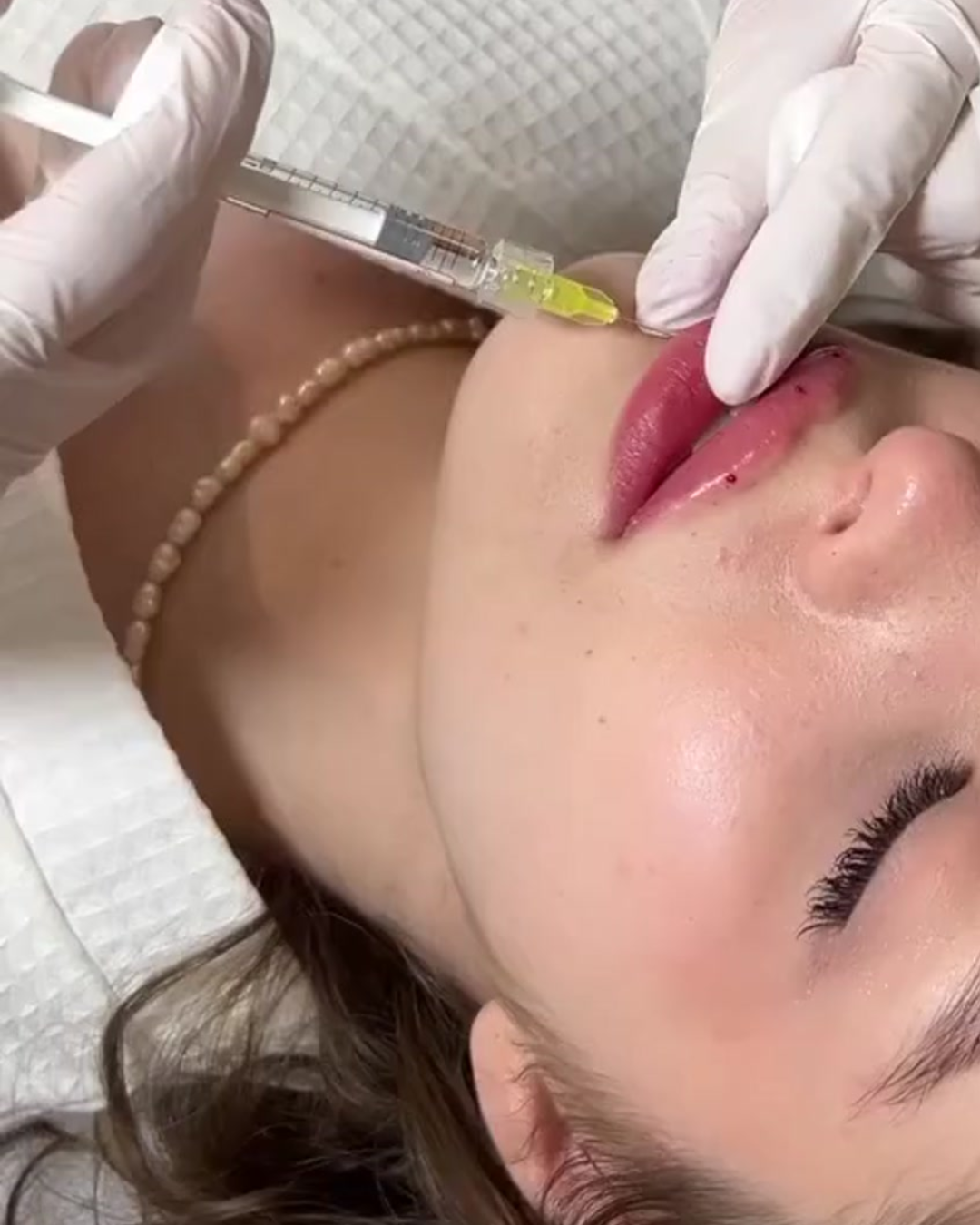
Where Dermal Fillers Are Placed Matters
Dermal fillers can be placed at different depths, depending on the goal:
Deep (near bone): for structure and support
Mid-dermal: for contour and volume
Superficial (select cases): for fine corrections
The depth of placement determines:
How the filler behaves
How natural the result looks
How long results last
This is why injector training and anatomical knowledge are critical.
Why Technique Matters More Than the Brand
Many filler brands exist, but results depend more on how fillers are used than which brand is chosen.
Key factors include:
Facial anatomy knowledge
Conservative dosing
Proper depth and placement
Understanding facial movement
Poor technique — not filler itself — is the most common cause of:
Overfilling
Migration
Unnatural appearance
Dermal Fillers Do Not “Freeze” the Face
Unlike neuromodulators (such as Botox), dermal fillers:
Do not stop muscle movement
Do not affect facial expression
Do not “paralyze” tissue
They work by supporting structure, not altering muscle activity.
👉 Related education: Dermal Fillers vs Botox vs Biostimulators
How Dermal Fillers Are Metabolized Over Time
Dermal fillers are temporary.
Over time:
The body gradually breaks down hyaluronic acid
Filler is absorbed naturally
Results soften and fade gradually
Longevity varies by:
Treatment area
Filler type
Metabolism
Facial movement
👉 Related education: Dermal Filler Results Timeline & Longevity

What Dermal Fillers Do NOT Do
From an educational standpoint, dermal fillers:
Do not stop aging
Do not replace surgery for severe laxity
Do not permanently change facial anatomy
Do not work the same in every area
Understanding these limitations is key to realistic expectations.
Safety & Reversibility
One advantage of hyaluronic acid fillers is that they are:
Biocompatible
Reversible when medically indicated
Reversibility allows providers to:
Adjust results if needed
Address complications
Maintain a conservative treatment philosophy
👉 Related education: Dermal Filler Safety & Facial Anatomy

Denver-Specific Considerations
In Denver’s high-altitude, low-humidity environment:
Skin dehydration can affect perceived volume
Swelling patterns may differ
Conservative dosing is especially important
Treatment planning accounts for Colorado skin conditions to support natural outcomes.

Common Myths About How Fillers Work
Myth: Fillers stretch the skin permanently
Truth: Properly placed filler supports tissue without stretching it.
Myth: Fillers migrate on their own
Truth: Migration is primarily related to technique and overfilling.
Myth: More filler means better results
Truth: Conservative placement produces the most natural outcomes.

Educational Summary
Dermal fillers work by restoring volume, reinforcing structure, and supporting tissue hydration. Their success depends on anatomical understanding, precise placement, and conservative treatment planning — not trends or filler volume alone.
At Denver Dream Med Spa, filler treatments are approached as structural facial support, not cosmetic overcorrection.
Who Is a Good Candidate for Dermal Fillers?
Dermal fillers may be right for you if you:
Notice volume loss or facial sagging
Want enhanced definition or contour
Prefer non-surgical rejuvenation
Desire customized, natural results
A consultation ensures proper product selection and placement.
Dermal Filler FAQs
-
Depending on the product and area, results may last 6–18 months.
-
Our approach prioritizes subtle enhancement and facial balance.
-
Mild swelling or bruising is possible but typically short-lived.

Dermal Filler Education

Dermal Filler in Denver Dream Medspa

Under Eye Filler Education

Jawline Filler in Denver Dream Medspa

Cheek Filler Education

Jawline Filler Education

Chin Filler Education

Dermal Filler Results, Timeline and Longevity

Dermal Fillers vs Botox vs Biostimulators

Lip Filler Education

Join the Skin + Tox Club and Save on Dermal Fillers