

Understanding Tear Trough Anatomy, Candidacy & Safety Considerations
Under-Eye Filler Education
Under-eye filler (often called tear trough filler) is one of the most delicate and technically demanding injectable treatments in aesthetic medicine. While it can improve the appearance of hollowness and shadowing in select candidates, it also carries higher risk than many other filler areas.
This education page explains how under-eye filler works, who is an appropriate candidate, and why anatomy, technique, and conservative decision-making are critical for safety and natural results.
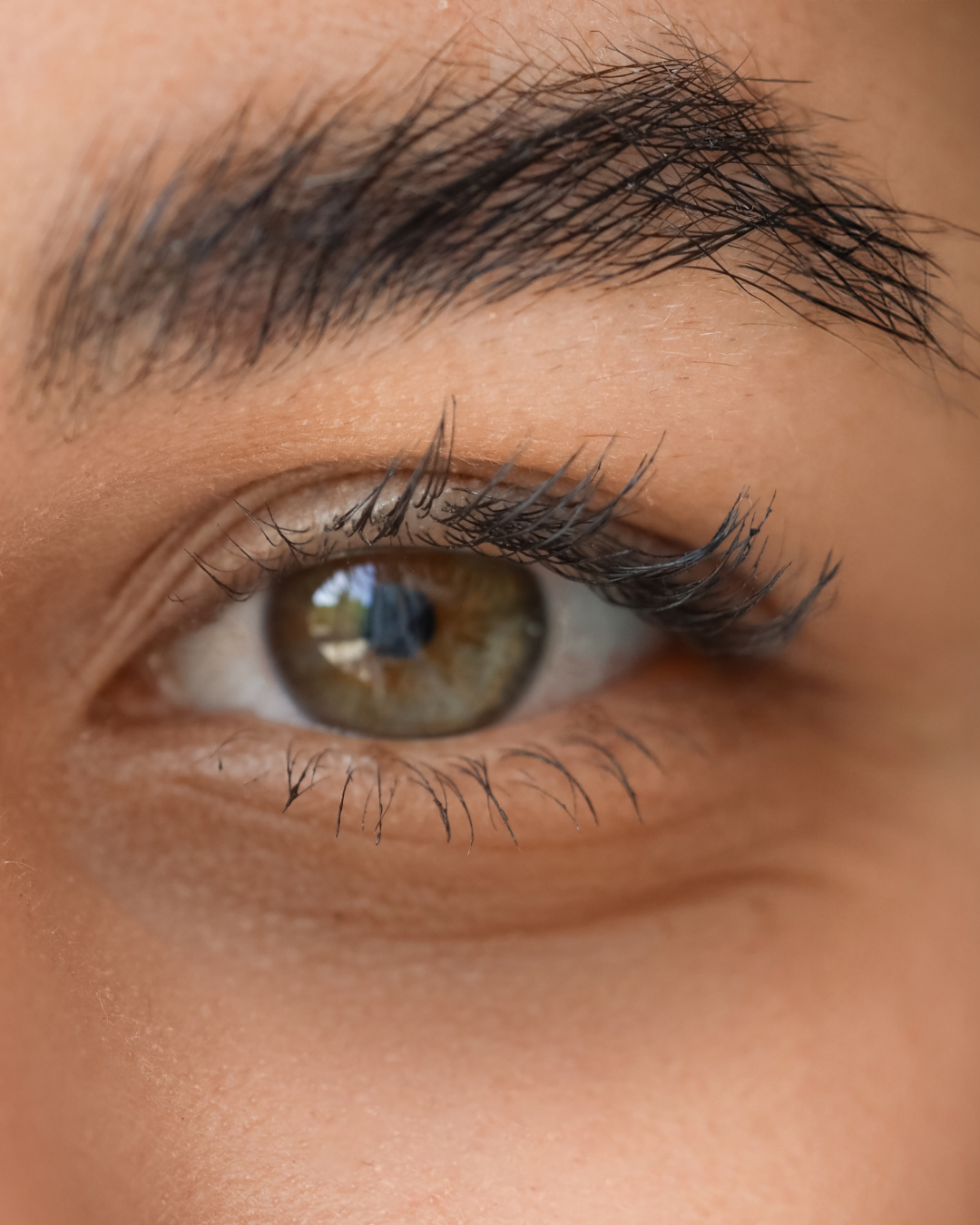
Understanding the Under-Eye (Tear Trough) Area
The under-eye region is structurally complex and fragile.
Key characteristics include:
Extremely thin skin
Minimal subcutaneous fat
Dense vascular network
Proximity to lymphatic drainage pathways
Constant facial movement
Because of these factors, even small amounts of filler can have a significant visual and functional impact.
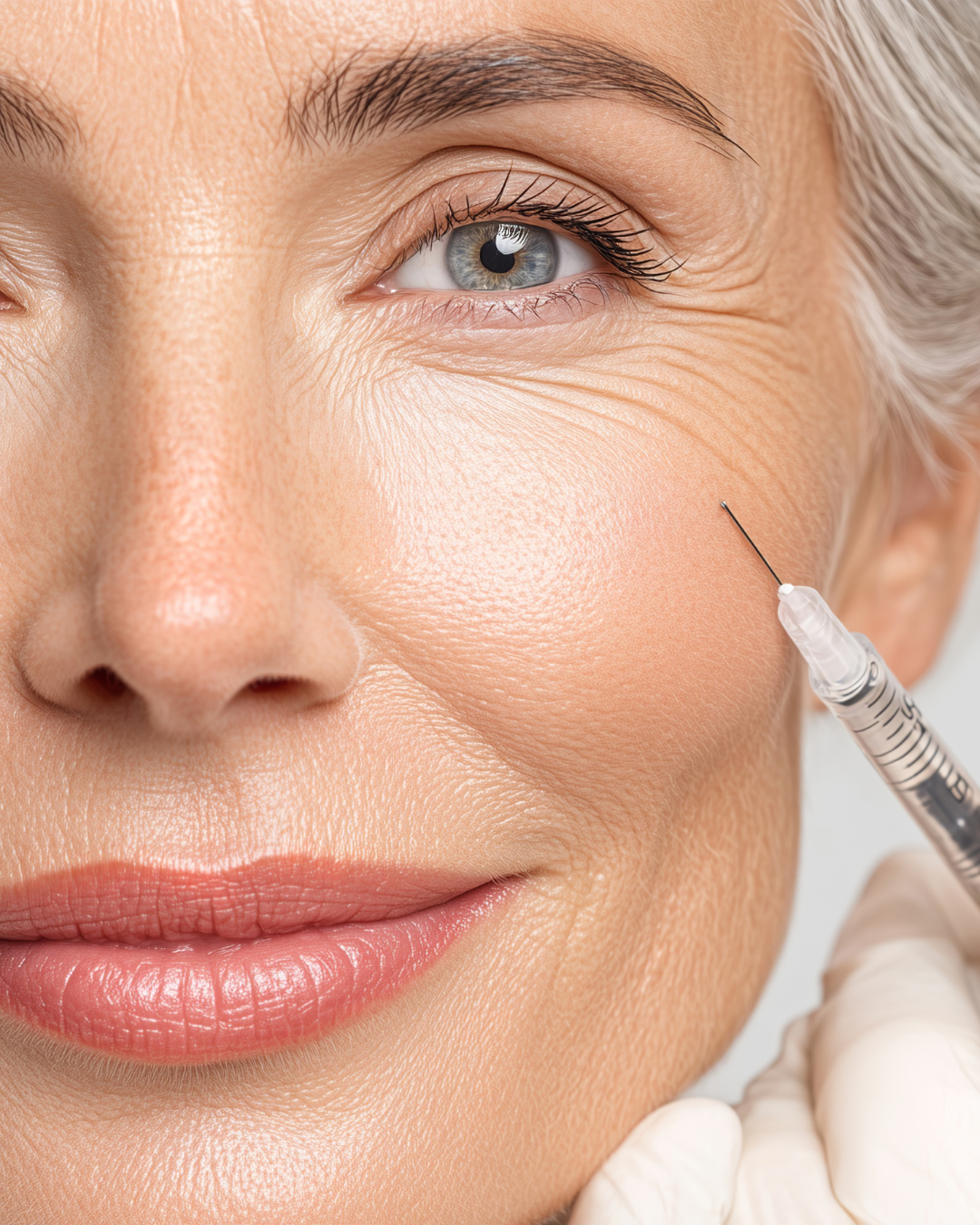
What Causes Under-Eye Hollowness & Shadowing
Dark circles and under-eye hollowing are often caused by a combination of:
Volume loss along the orbital rim
Bone resorption with aging
Thinning skin that reveals underlying structures
Genetic anatomy
Tear trough depth
Importantly, not all dark circles are caused by volume loss, which is why filler is not always appropriate.
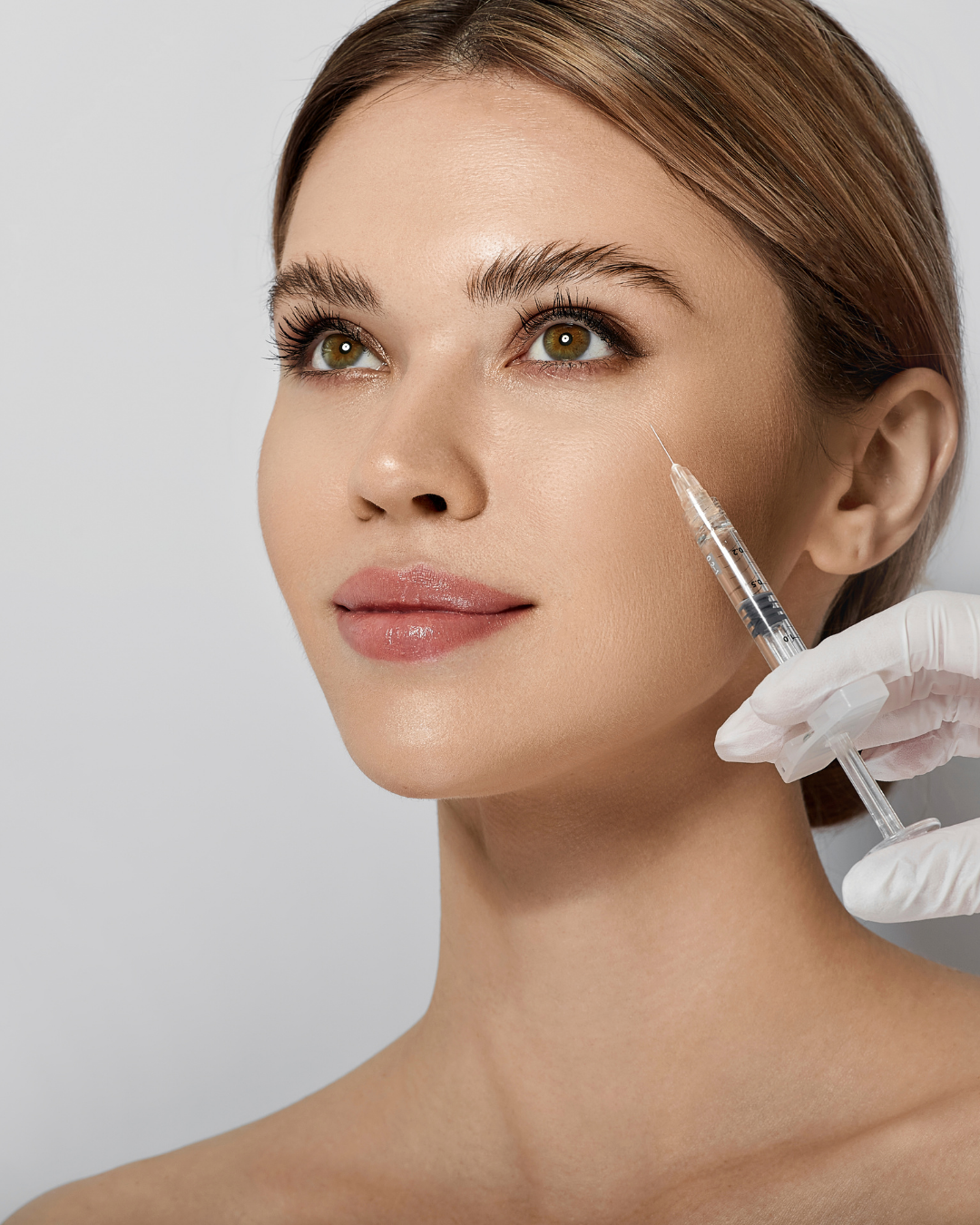
How Under-Eye Filler Works (When Appropriate)
Under-eye filler is typically placed deep, often near the bone, to:
Support the tear trough hollow
Reduce shadowing created by depth
Create a smoother transition between the lower eyelid and cheek
The goal is structural support, not volume expansion.
👉 Related education: How Dermal Fillers Work
Why Under-Eye Filler Is Considered Higher Risk
Compared to other areas, the tear trough has:
Limited space for filler
Higher risk of visible irregularities
Increased risk of vascular compromise
Higher likelihood of prolonged swelling
For these reasons, under-eye filler requires:
Advanced anatomical knowledge
Conservative product selection
Precise depth placement
Willingness to say “no” when appropriate
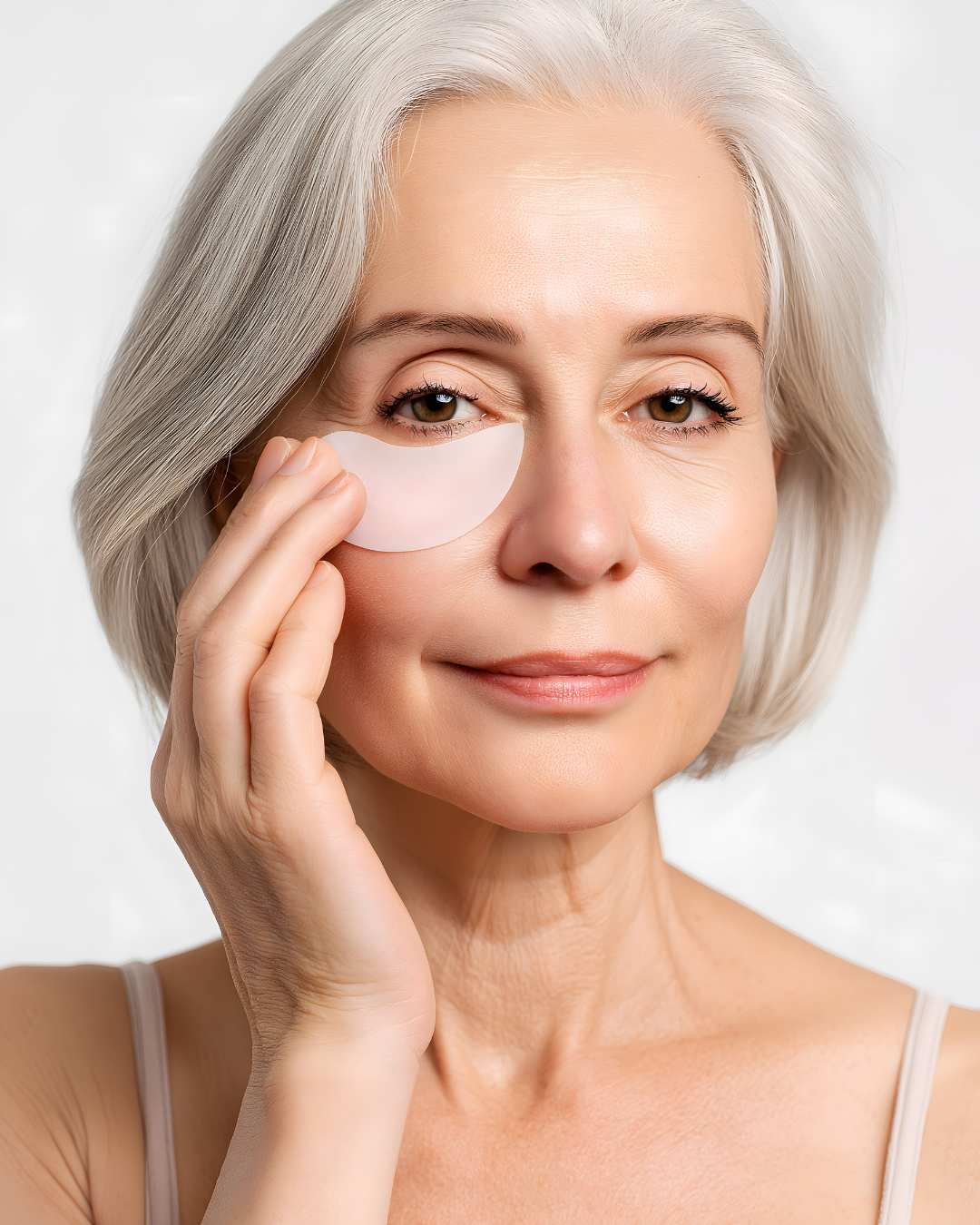
Candidacy: Who Is a Good Candidate for Under-Eye Filler
Under-eye filler may be appropriate for individuals with:
True tear trough hollowing
Good skin elasticity
Minimal under-eye puffiness
Stable anatomy
Realistic expectations
Even in ideal candidates, subtle correction is the goal.
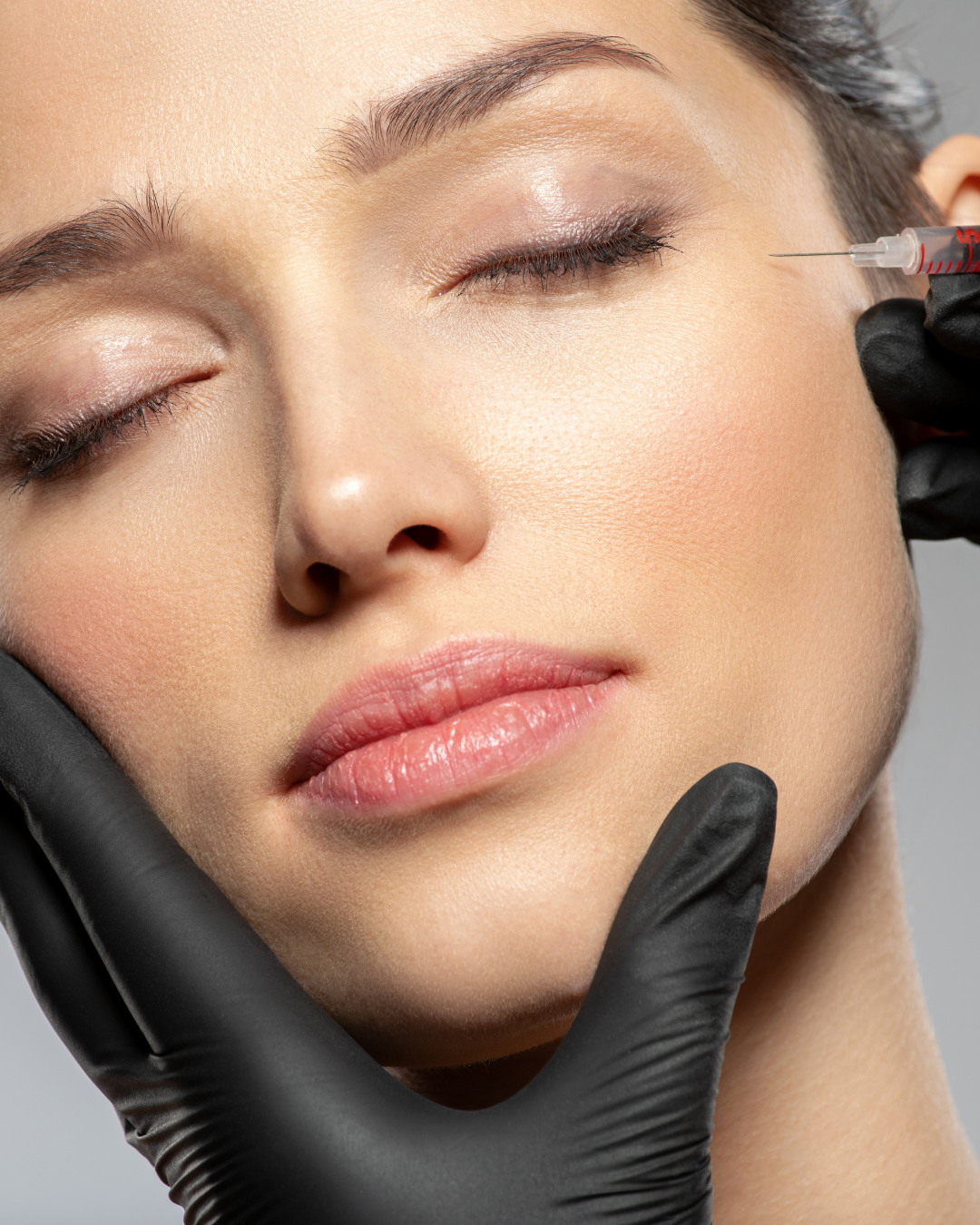
Who Is NOT a Good Candidate
Under-eye filler is often not recommended for individuals with:
Significant under-eye bags
Fluid retention or lymphatic congestion
Thin, lax skin with crepiness
Hyperpigmentation without volume loss
Unrealistic expectations
In these cases, filler may worsen appearance rather than improve it.

Why Overfilling the Under-Eye Is Especially Problematic
Overfilling can lead to:
Persistent swelling
Visible lumps or unevenness
Bluish discoloration (Tyndall effect)
Distorted lower eyelid anatomy
Unlike other areas, under-eye filler complications may last longer and be more noticeable, which is why conservative dosing is essential.
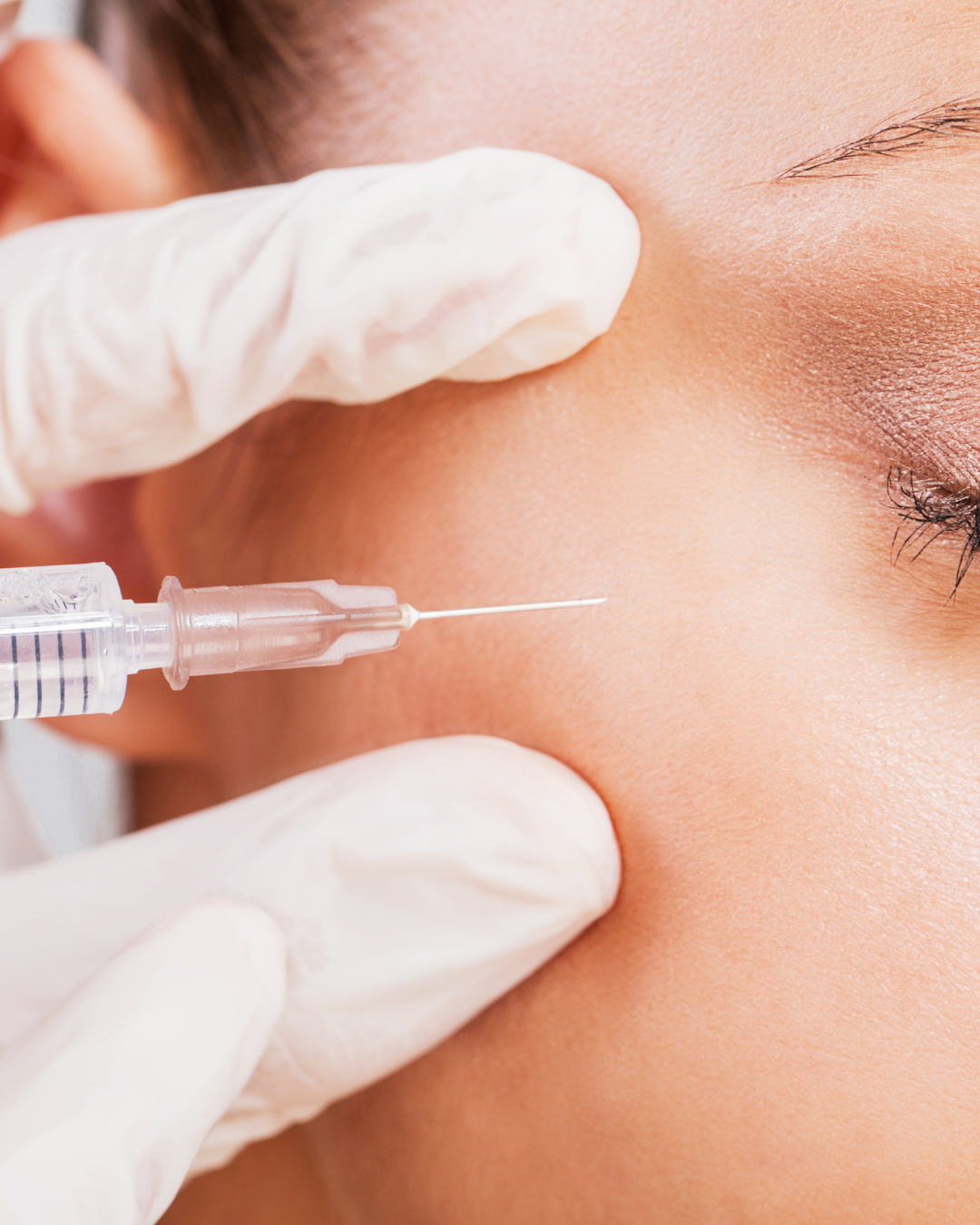
Product Selection Matters
Not all fillers are appropriate for the under-eye.
Safe under-eye filler selection prioritizes:
Low water attraction
Smooth integration
Minimal swelling potential
Product choice is based on tissue behavior, not brand popularity.
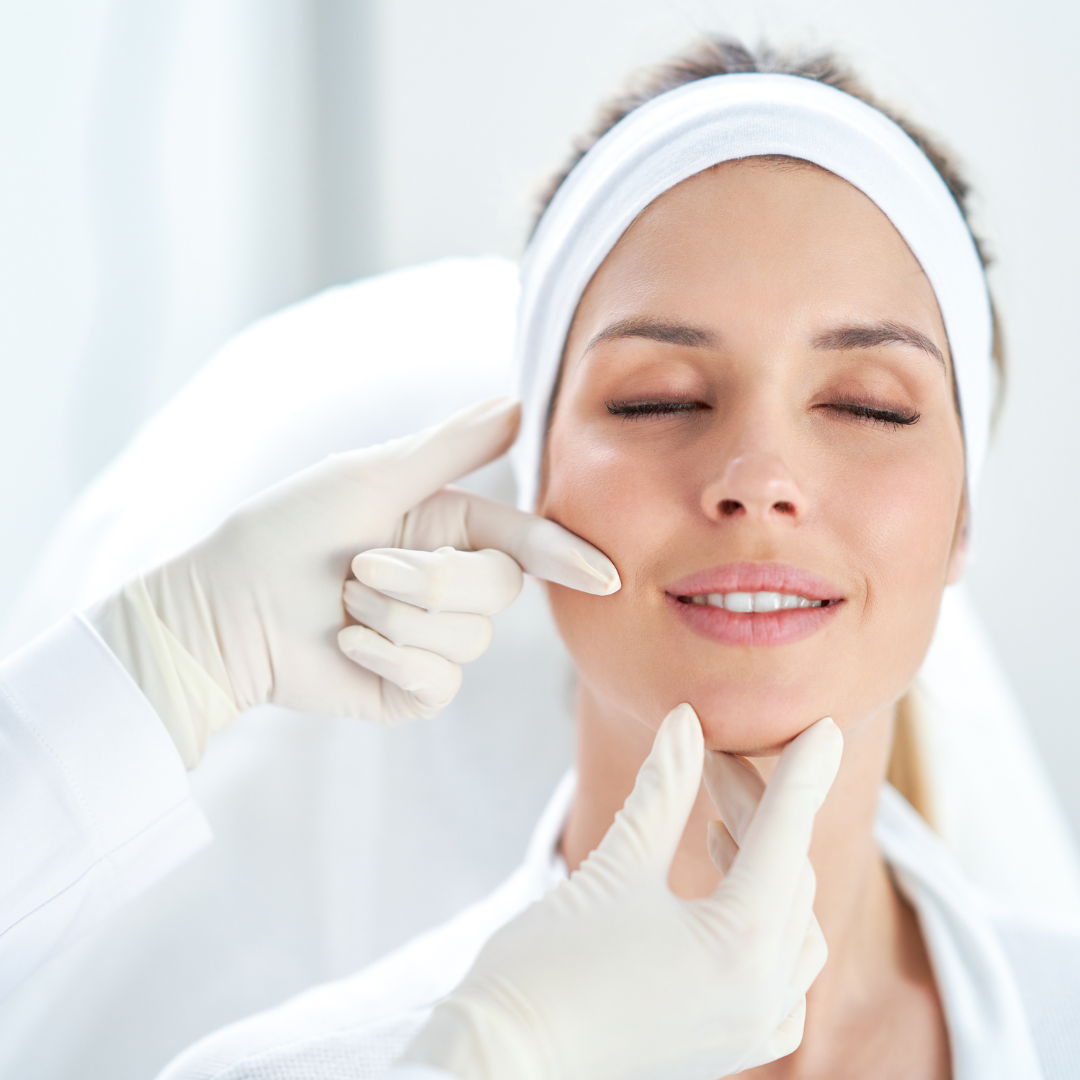
Cannula vs Needle in the Tear Trough
Both tools may be used depending on anatomy and provider preference.
Safety depends on:
Understanding vascular pathways
Correct plane selection
Gentle, controlled technique
There is no universally “risk-free” method — experience matters most.
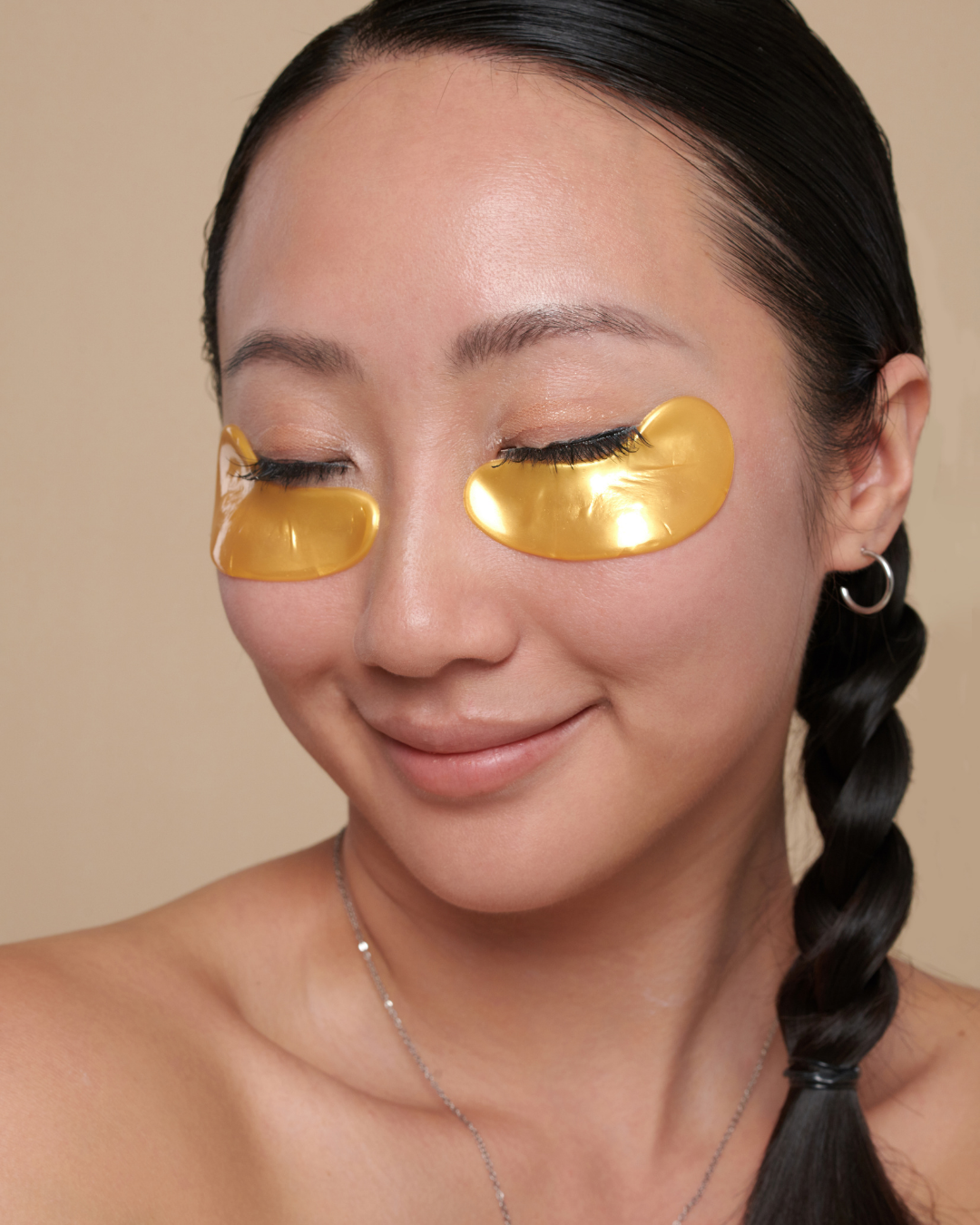
Swelling & Results Timeline for Under-Eye Filler
Under-eye filler often:
Swells more than other areas
Takes longer to fully settle
Requires patience before assessing results
Final results may take several weeks to fully stabilize.
👉 Related education: Dermal Filler Results Timeline & Longevity
Reversibility & Safety Planning
One advantage of hyaluronic acid fillers is reversibility when medically indicated.
This adds:
An extra layer of safety
Flexibility in conservative treatment planning
Ability to address complications if needed
Reversibility does not replace proper technique, but it is an important safeguard.

Common Myths About Under-Eye Filler
Myth: Under-eye filler is simple
Truth: It is one of the most technically demanding filler treatments.
Myth: Everyone with dark circles needs filler
Truth: Many dark circles are not volume-related.
Myth: More filler equals better correction
Truth: Subtle support produces the safest, most natural results.

Denver-Specific Considerations
In Denver’s high-altitude environment:
Swelling may be more pronounced
Dehydration can exaggerate hollowness
Conservative dosing is especially important
Hydration and aftercare play a significant role in outcomes.
Educational Summary
Under-eye filler can be effective only in carefully selected candidates and when performed with advanced anatomical knowledge and conservative technique. It is not a universal solution for dark circles or under-eye aging.
At Denver Dream Med Spa, under-eye filler decisions prioritize safety, candidacy, and long-term tissue health — even when that means recommending alternative treatments.
Dermal Filler Education
Dermal Filler in Denver Dream Medspa
Under Eye Filler Education

Jawline Filler in Denver Dream Medspa

Cheek Filler Education

Jawline Filler Education

Chin Filler Education

Dermal Filler Results, Timeline and Longevity
Dermal Fillers vs Botox vs Biostimulators

Lip Filler Education

Join the Skin + Tox Club and Save on Dermal Fillers
Let’s Work Together On Making Your Beauty Dreams Come True