

Understanding Midface Volume Loss, Structural Support & Natural Contour
Cheek Filler Education
Cheek filler is often misunderstood as a treatment used to create “high cheekbones” or dramatic contour. In reality, when performed correctly, cheek filler is a structural support treatment designed to restore midface volume, improve facial balance, and support surrounding areas — not simply add fullness.
This education page explains how cheek filler works, why the midface is foundational to facial aging, and how conservative placement creates natural, long-lasting results.

Why the Cheeks Are Central to Facial Structure
The midface plays a critical role in overall facial appearance.
With aging, the cheeks experience:
Bone resorption
Fat pad descent and loss
Reduced structural support
Increased skin laxity
As cheek support diminishes, it contributes to:
Flattened facial contours
Deepening nasolabial folds
Under-eye hollowing
Loss of youthful facial shape
Cheek filler is often used to restore this lost foundation.
How Cheek Filler Works
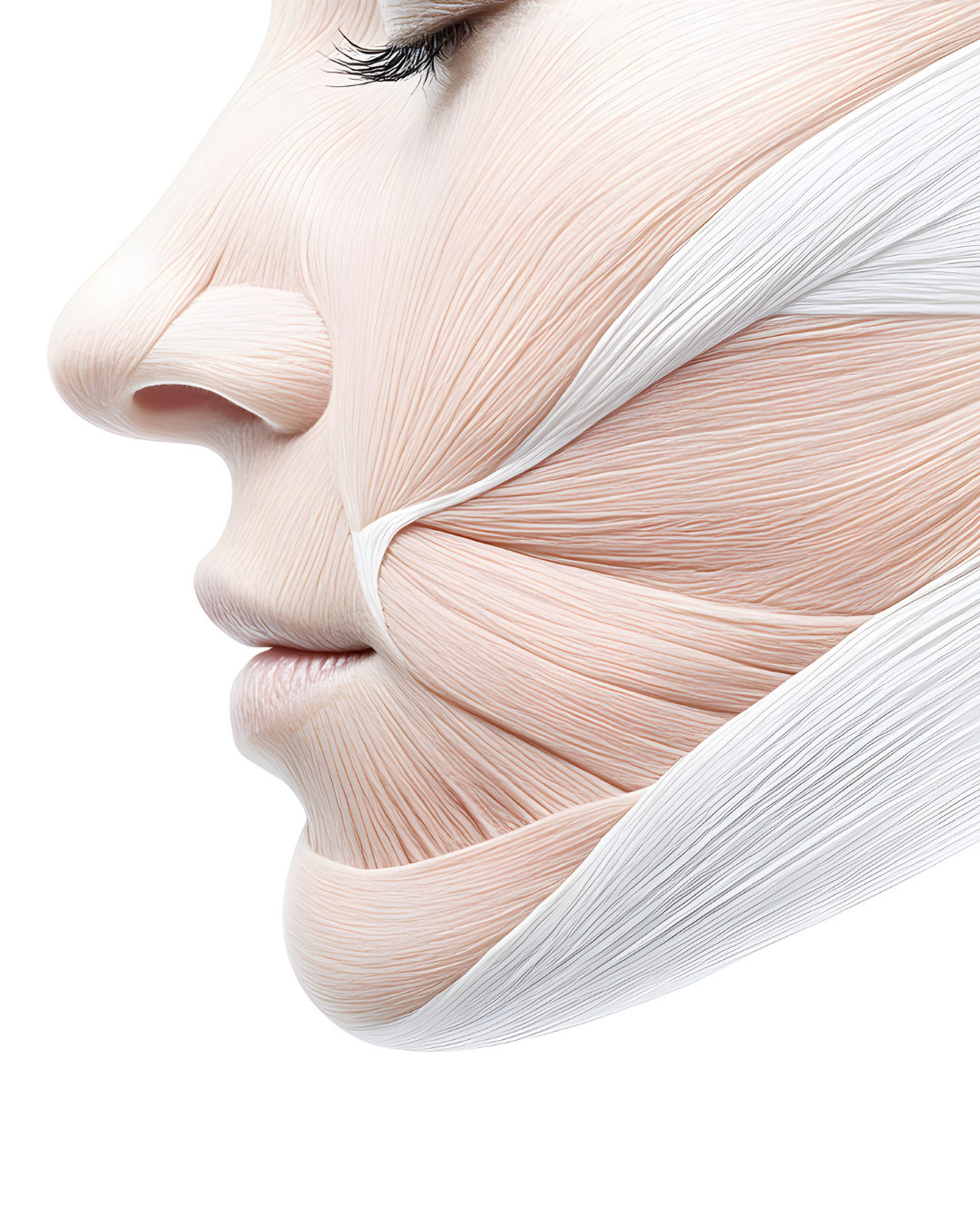
Cheek filler is typically made from hyaluronic acid and placed at strategic depths to provide support rather than superficial volume.
Cheek filler works by:
Replacing lost structural volume
Supporting overlying skin and tissue
Improving facial balance and proportion
Reducing the appearance of sagging indirectly
👉 Related education: How Dermal Fillers Work
Structural Support vs Cosmetic Fullness
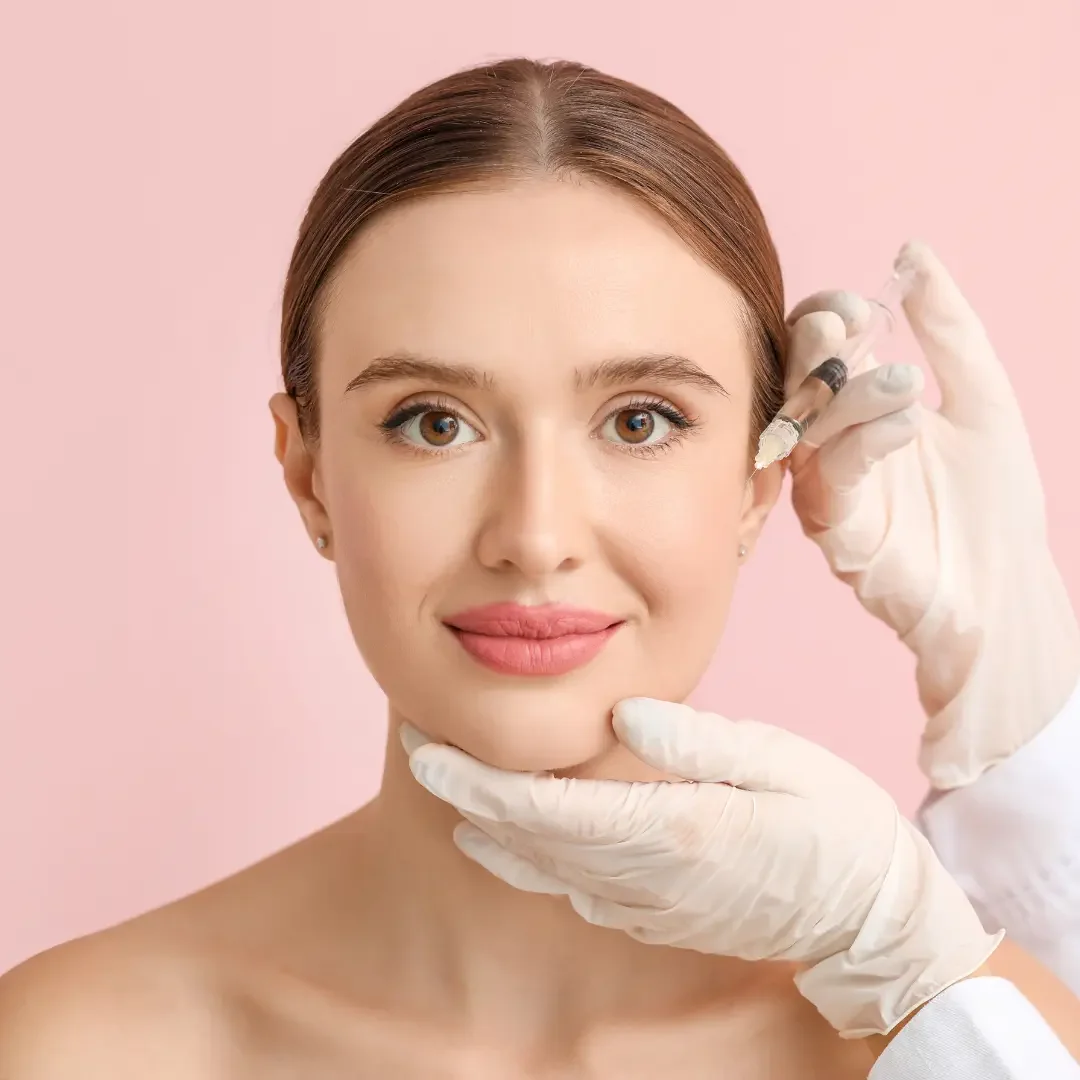
Natural cheek filler focuses on support, not puffiness.
Structural cheek filler:
Is placed deeper (often near bone)
Restores framework
Improves contour without obvious fullness
Overfilled cheeks often result from:
Superficial placement
Excess product
Treating cheeks as a cosmetic focal point rather than a support zone
The goal is lift and balance — not roundness.

Where Cheek Filler Is Placed
Cheek filler may be placed in:
Deep fat compartments
Along the cheekbone (malar region)
Structural support points of the midface
Depth and placement determine:
How natural the result looks
How long filler lasts
How it supports adjacent areas (under-eyes, folds)

How Cheek Filler Affects Other Areas
One benefit of proper cheek support is its indirect improvement of nearby concerns.
Cheek filler may:
Reduce the appearance of nasolabial folds
Improve under-eye shadowing
Enhance facial symmetry
Restore youthful facial proportions
This is why cheeks are often treated before folds or under-eye areas.

Cheek Filler Safety Considerations
The cheek area contains important:
Blood vessels
Nerves
Fat compartments
Safe cheek filler requires:
Detailed anatomical knowledge
Correct depth selection
Conservative dosing
Avoidance of superficial overfilling
👉 Related education: Dermal Filler Safety & Facial Anatomy

Who Is a Good Candidate for Cheek Filler
Cheek filler may be appropriate for individuals with:
Midface volume loss
Flattened cheek contours
Early facial sagging
Desire for facial balance (not dramatic projection)
Cheek filler is often part of a holistic facial plan, not a standalone cosmetic enhancement.

Who May Not Be a Good Candidate
Cheek filler may not be appropriate for individuals with:
Naturally full or heavy midfaces
Significant facial swelling or fluid retention
Unrealistic expectations of dramatic contour
Facial anatomy that does not benefit from added support
A conservative consultation is essential.

Cheek Filler Longevity
Cheek filler often lasts longer than filler in highly mobile areas.
Typical longevity:
12–18 months
Sometimes longer depending on placement and metabolism
Structural placement tends to metabolize more slowly than superficial filler.
👉 Related education: Dermal Filler Results Timeline & Longevity
Why Overfilling the Cheeks Causes an Unnatural Look
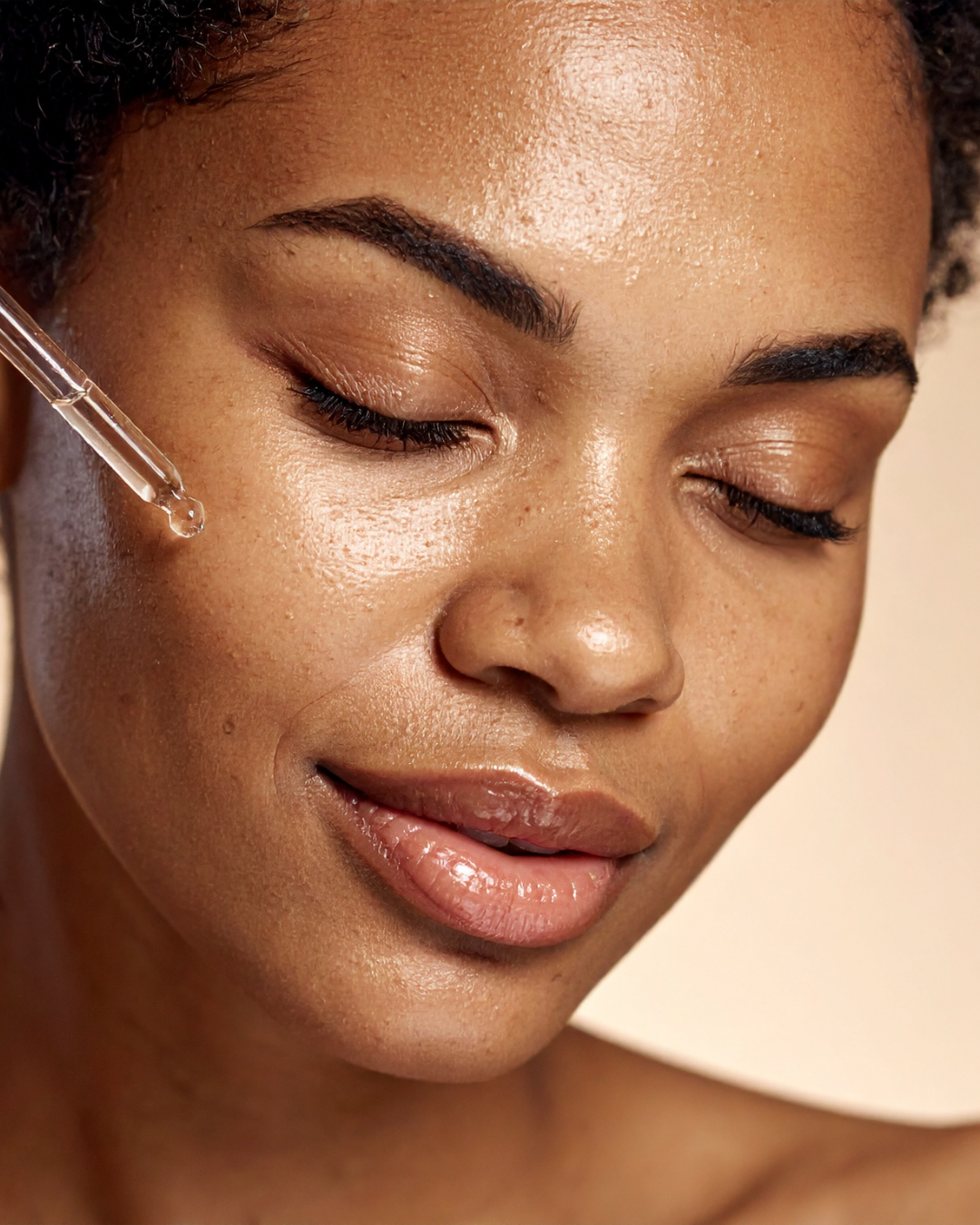
Overfilled cheeks may:
Appear heavy or puffy
Distort facial proportions
Create a “top-heavy” appearance
Exaggerate aging rather than correct it
Natural cheek filler prioritizes restoration, not augmentation.

Common Cheek Filler Myths
Myth: Cheek filler is only for contour
Truth: Its primary purpose is structural support.
Myth: More filler means more lift
Truth: Lift comes from placement, not volume.
Myth: Cheek filler always looks obvious
Truth: Properly placed filler is subtle and supportive.

Denver-Specific Considerations
In Denver’s high-altitude environment:
Dehydration can exaggerate midface hollowing
Conservative dosing prevents prolonged swelling
Skin quality affects perceived volume
Hydration and gradual treatment planning are especially important.
Educational Summary
Cheek filler is a foundational structural treatment, not a cosmetic shortcut. When placed conservatively and anatomically, it restores midface support, improves facial balance, and enhances overall harmony without looking overdone.
At Denver Dream Med Spa, cheek filler is approached as a supportive, anatomy-first treatment, designed to preserve natural facial proportions and long-term skin health.
Jawline and Dermal Filler Education

Dermal Filler in Denver Dream Medspa
Under Eye Filler Education
Jawline Filler in Denver Dream Medspa

Cheek Filler Education

Jawline Filler Education
Chin Filler Education

Dermal Filler Results, Timeline and Longevity
Dermal Fillers vs Botox vs Biostimulators

Lip Filler Education

Join the Skin + Tox Club and Save on Dermal Fillers