
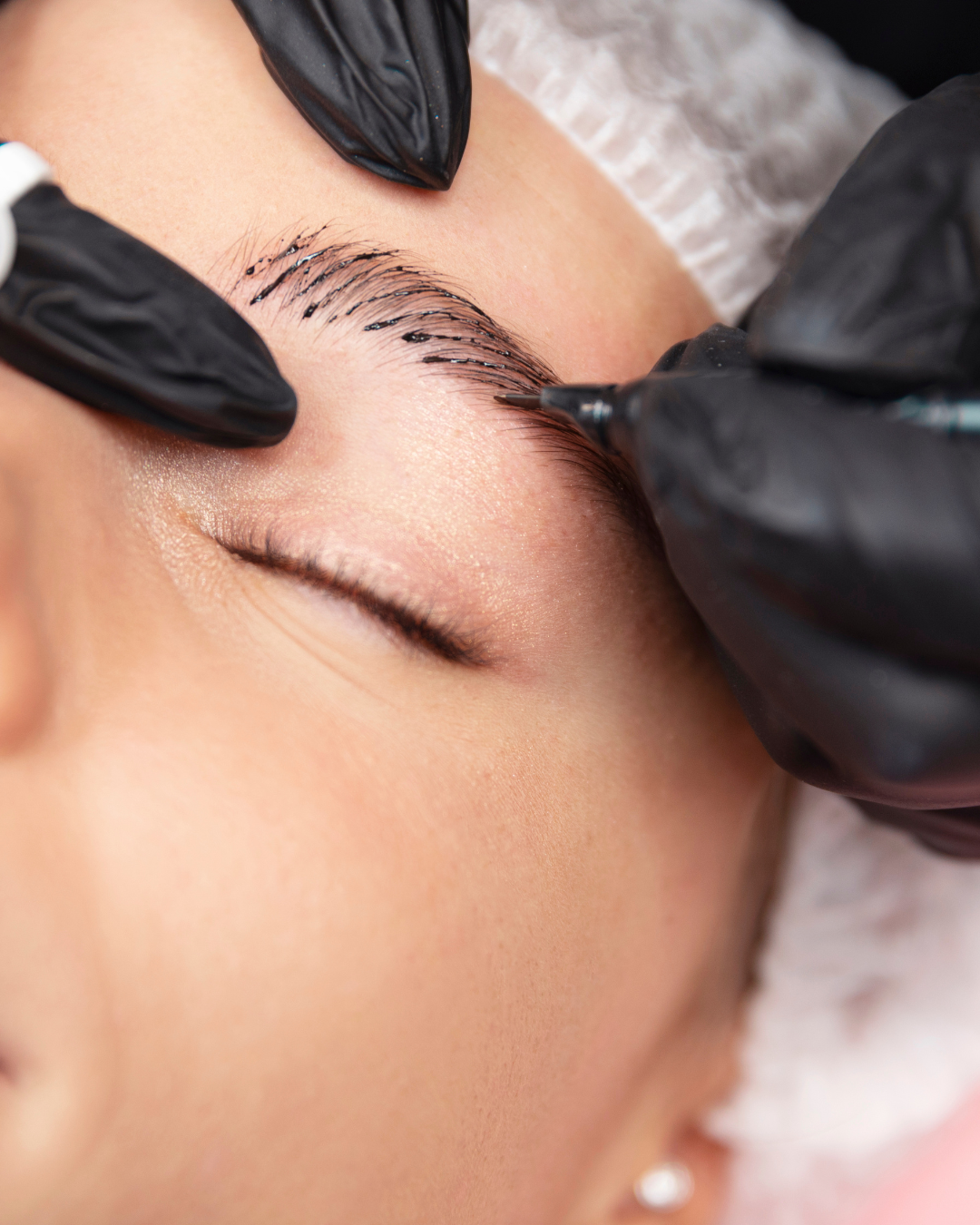
PMU Scarring & Skin Trauma Education
Understanding Skin Injury Risk in Permanent Makeup Procedures
Permanent makeup (PMU) is a skin-penetrating cosmetic procedure. While modern techniques are designed to be minimally invasive, improper method, depth, or repeated trauma can cause skin damage or scarring — particularly when techniques are not matched appropriately to skin type.
This education page explains how skin trauma occurs in PMU, what increases scarring risk, and why conservative, machine-based techniques are safer for long-term skin health.
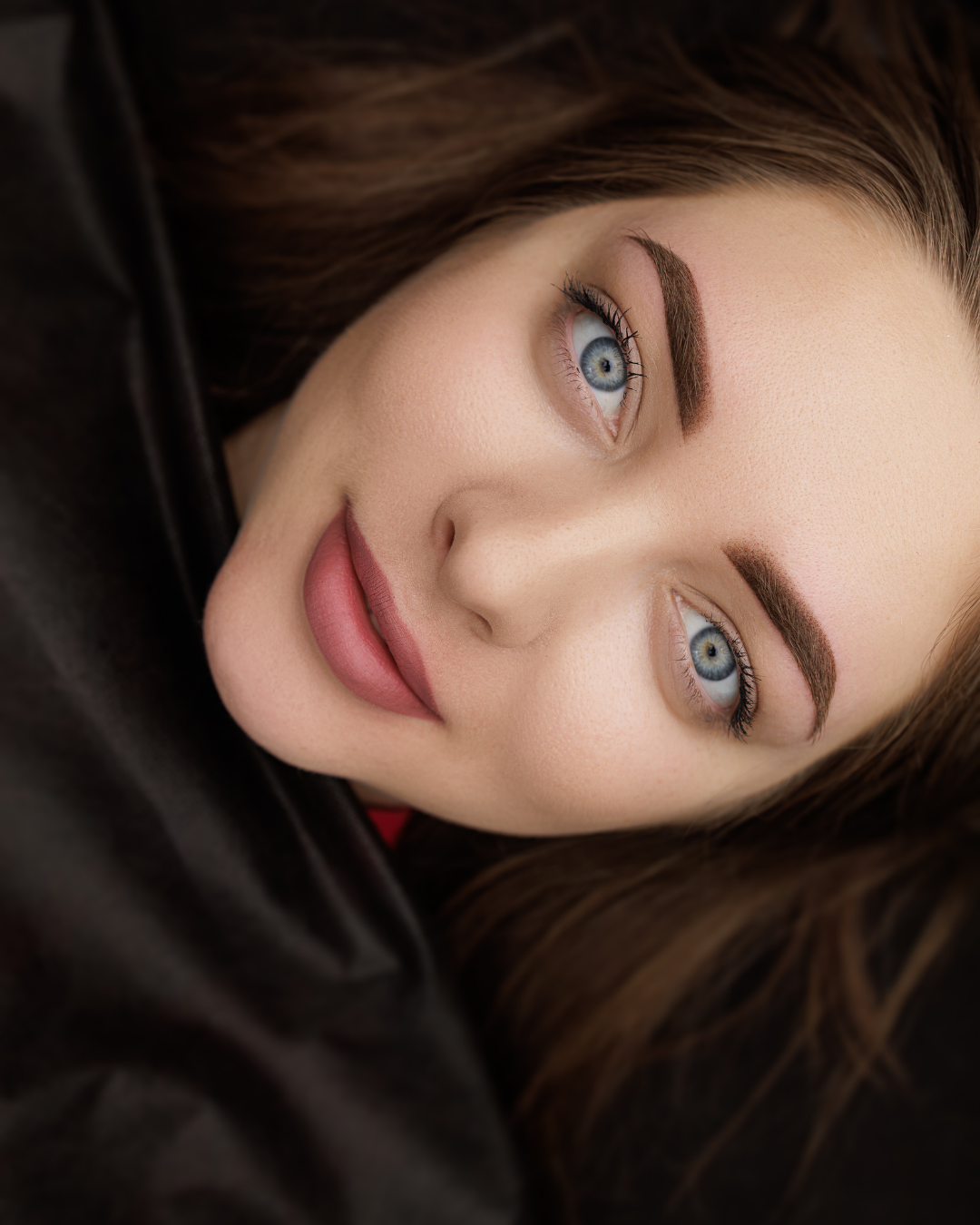
How the Skin Responds to PMU
During PMU:
Pigment is implanted into the upper layers of the skin
The body initiates a healing response
Inflammation and tissue repair begin immediately
When performed correctly, the skin heals smoothly, and pigment settles evenly.
When trauma is excessive, healing can result in fibrosis (scar tissue), texture changes, or pigment distortion.
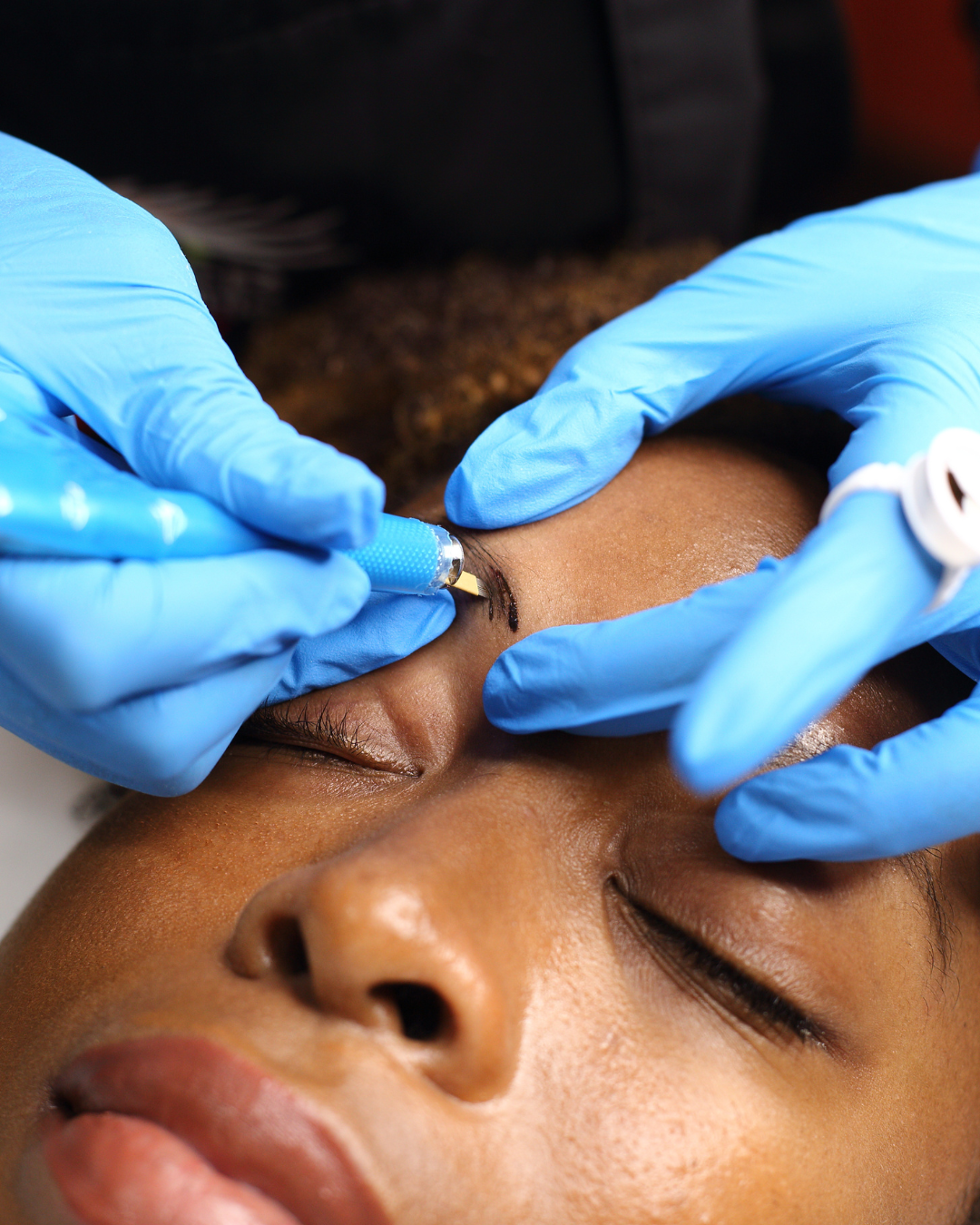
What Causes Skin Trauma in PMU
Skin trauma occurs when:
Pigment is implanted too deeply
The same area is passed over repeatedly
Manual cutting techniques are used aggressively
Skin type is not considered
Pressure and depth are inconsistent
Trauma is cumulative — repeated injury over time increases long-term risk.
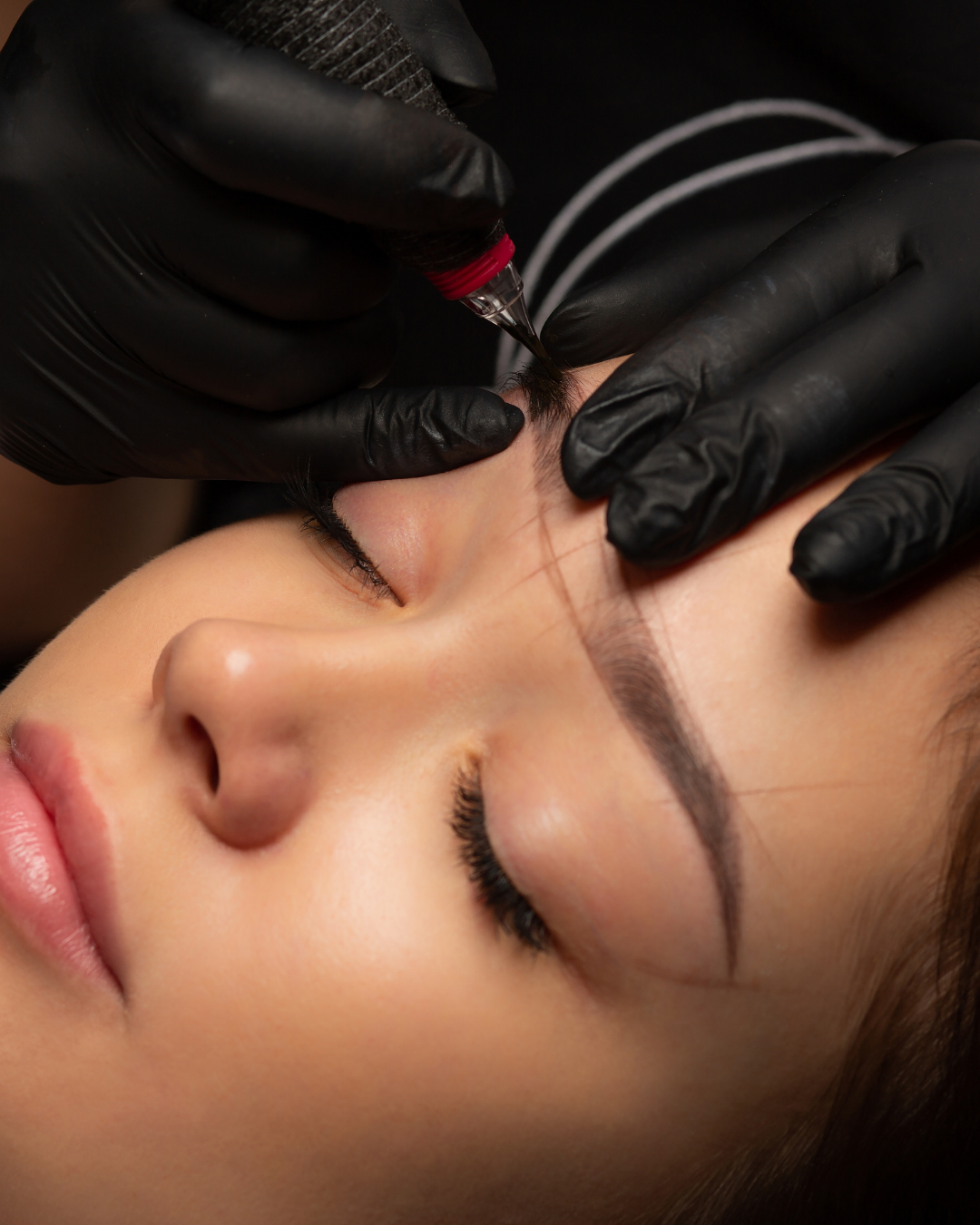
Understanding PMU-Related Scarring
PMU scarring does not always appear as obviously raised scars.
It may present as:
Subtle texture changes
Thickened or shiny skin
Uneven pigment retention
Blurred strokes that worsen with time
Difficulty accepting future pigment
Once scar tissue forms, the skin behaves differently and becomes less predictable.
Why Manual Blading Techniques Carry Higher Risk
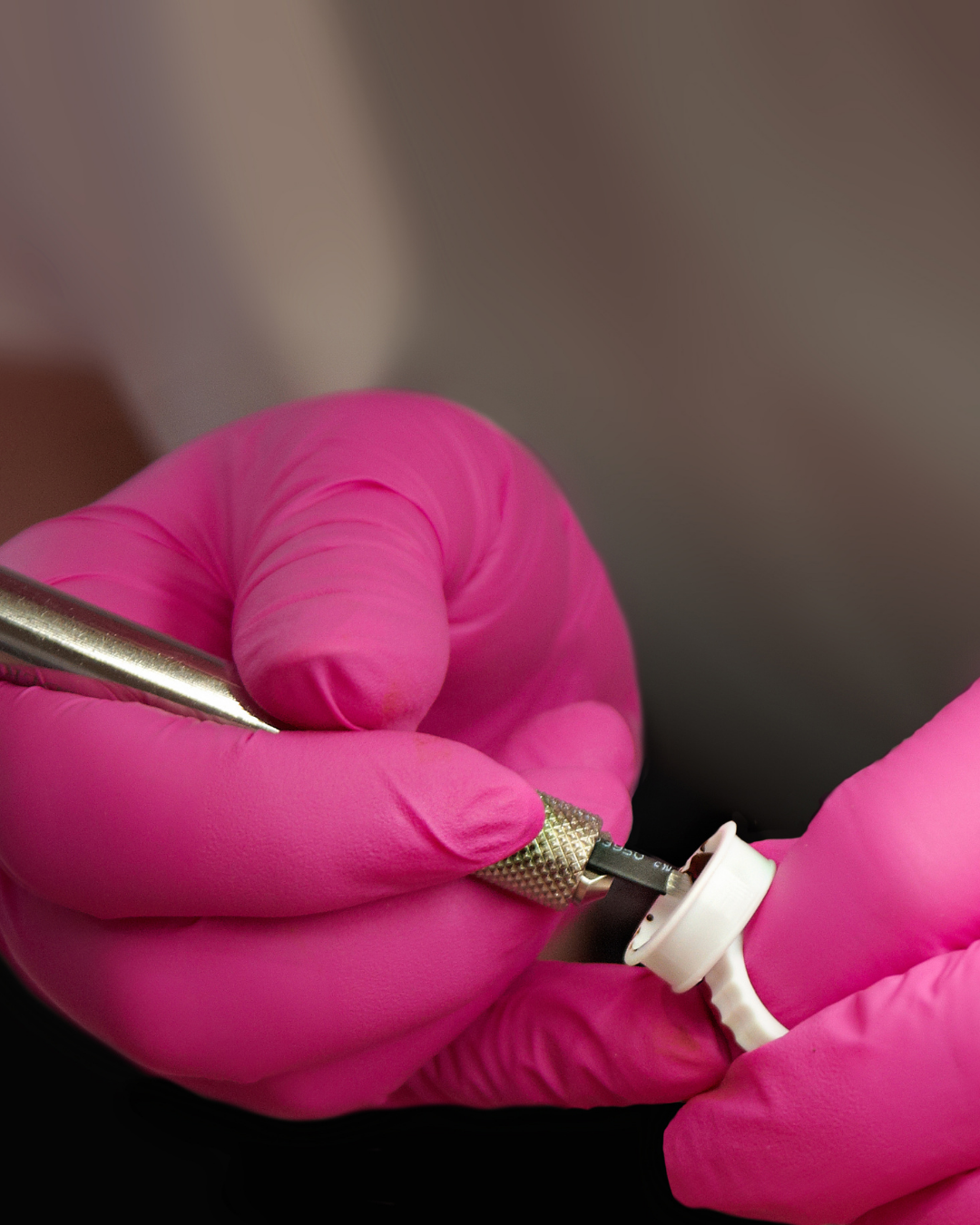
Techniques such as microblading involve:
Multiple needles grouped into a blade
Manual pressure to create cuts in the skin
Larger surface trauma per stroke
This increases the likelihood of:
Fibrotic healing
Stroke blurring
Long-term pigment distortion
Limited correction options
For many skin types, repeated cutting is not compatible with healthy long-term skin outcomes.
👉 Related education: Microblading vs NanoBrows
Why Machine-Based Techniques Reduce Trauma
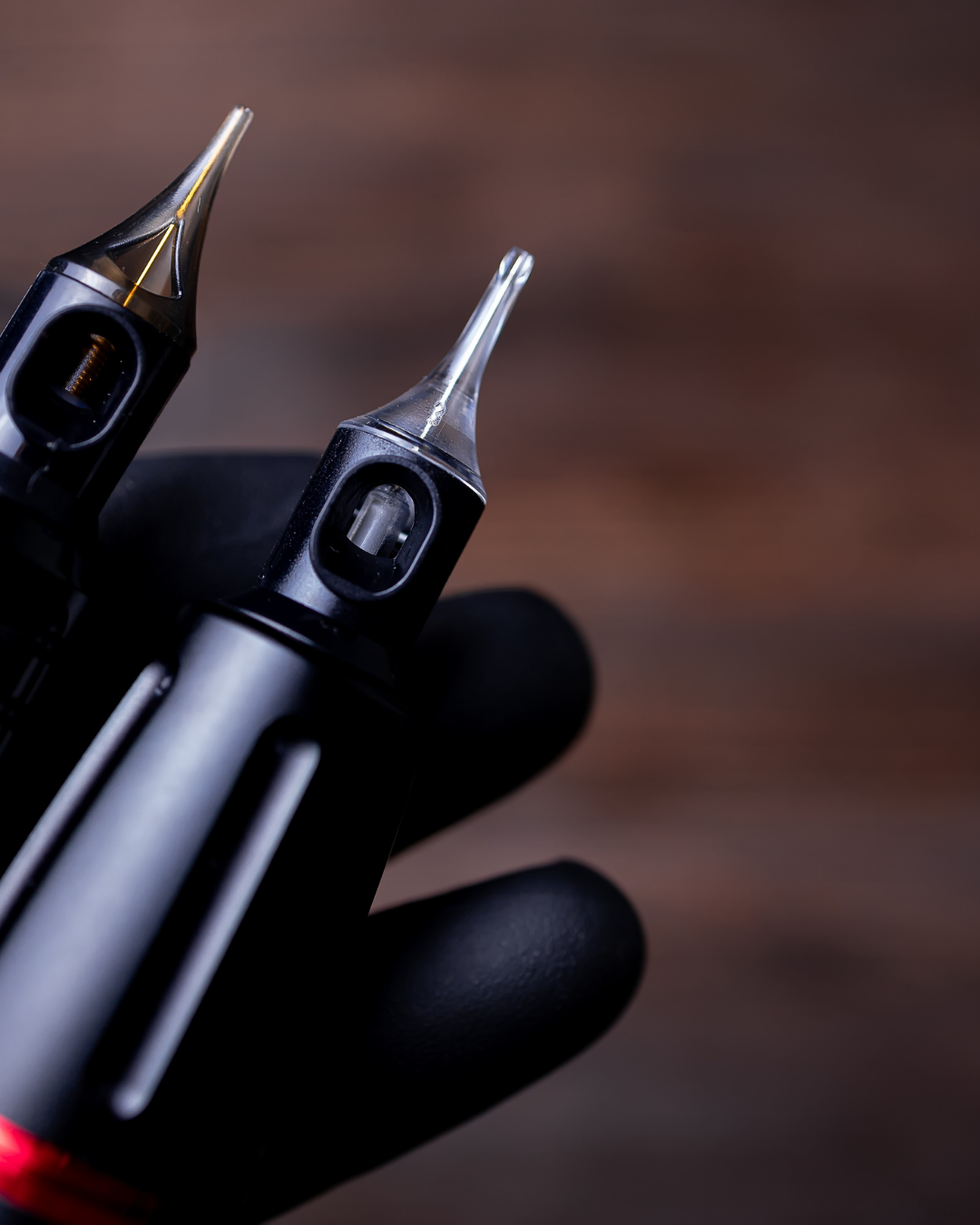
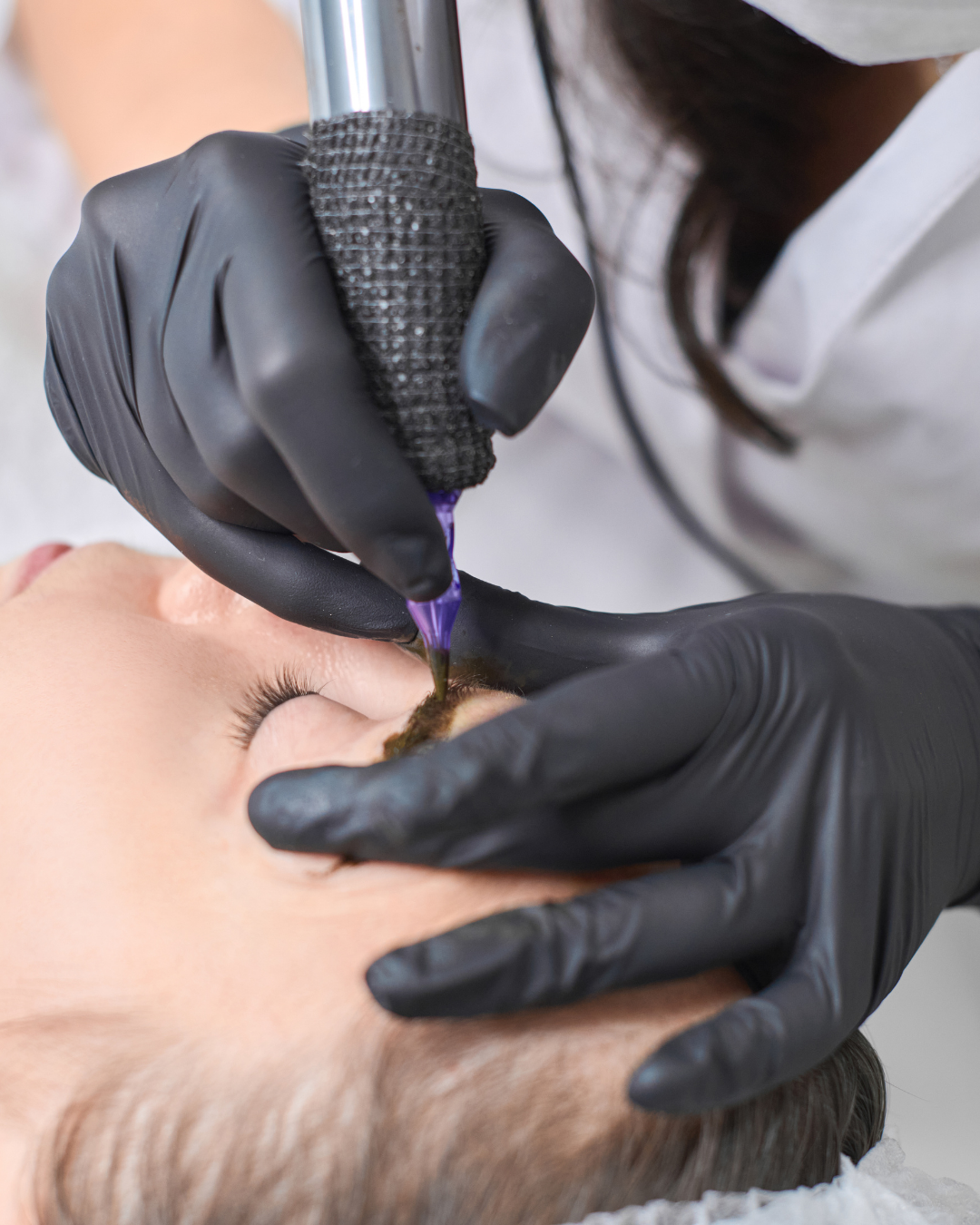
Machine-based PMU techniques (such as NanoBrows):
Use a single, ultra-fine needle
Allow precise control of depth and speed
Minimize repeated trauma to the same area
Produce more consistent healing
Reduced trauma means:
Lower scarring risk
More even pigment retention
Better aging of results
This is why NanoBrows are our preferred eyebrow technique.
Skin Types at Higher Risk for PMU Scarring
Certain skin types require extra caution:
Oily Skin
Larger pores
Increased pigment spreading
Higher risk of blurred strokes
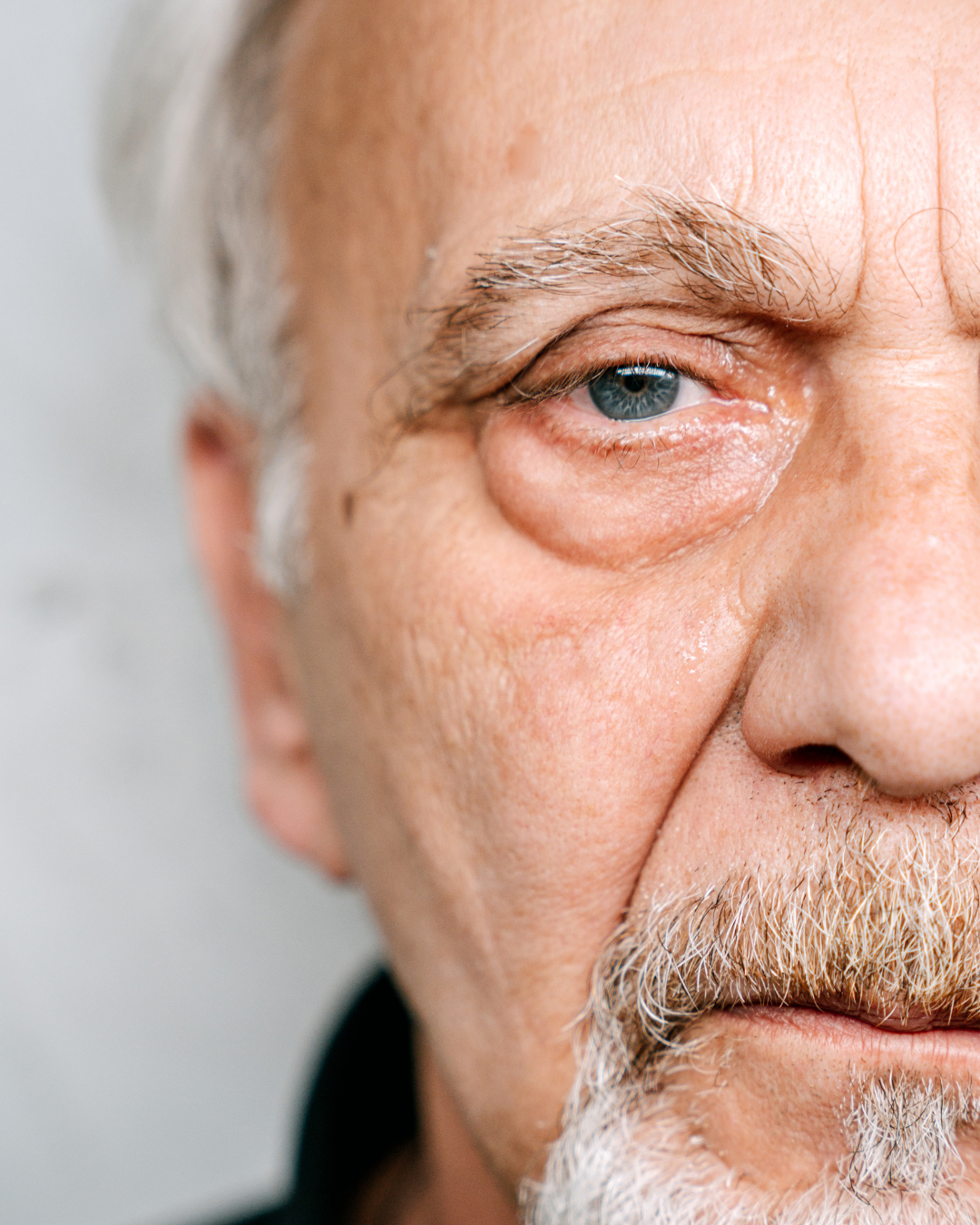
Mature Skin
Thinner epidermis
Slower healing
Greater sensitivity to trauma
Sensitive or Reactive Skin
Heightened inflammatory response
Increased risk of texture change
For these skin types, conservative, machine-based techniques are essential.
👉 Related education: NanoBrows for Oily & Mature Skin
Signs of Excessive Trauma During Healing
While mild redness and flaking are normal, warning signs include:
Thick or hard scabs
Persistent redness beyond healing window
Raised or shiny skin texture
Uneven pigment loss in the same areas
Early identification helps prevent long-term issues.
Why Over-Saturation Increases Risk
Over-saturation occurs when:
Too much pigment is implanted in one session
The same strokes are reinforced excessively
Healing time between sessions is insufficient
This can overwhelm the skin’s healing capacity and increase fibrosis risk.
Conservative saturation produces better long-term results.
Can PMU Scarring Be Corrected?
Scarred skin:
Retains pigment unevenly
May resist future PMU work
Requires advanced correction strategies
Prevention through proper technique is far more effective than correction.

Why We Screen PMU Candidacy Carefully
At Denver Dream Med Spa, PMU candidacy screening focuses on:
Skin type and thickness
Healing history
Previous PMU or tattooing
Scarring tendency
Lifestyle and skincare habits
Saying “no” when appropriate protects long-term skin health.

Denver-Specific Considerations
In Denver’s dry, high-altitude climate:
Skin dehydrates faster
Healing tissue is more fragile
Sun exposure increases inflammation risk
Reduced trauma and conservative technique are especially important.
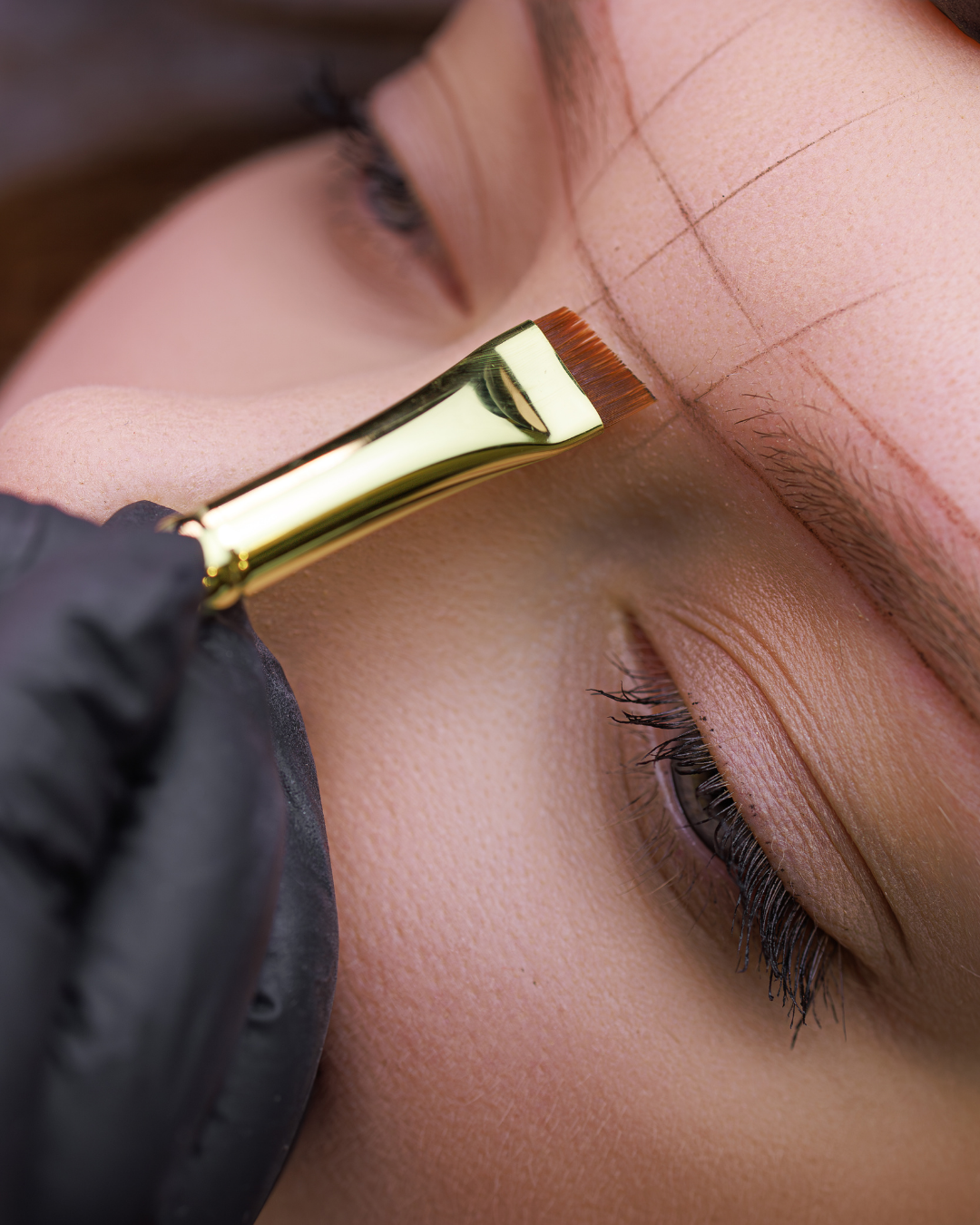
Common Myths About PMU Scarring
Myth: PMU scarring is rare
Truth: It is uncommon with proper technique, but risk increases with aggressive methods.
Myth: Dark pigment causes scarring
Truth: Depth and trauma — not color — cause scarring.
Myth: One bad session doesn’t matter
Truth: Trauma is cumulative.
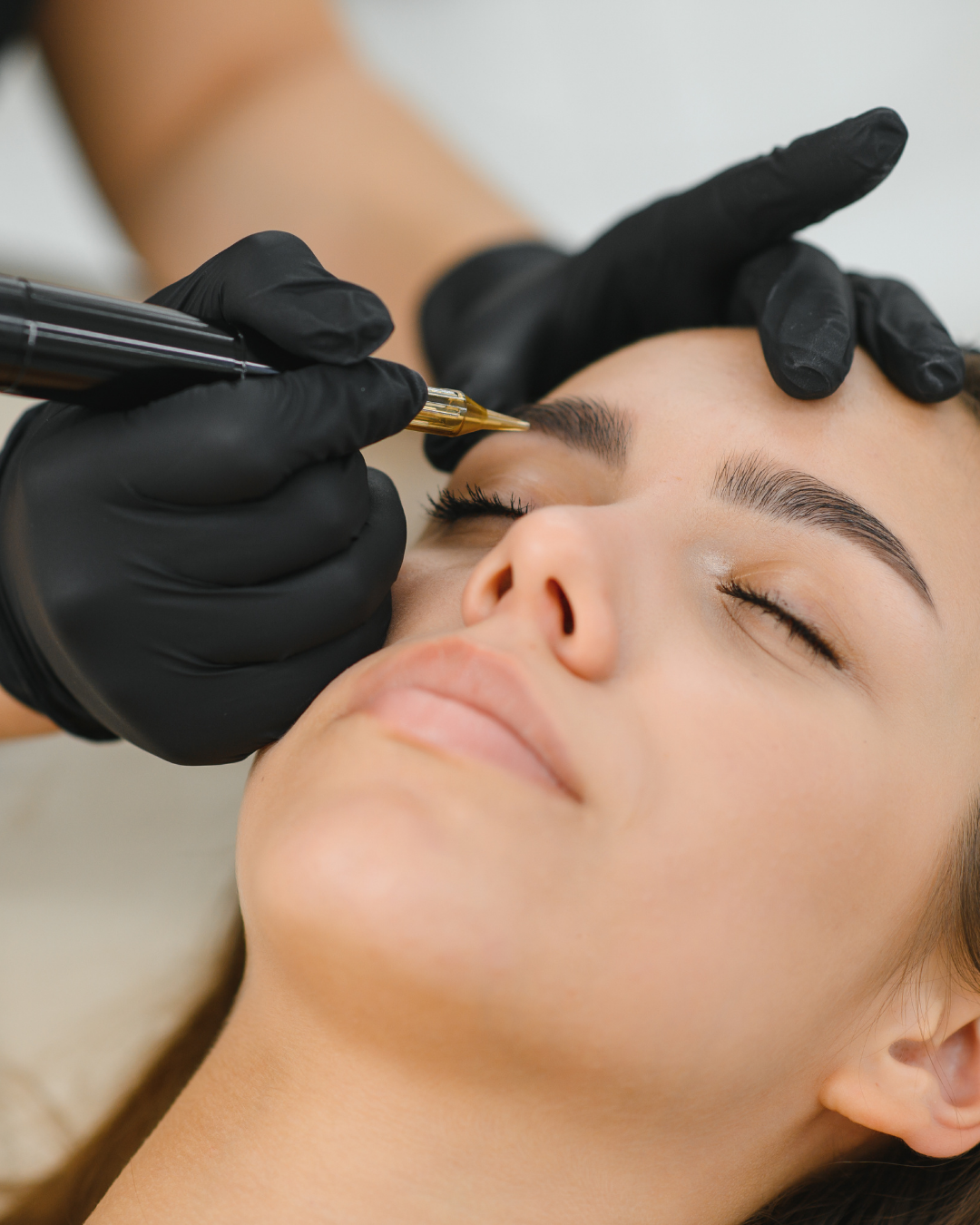
Educational Summary
Permanent makeup should enhance appearance without compromising skin health. Scarring and texture changes are preventable when PMU is performed with:
Proper depth control
Conservative saturation
Skin-appropriate technique
At Denver Dream Med Spa, we prioritize skin integrity over trends, which is why we favor NanoBrows and machine-based techniques for safer, long-term outcomes.
Permanent Makeup Education

Permanent Makeup in Denver Dream Medspa
Eyeliner in Denver Dream Medspa

Microblading Vs Nanobrows
Lip Blush in Denver Dream Medspa
Our Position on Microblading Vs Nanobrows

Nanobrows for Oily Skin and Mature Skin
Nanobrows in Denver Dream Medspa
Nanobrow Education
PMU Scarring and Skin Trauma Education

Powder Brows in Denver Dream Medspa

Nanobrow Aftercare Education

PMU Brow Color Fading & Correction Education

Lip Blush Before and After Portfolio in Denver Dream Medspa
How To Prepare for Nanobrows

Permanent Makeup Myths & Safety Hub