

PMU Brow Color Fading & Correction Education
Understanding Why Cosmetic Tattoo Brows Fade, Shift & When Correction Is Appropriate
Cosmetic tattoo eyebrows are designed to fade gradually over time. However, some clients experience uneven fading, color shifts, or unwanted tones, which can raise questions about correction, refresh, or removal.
This education page explains why PMU brow color changes occur, what is considered normal fading versus problematic pigment behavior, and how correction is approached safely and conservatively.
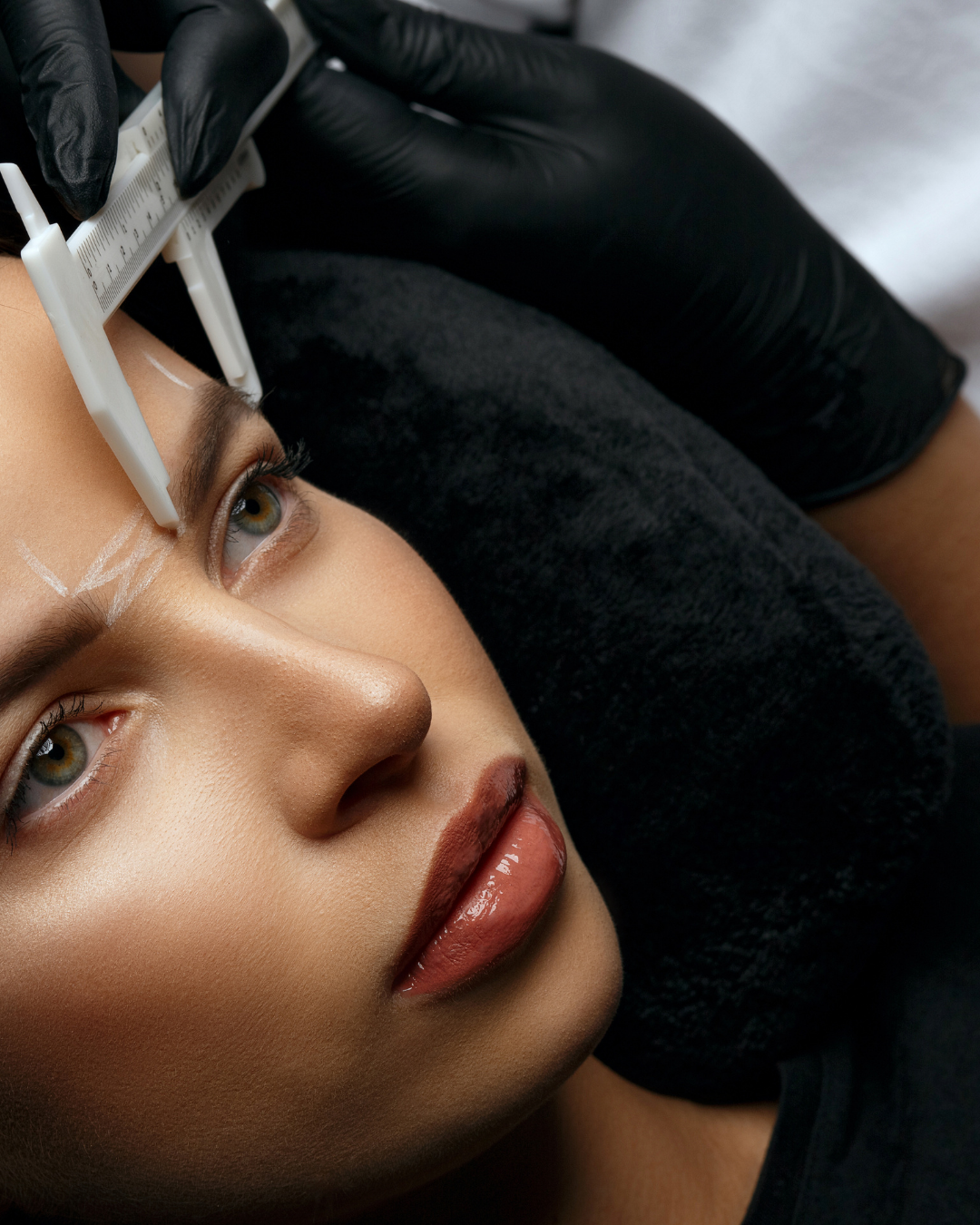
Why PMU Brows Are Designed to Fade
Unlike traditional tattoos, PMU pigment is:
Implanted more superficially
Formulated to break down over time
Intended to evolve with facial changes
Fading allows:
Color adjustments as skin changes
Shape refinements over time
More natural long-term aging
Complete permanence is not the goal of cosmetic tattooing.
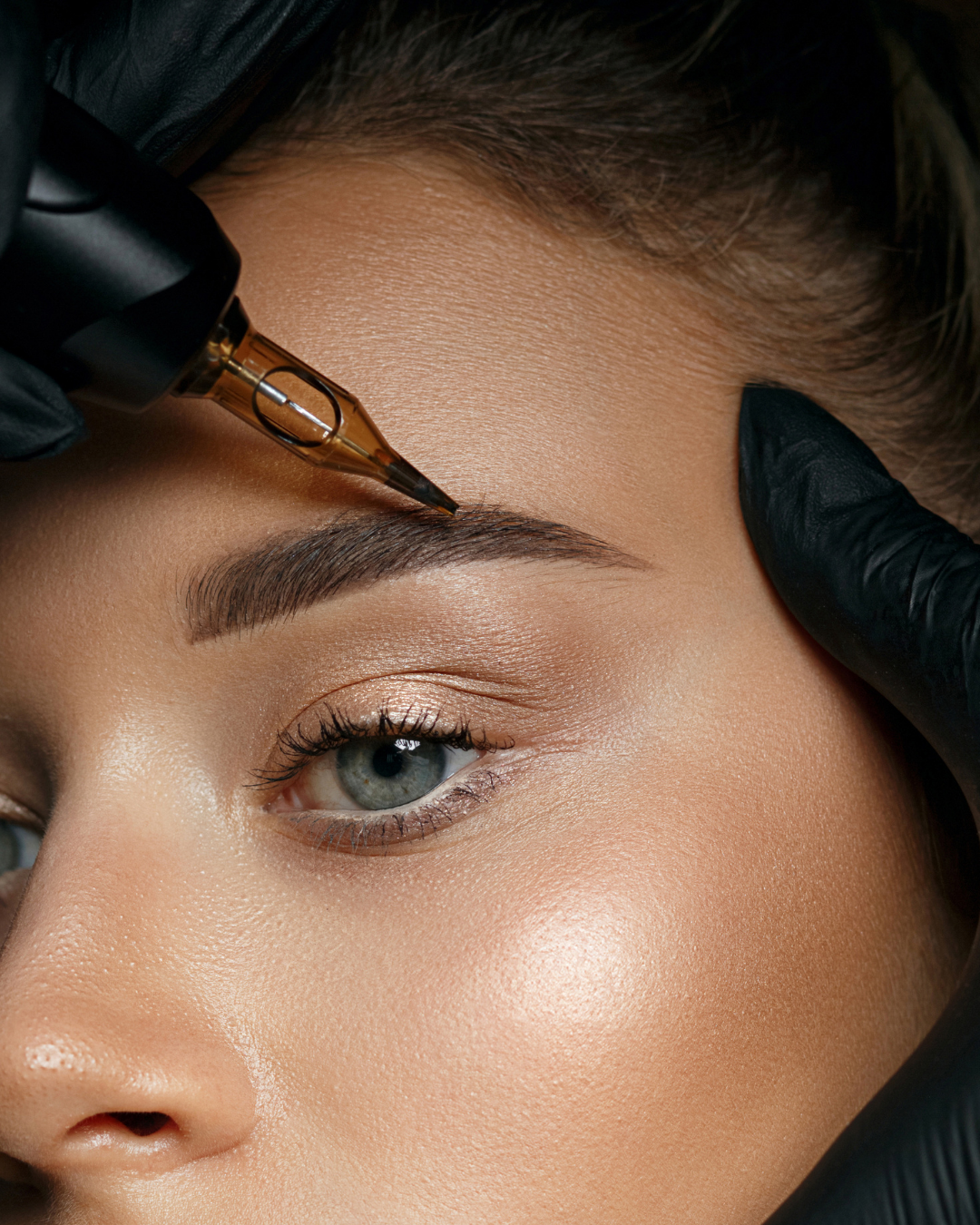
What Normal PMU Brow Fading Looks Like
Normal fading typically includes:
Gradual lightening over 12–36 months
Softening of hair strokes
Even reduction in saturation
No major color distortion
This type of fading is expected and managed with periodic refresh appointments.
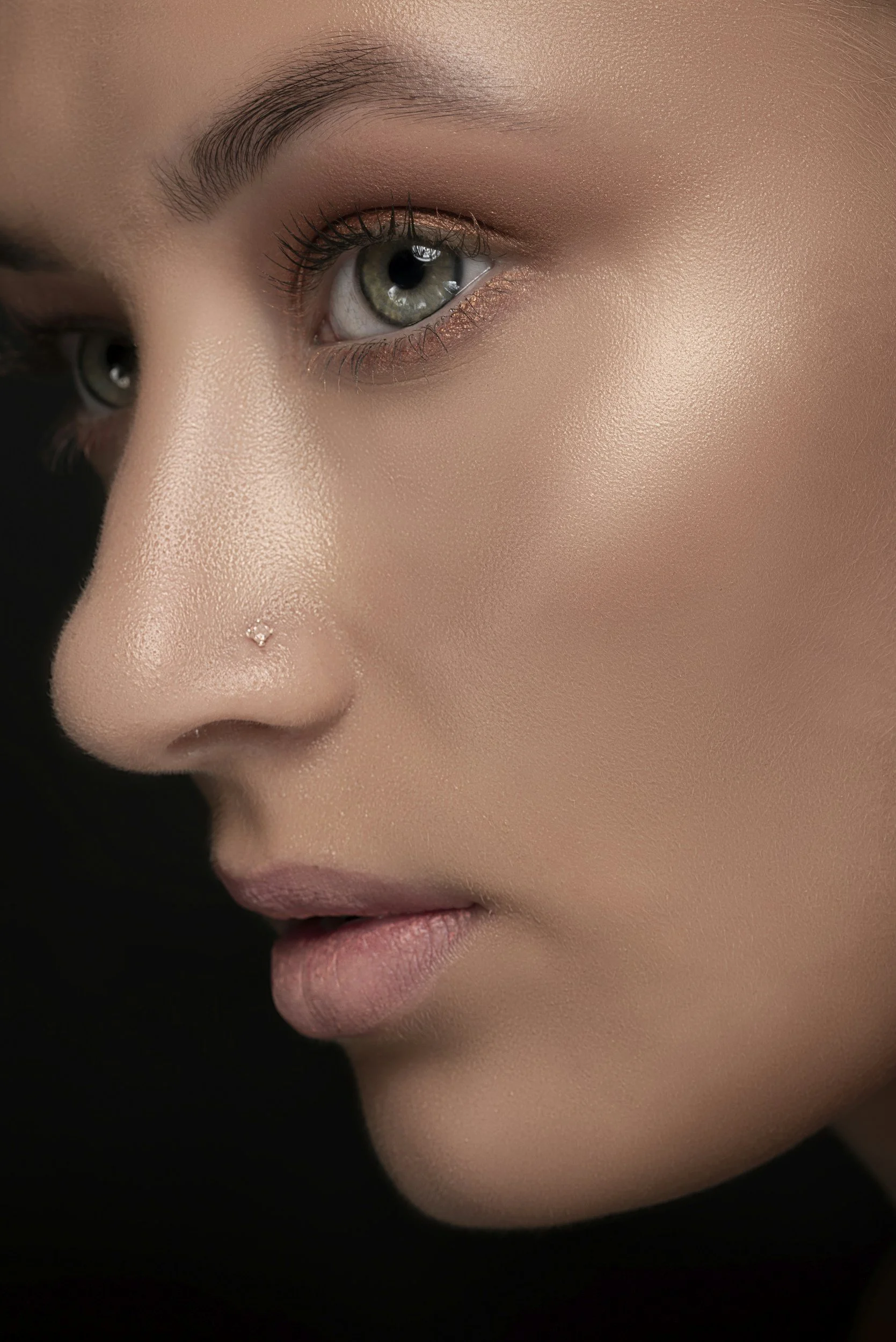
Why PMU Brow Color Can Shift Over Time
Color shifts occur due to a combination of pigment chemistry, skin behavior, and external factors.
Common contributing factors include:
Sun exposure
Skin type (especially oily skin)
Depth of implantation
Pigment undertone selection
Immune system response
Skincare products (retinoids, acids)
Color changes are rarely caused by pigment alone.

Common PMU Brow Color Changes Explained
Warm / Red / Orange Tones
Often caused by:
Excessive sun exposure
Breakdown of cool pigment molecules
Improper depth placement

Gray / Ashy Tones
Often caused by:
Pigment implanted too deeply
Cool undertones dominate as pigment fades
Scar tissue affecting pigment appearance
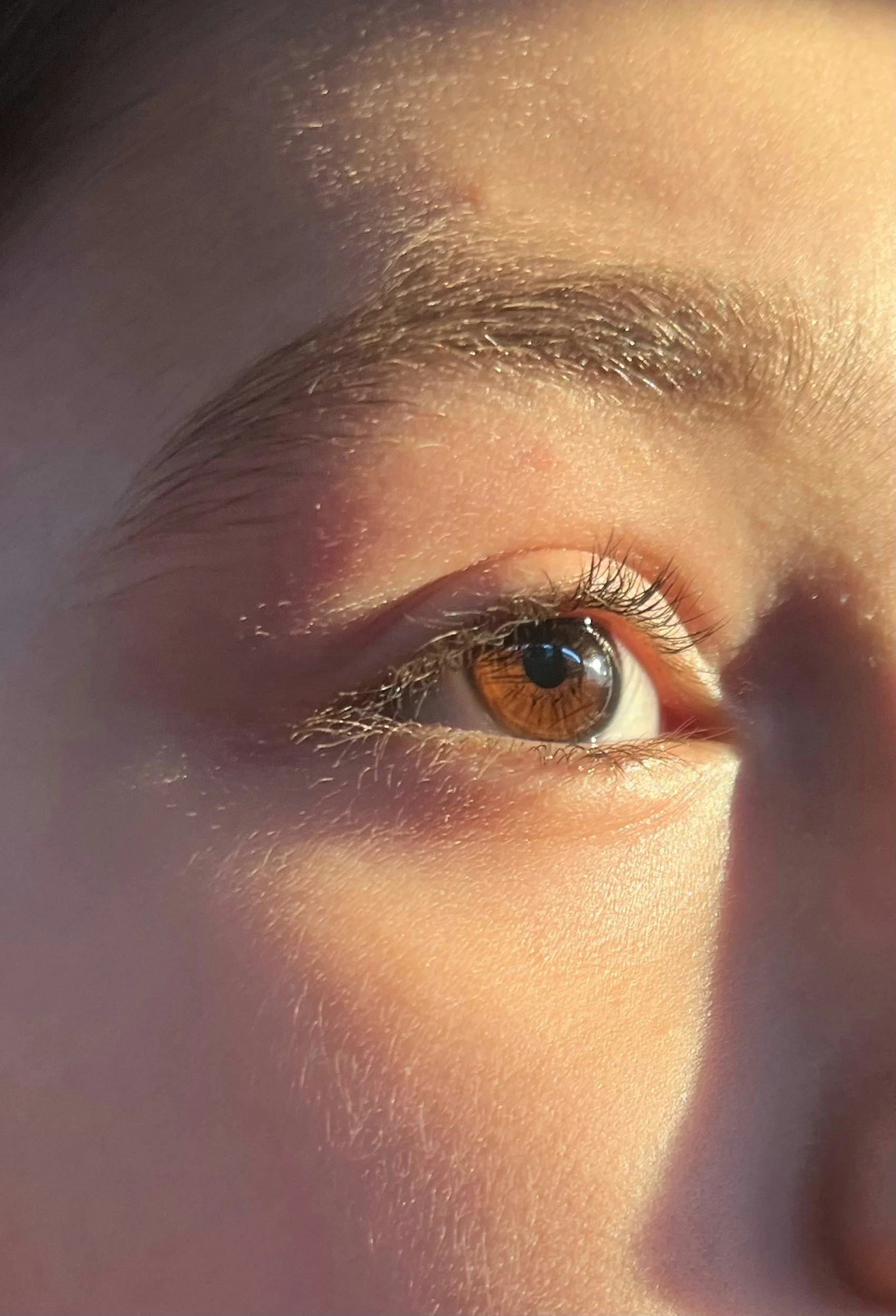
Uneven or Patchy Fading
Often caused by:
Inconsistent healing
Skin trauma or scabbing
Oily or porous skin
Poor aftercare compliance
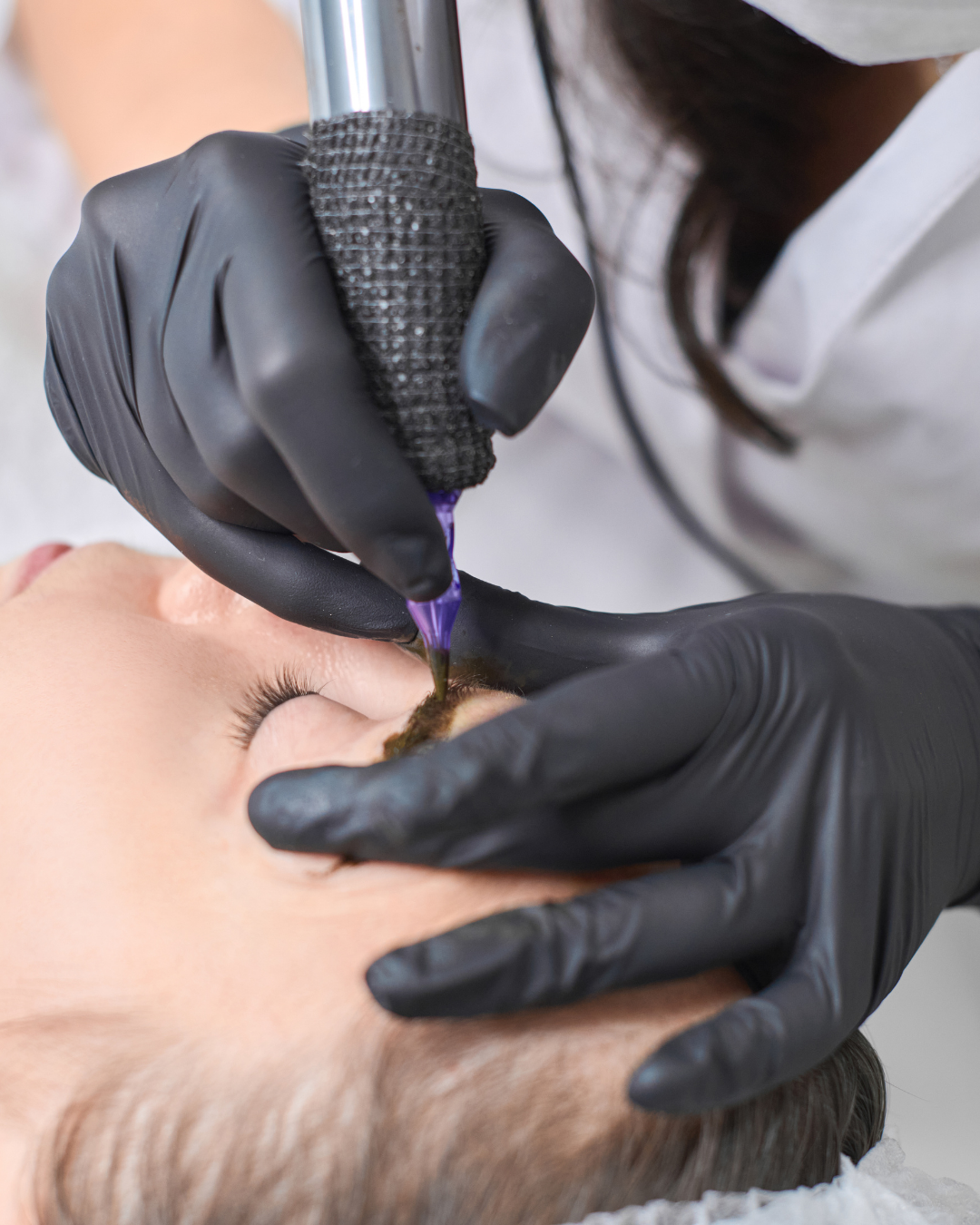
How Skin Type Influences Fading
Oily Skin
Faster fading
Softer strokes
Greater pigment dispersion
Mature Skin
Lighter final results
Slower healing
Greater sensitivity to oversaturation
👉 Related education: NanoBrows for Oily & Mature Skin
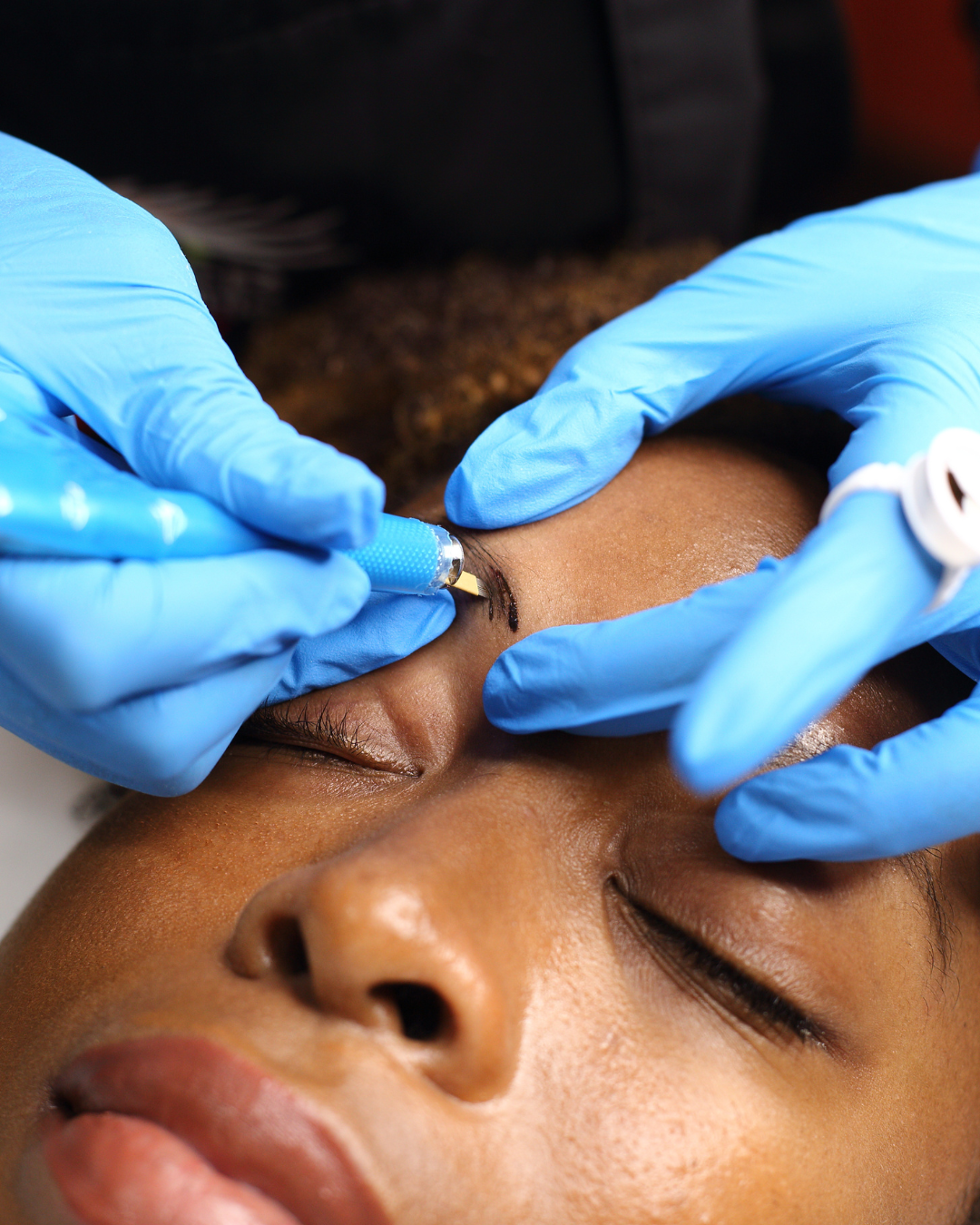
Why Over-Saturation Causes Long-Term Problems
Attempting to “make pigment last longer” by implanting too much pigment can:
Increase scarring risk
Causes muddy or distorted color
Make future correction difficult
Leads to uneven fading
Conservative saturation ages better than heavy implantation.
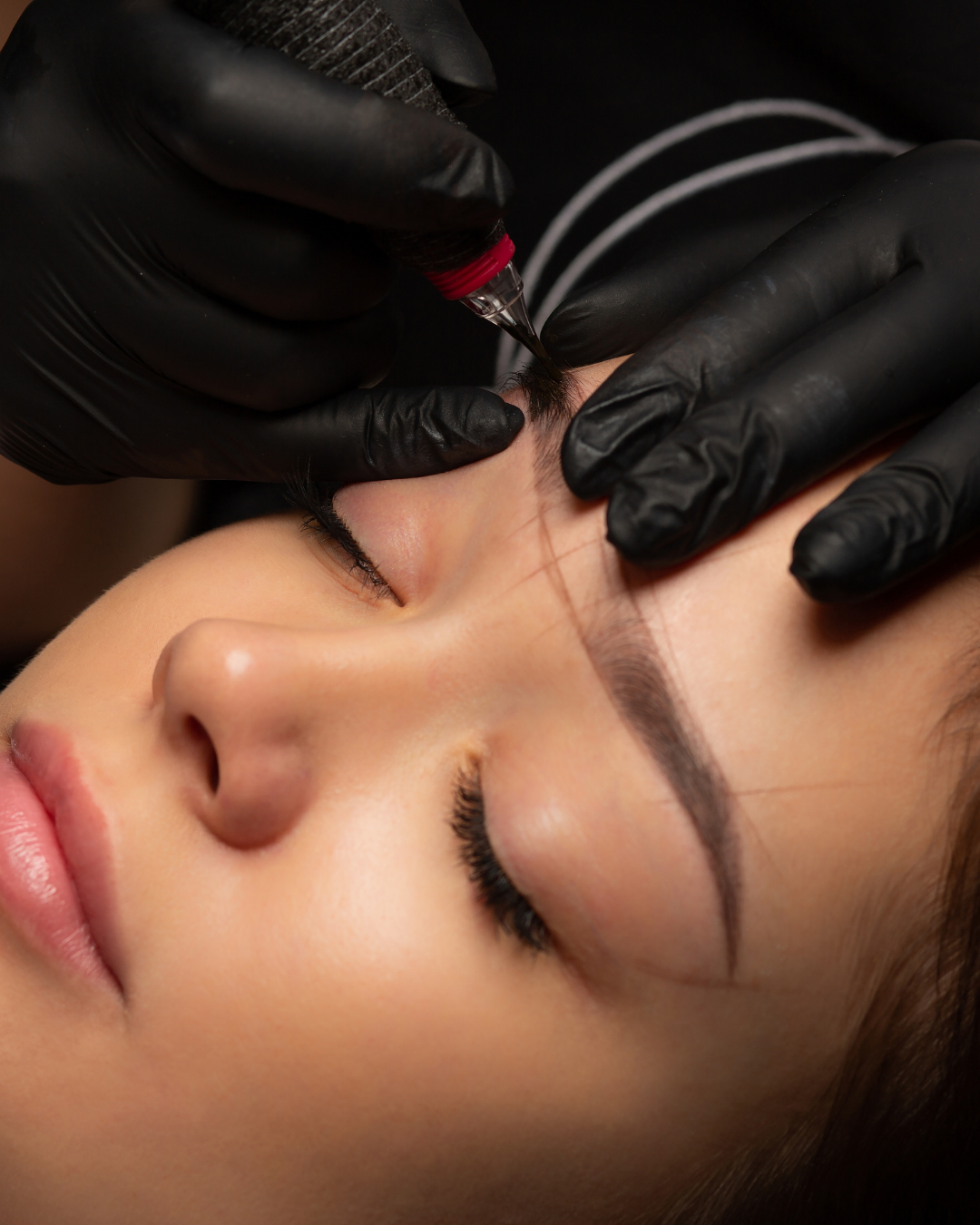
What PMU Brow Correction Means (And What It Doesn’t)
PMU correction is not about fully covering old pigment.
Correction may involve:
Color balancing with strategic undertones
Soft neutralization
Shape refinement
Gradual lightening over multiple sessions
Correction is a process, not a one-session fix.

When PMU Correction Is Appropriate
Correction may be appropriate when:
Pigment has faded unevenly
Color has shifted undesirably
Shape is mostly intact
Skin texture is healthy
A consultation determines if correction is safe and realistic.

When Correction May NOT Be Recommended
Correction may be postponed or declined if:
Significant scar tissue is present
Pigment is too dark or saturated
Skin texture is compromised
Expectations are unrealistic
In these cases, removal or fading strategies may be recommended first.
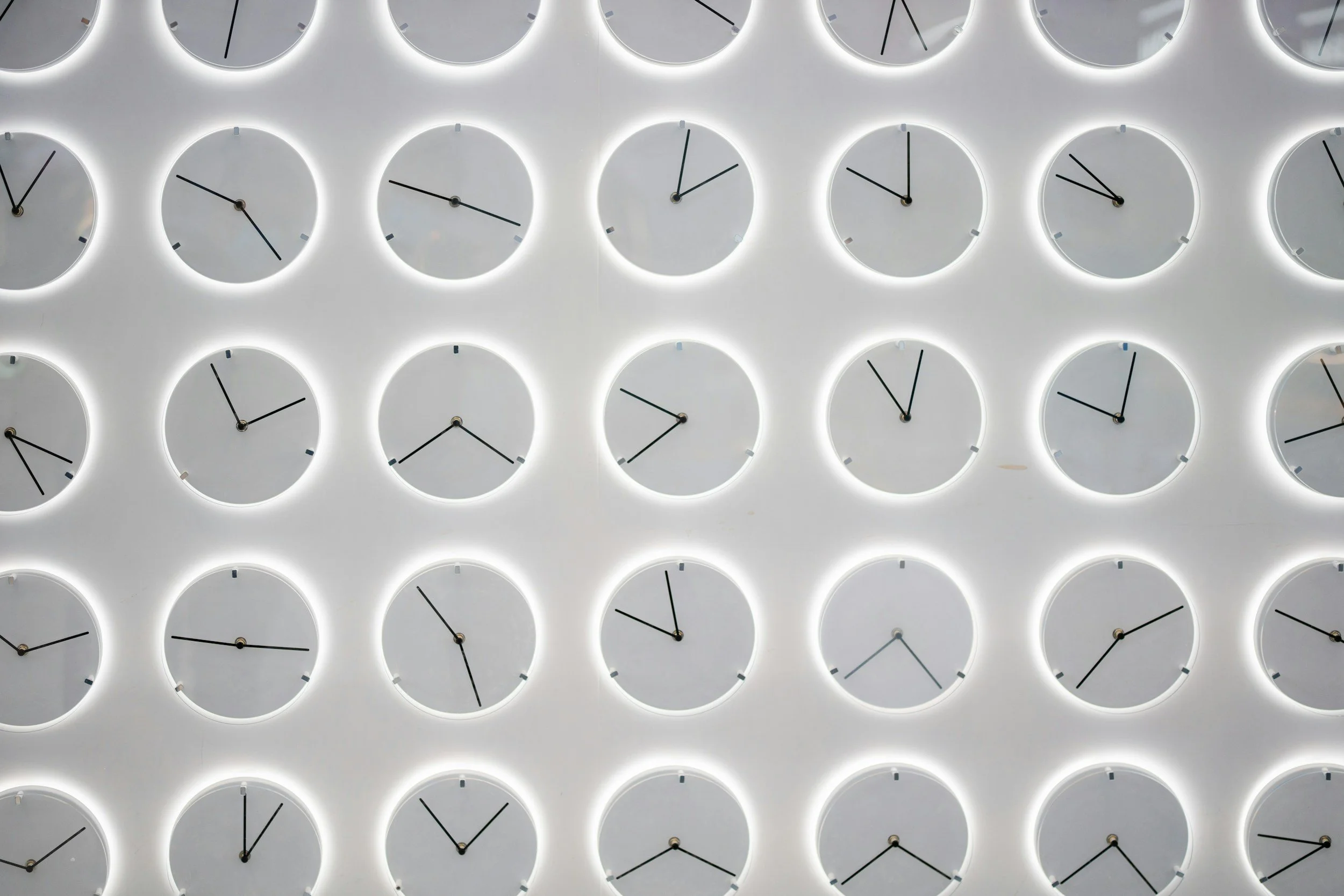
The Role of Time in PMU Correction
Correction often requires:
Allowing pigment to fade naturally
Waiting between sessions
Gradual adjustments
Rushing correction increases risk and reduces quality.

Denver-Specific Considerations
In Denver’s high-altitude climate:
UV exposure accelerates pigment breakdown
Dry skin may appear lighter during healing
Sun protection is critical for color stability
👉 Related education: Sun Exposure & Cosmetic Tattoo Safety
Common Myths About PMU Brow Fading
Myth: PMU brows should never change color
Truth: Some color evolution is normal.
Myth: Darker pigment lasts longer
Truth: Over-saturation causes more problems.
Myth: All faded brows need correction
Truth: Many only need a refresh.
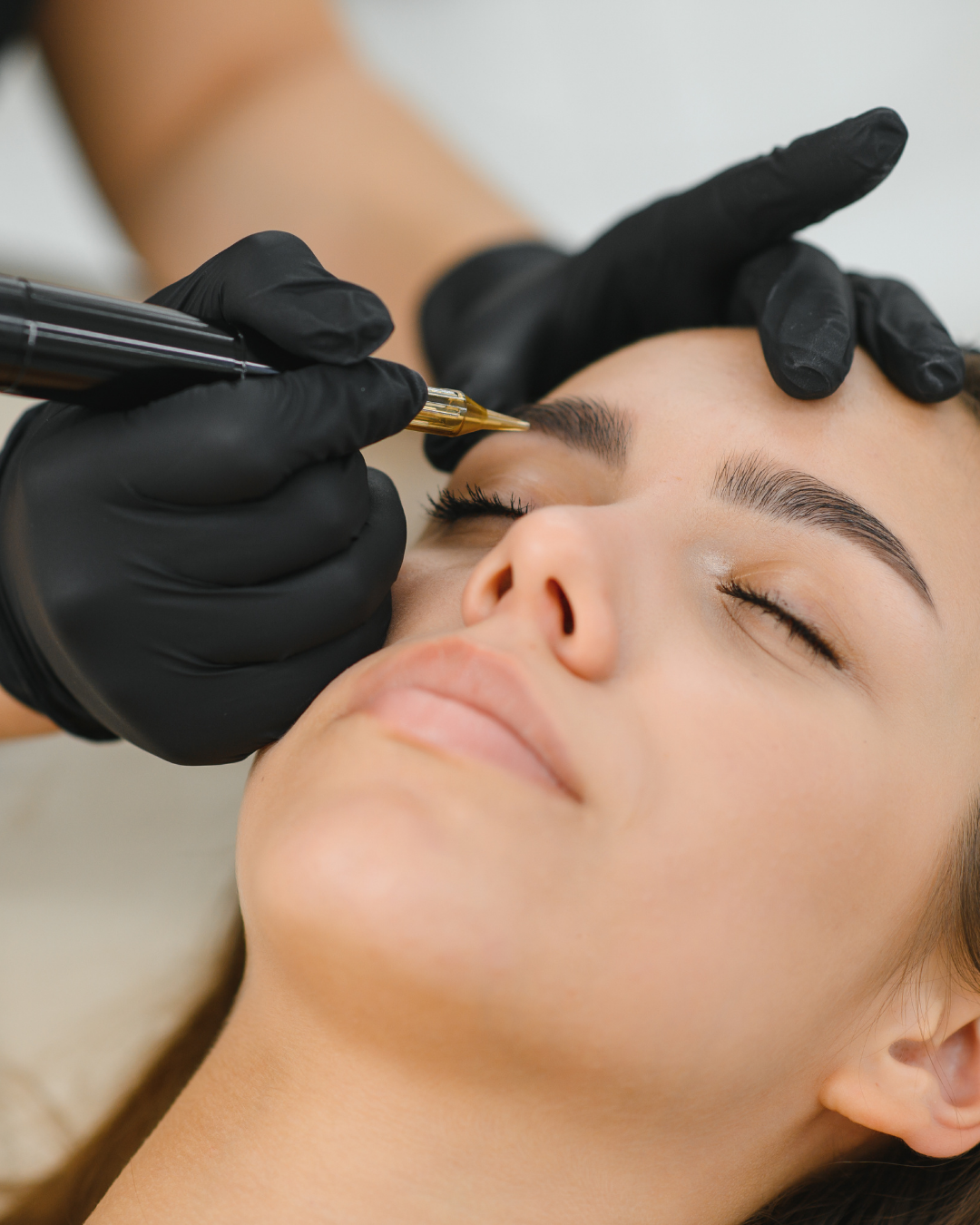
Educational Summary
PMU brow fading and color changes are influenced by skin type, technique, sun exposure, and healing behavior. While some fading is normal, undesirable shifts require careful, conservative correction planning.
At Denver Dream Med Spa, PMU correction decisions prioritize:
Skin integrity
Realistic outcomes
Long-term brow health
Because not every brow should be corrected — and not every correction should be rushed.
Permanent Makeup Education
Permanent Makeup in Denver Dream Medspa
Eyeliner in Denver Dream Medspa
Microblading Vs Nanobrows
Lip Blush in Denver Dream Medspa

Our Position on Microblading Vs Nanobrows

Nanobrows for Oily Skin and Mature Skin
Nanobrows in Denver Dream Medspa
Nanobrow Education
PMU Scarring and Skin Trauma Education
Powder Brows in Denver Dream Medspa

Nanobrow Aftercare Education

PMU Brow Color Fading & Correction Education

Lip Blush Before and After Portfolio in Denver Dream Medspa
How To Prepare for Nanobrows

Permanent Makeup Myths & Safety Hub