
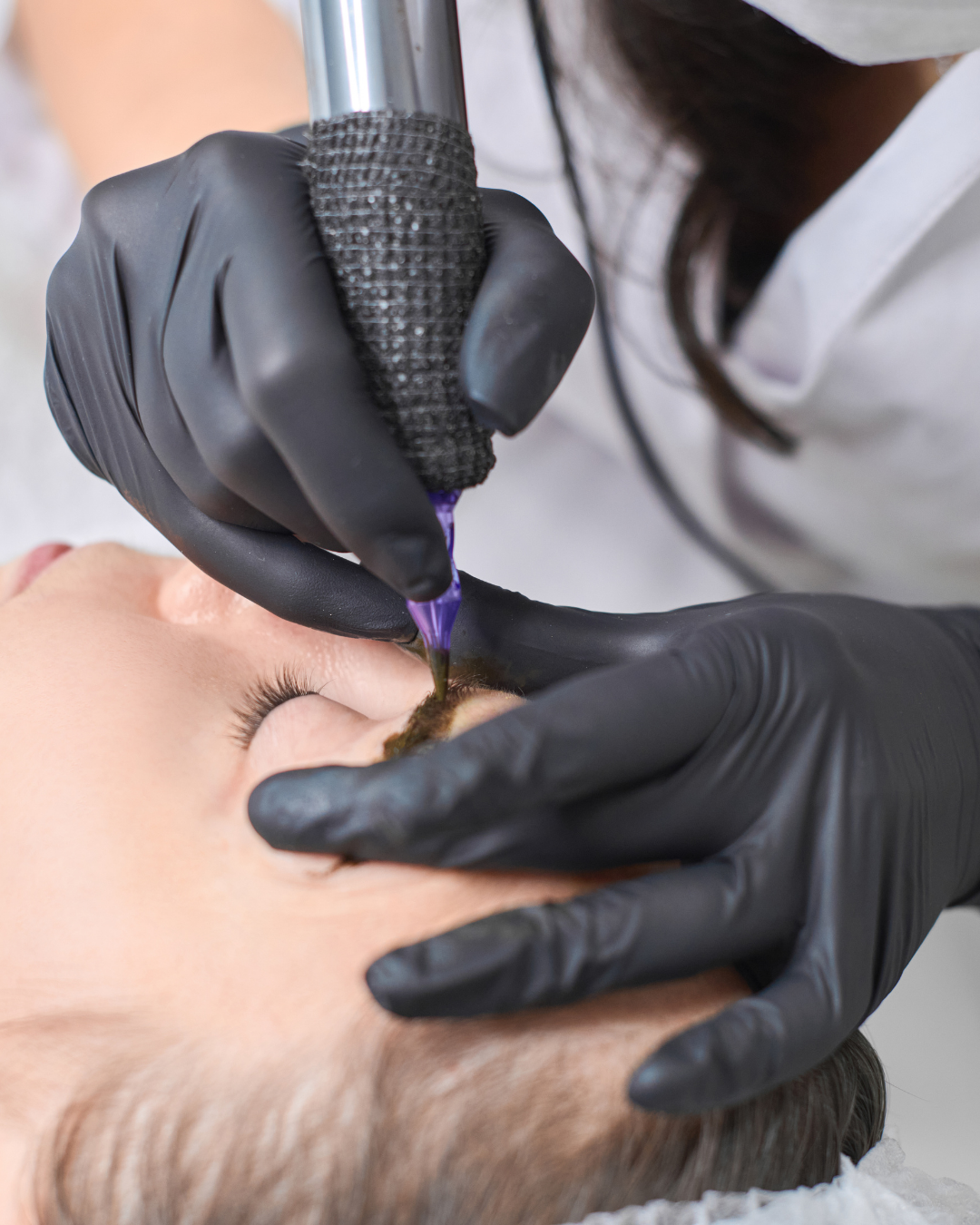
Sun Exposure & Cosmetic Tattoo Safety
How UV Exposure Affects Healing, Pigment Stability & Long-Term Results
Sun exposure is one of the most important and most overlooked factors affecting the safety, healing, and longevity of cosmetic tattoos — including NanoBrows, powder brows, and other permanent makeup procedures.
This education page explains how UV exposure interacts with healing skin, why sun protection is critical before and after cosmetic tattooing, and how long-term sun habits affect pigment color and durability, especially in high-altitude environments like Denver.

Why Sun Exposure Matters for Cosmetic Tattooing
Cosmetic tattooing involves implanting pigment into the upper layers of the skin. During and after the procedure, the skin undergoes:
Inflammation
Cellular repair
Pigment stabilization
UV exposure during this process can:
Increase inflammation
Disrupt healing
Break down pigment molecules
Cause uneven fading or color shifts
Sun protection is not optional — it is a core safety requirement for cosmetic tattoo success.
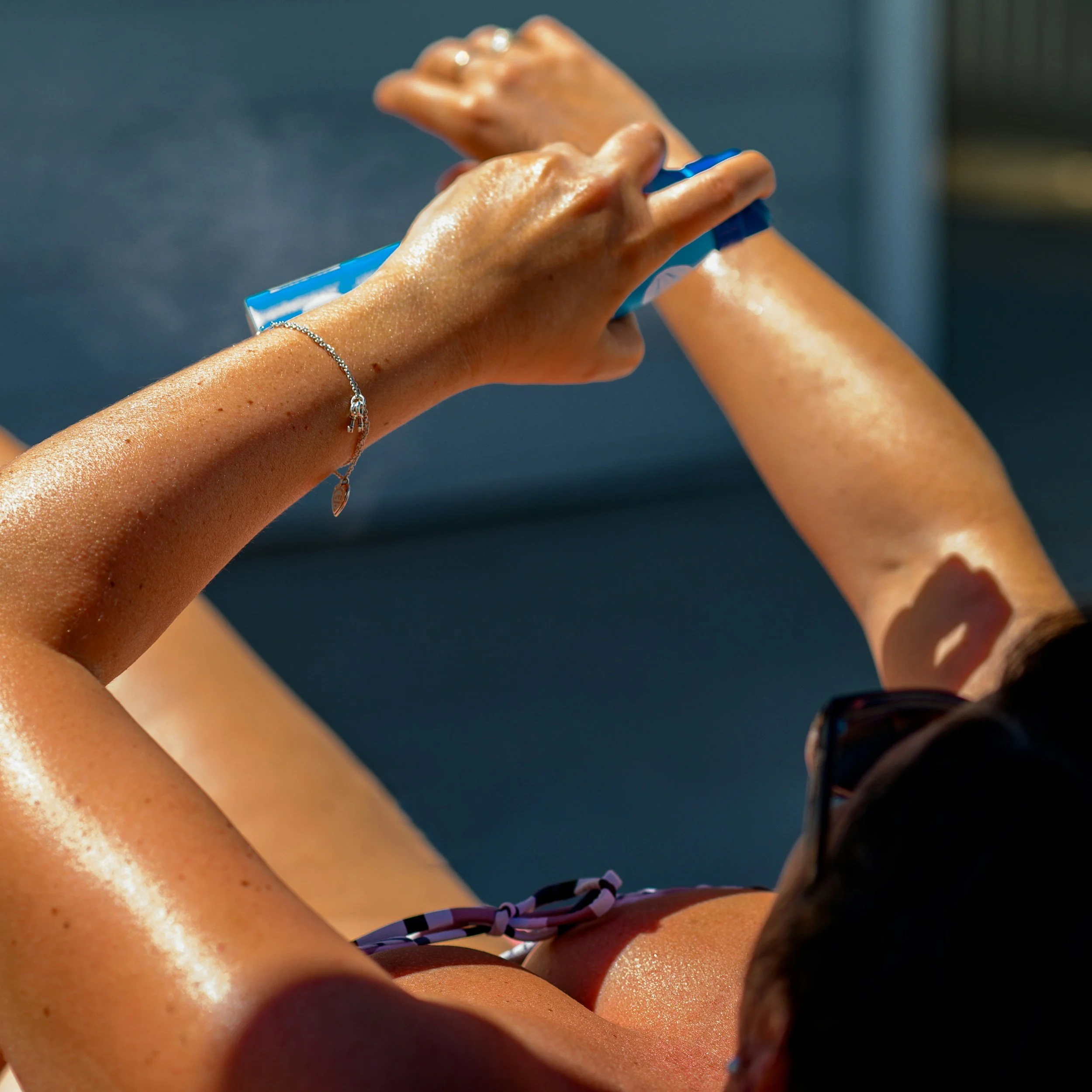
How UV Radiation Affects Healing Skin
When healing skin is exposed to ultraviolet radiation:
Blood vessels dilate, increasing redness and inflammation
Melanocytes (pigment-producing cells) become more active
Skin barrier repair slows
Pigment particles degrade more quickly
This may lead to:
Patchy or uneven pigment retention
Premature fading
Color distortion (warm, red, orange, gray, or ashy tones)
Prolonged irritation
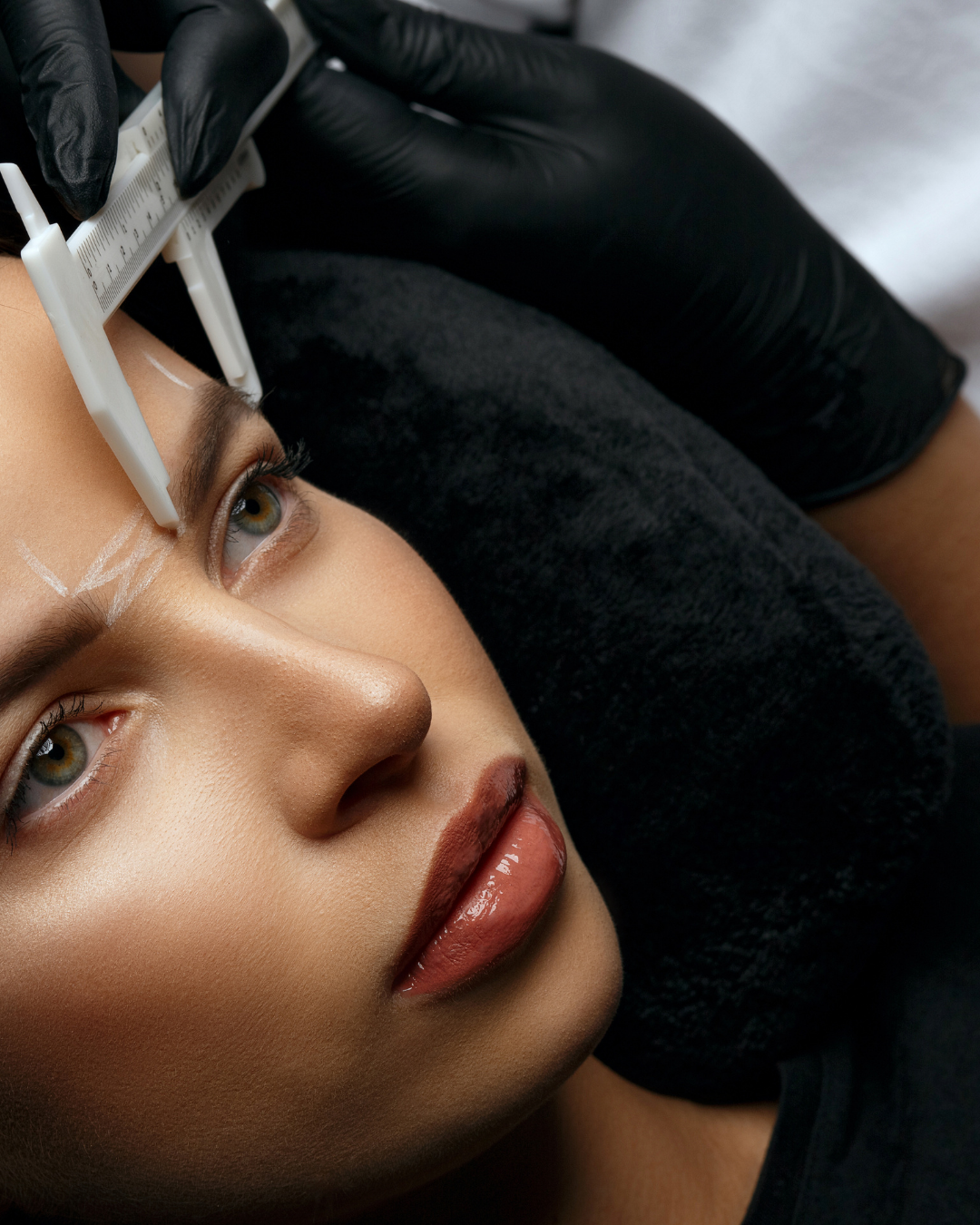
Sun Exposure BEFORE a Cosmetic Tattoo
Sun exposure prior to PMU can compromise treatment safety.
Before cosmetic tattooing, sun exposure can:
Increase baseline inflammation
Sensitize the skin
Reduce pigment retention
Increase healing complications
Before PMU, avoid:
Sunbathing or prolonged outdoor exposure
Tanning beds
Recent sunburn or peeling
Outdoor activities without sun protection
Healthy, non-sun-stressed skin is essential for predictable healing.
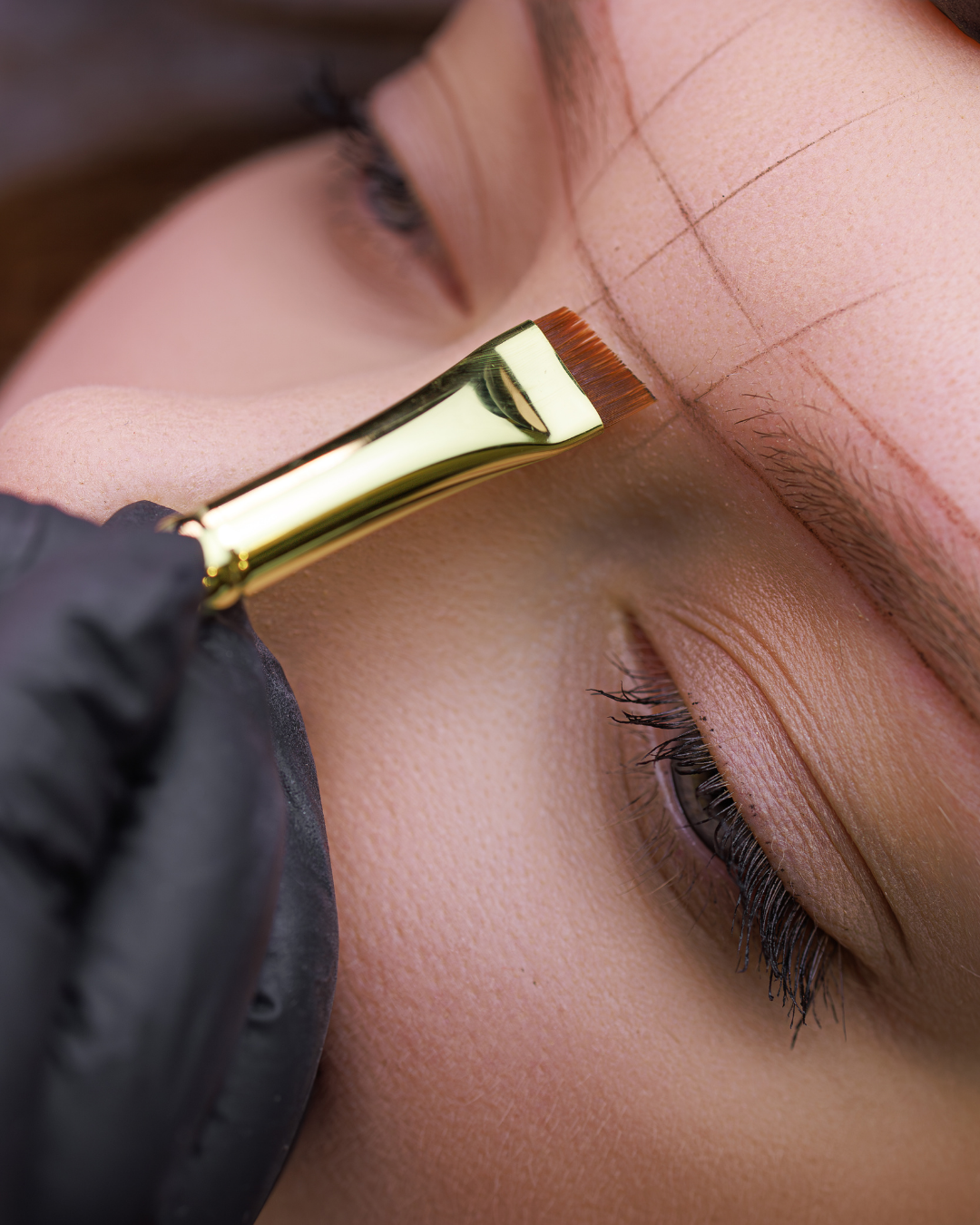
Sun Exposure AFTER a Cosmetic Tattoo
After PMU, the skin is especially vulnerable.
During the Healing Phase (First 10–14 Days)
UV exposure can cause pigment loss
Color may heal unevenly
Inflammation risk increases
Long-Term Exposure
Repeated UV exposure accelerates fading
Pigment undertones may shift over time
Touch-ups may be needed sooner
Sun protection is a long-term commitment, not just a short-term precaution.
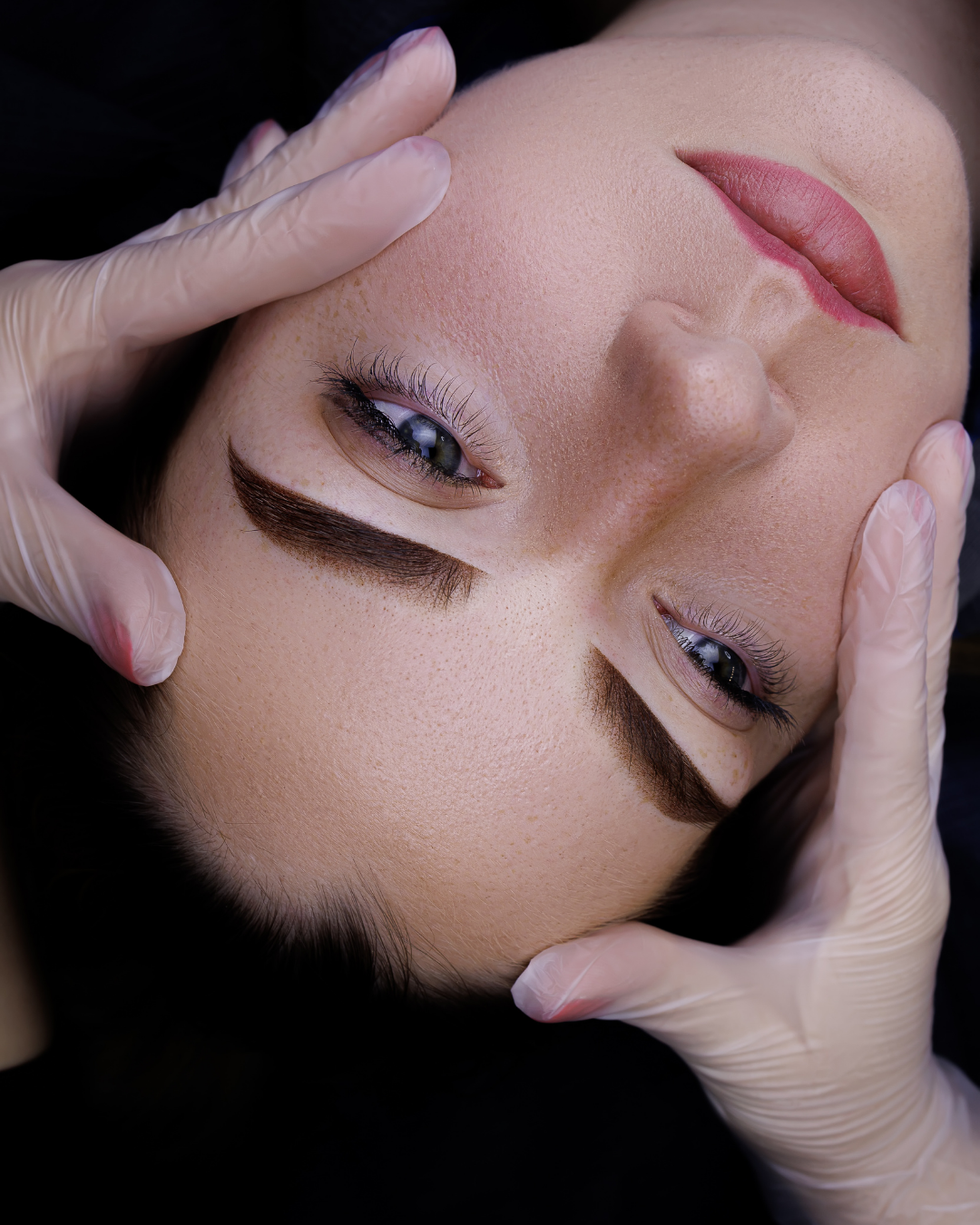
Why Sun Exposure Causes Cosmetic Tattoo Fading
UV exposure leads to fading because:
UV rays break down pigment molecules
Increased cell turnover pushes pigment out faster
Heat and inflammation destabilize pigment placement
This process is gradual but cumulative — each exposure contributes.
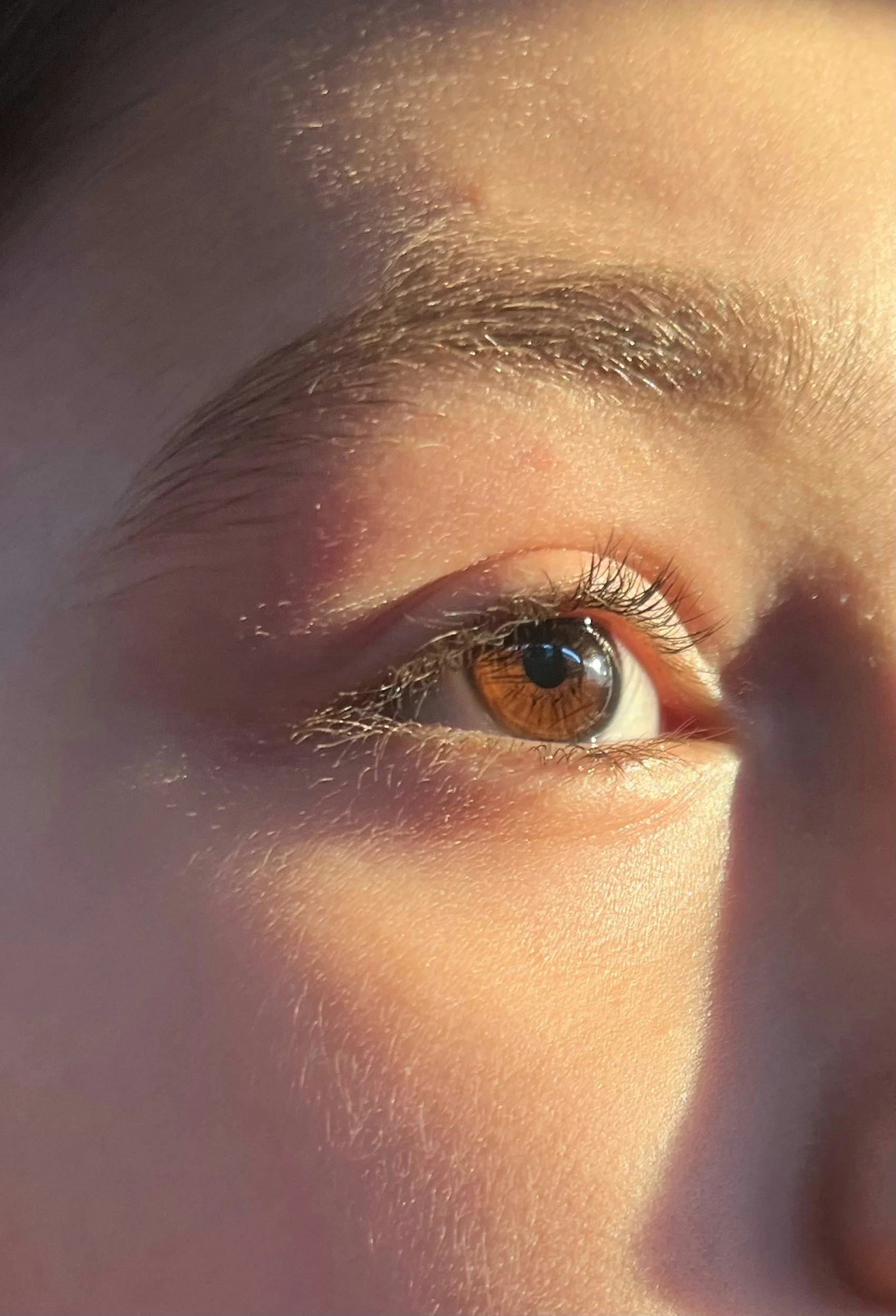
High-Altitude UV Exposure: Why Denver Clients Must Be Extra Cautious
At higher elevations:
UV radiation intensity is significantly stronger
Sun damage occurs more quickly
Skin barrier disruption is more common
In Denver and throughout Colorado, even brief sun exposure can significantly impact cosmetic tattoo results, making sun avoidance and protection especially important.
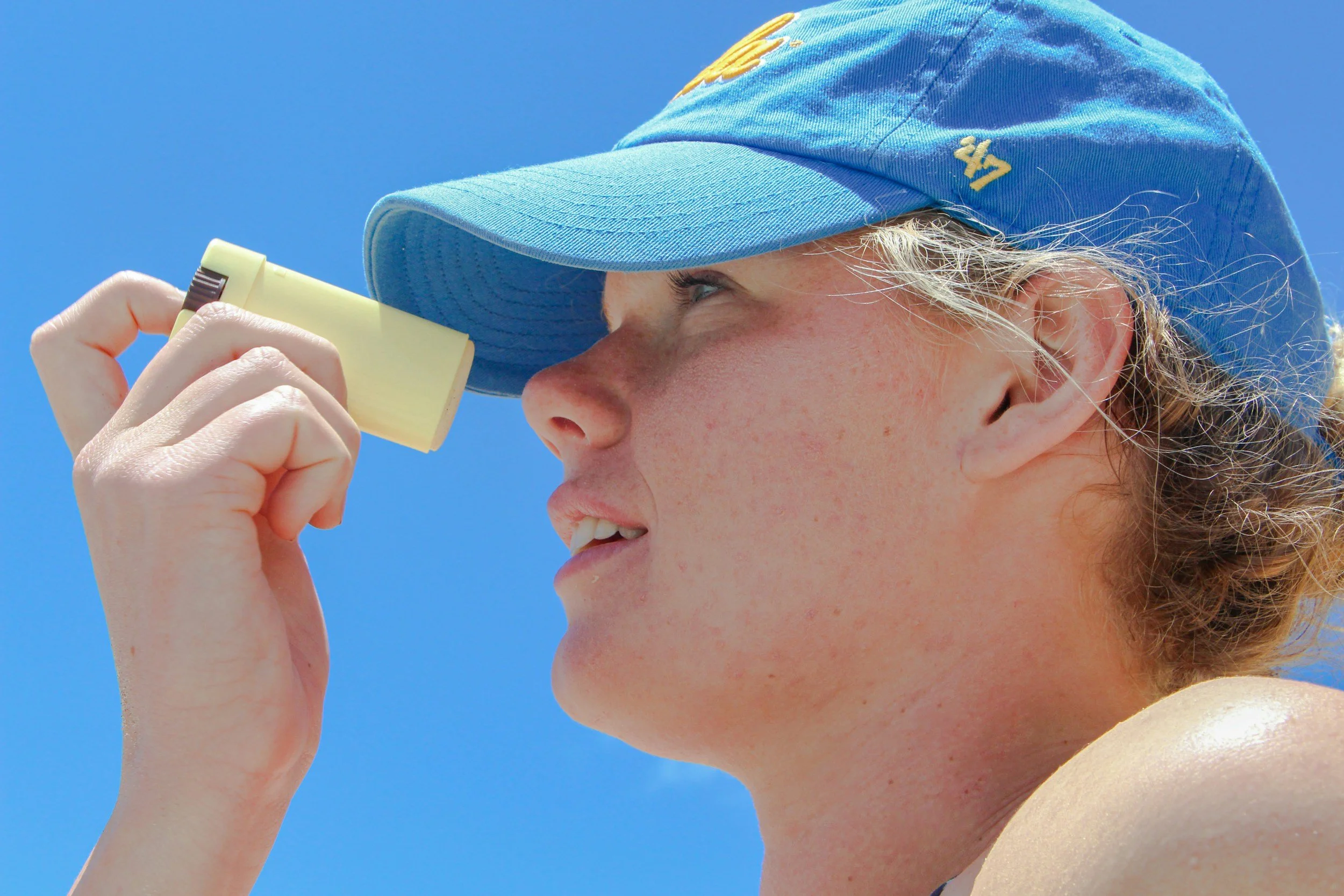
Safe Sun Protection During PMU Healing
During Active Healing
Avoid direct sun exposure entirely
Wear wide-brim hats or visors outdoors
Do not apply sunscreen directly to healing brows unless instructed
Physical barriers are preferred until the skin is fully healed.
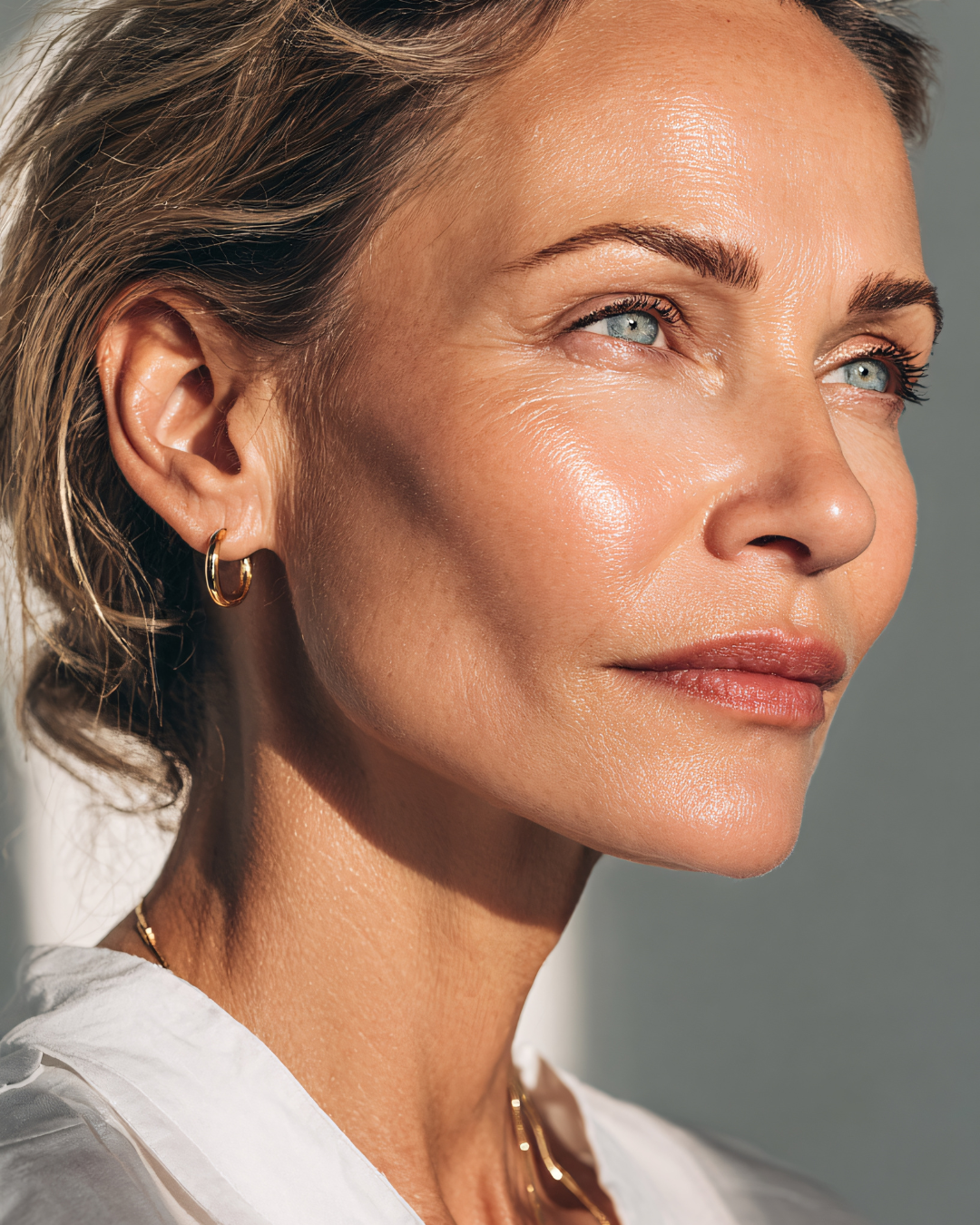
After Healing Is Complete
Apply SPF to brows daily once skin is intact
Choose mineral sunscreen when possible
Reapply sunscreen when outdoors
Avoid tanning beds completely
Consistent sun protection preserves both skin health and pigment integrity.
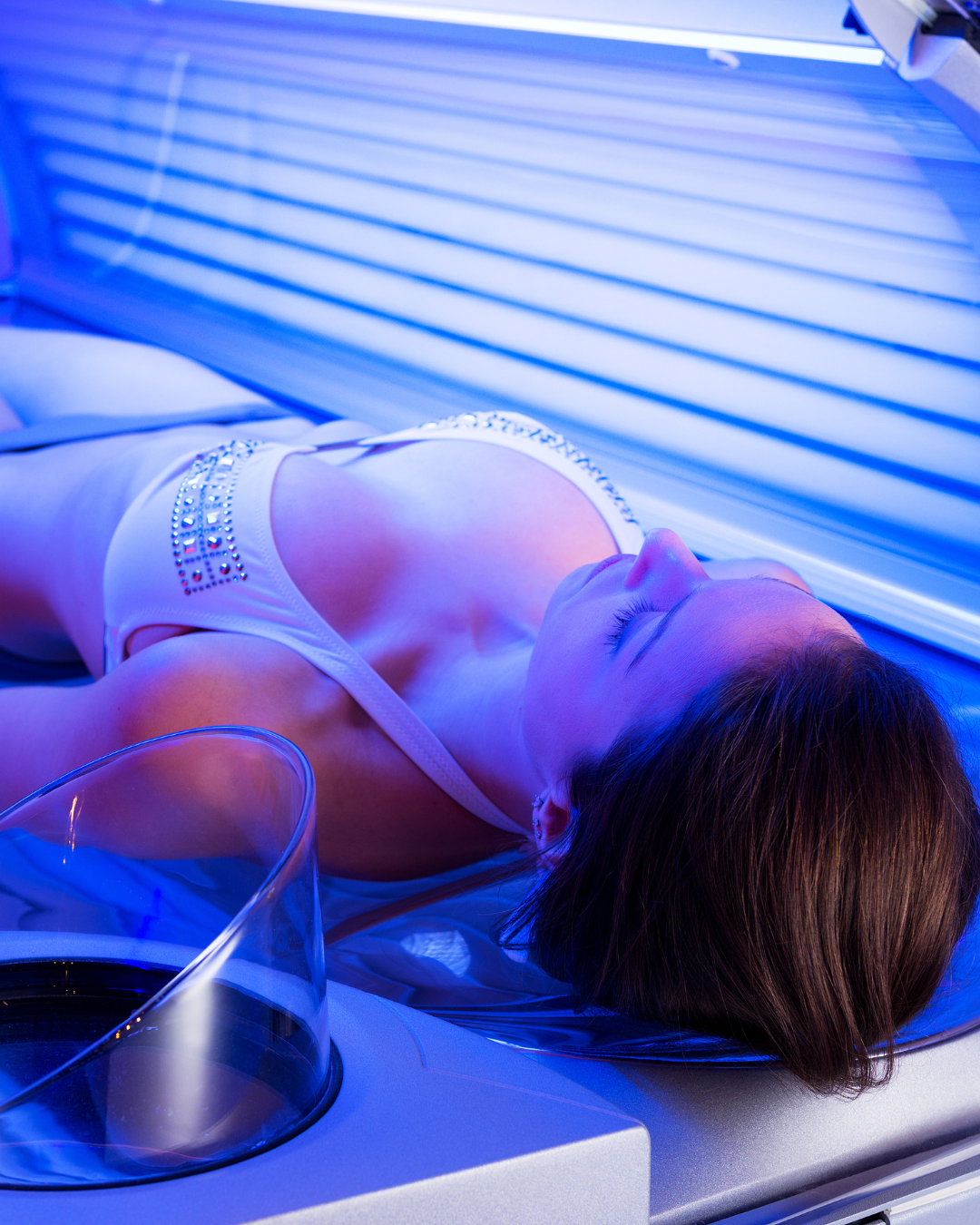
Why Tanning Beds Are Especially Harmful
Tanning beds:
Deliver concentrated UV radiation
Accelerate pigment breakdown
Increase risk of scarring and texture changes
Dramatically shorten PMU longevity
Tanning beds are not compatible with cosmetic tattoo safety.
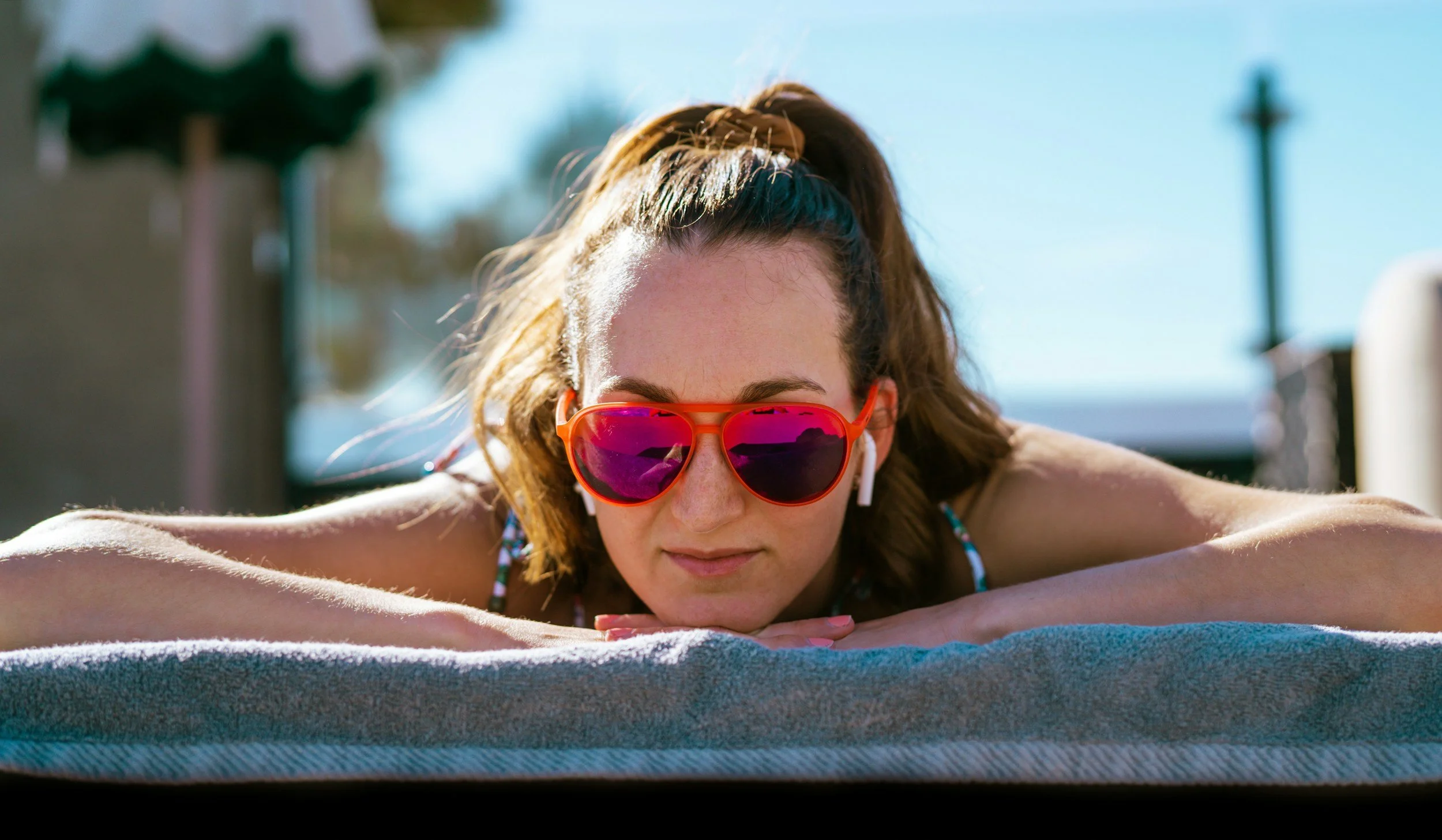
Color Changes & Sun Exposure
Sun exposure can cause:
Warm pigments to appear red or orange
Cool pigments to turn gray or ashy
Uneven fading between strokes
Proper pigment selection and strict sun protection help minimize these risks.

Who Should Be Extra Cautious With Sun Exposure
Additional caution is needed for individuals with:
Oily skin
Higher melanin levels
History of hyperpigmentation
Outdoor or athletic lifestyles
Frequent sun exposure
Treatment planning and aftercare guidance are adjusted accordingly.
Common Myths About Sun & Cosmetic Tattooing
Myth: Sun exposure doesn’t matter once brows heal
Truth: UV exposure affects pigment for the life of the tattoo.
Myth: Sunscreen alone is enough
Truth: Physical protection is equally important.
Myth: Darker pigment resists fading
Truth: All pigments degrade with UV exposure.

Why We Emphasize Sun Safety at Denver Dream Med Spa
At Denver Dream Med Spa, sun education is part of our medical-esthetic responsibility because:
Sun damage compromises results
Pigment longevity depends on UV protection
Skin health always comes first
Protecting your skin protects your results.
EDUCATIONAL SUMMARY
Sun exposure is one of the most powerful factors influencing cosmetic tattoo safety, healing quality, and long-term appearance. Avoiding UV exposure before and after PMU — and protecting skin consistently — preserves pigment stability and skin health.
At Denver Dream Med Spa, sun protection is treated as an essential component of ethical, safe, and long-lasting cosmetic tattoo care.
Permanent Makeup Education

Permanent Makeup in Denver Dream Medspa
Eyeliner in Denver Dream Medspa

Microblading Vs Nanobrows
Lip Blush in Denver Dream Medspa

Our Position on Microblading Vs Nanobrows

Nanobrows for Oily Skin and Mature Skin
Nanobrows in Denver Dream Medspa
Nanobrow Education
PMU Scarring and Skin Trauma Education

Powder Brows in Denver Dream Medspa
Nanobrow Aftercare Education

PMU Brow Color Fading & Correction Education

Lip Blush Before and After Portfolio in Denver Dream Medspa
How To Prepare for Nanobrows

Permanent Makeup Myths & Safety Hub
Let’s Work Together On Making Your Beauty Dreams Come True