
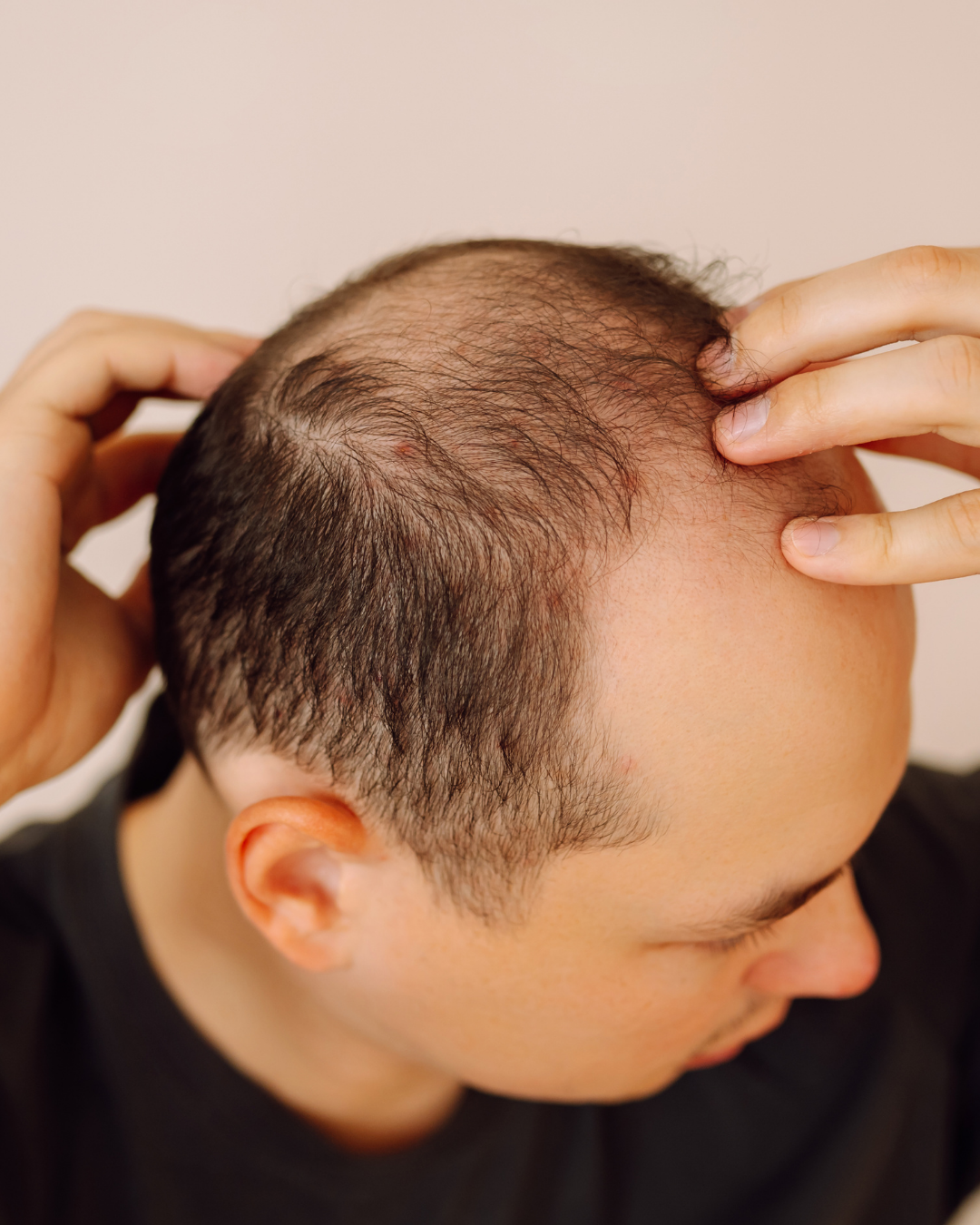
Hair Loss Myths & Safety FAQ Hub
Evidence-Based Answers About Hair Thinning, PRP & Scalp Treatments
Hair loss is one of the most misunderstood concerns in aesthetic medicine. Online misinformation, social media trends, and oversimplified solutions often lead to unrealistic expectations, unnecessary fear, or delayed treatment.
This education hub addresses the most common myths and safety questions about hair loss and non-surgical hair restoration, using a conservative, science-informed approach.
COMMON HAIR LOSS MYTHS (EXPLAINED)
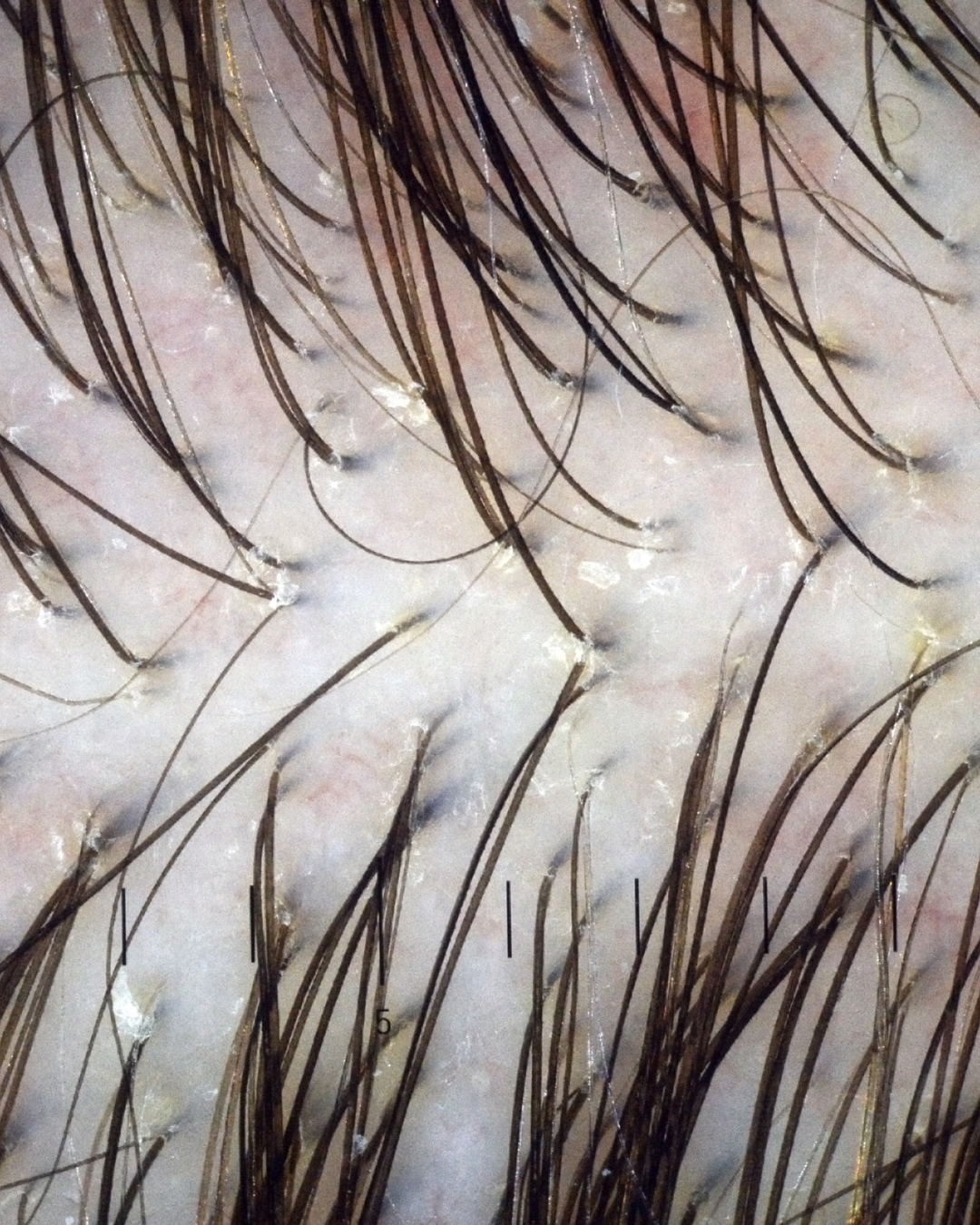
❌ Myth: Hair Loss Is Always Genetic
Truth:
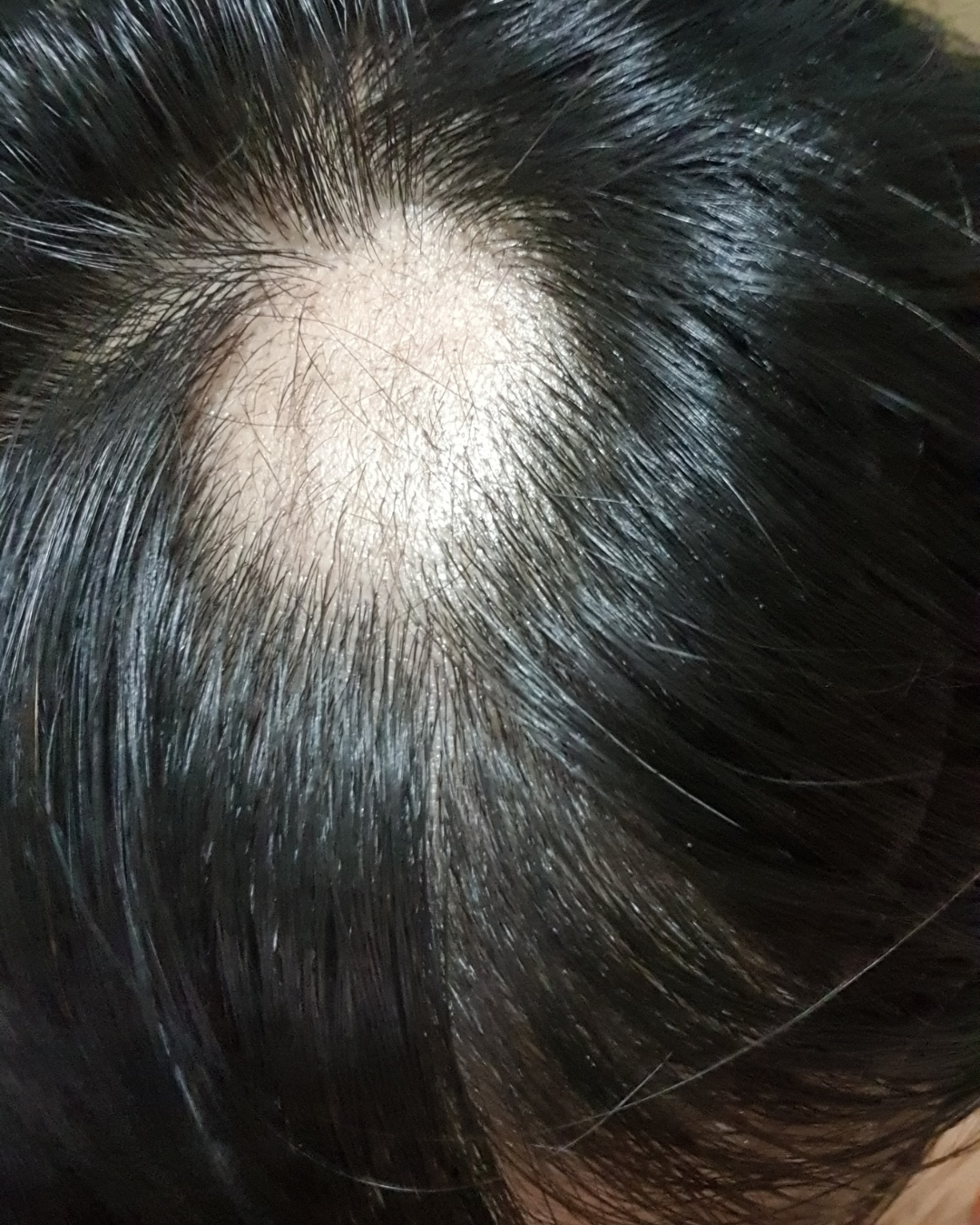
While genetics plays a major role, hair loss is often influenced by multiple factors, including hormones, stress, inflammation, illness, nutrition, and scalp health. Many individuals experience overlapping causes rather than a single trigger.
👉 Related education: Hair Loss Types & Causes
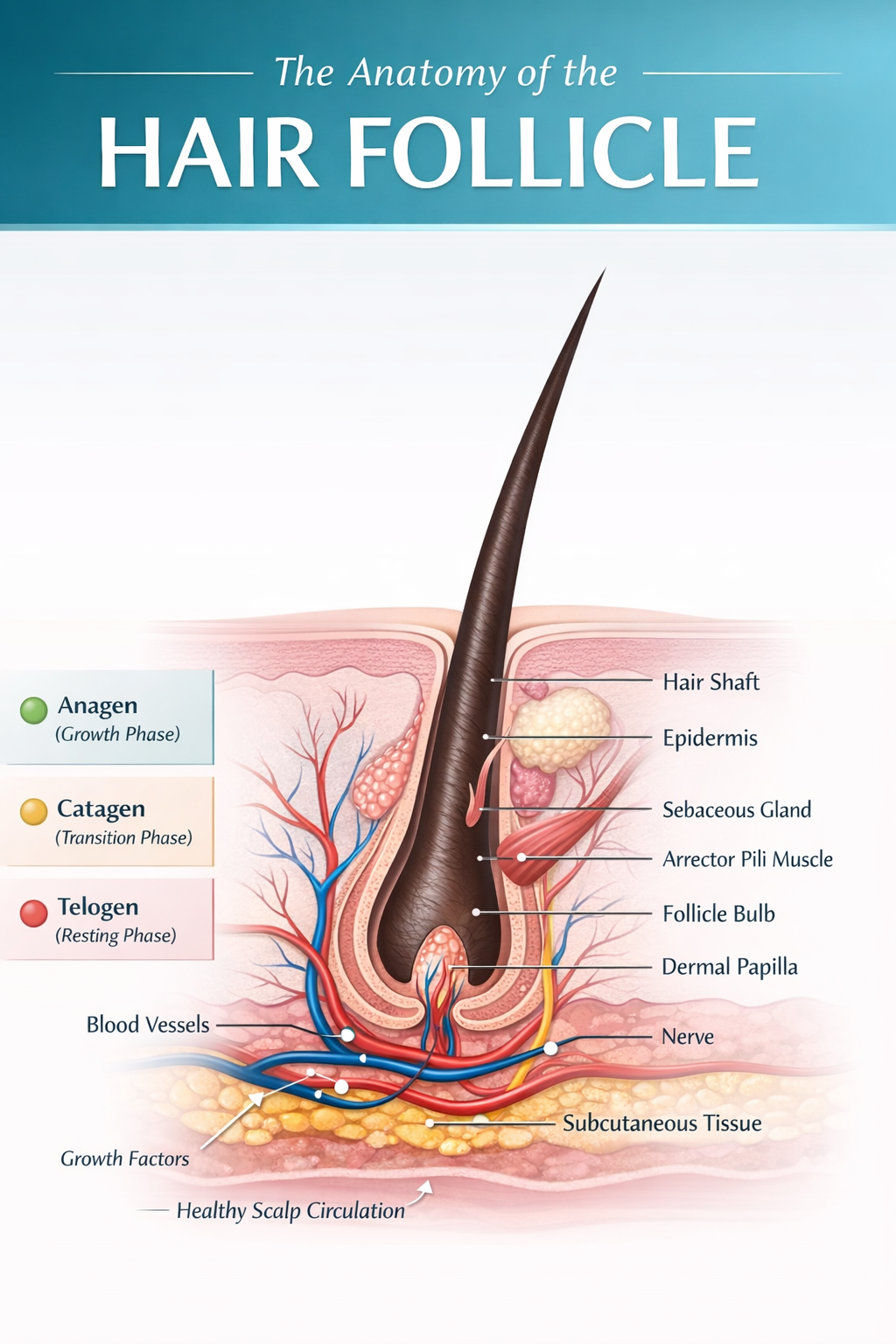
❌ Myth: Shedding Means Permanent Hair Loss
Truth:
Shedding does not always indicate permanent loss. Conditions such as telogen effluvium cause temporary shedding while follicles remain intact and capable of regrowth.
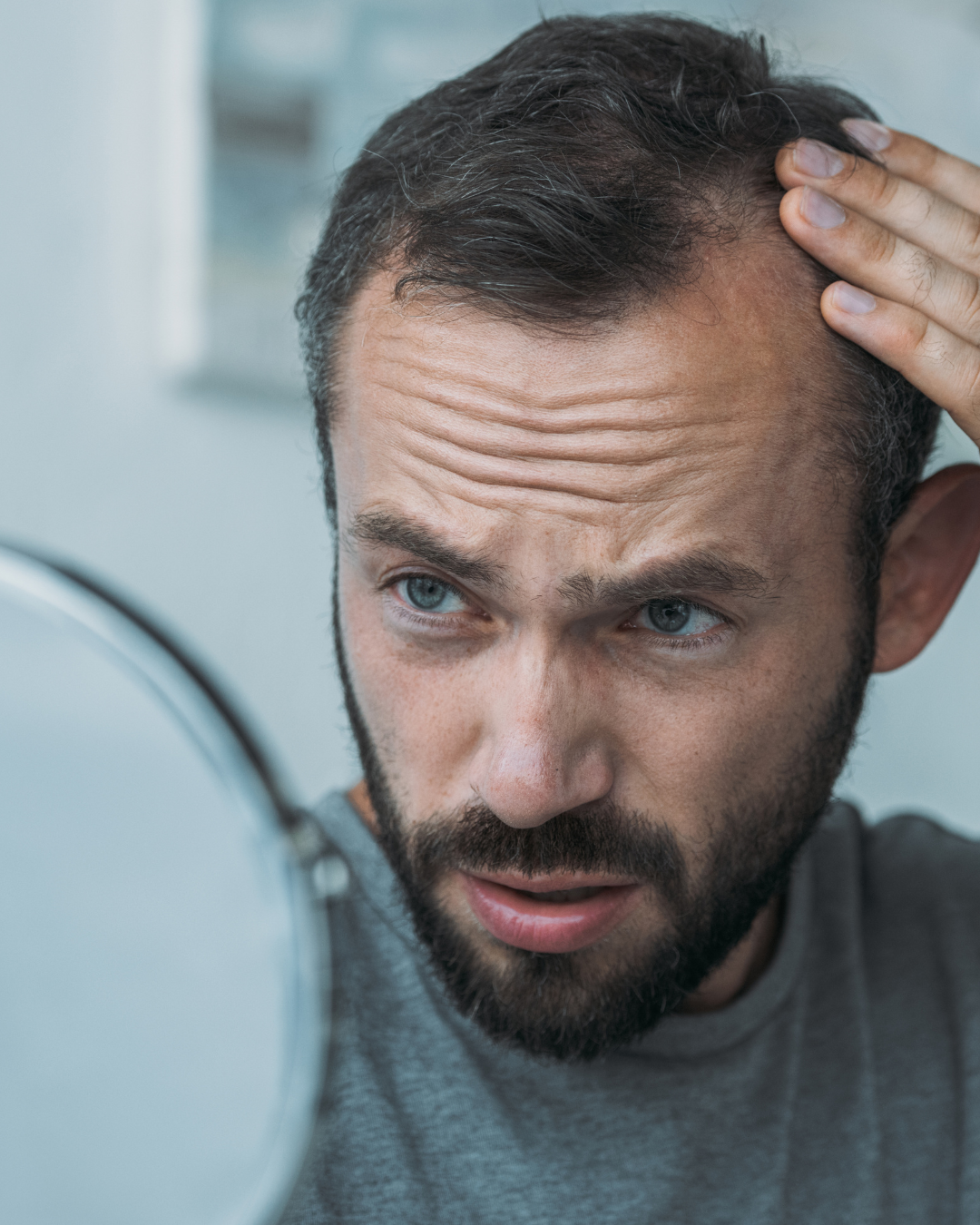
❌ Myth: Hair Loss Only Affects Men
Truth:
Hair thinning is extremely common in women, especially during hormonal shifts such as postpartum, perimenopause, menopause, or periods of stress.
Patterns differ, but the biological impact is real.
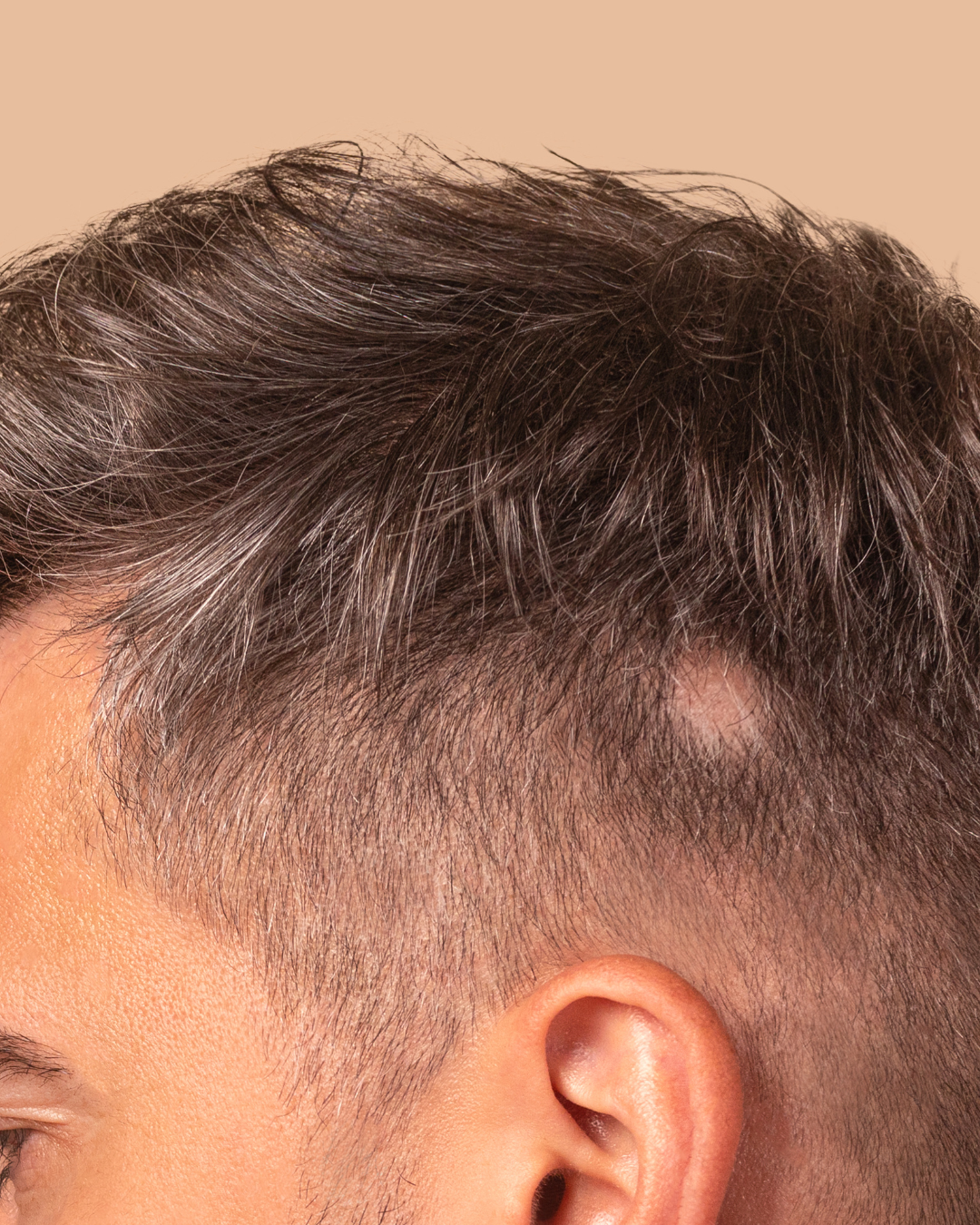
❌ Myth: PRP Regrows Hair Everywhere
Truth:
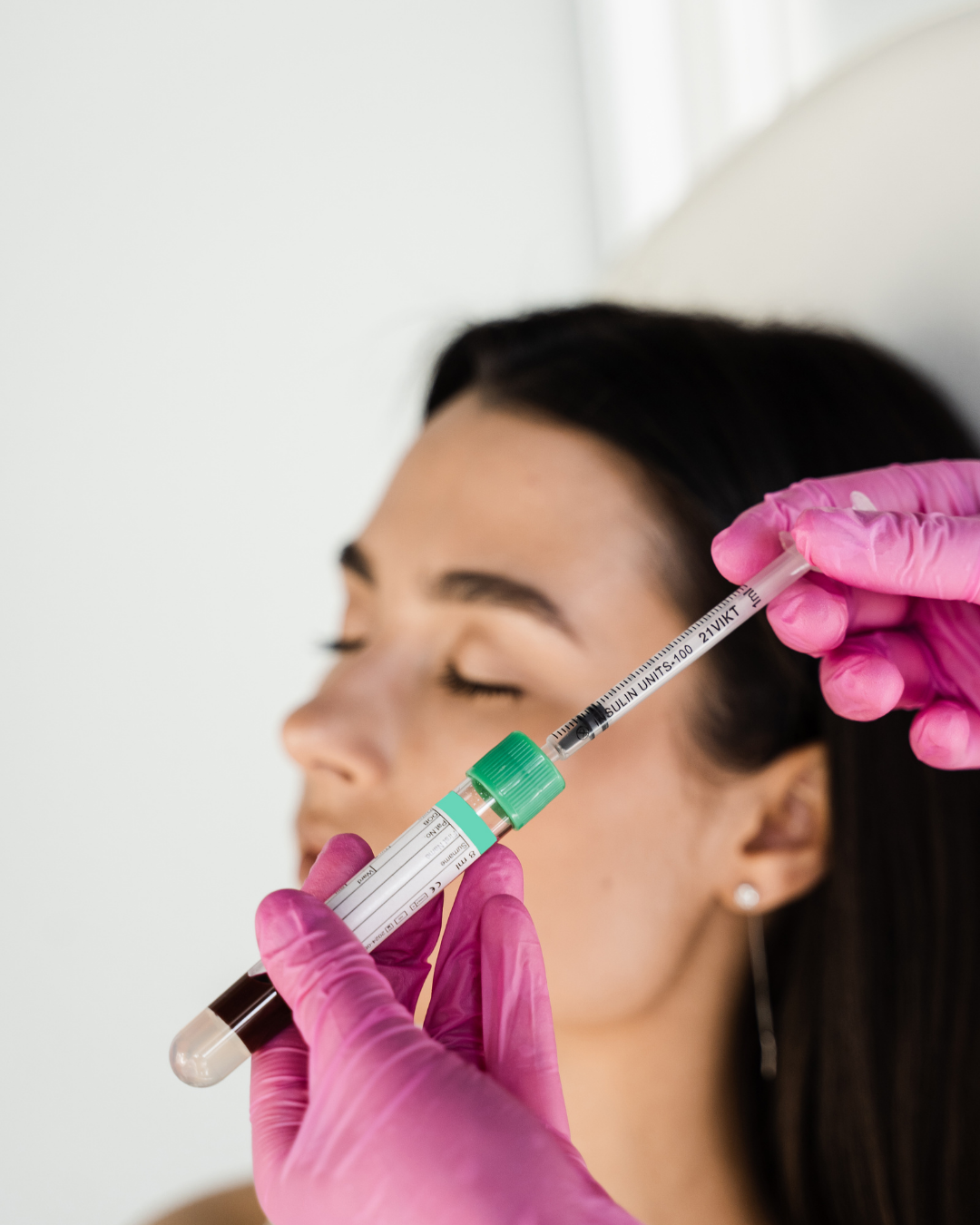
PRP supports existing or dormant follicles. It does not create new follicles or reverse advanced baldness. Early intervention produces the most predictable outcomes.
👉 Related education: PRP Hair Restoration: How It Works
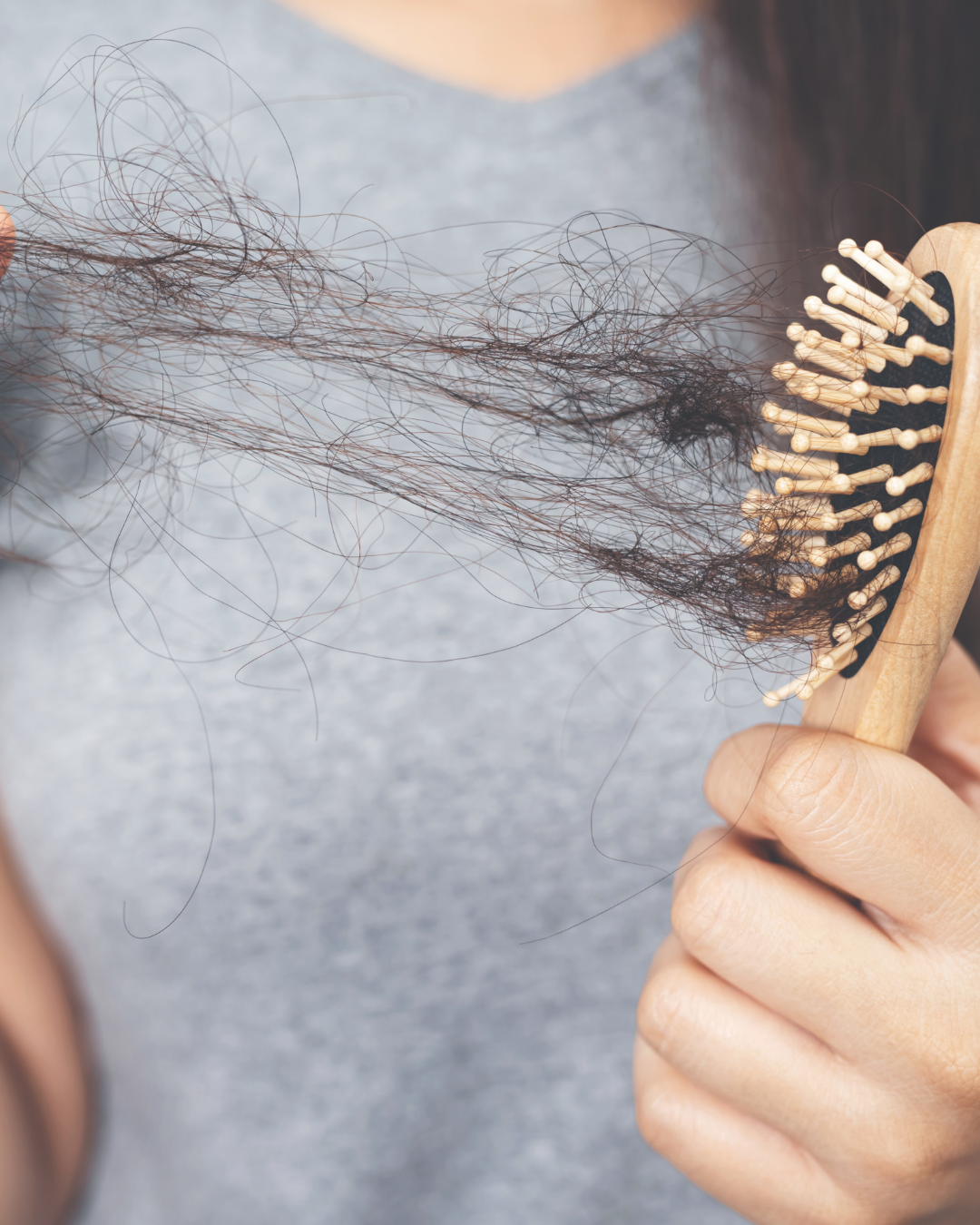
❌ Myth: One Treatment Is Enough
Truth:
Hair growth follows biological cycles. PRP and other treatments require series-based care and maintenance to support follicles over time.
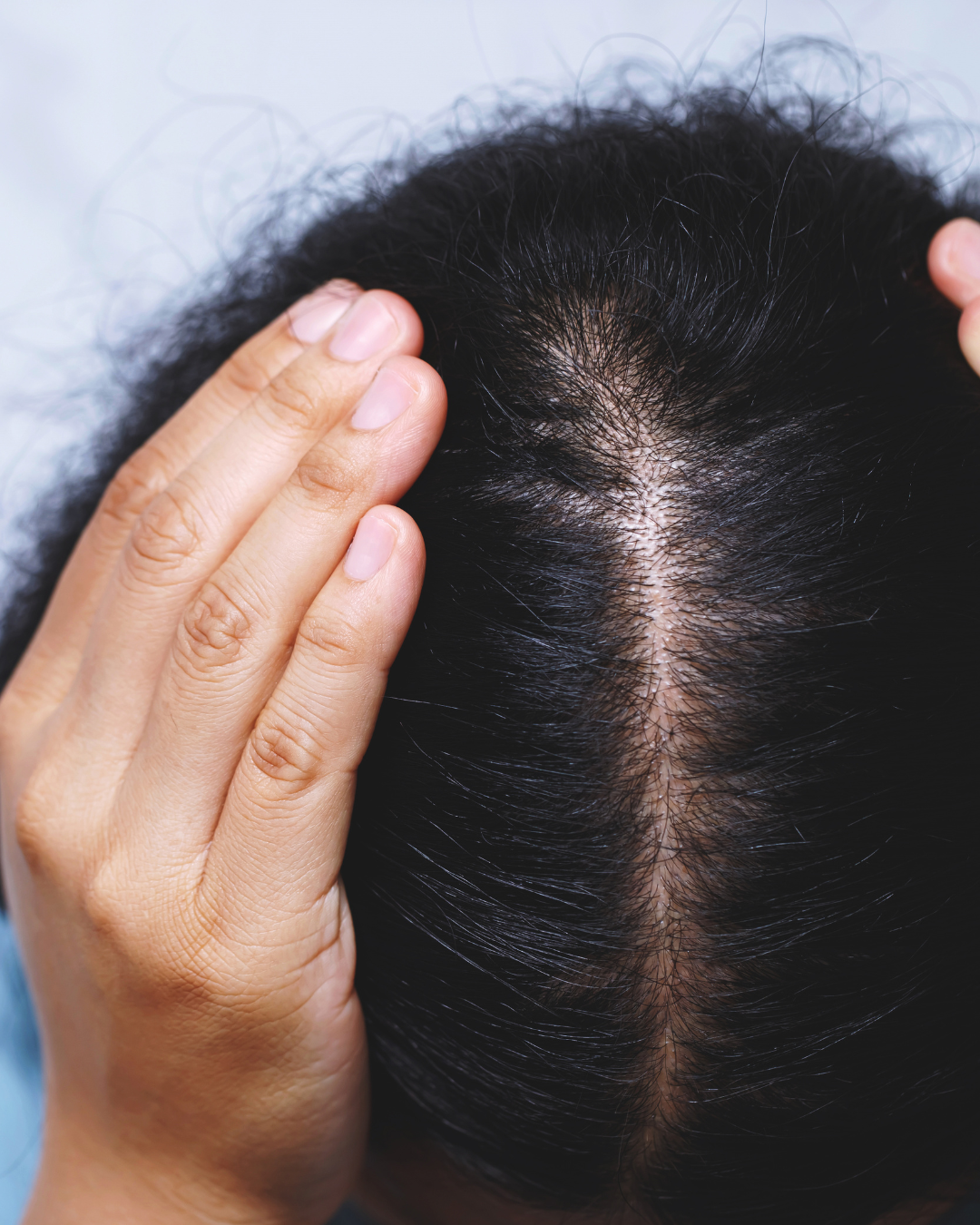
❌ Myth: Expensive Products Guarantee Results
Truth:
No topical or device can override biology. Results depend on cause, timing, and consistency, not product price.
SAFETY QUESTIONS (CLEAR ANSWERS)
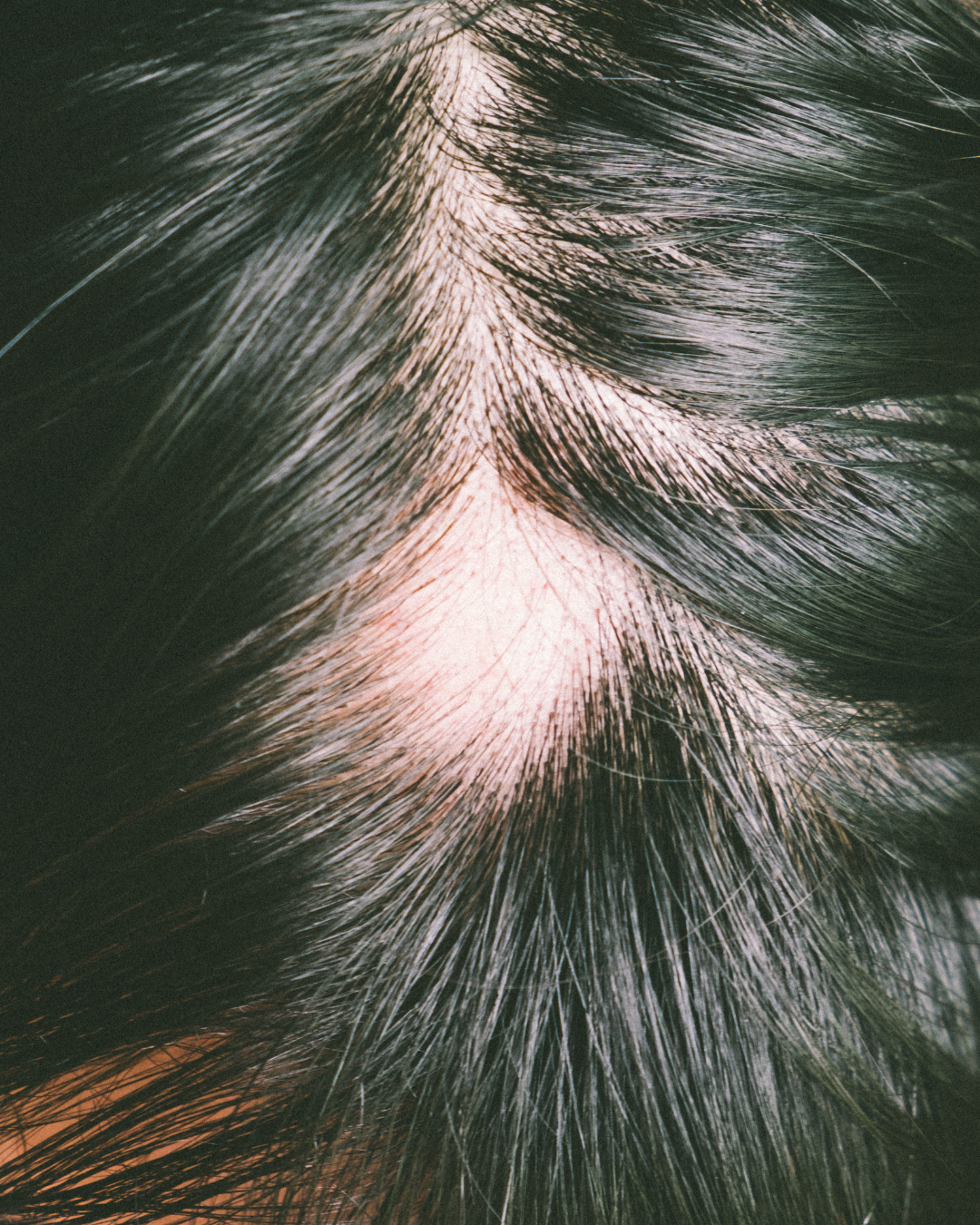
Is Hair Loss Treatment Medical?
Hair loss treatment is a medical-esthetic concern. While non-surgical options are cosmetic, they interact with biological systems such as circulation, hormones, and inflammation.
Education and screening are essential for safety.
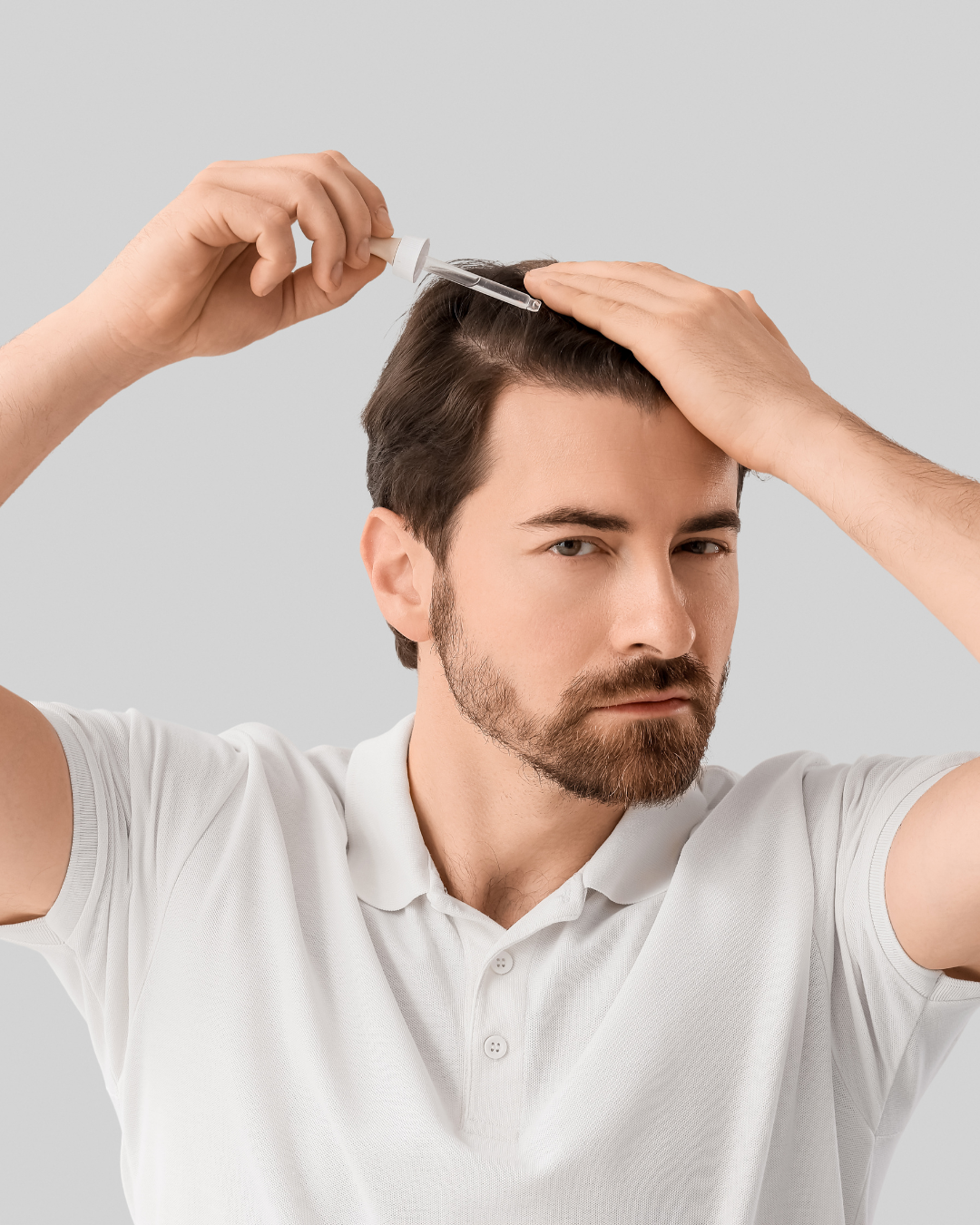
Is PRP Safe for Hair Restoration?
When performed properly, PRP is considered low risk because it uses your own blood (autologous material).
Common effects may include:
Temporary scalp tenderness
Mild swelling
Sensitivity at injection sites
Serious complications are rare when protocols are followed.
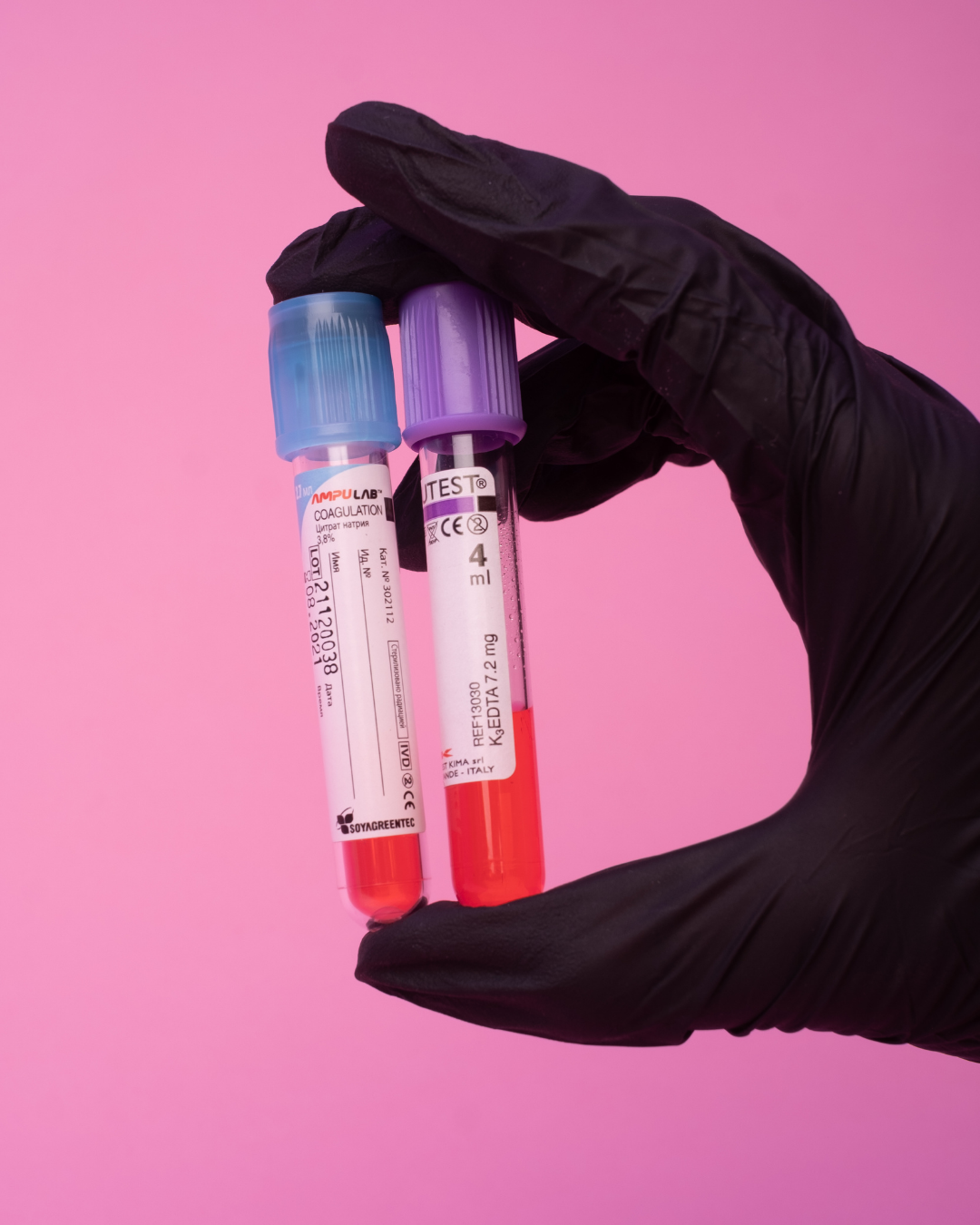
Can PRP Cause Hair Loss?
PRP does not cause permanent hair loss. Some individuals may notice temporary shedding as follicles transition phases — this is part of the natural hair cycle and not a sign of damage.
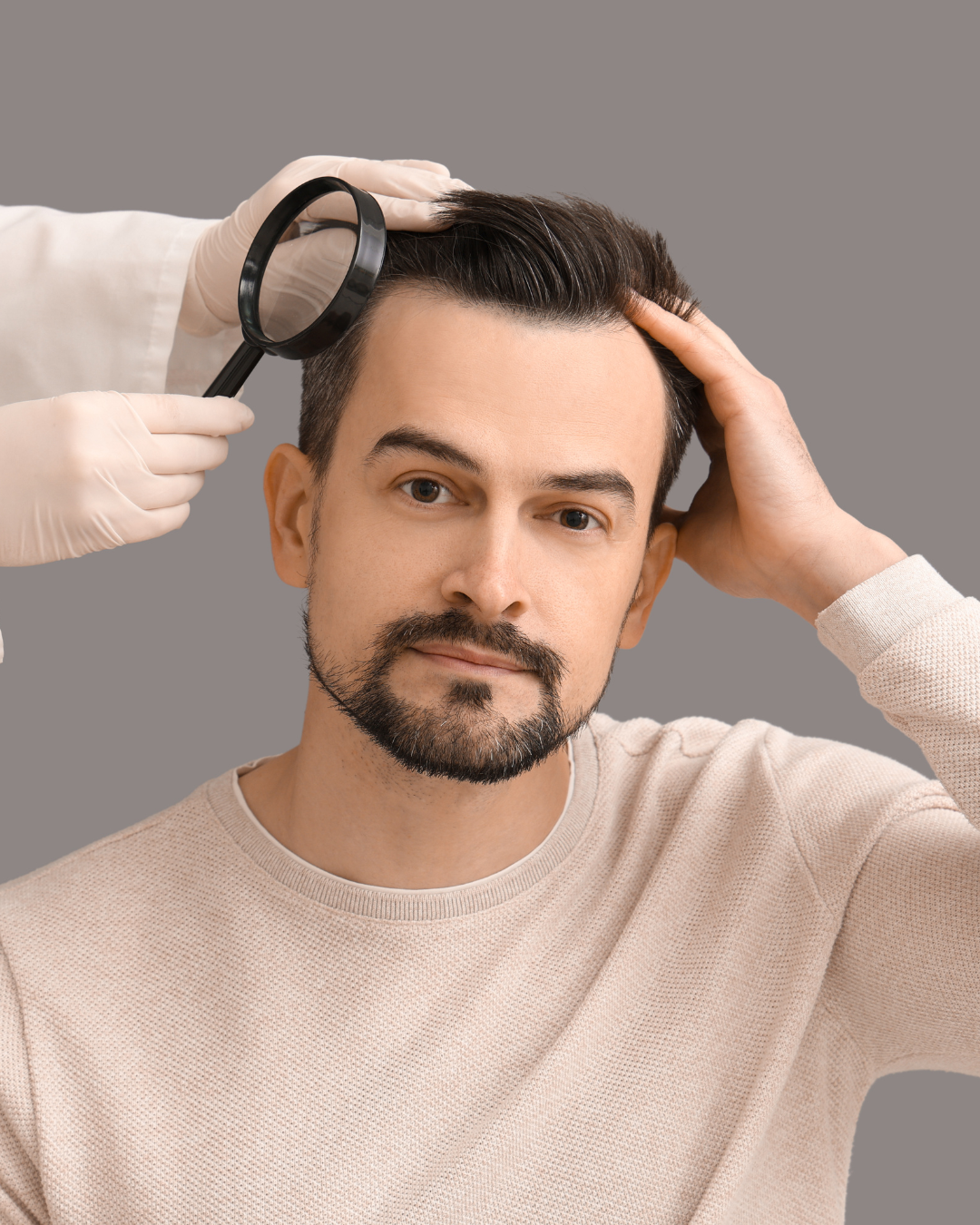
Are Hair Loss Medications Safer Than PRP?
Medications and PRP act through different mechanisms.
Medications act systemically and may carry broader side effects
PRP acts locally at the scalp
Neither is universally “safer” — appropriateness depends on individual factors.
👉 Related education: PRP vs Medications vs Topicals
TIMING & EXPECTATION FAQS

How Soon Should Hair Loss Be Treated?
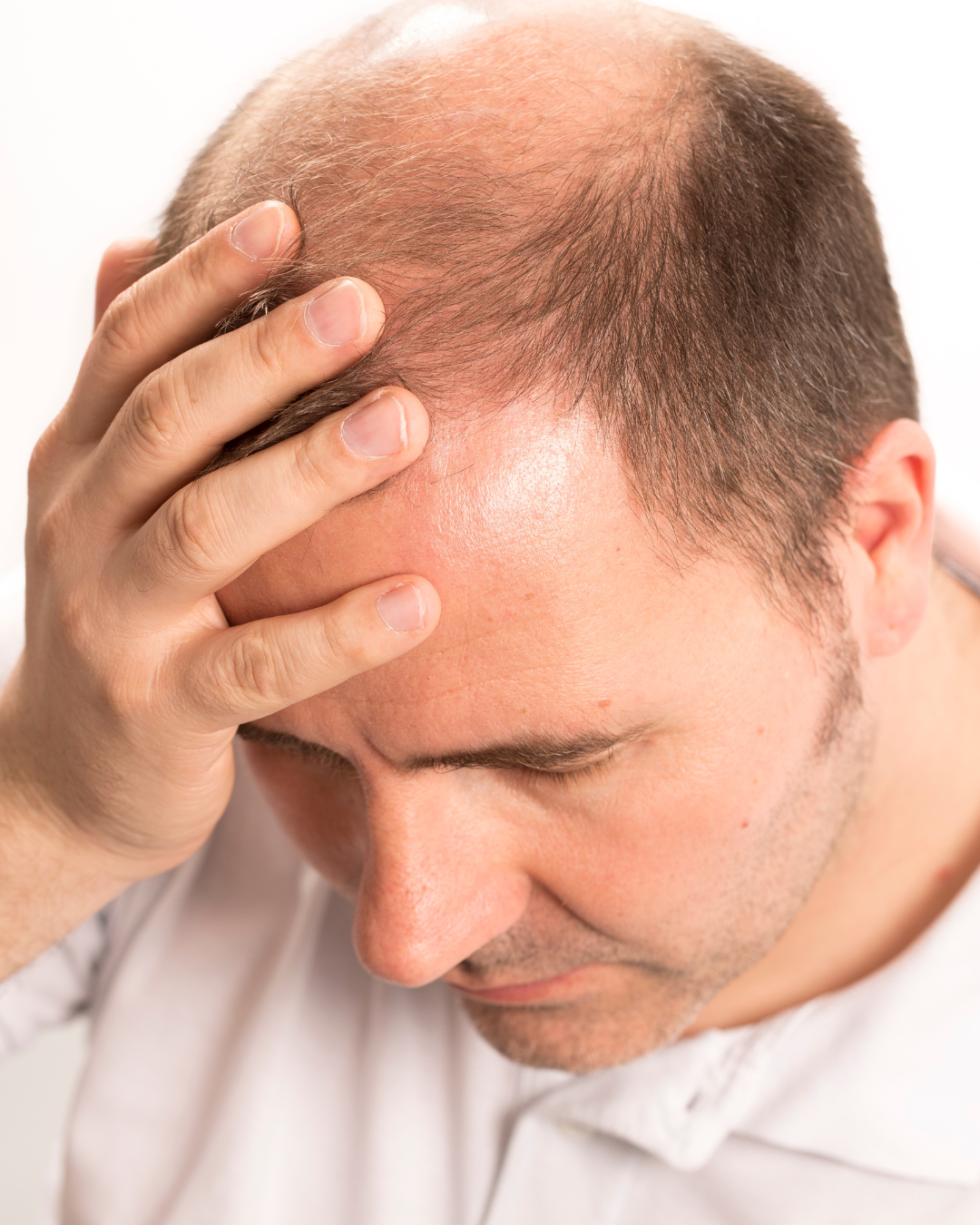
Earlier treatment generally produces better outcomes. Once follicles are inactive for long periods, non-surgical options become less effective.

How Long Does It Take to See Results?
Most non-surgical treatments, including PRP, require 3–6 months for visible changes and up to 12 months for maturation.
👉 Related education: PRP Hair Results Timeline & Maintenance
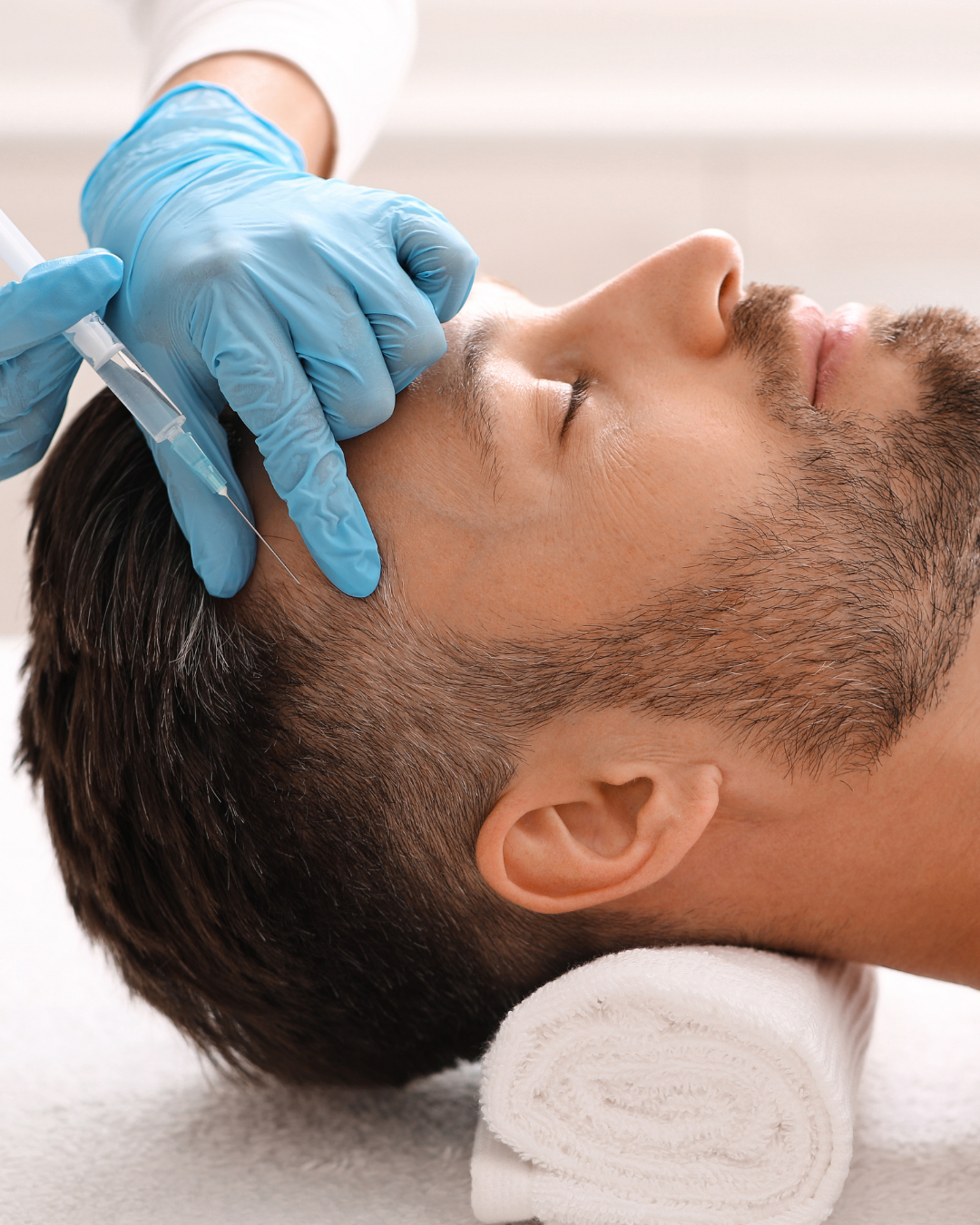
Is Hair Loss Reversible?
Some forms are reversible or improvable, while others are progressive. Treatment focuses on preservation, support, and slowing progression rather than guarantees.
WHO SHOULD BE CAUTIOUS OR DELAY TREATMENT
Hair restoration may be postponed if:
Active scalp infection or inflammation is present
Underlying medical conditions are untreated
Expectations are unrealistic
Advanced baldness is present without active follicles
Consultation determines candidacy.

DENVER-SPECIFIC HAIR LOSS CONSIDERATIONS
In Denver’s high-altitude climate:
Scalp dehydration is common
Environmental stress may increase shedding
Circulation and hydration support are important
Scalp health is a critical part of hair preservation in Colorado.
COMMON MYTHS ABOUT SAFETY & RESULTS
Myth: PRP damages hair follicles
Truth: It supports follicle signaling when done properly.
Myth: More treatments equal faster growth
Truth: Hair growth speed cannot be accelerated beyond biology.
Myth: If hair thins again, treatment failed
Truth: Maintenance supports long-term preservation.
Educational Summary
Hair loss is a complex, multifactorial condition that requires education, patience, and realistic expectations. Non-surgical treatments such as PRP can support existing follicles and slow progression when used appropriately — especially as part of a combined approach.
At Denver Dream Med Spa, hair restoration decisions prioritize:
Education before intervention
Conservative, regenerative support
Long-term scalp health
Ethical expectation-setting
PRP Hair Restoration & Injectable Education
Scalp Hair Loss PRP Treatment in Denver Dream Medspa
Hair Loss Myths & Safety FAQs
How PRP Hair Restoration Works
PRP in Denver Dream Medspa

PRP Vs. Medications Vs. Topicals
Chin Filler Education
Hair Loss Types & Causes
Dermal Fillers vs Botox vs Biostimulators
PRP Hair Results & Maintenance

Join the Skin + Tox Club and Save on Dermal Fillers