
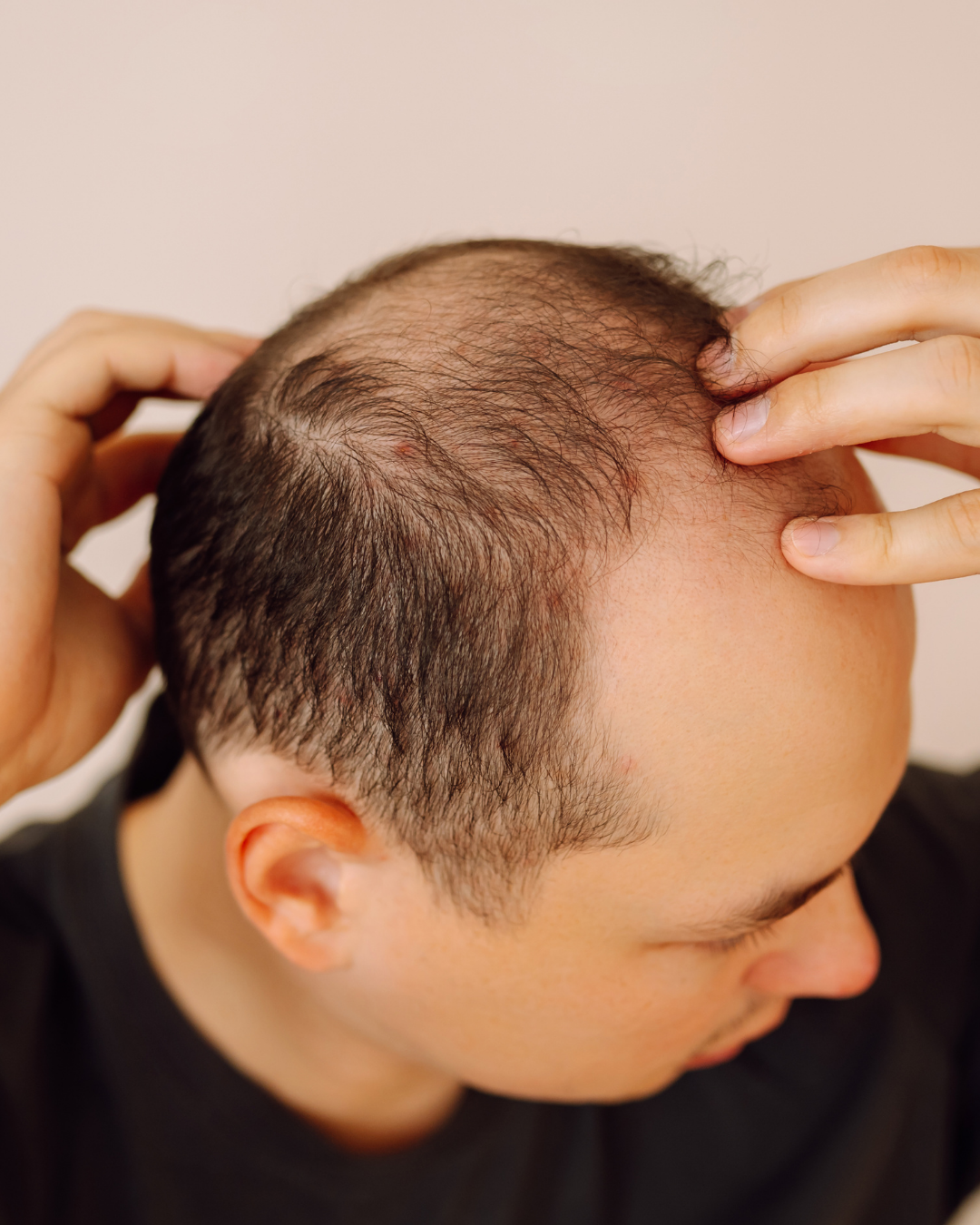
Hair Loss Types & Causes
Understanding Why Hair Thinning Happens and Why the Cause Matters
Hair loss is not a single condition — it is a pattern-driven, biologically complex process influenced by genetics, hormones, inflammation, stress, circulation, and scalp health. Effective treatment depends on identifying what type of hair loss is occurring and why.
This education page explains the most common hair loss types, their underlying causes, and how different patterns respond to treatment, with a focus on non-surgical, regenerative care.
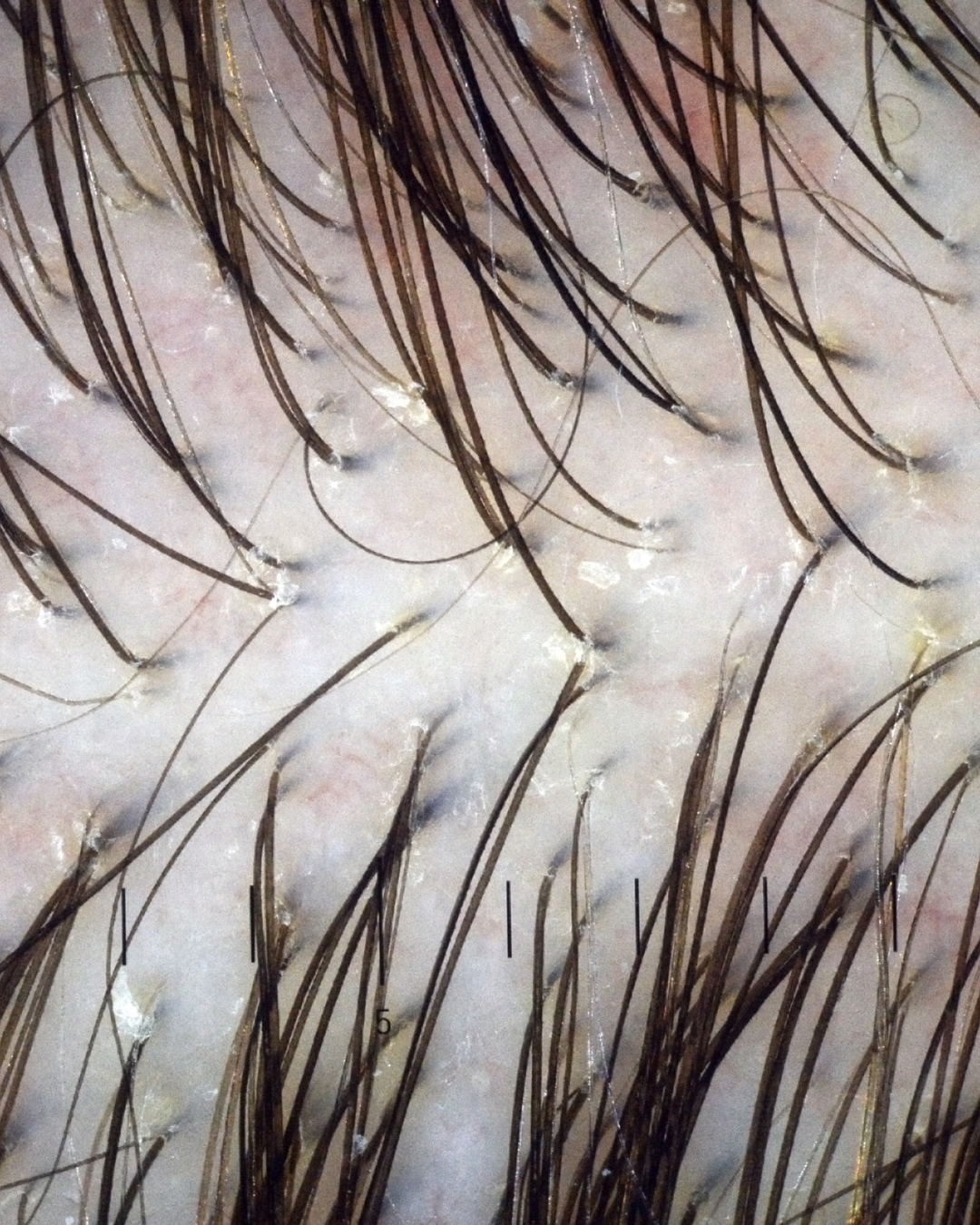
Why Identifying Hair Loss Type Is Critical
Different types of hair loss:
Progress at different speeds
Affect different follicle structures
Respond differently to treatment
Treating hair loss without understanding the cause can lead to poor results or unnecessary frustration.
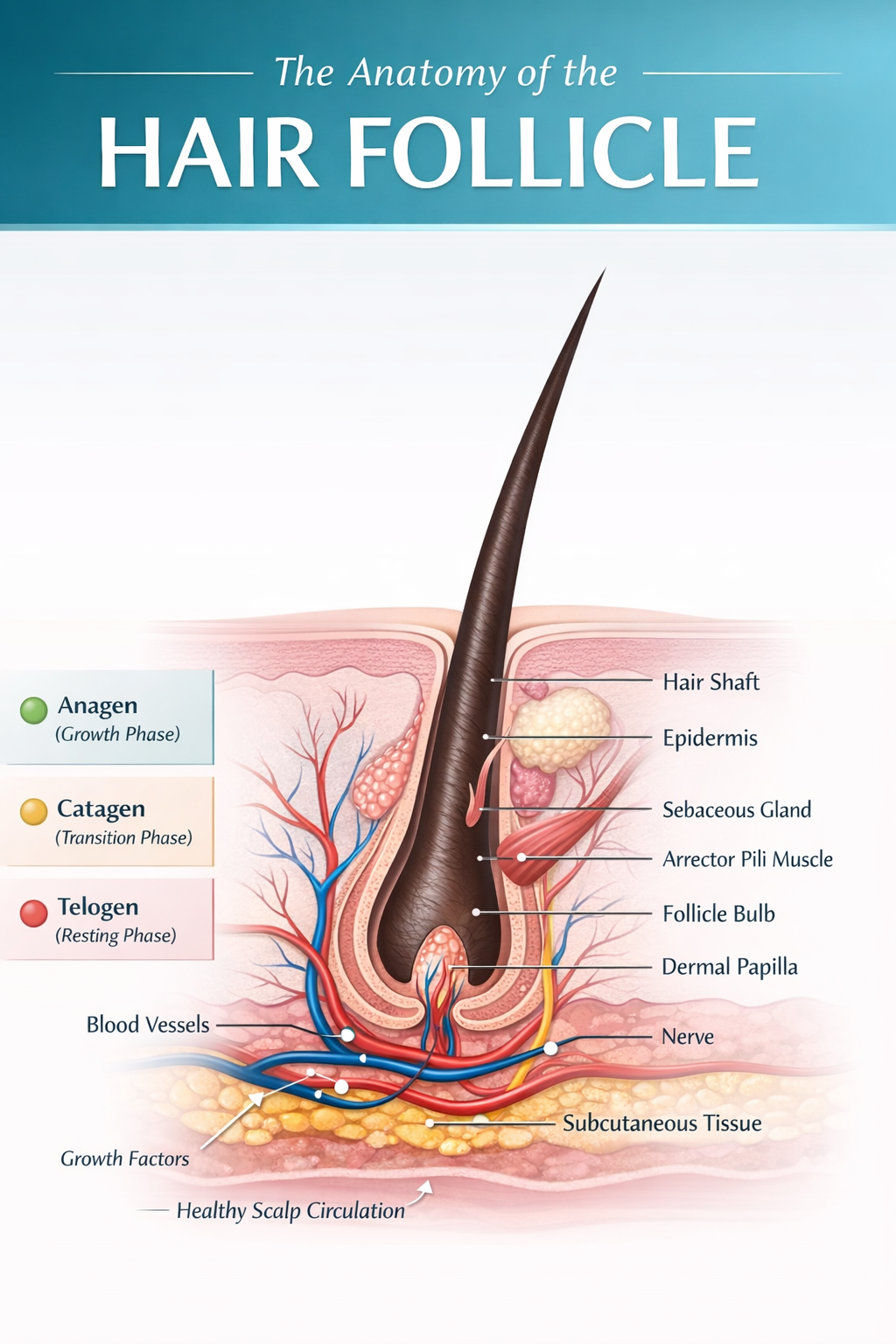
The Hair Follicle: A Brief Biological Overview
Each hair follicle relies on:
Blood supply
Growth signaling
Hormonal balance
Low inflammatory stress
When these factors are disrupted, follicles may:
Miniaturize
Enter prolonged resting phases
Produce thinner hair
Stop producing hair entirely
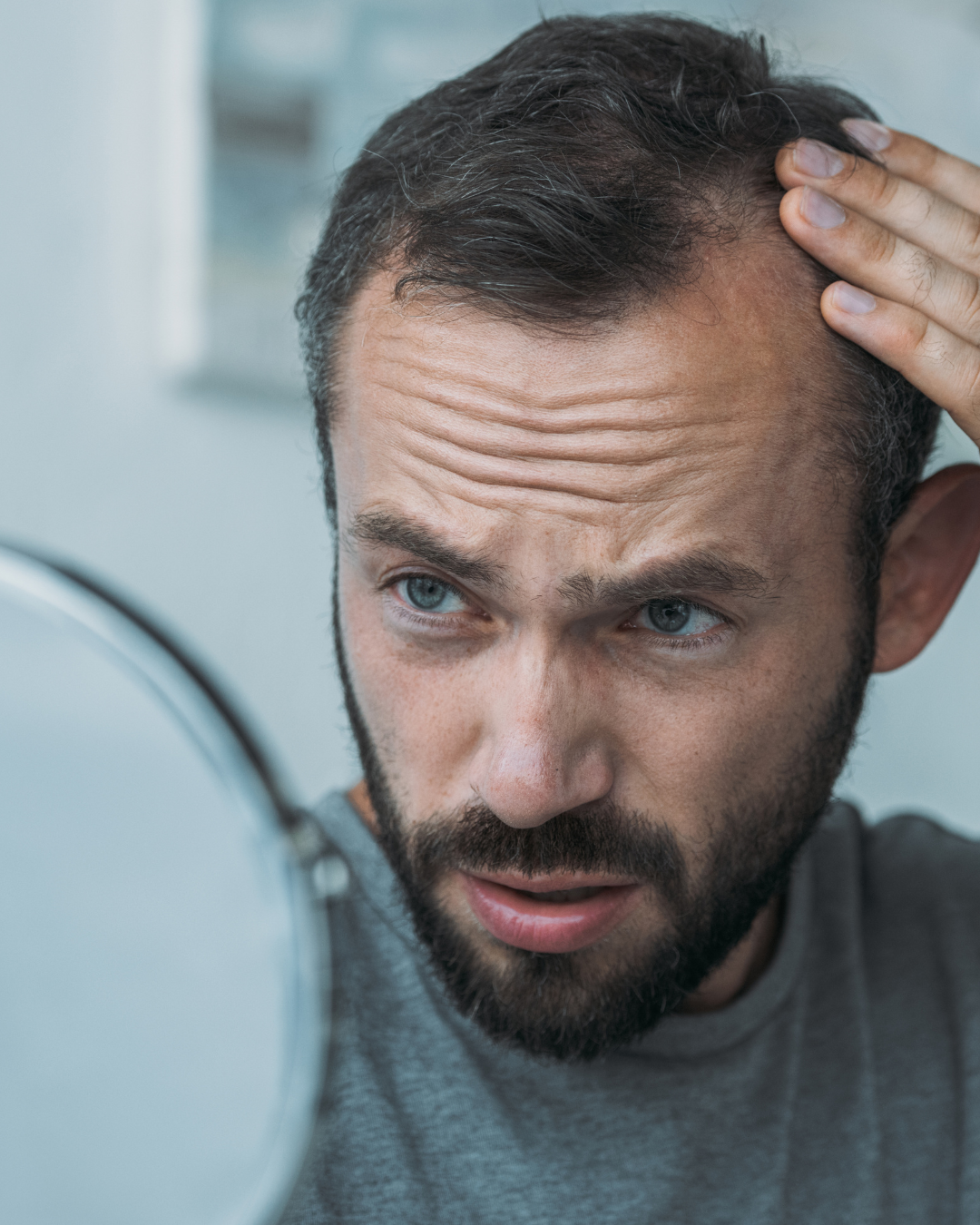
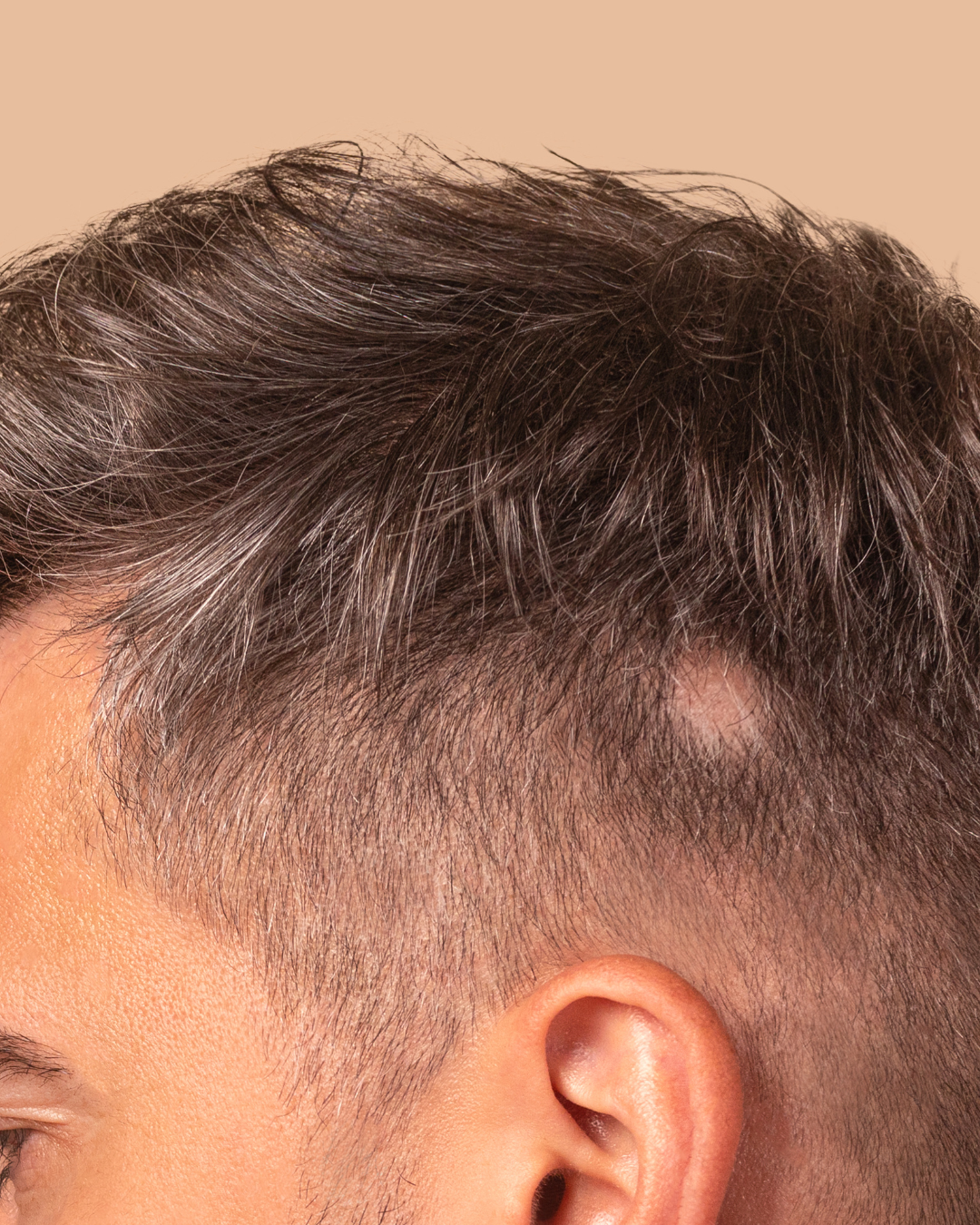
Androgenetic Alopecia (Pattern Hair Loss)
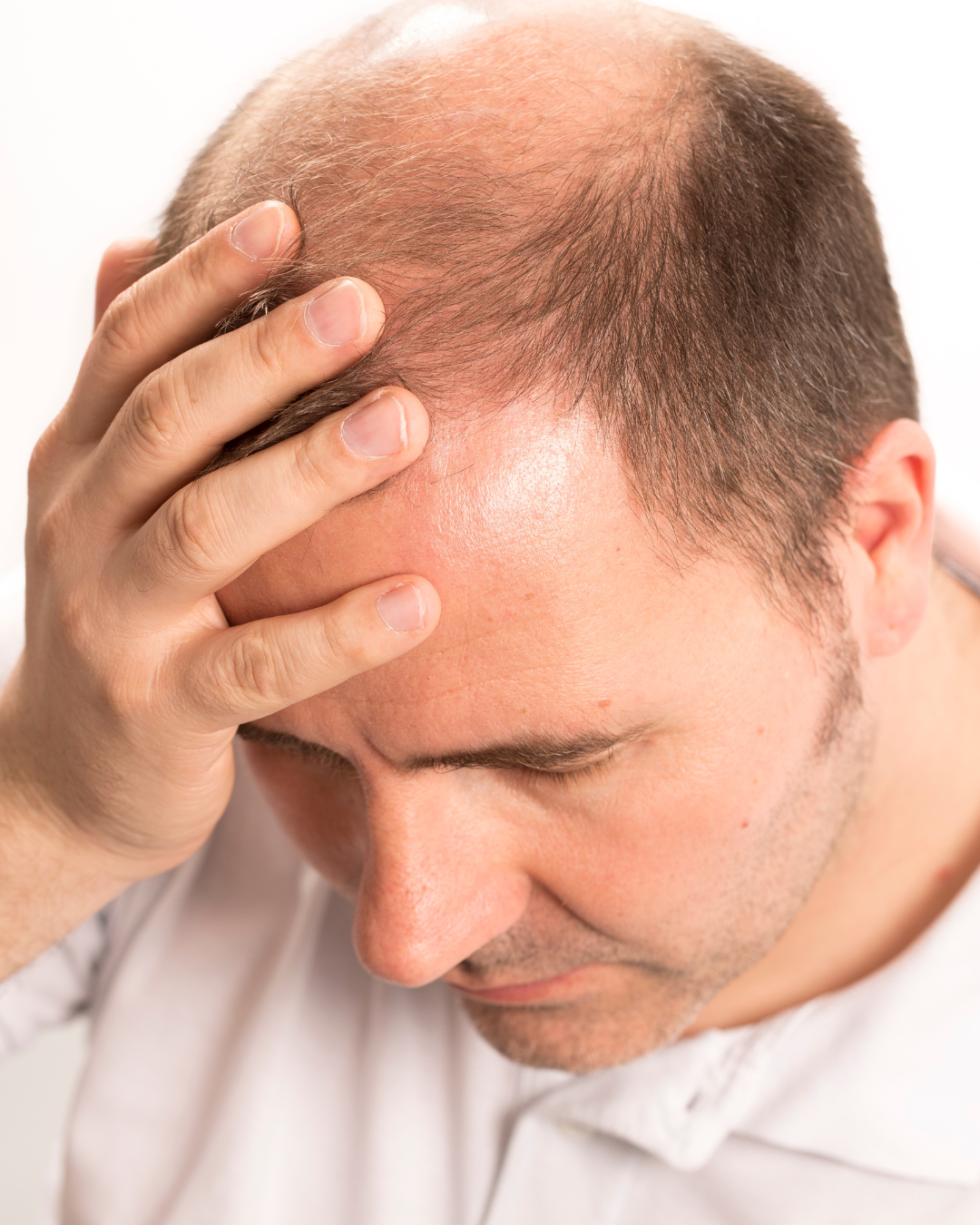
Androgenetic alopecia is the most common form of hair loss in both men and women. It is genetically influenced and hormonally mediated.
How It Develops
Follicles become sensitive to DHT (dihydrotestosterone)
Growth cycles shorten
Hair shafts become progressively thinner
Follicles may eventually stop producing hair
Common Patterns
Men: Receding hairline, crown thinning
Women: Diffuse thinning, widening part
Treatment Response
Early intervention responds best
PRP may help support miniaturized follicles
Combination therapy is often recommended
👉 Related education: PRP Hair Restoration: How It Works
Telogen Effluvium (Stress-Related Shedding)
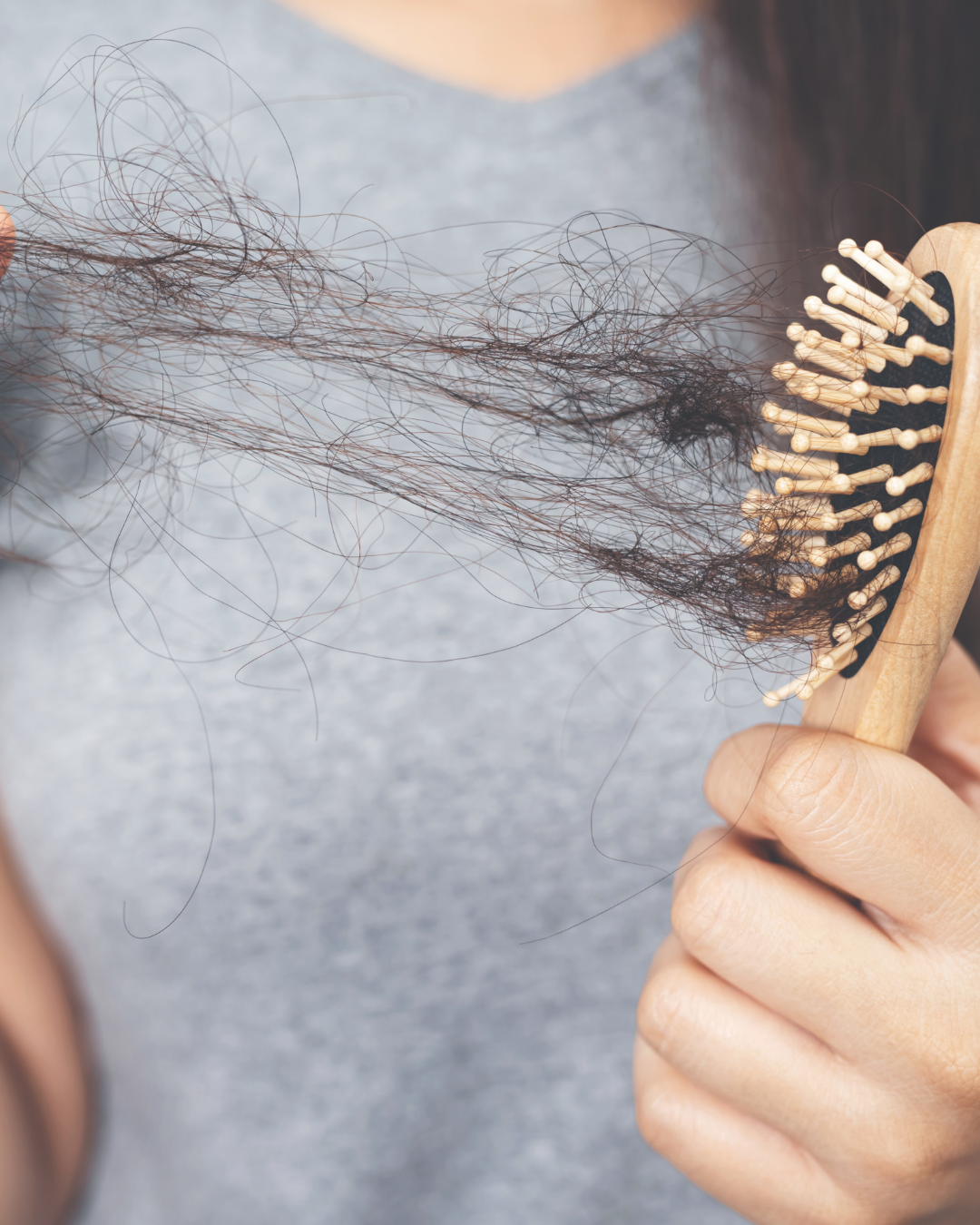
Telogen effluvium is a temporary shedding condition caused by physical or emotional stress.
Common Triggers
Illness or fever
Surgery
Postpartum changes
Significant stress
Rapid weight loss
Nutritional deficiencies
Key Characteristics
Sudden, diffuse shedding
Hair loss occurs 2–4 months after trigger
Follicles remain intact
Treatment Response
Often self-resolving
Scalp support and PRP may help recovery
Stress management and nutrition are important
Hormonal Hair Loss (Non-Genetic)
What It Is
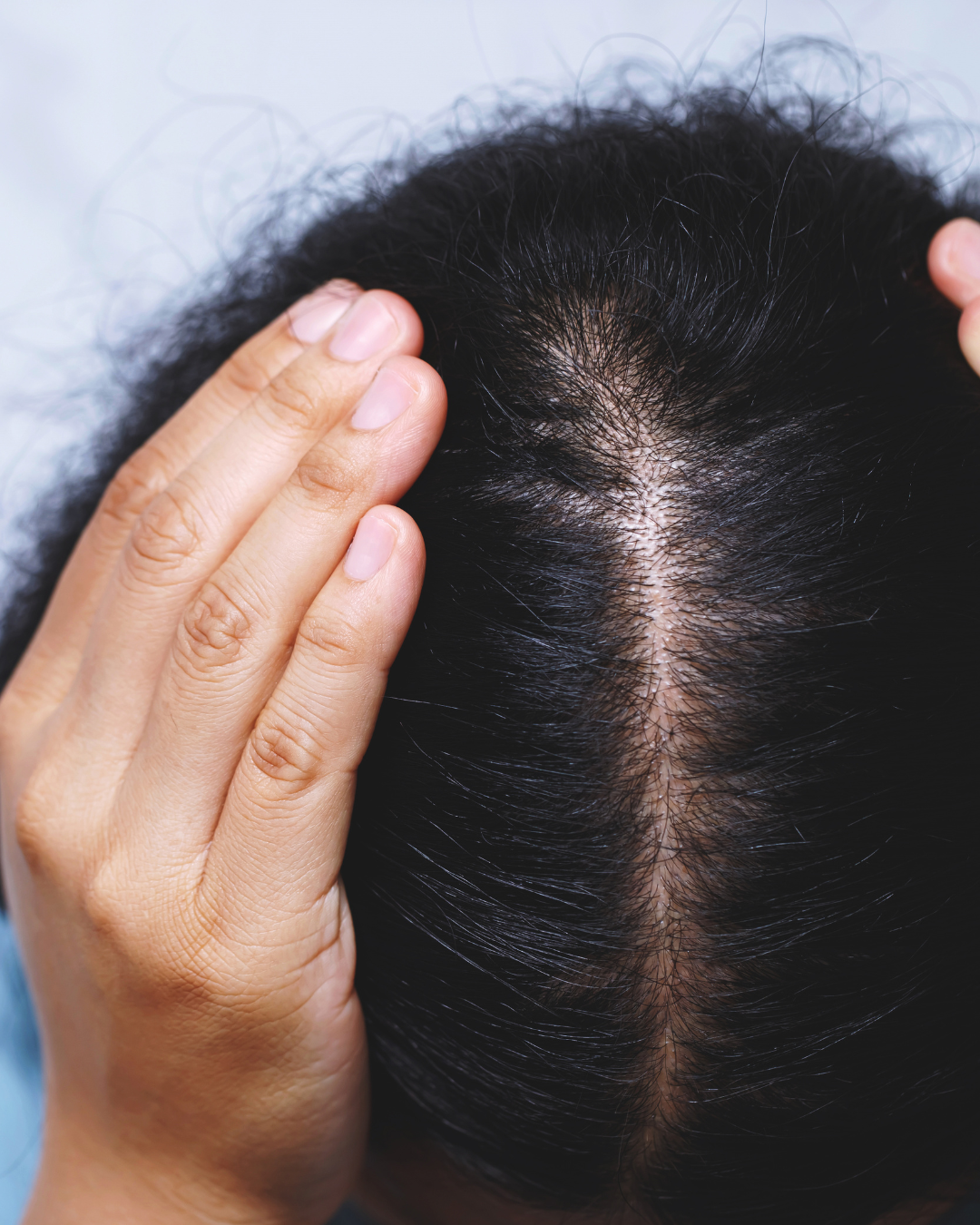
Hair loss is influenced by hormonal imbalance rather than genetics alone.
Common Factors
Thyroid imbalance
PCOS
Menopause or perimenopause
Postpartum hormonal shifts
Characteristics
Diffuse thinning
Texture changes
Increased shedding
Treatment Response
Hormonal stabilization is essential
PRP may support follicle recovery
Combined therapy is often beneficial
Inflammatory & Scalp-Related Hair Loss
What It Is
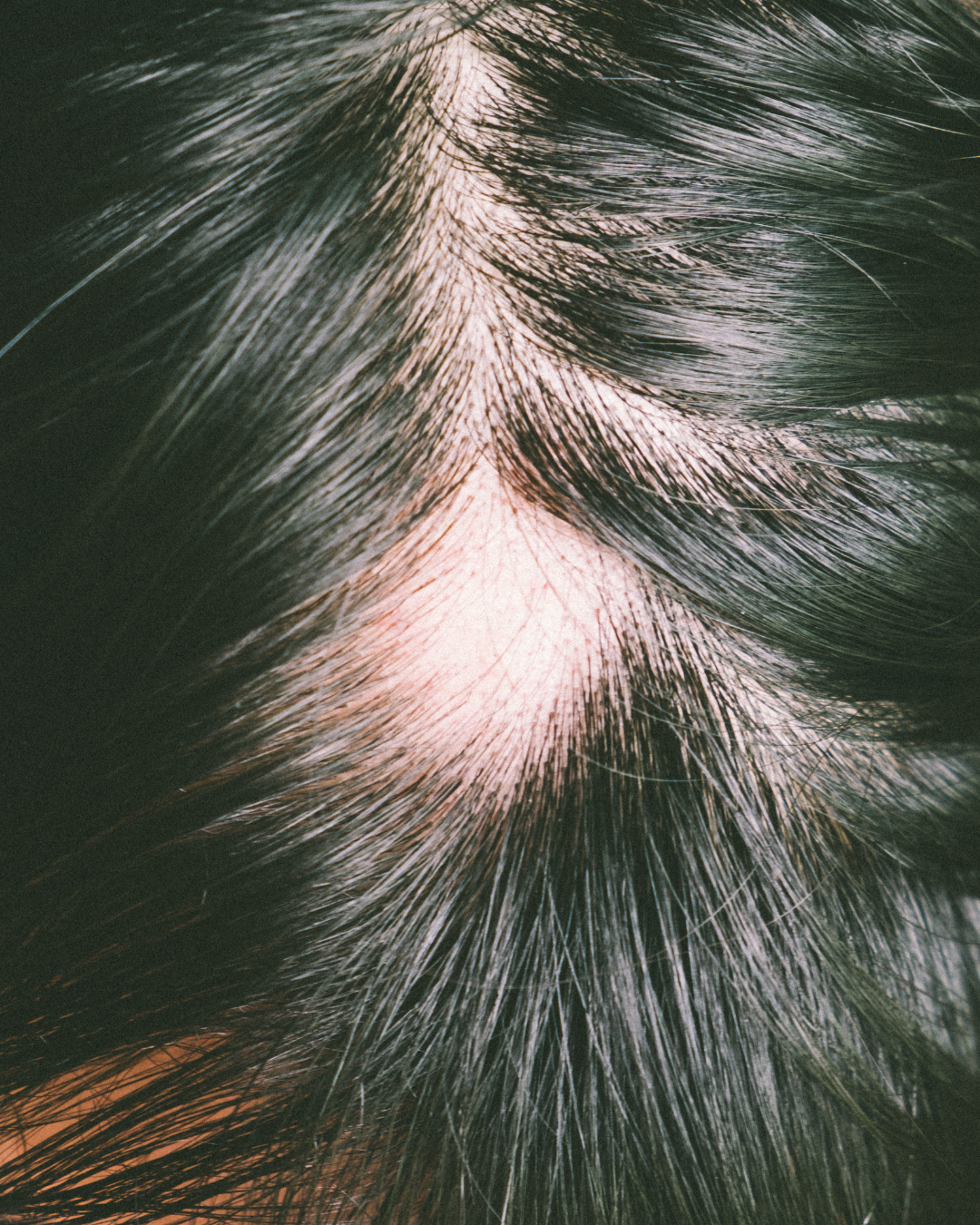
Chronic scalp inflammation can impair follicle function.
Contributing Conditions
Seborrheic dermatitis
Chronic scalp irritation
Autoimmune scalp conditions (case-dependent)
Characteristics
Scalp discomfort or sensitivity
Shedding with irritation
Reduced hair quality
Treatment Response
Scalp health must be addressed first
PRP may help reduce inflammatory stress
Gentle scalp care is critical
Traction & Mechanical Hair Loss
What It Is
Hair loss caused by repeated physical stress on hair follicles.
Common Causes
Tight hairstyles
Extensions or braids
Excessive tension
Characteristics
Hairline thinning
Localized hair loss
Treatment Response
Removing the source of tension is essential
Early intervention may allow regrowth
Advanced cases may be irreversible
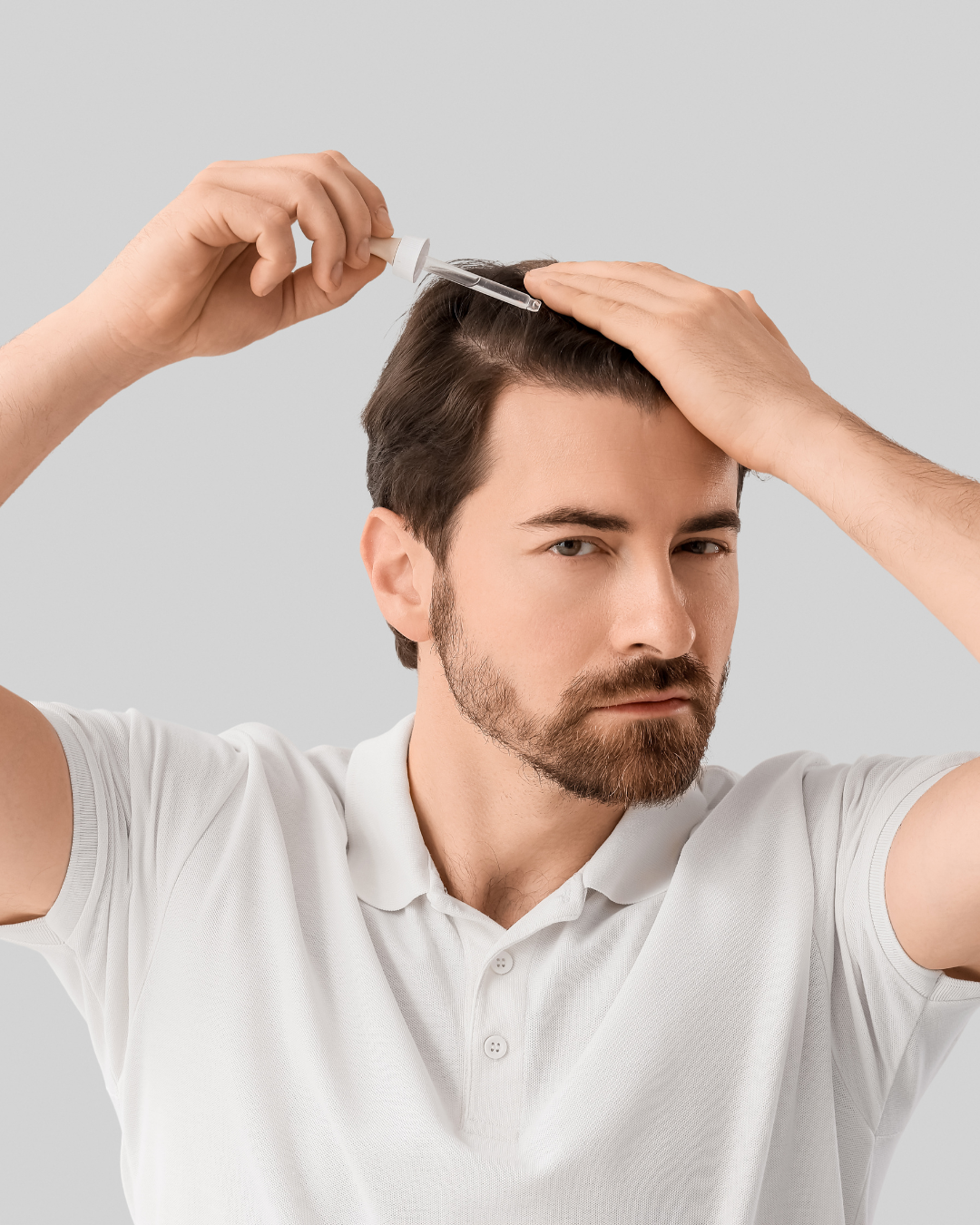
Diffuse Thinning Without Clear Pattern
Some individuals experience:
Overall density loss
Slower growth
Reduced hair caliber
This may reflect:
Age-related follicle slowing
Circulation changes
Nutritional or metabolic factors
PRP may help support follicle vitality in these cases.
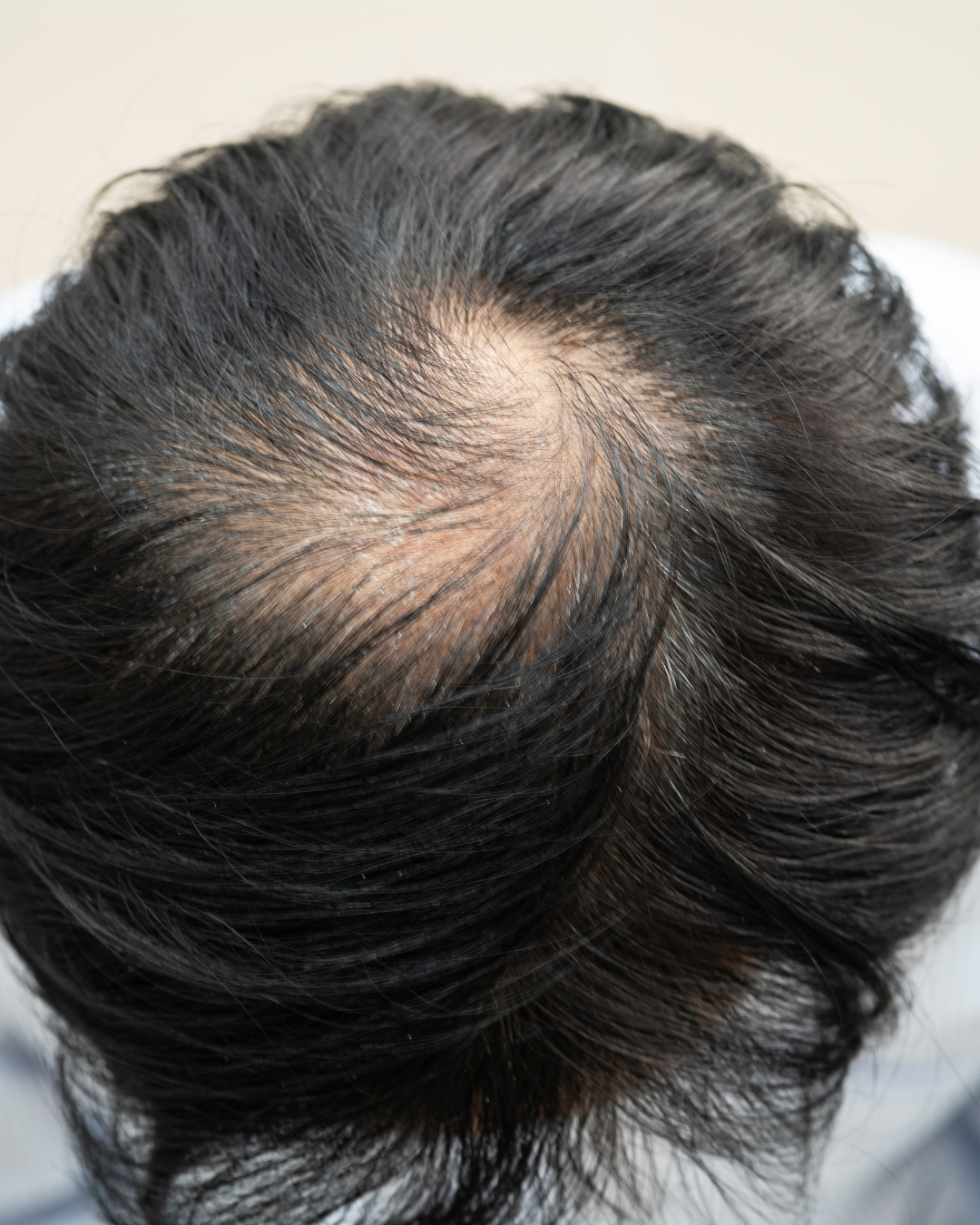
Why Hair Loss Often Has Multiple Causes
Many clients experience overlapping hair loss types, such as:
Genetic thinning + stress shedding
Hormonal changes + inflammation
Environmental stress + aging
This is why single-solution treatments rarely work optimally.
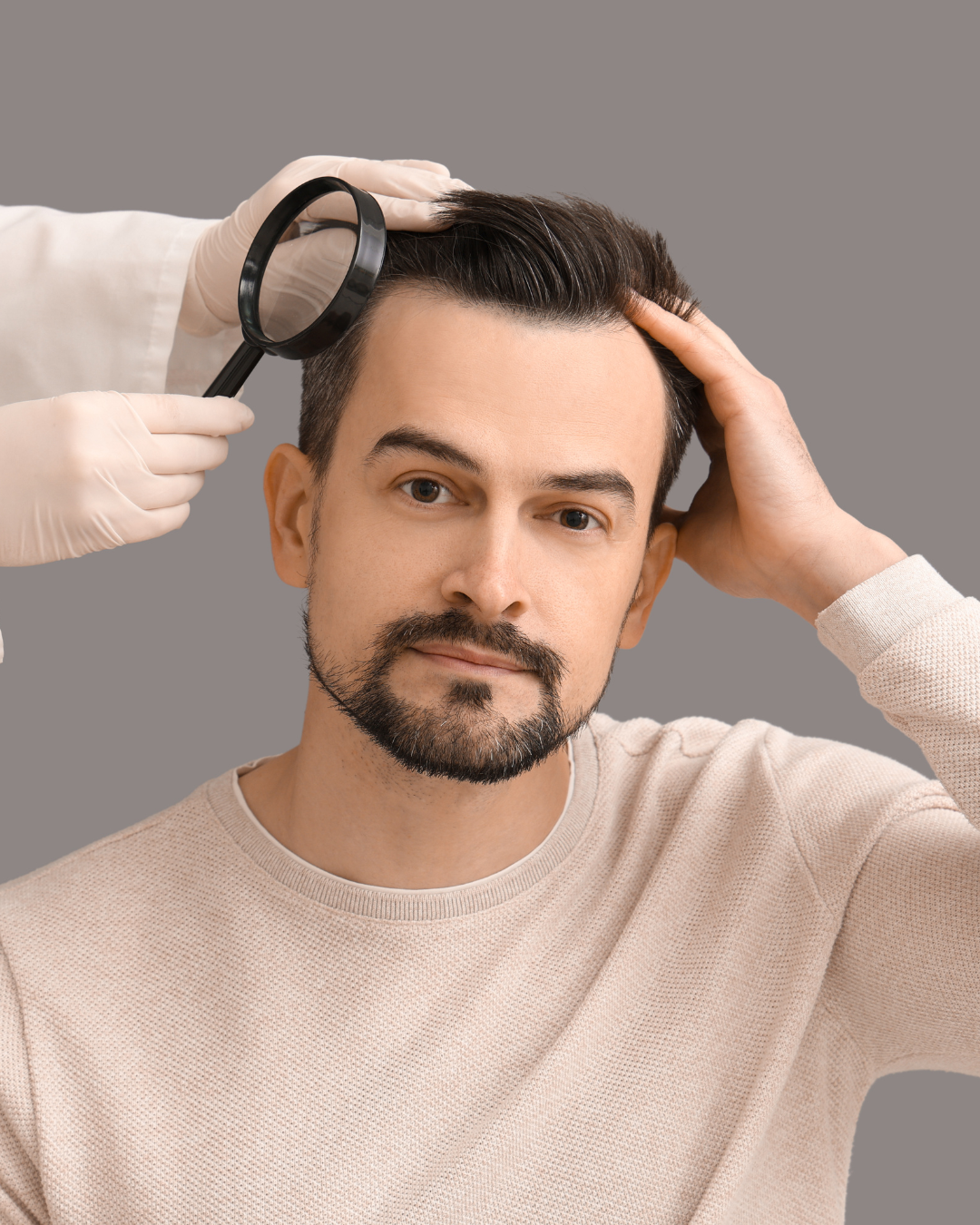
How Hair Loss Type Influences Treatment Planning
Understanding hair loss type helps determine:
Whether PRP is appropriate
Whether combined therapy is recommended
How aggressive treatment should be
What expectations are realistic
👉 Related education: PRP vs Medications vs Topicals

Denver-Specific Hair Loss Considerations
In Denver’s high-altitude environment:
Scalp dehydration is common
Environmental stress may worsen shedding
Circulation support becomes more important
Scalp hydration and regenerative support are emphasized.
Common Myths About Hair Loss Causes
Myth: Hair loss is always genetic
Truth: Many factors contribute.
Myth: Shedding always means permanent loss
Truth: Many shedding conditions are reversible.
Myth: One treatment works for all hair loss
Truth: Hair loss requires individualized planning.
Educational Summary
Hair loss is a biologically diverse condition, and successful treatment begins with understanding what type of hair loss is present and why. Early, education-driven intervention offers the best opportunity to preserve existing hair and support follicle health.
At Denver Dream Med Spa, hair restoration planning emphasizes:
Education before treatment
Conservative, regenerative support
Combined therapy when appropriate
Long-term scalp health
PRP Hair Restoration & Injectable Education
Scalp Hair Loss PRP Treatment in Denver Dream Medspa
Hair Loss Myths & Safety FAQs
How PRP Hair Restoration Works
PRP in Denver Dream Medspa
PRP Vs. Medications Vs. Topicals
Chin Filler Education
Hair Loss Types & Causes
Dermal Fillers vs Botox vs Biostimulators
PRP Hair Results & Maintenance
Join the Skin + Tox Club and Save on Dermal Fillers