
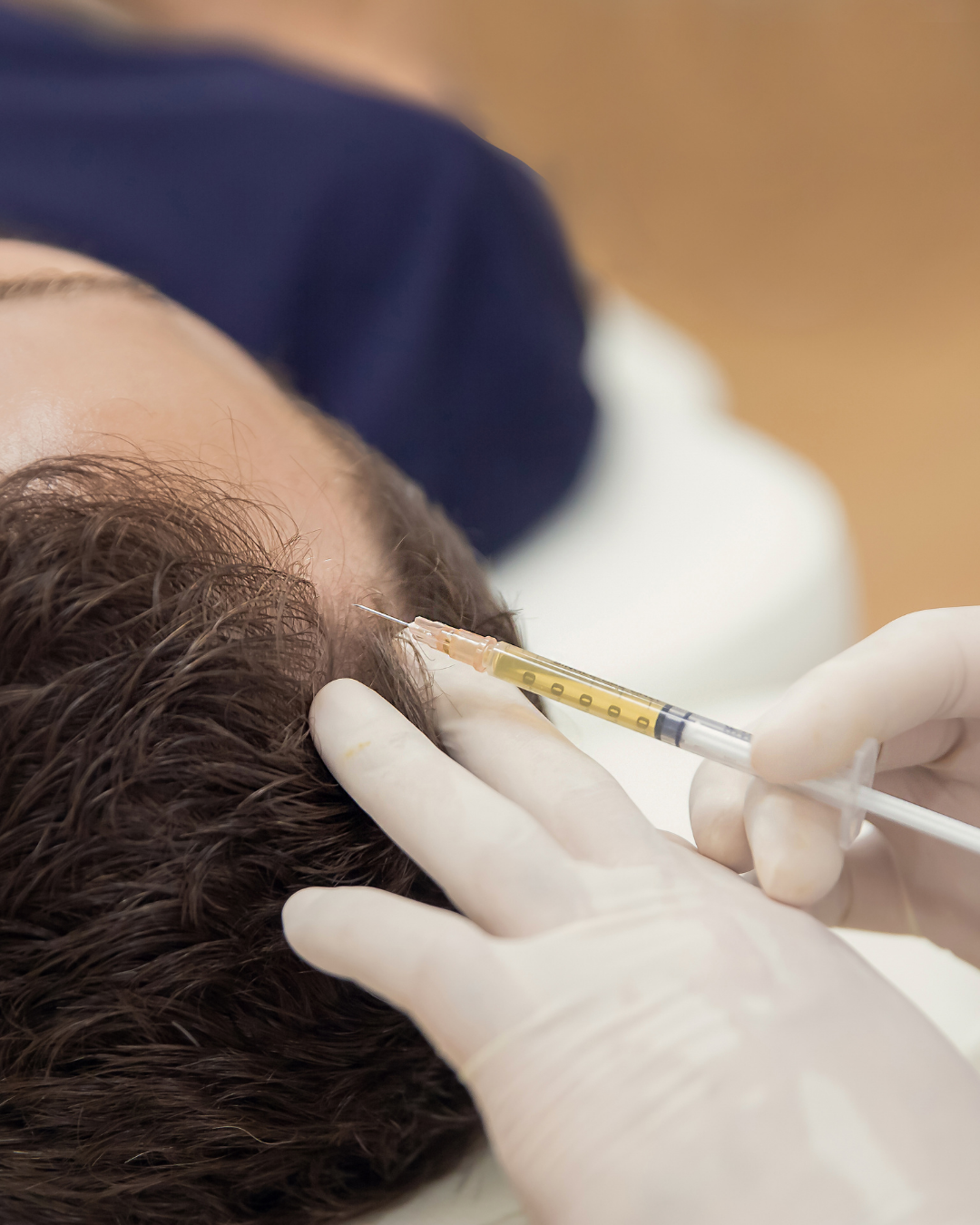
PRP Hair Restoration: How It Works
Understanding the Biology Behind Platelet-Rich Plasma for Scalp Hair Loss
Platelet-Rich Plasma (PRP) therapy is a regenerative treatment used in aesthetic medicine to support tissue repair, circulation, and cellular signaling. In scalp hair restoration, PRP is used to support existing hair follicles, improve scalp health, and slow the progression of hair thinning.
This education page explains what PRP is, how it interacts with hair follicles, and why results are gradual and cumulative.
What PRP Is (Clinically)
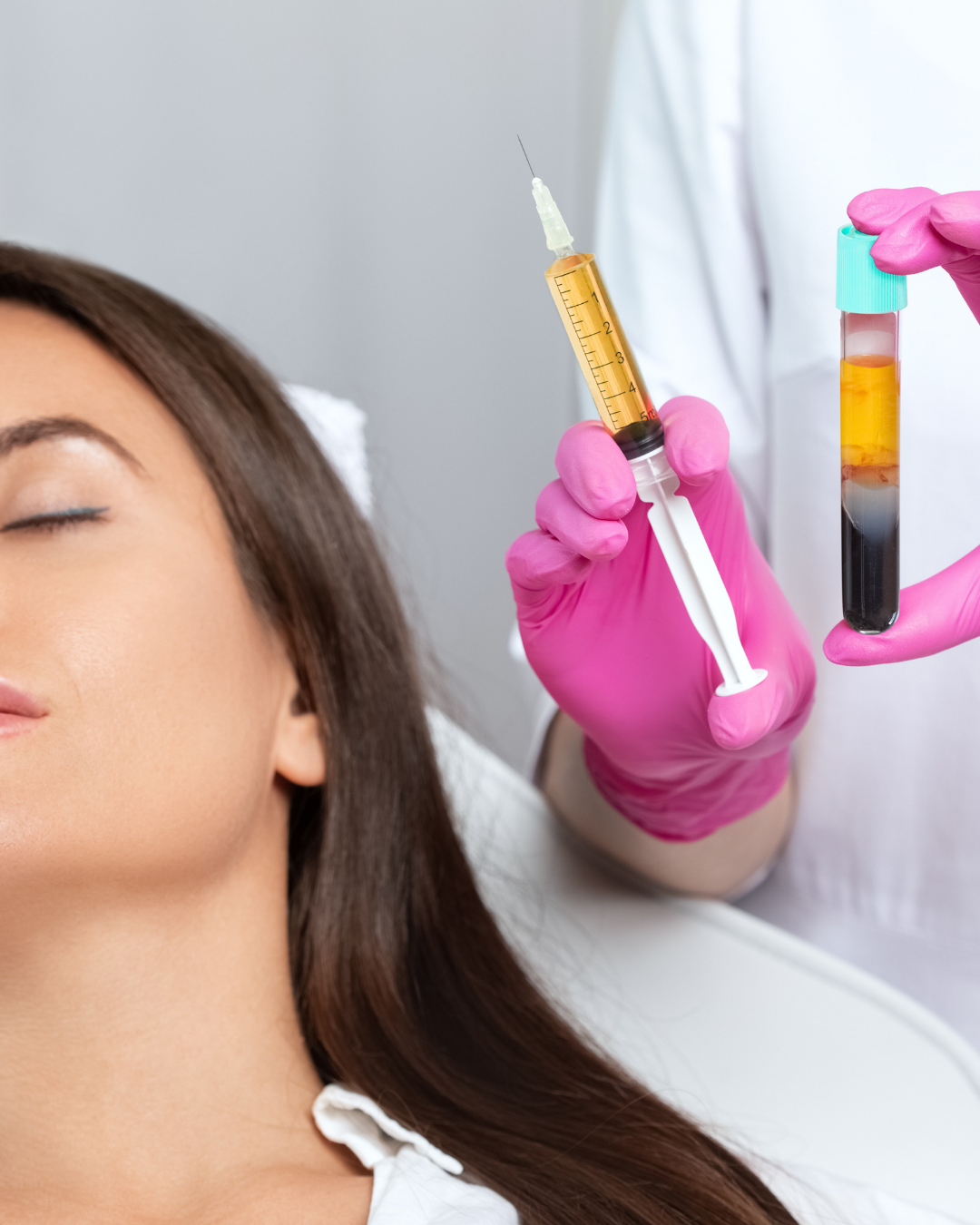
PRP stands for Platelet-Rich Plasma — a concentrated portion of your own blood that contains:
Platelets
Growth factors
Cytokines and signaling proteins
Platelets play a key role in the body’s natural healing response by:
Communicating with cells
Supporting tissue repair
Stimulating blood vessel formation
PRP does not add foreign substances to the body.
How PRP Is Created
PRP is prepared through a controlled process:
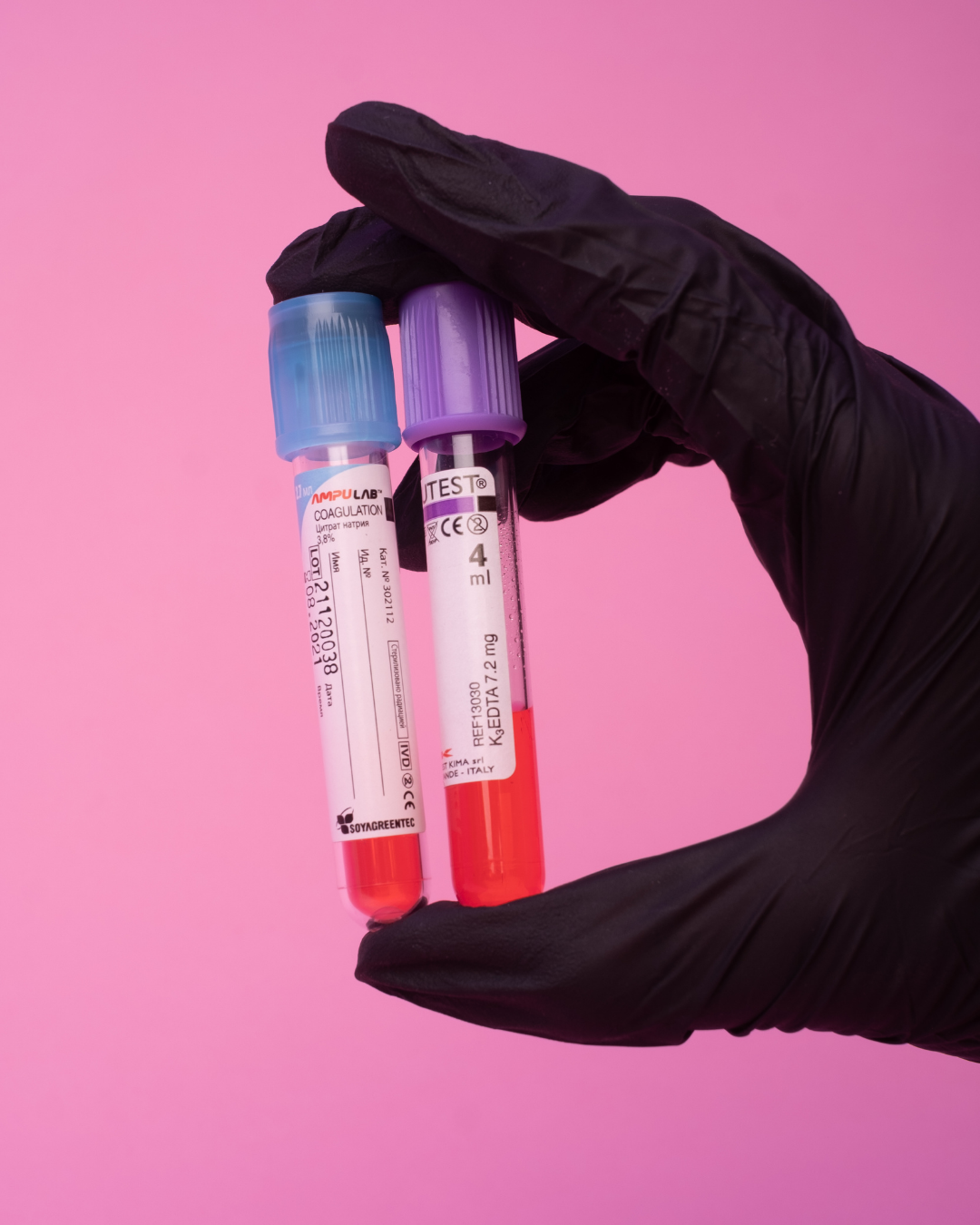
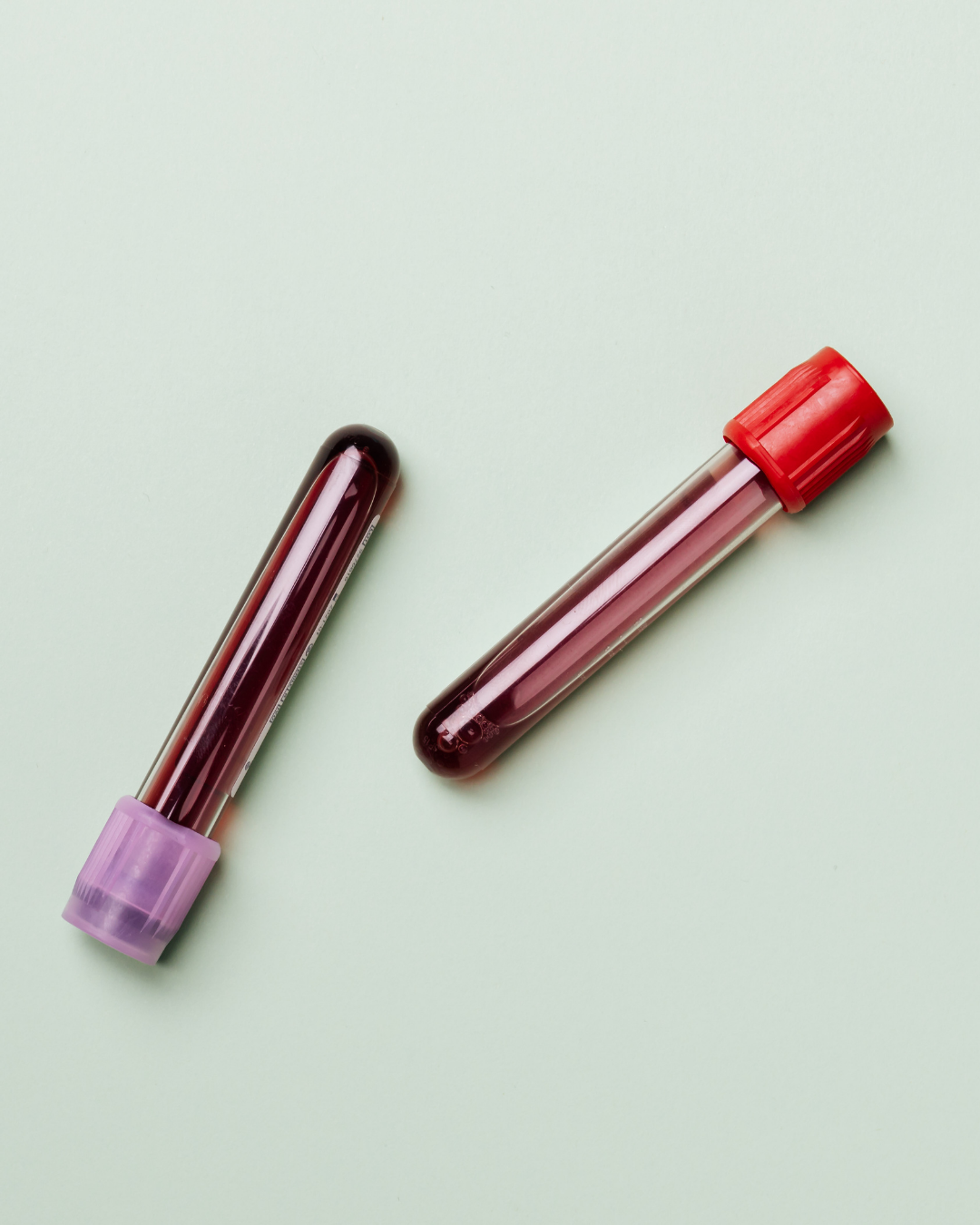
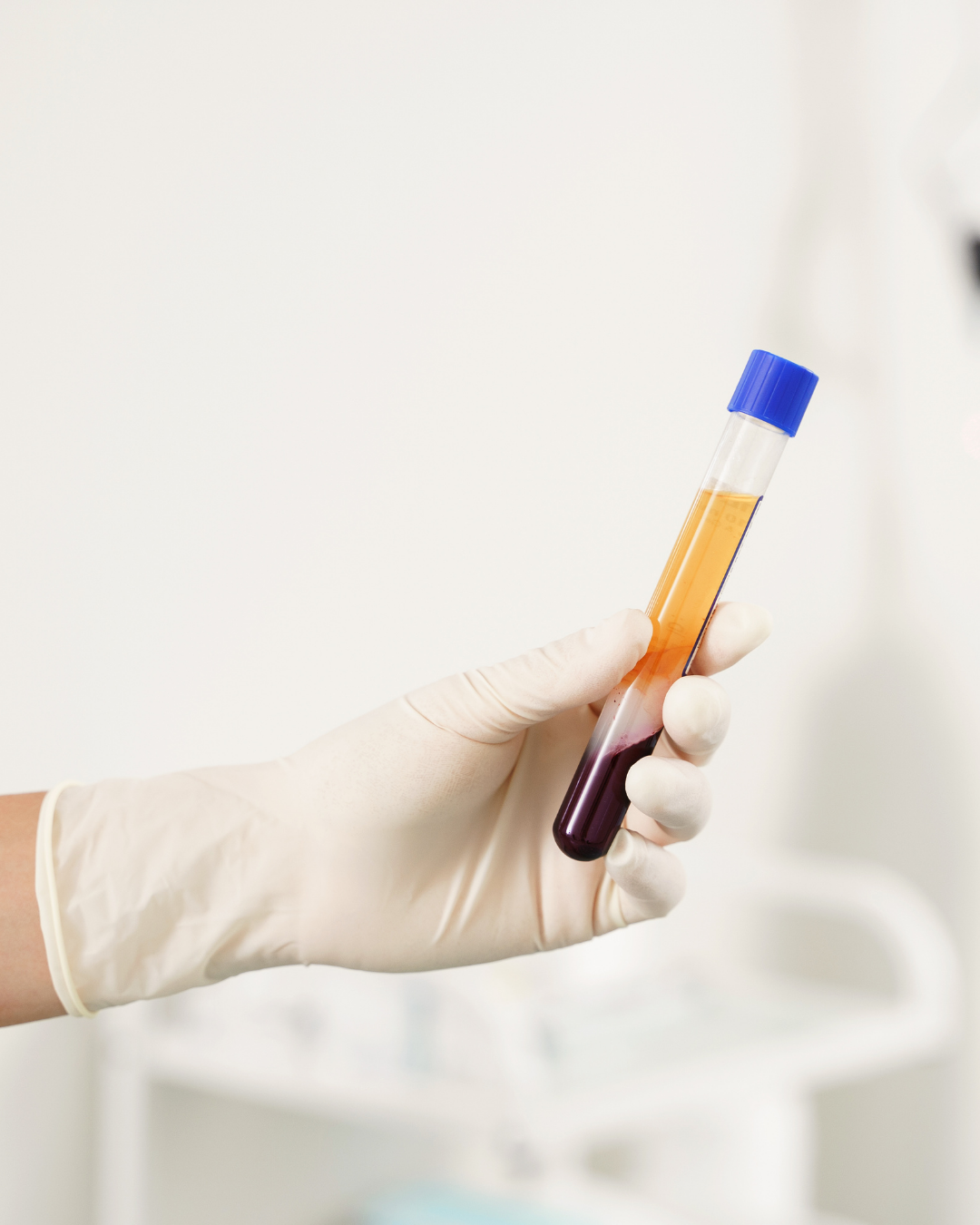
A small blood sample is drawn
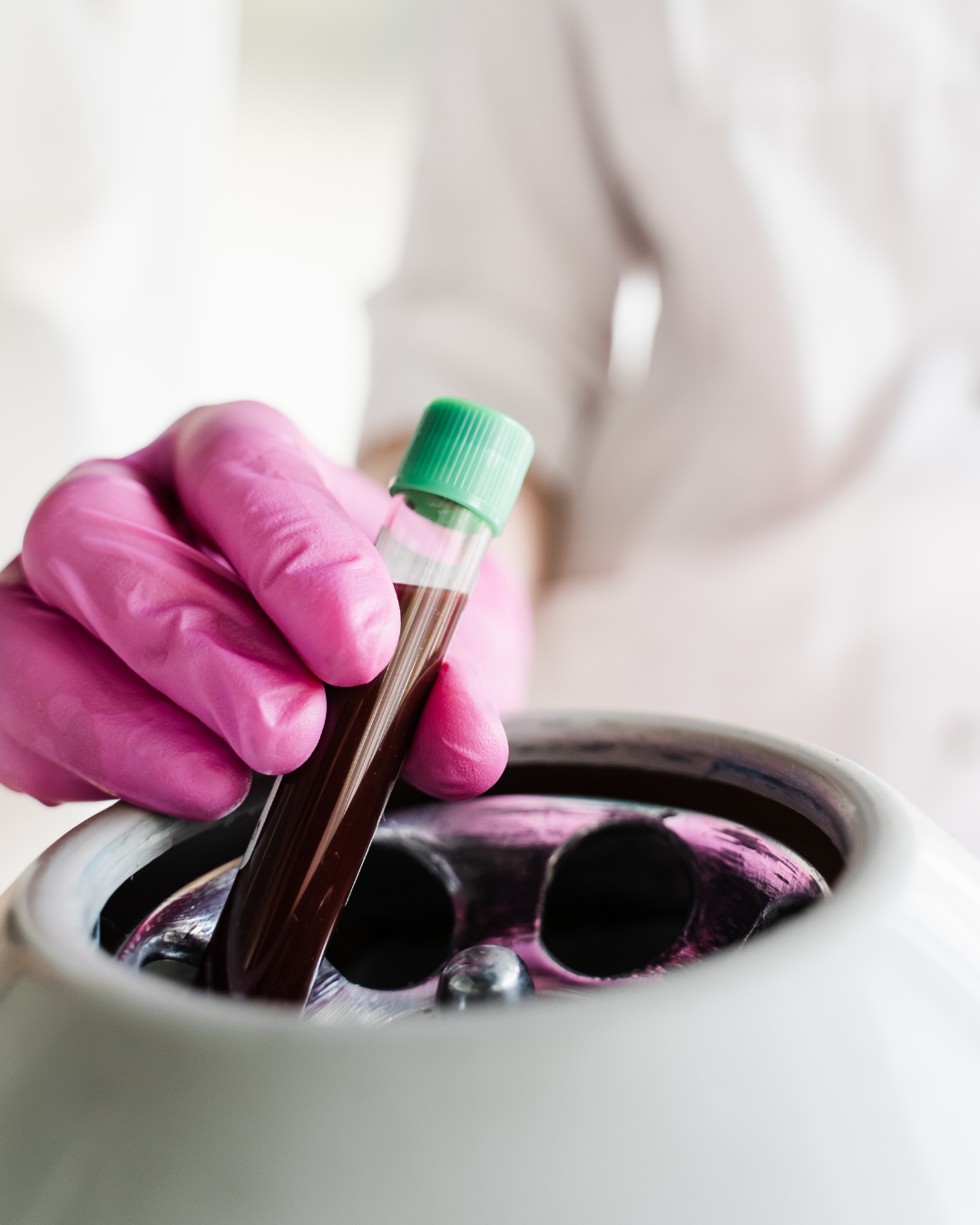
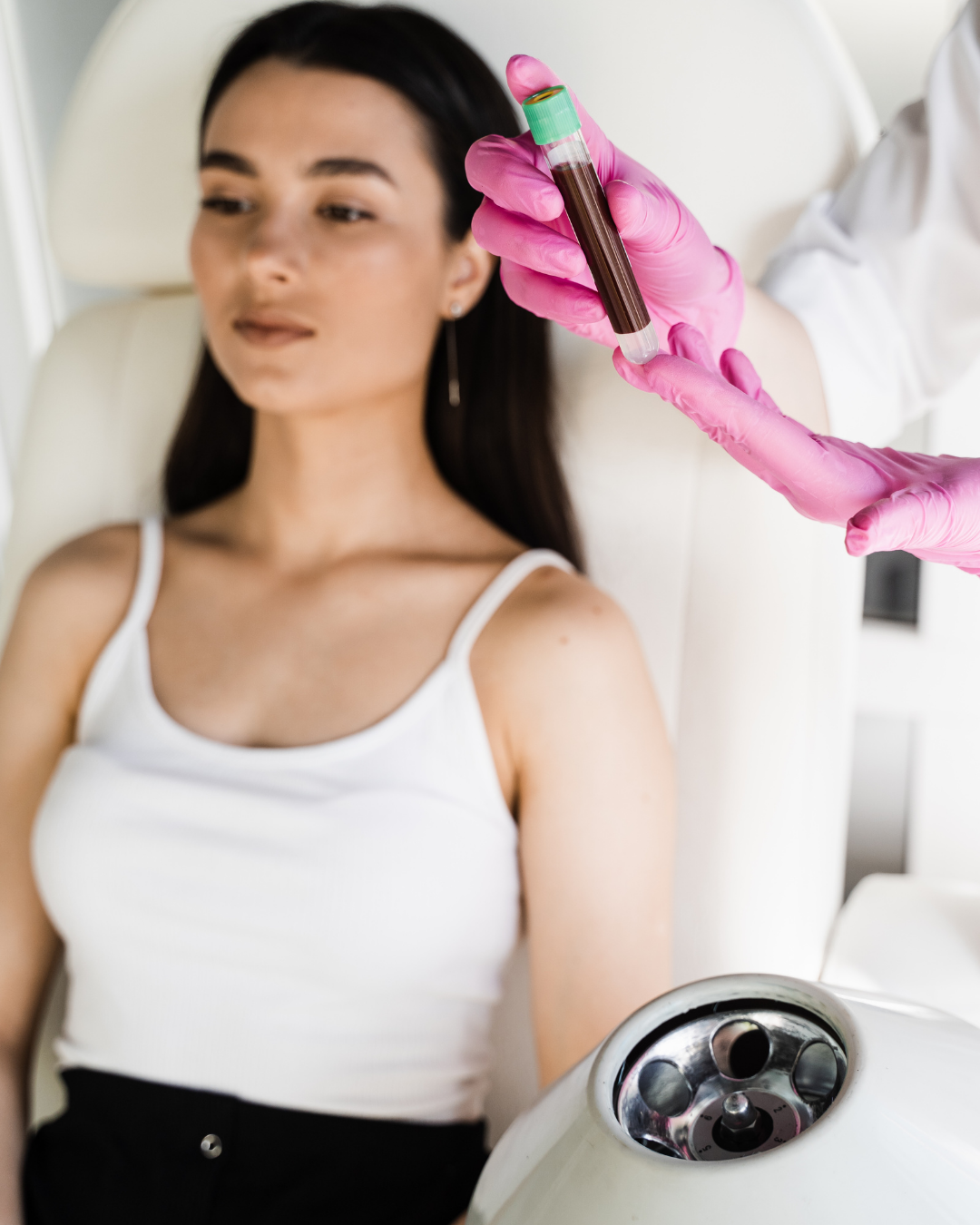
The blood is processed to separate components
Platelets are concentrated in plasma
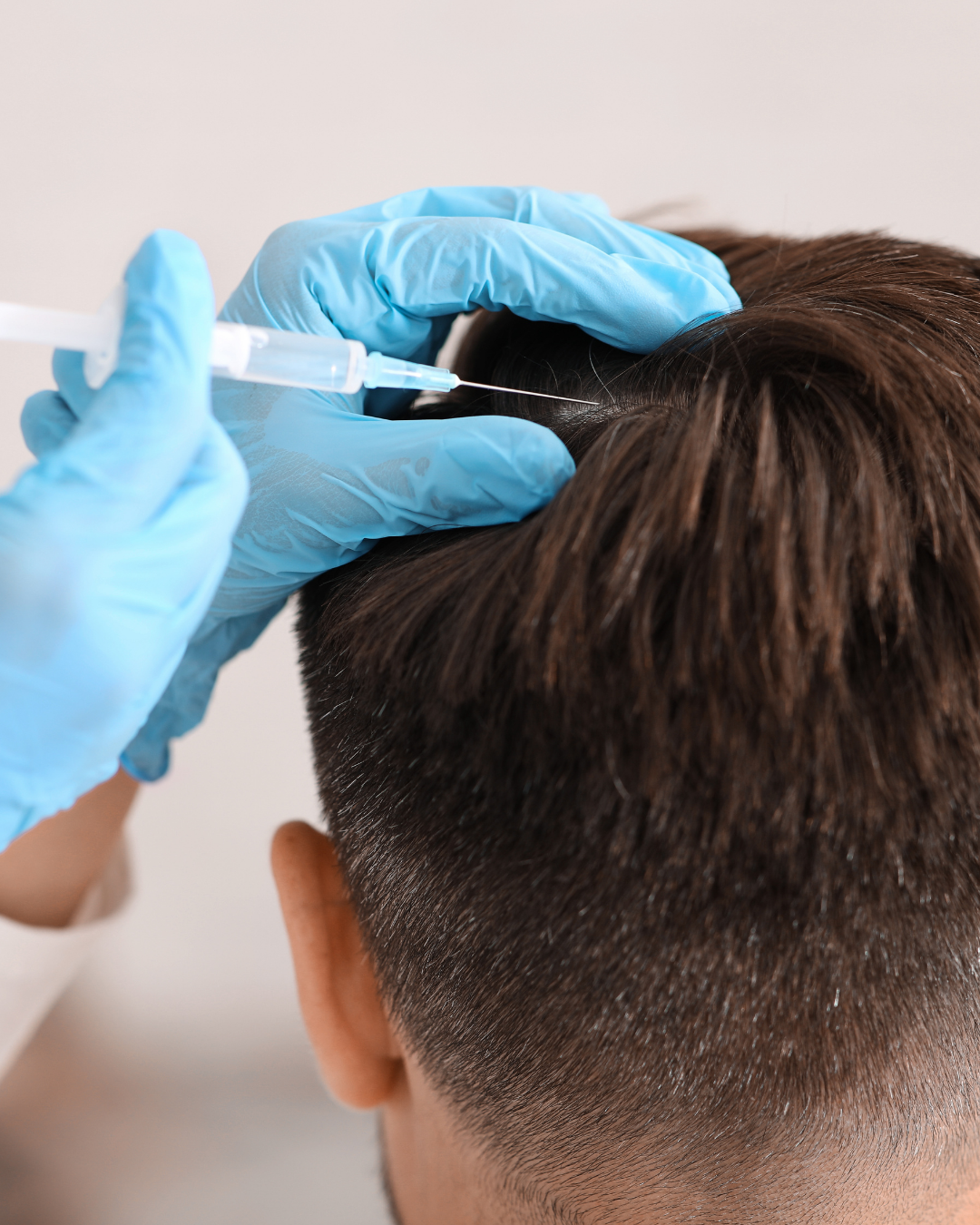
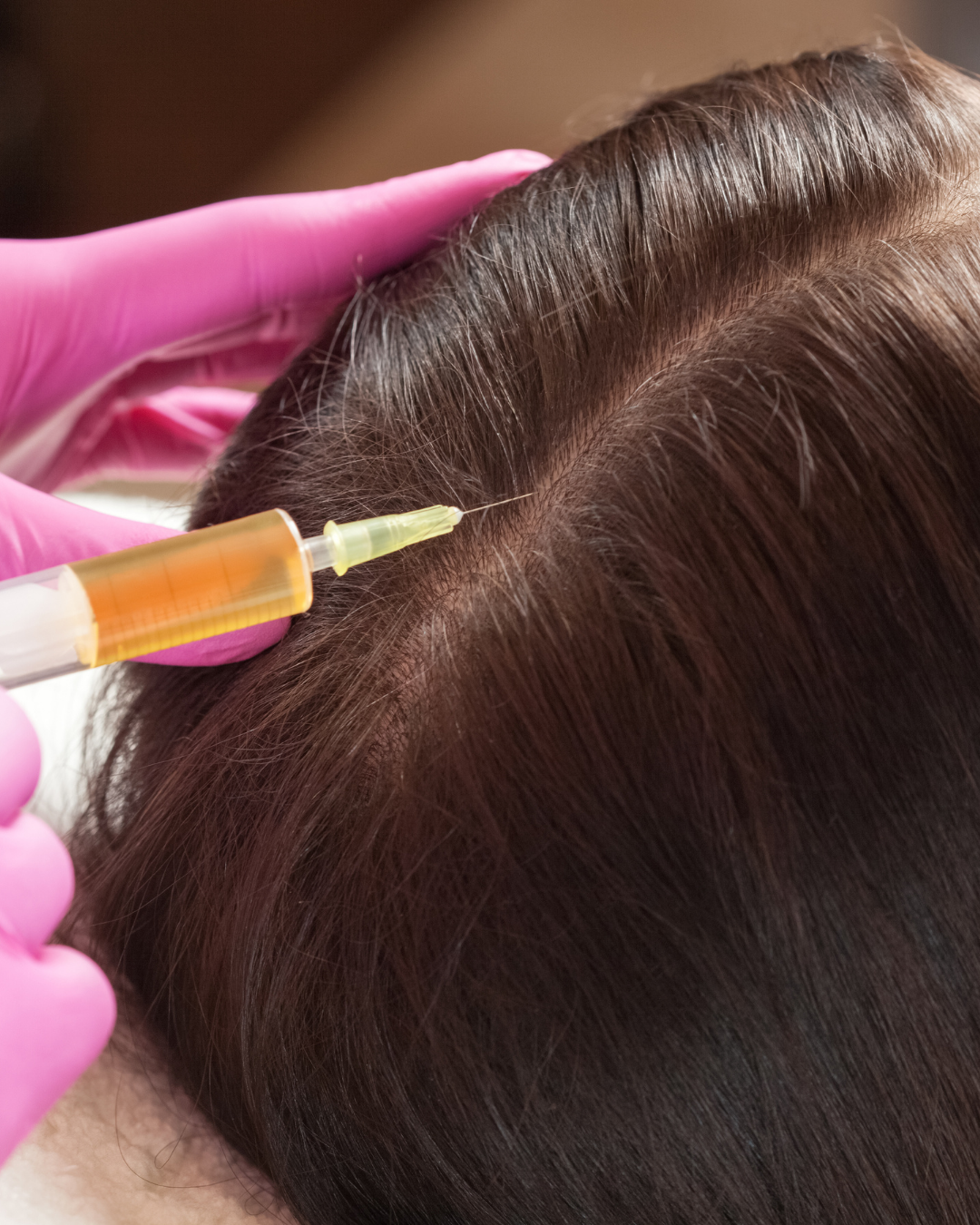
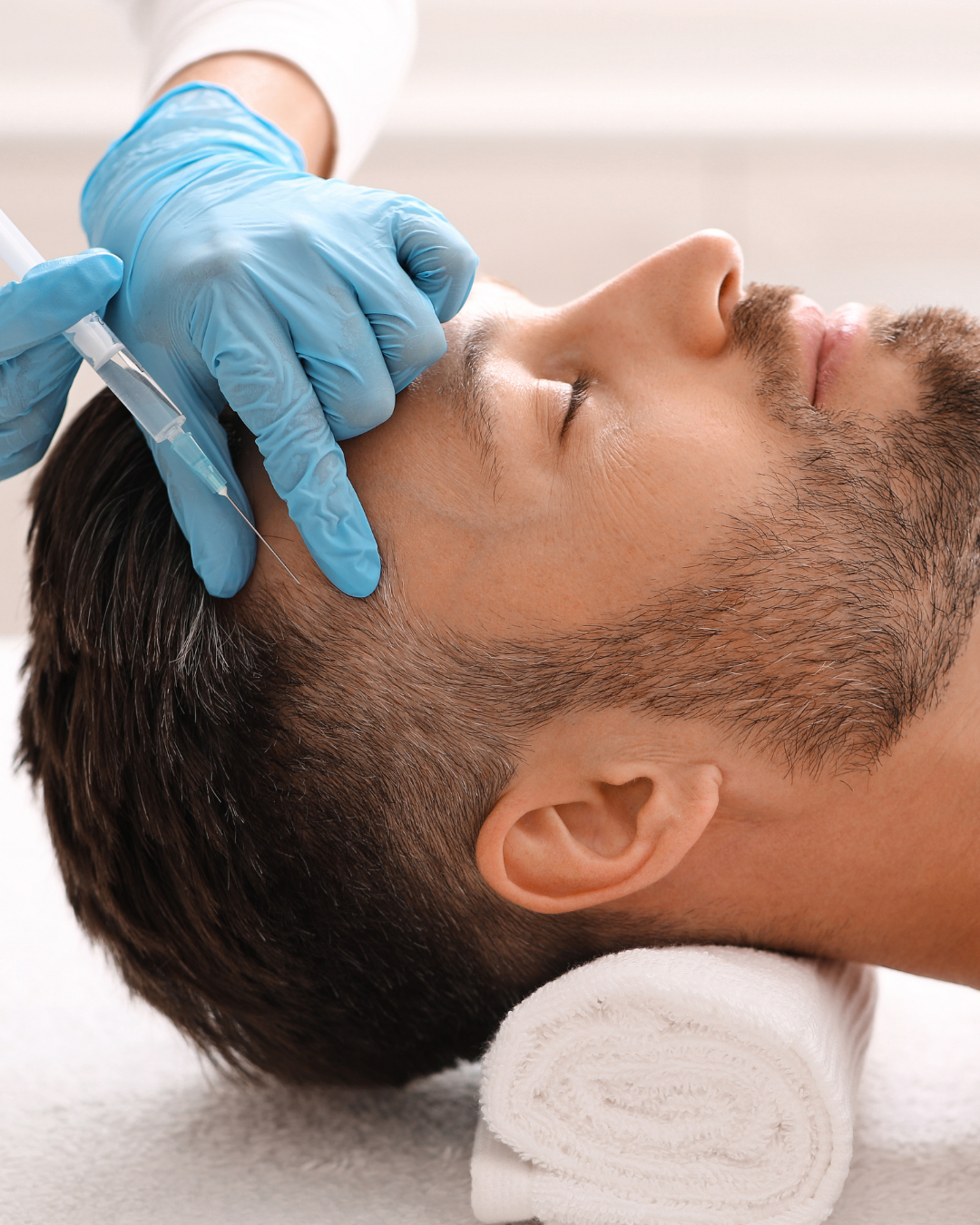
The PRP is injected into targeted scalp areas
The goal is to deliver a higher concentration of growth factors to areas of follicle stress.

Hair Growth Basics: The Follicle Life Cycle
Hair follicles cycle through three phases:
Anagen (Growth Phase)
Active hair production
Lasts several years
Catagen (Transition Phase)
Follicle detaches from blthe ood supply
Telogen (Resting Phase)
Hair sheds
Follicle rests before re-entering growth
In hair loss, follicles:
Spend less time in anagen
Remain longer in telogen
Produce thinner, weaker hair
How PRP Interacts With Hair Follicles
PRP works by supporting the environment around existing follicles.
Growth factors in PRP may help:
Improve blood flow to follicles
Reduce inflammatory stress
Support follicle signaling
Encourage follicles to remain in the growth phase longer
PRP does not create new follicles — it supports follicles that are still active or dormant.
PRP and Follicle Miniaturization
In many forms of hair loss, follicles undergo miniaturization, meaning:
Hair shafts become thinner
Growth cycles shorten
Hair density decreases
PRP may help:
Slow miniaturization
Improve hair shaft thickness
Support follicle vitality
Early intervention produces more predictable results.

Why PRP Results Are Gradual
Hair growth is slow by nature.
PRP:
Does not force immediate growth
Works through biological signaling
Requires multiple growth cycles
Most improvements occur over several months, not weeks.
Why Multiple PRP Sessions Are Recommended
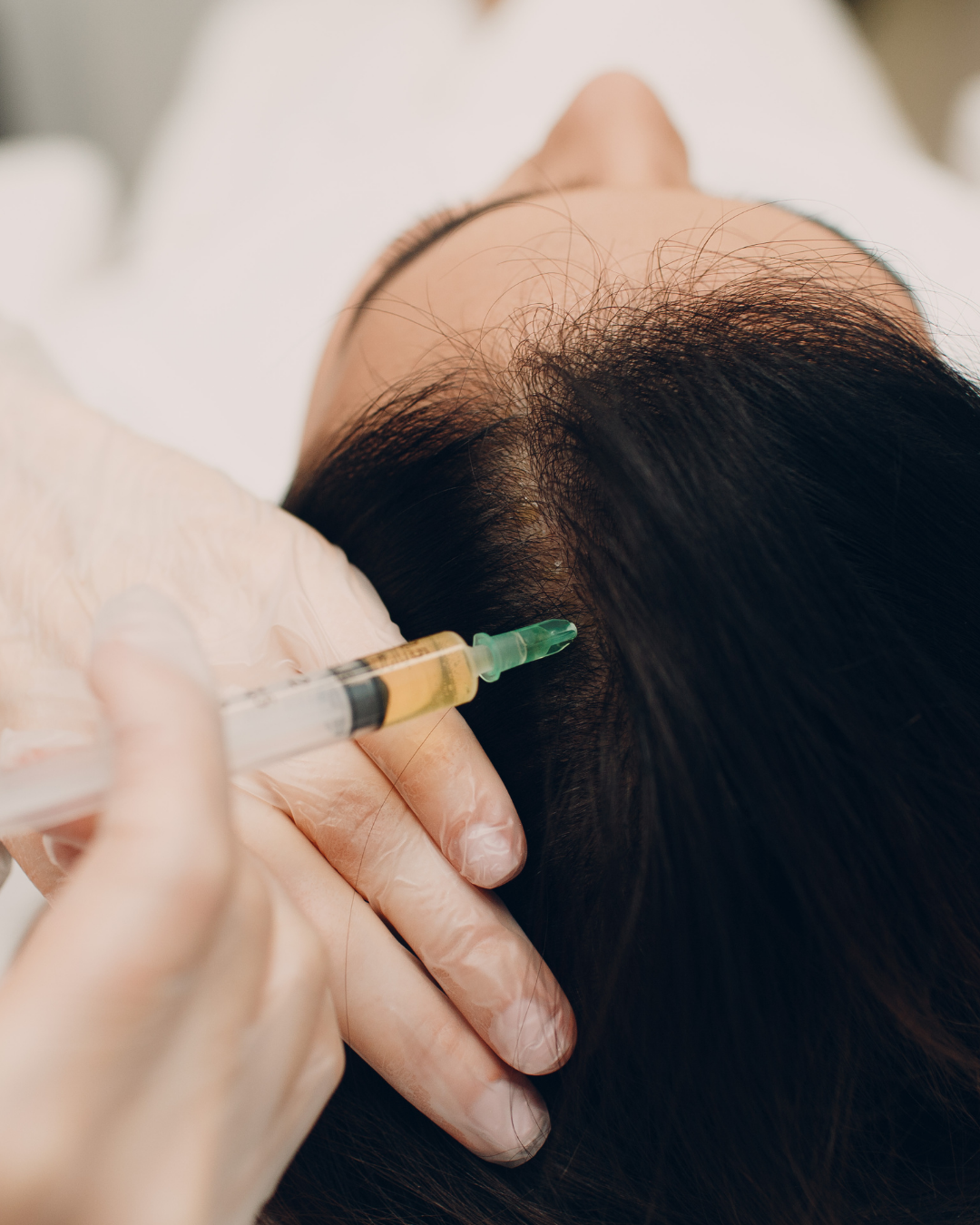
One session introduces growth factors, but:
Platelets are metabolized
Hair cycles continue
Scalp conditions evolve
A series allows:
Sustained follicle support
Cumulative signaling effects
More consistent outcomes
Maintenance treatments help preserve progress.
PRP vs Topical or Medication-Based Treatments
PRP differs from other approaches because it:
Uses autologous (your own) material
Acts locally at the follicle level
Does not rely on daily compliance
Can be combined with other therapies
PRP is often most effective as part of a combined treatment plan.
Who Benefits Most From PRP Hair Restoration
PRP is most effective for individuals with:
Early to moderate hair thinning
Diffuse shedding
Widening part or reduced density
Active follicles still present
Advanced baldness responds less predictably.
Safety Profile of PRP
Because PRP uses your own blood:
Risk of allergic reaction is minimal
Serious complications are rare
Temporary scalp tenderness or swelling may occur
PRP is considered low risk when properly performed.

Denver-Specific Considerations
In Denver’s high-altitude, dry climate:
Scalp dehydration is common
Circulation stress may be higher
Environmental factors can affect hair health
Supporting scalp hydration and circulation complements PRP therapy.
Common Myths About PRP for Hair Loss
Myth: PRP regrows hair instantly
Truth: Results are gradual and cumulative.
Myth: PRP works for everyone
Truth: It supports existing follicles, not absent ones.
Myth: One treatment is enough
Truth: Series and maintenance matter.
Educational Summary
PRP hair restoration works by supporting the biological environment of existing hair follicles, improving circulation, and reinforcing growth signaling. It is a regenerative, non-surgical option best suited for early to moderate hair thinning and is most effective when used consistently and as part of a combined treatment strategy.
At Denver Dream Med Spa, PRP hair restoration is approached with:
Education-first planning
Conservative expectations
Long-term scalp health focus
PRP Hair Restoration & Injectable Education
Scalp Hair Loss PRP Treatment in Denver Dream Medspa
Hair Loss Myths & Safety FAQs
How PRP Hair Restoration Works
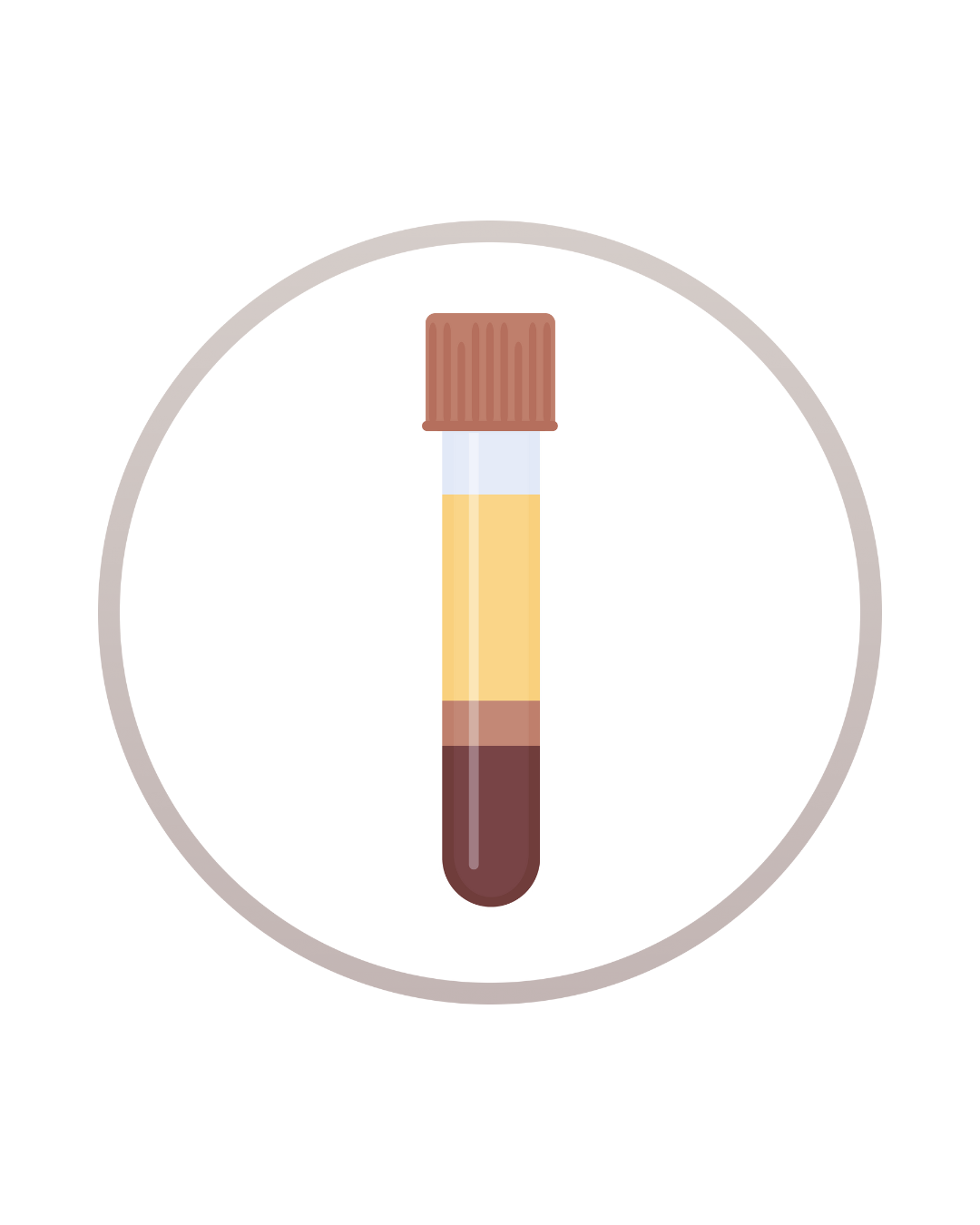
PRP in Denver Dream Medspa
PRP Vs. Medications Vs. Topicals
Chin Filler Education
Hair Loss Types & Causes
Dermal Fillers vs Botox vs Biostimulators

PRP Hair Results & Maintenance
Join the Skin + Tox Club and Save on Dermal Fillers