
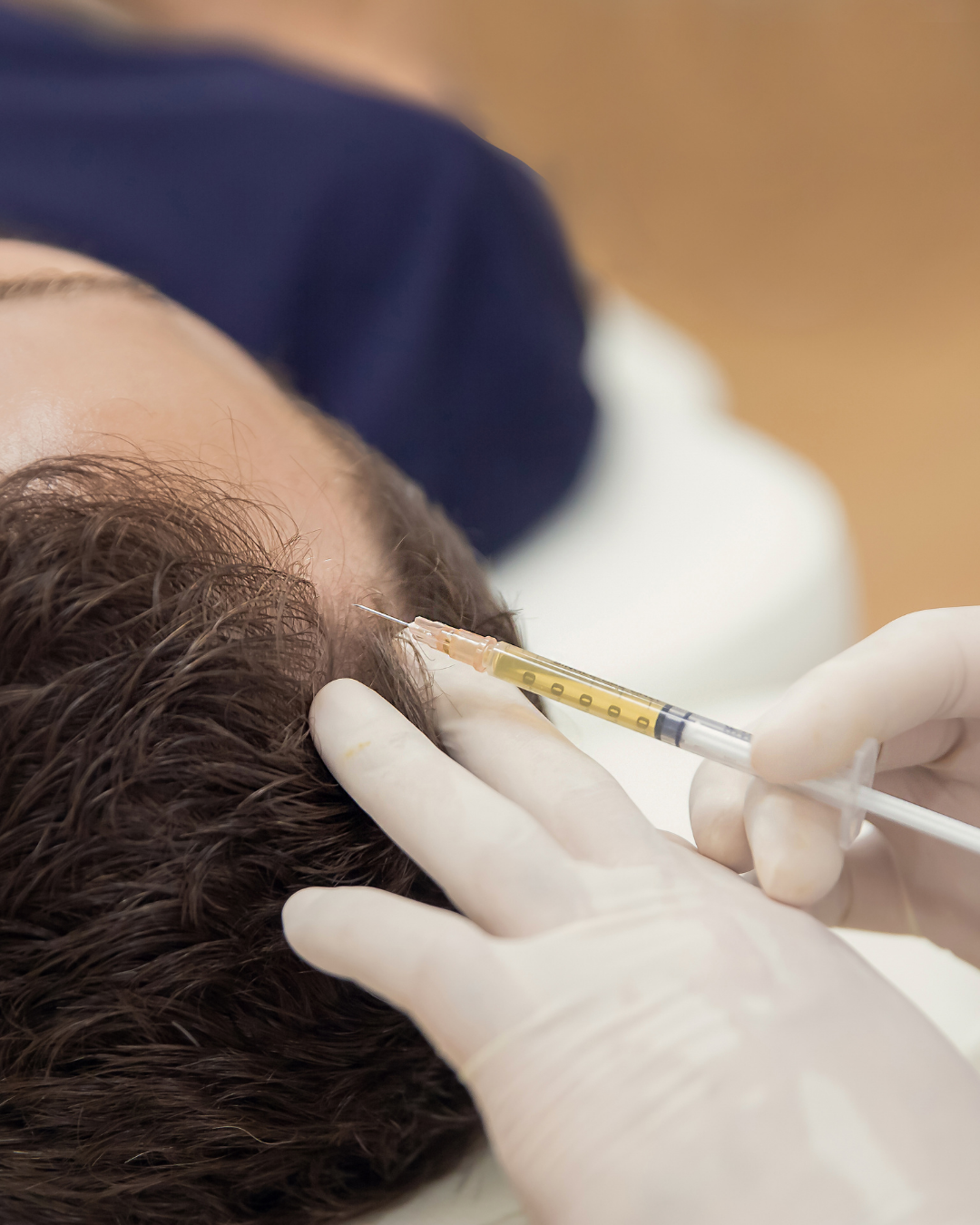
PRP Hair Results Timeline & Maintenance
What to Expect From PRP Hair Restoration Over Time
PRP (Platelet-Rich Plasma) hair restoration is a biological, regenerative process, not an instant cosmetic fix. Because hair growth follows a natural cycle, results appear gradually and cumulatively over several months.
This educational page explains what happens after PRP treatment, when changes typically occur, and why ongoing maintenance plays a crucial role in long-term hair preservation.
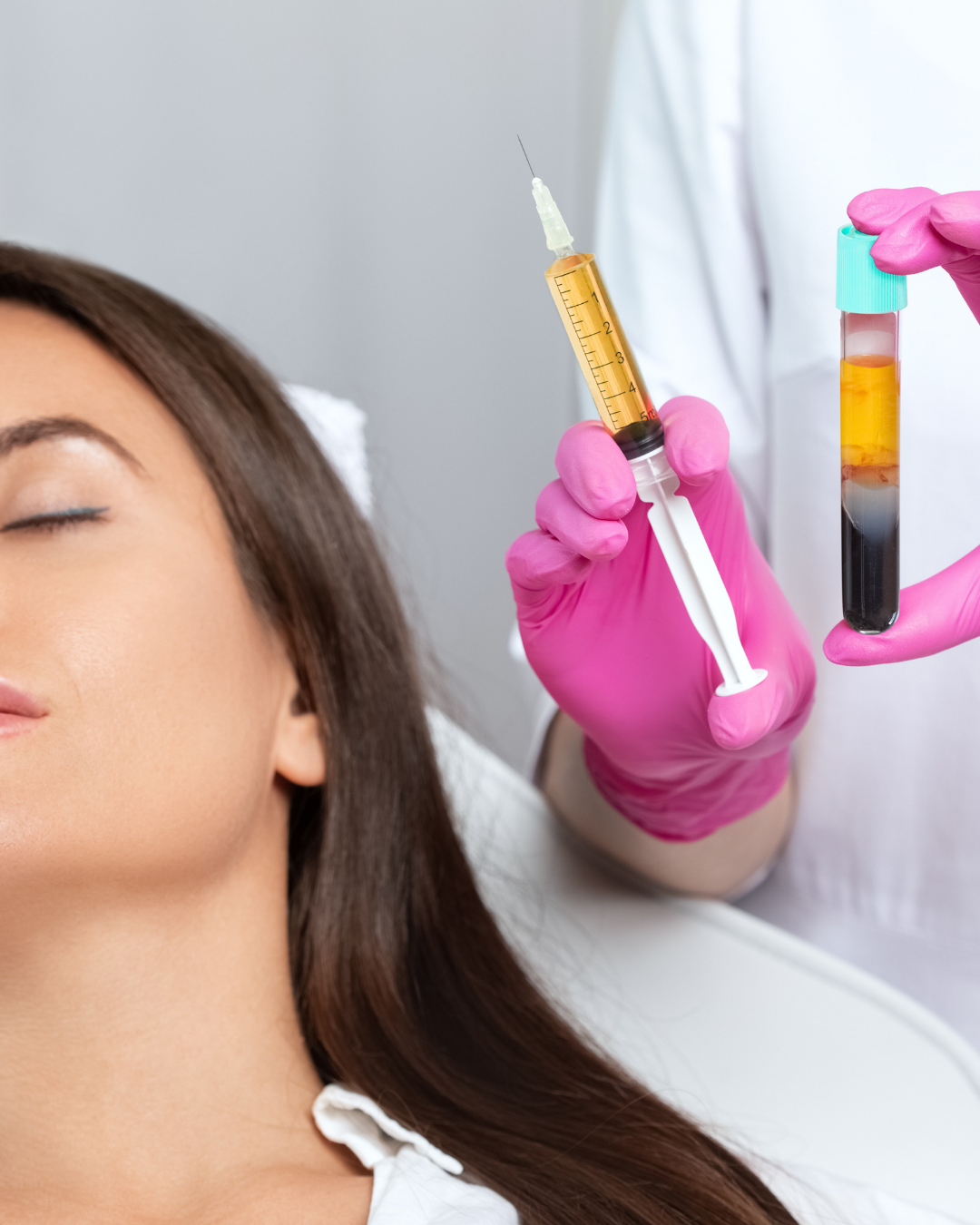
Why PRP Results Take Time
Hair follicles grow according to a biological cycle that cannot be rushed.
PRP:
Supports follicle signaling
Improves scalp circulation
Encourages follicles to remain in the growth phase
However, follicles must still:
Complete their natural growth cycle
Produce new hair shafts
Thicken existing hairs over time
Because of this, PRP results are progressive, not immediate.
The PRP Hair Growth Timeline (What Is Typical)
Weeks 0–4: Post-Treatment Phase
Mild scalp tenderness may occur briefly
No visible hair growth changes yet
Shedding may temporarily continue
This phase reflects biological signaling, not visible regrowth.
Months 1–3: Stabilization Phase
Shedding may slow
Scalp health often improves
Hair may feel stronger or healthier
Early changes are often subtle and felt before they are visible.
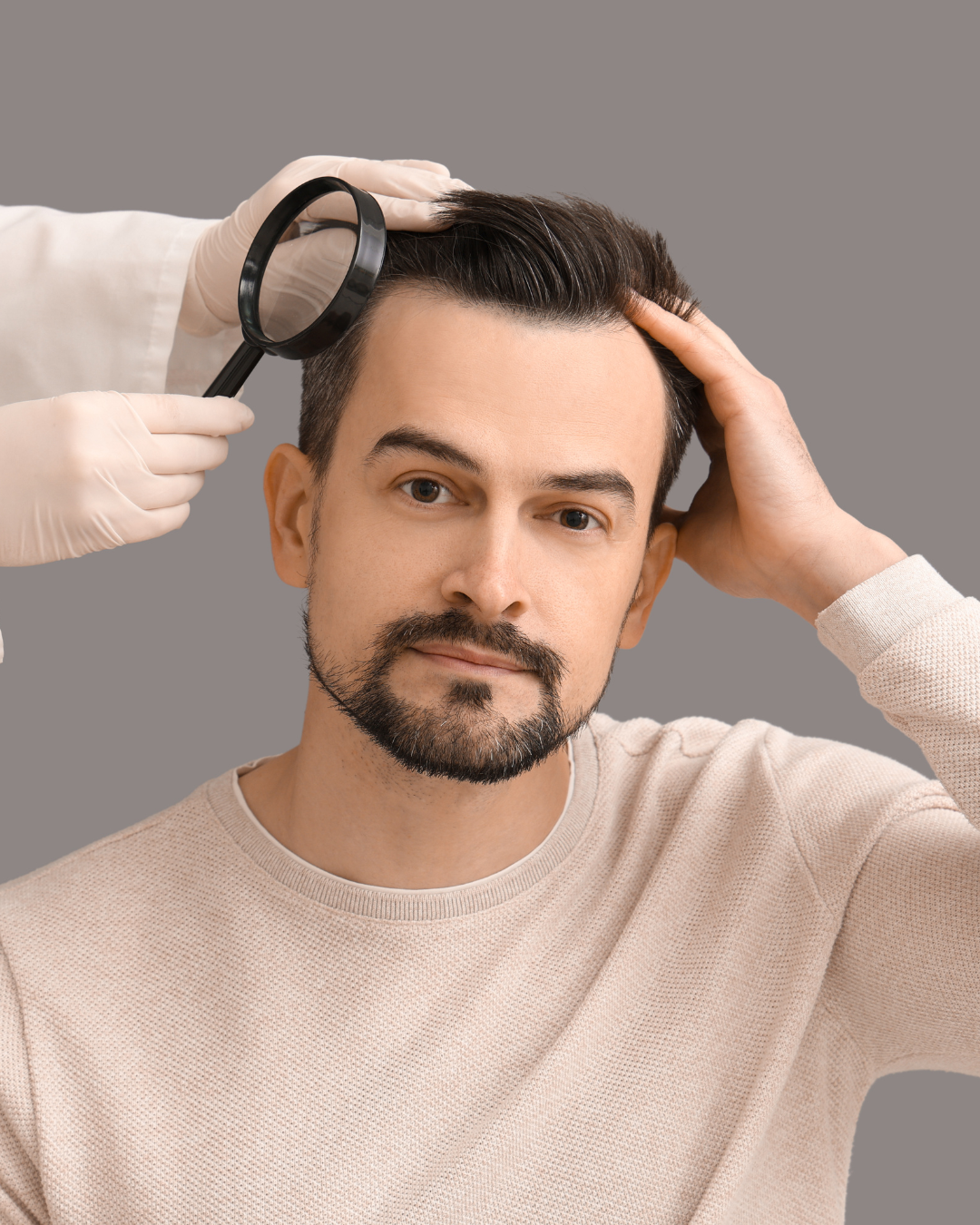
Months 3–6: Visible Improvement Phase
Hair shafts may appear thicker
Density may look fuller
Miniaturized hairs may strengthen
This is when most clients begin to notice visible improvement.
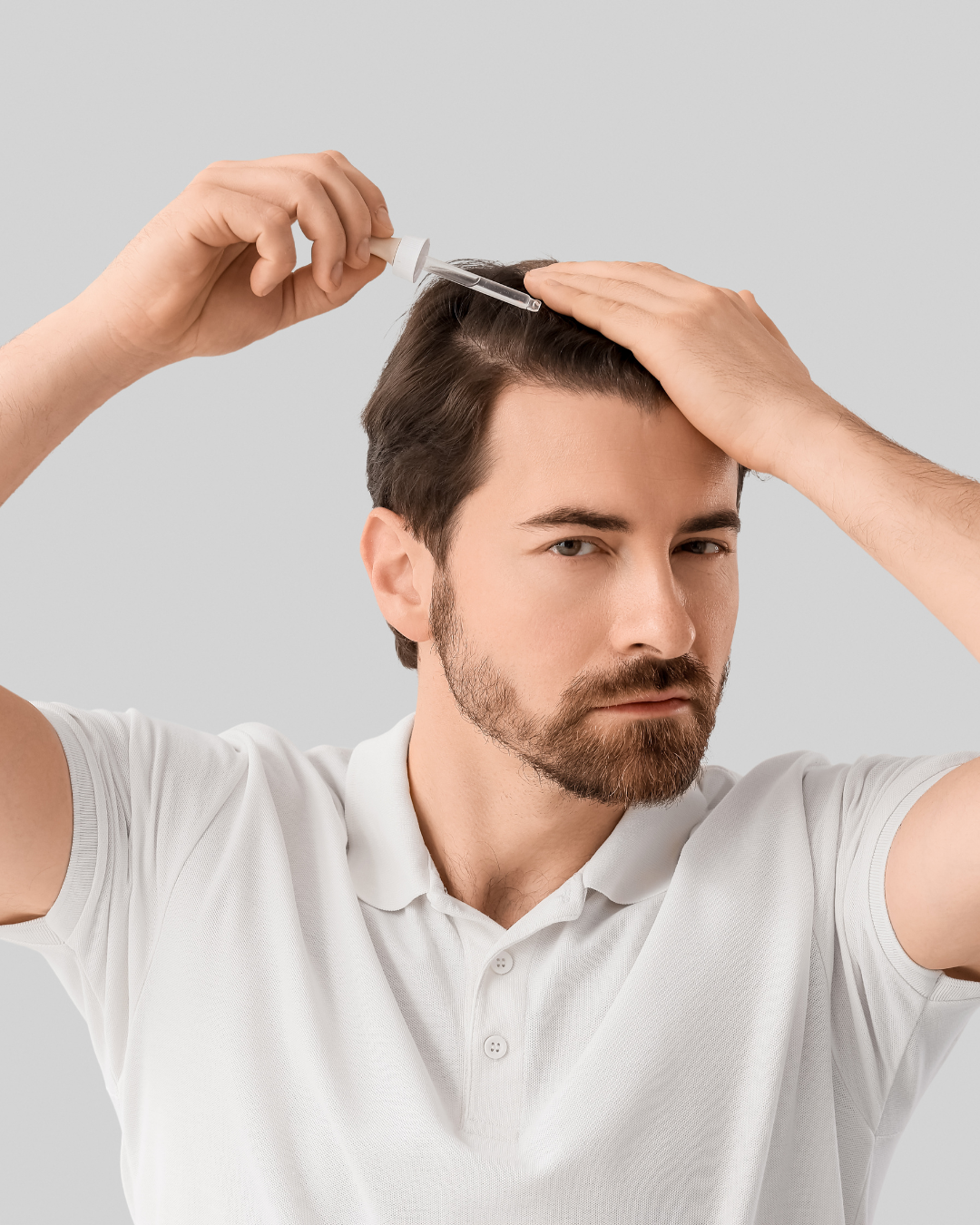
Months 6–12: Maturation Phase
Results continue to build
Hair texture and coverage stabilize
Maximum benefit from the initial series becomes evident
PRP works best when allowed to progress through multiple growth cycles.

Why Results Vary Between Individuals
PRP outcomes depend on:
Hair loss type and stage
Follicle viability
Genetics and hormones
Scalp health
Consistency of treatment
Early intervention produces more predictable results than advanced hair loss.
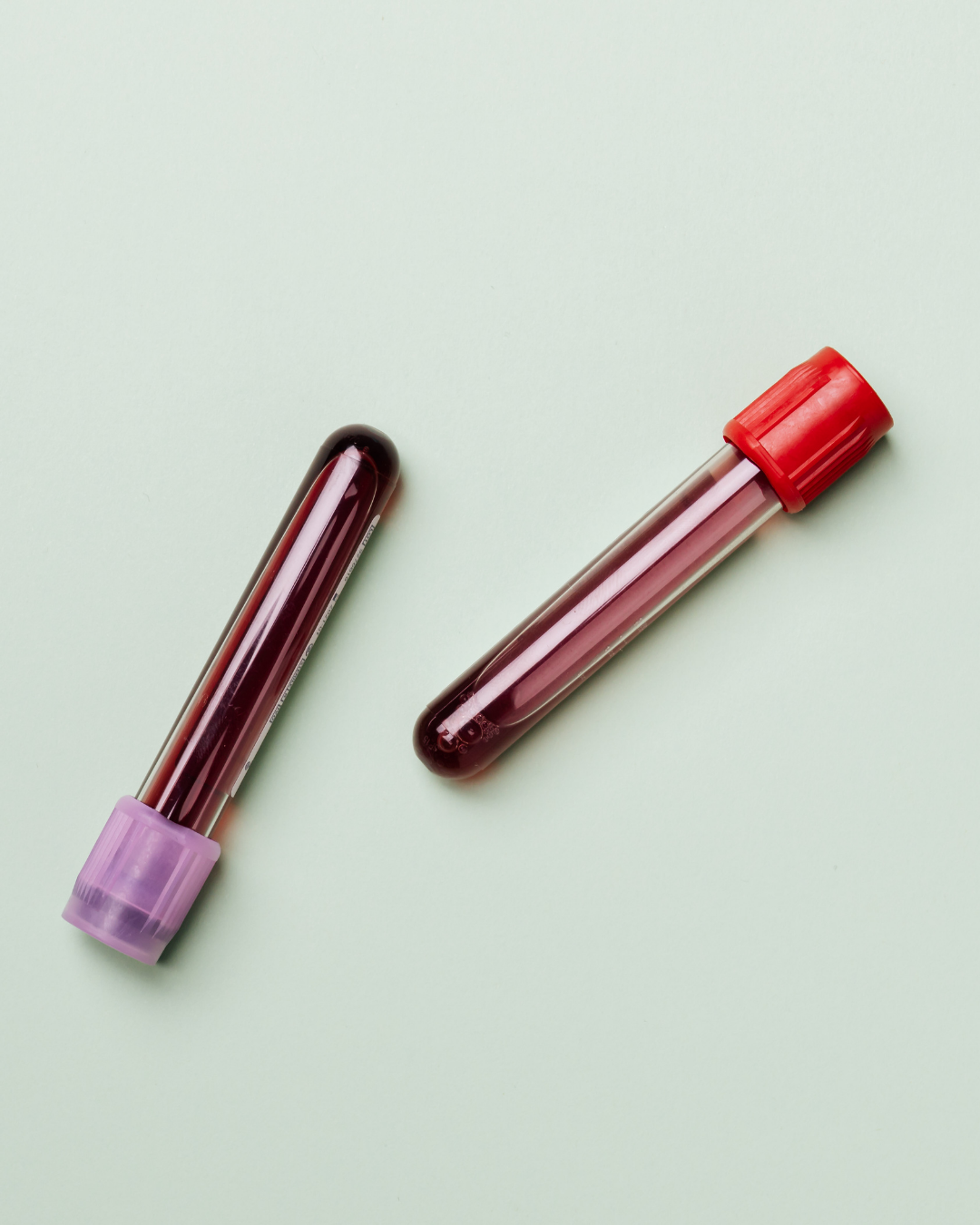
Why a Series of PRP Treatments Is Recommended
PRP is not a one-time treatment because:
Growth factors are metabolized
Hair cycles continue
Follicles need sustained support
A series allows:
Repeated growth signaling
Cumulative follicle support
More consistent outcomes
Treatment frequency is individualized based on response.
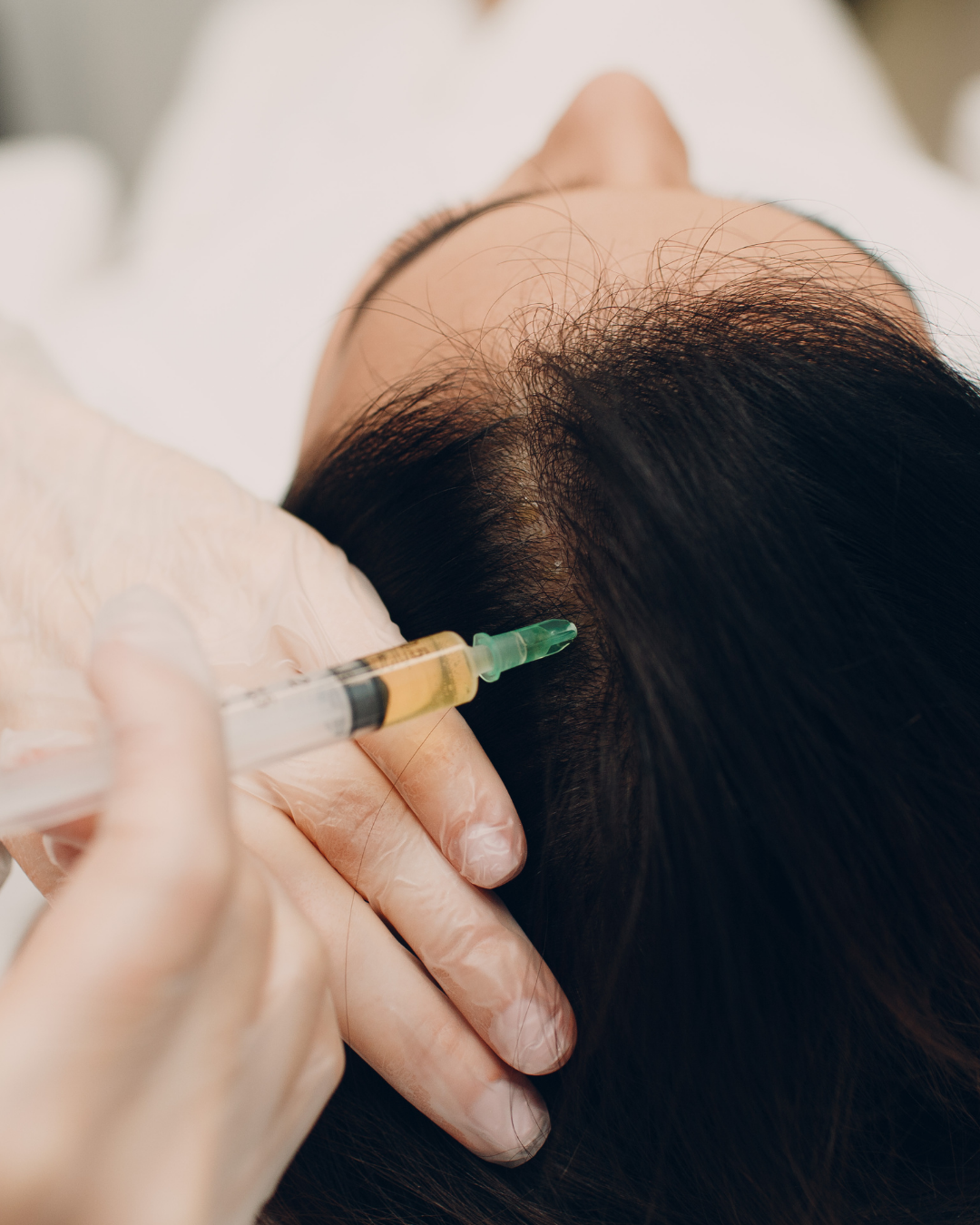
Understanding PRP Maintenance Therapy
Hair loss is often progressive, especially in genetic or hormonal cases. PRP maintenance helps:
Preserve gains
Support ongoing follicle health
Slow further thinning
Maintenance treatments are typically spaced farther apart than initial sessions.
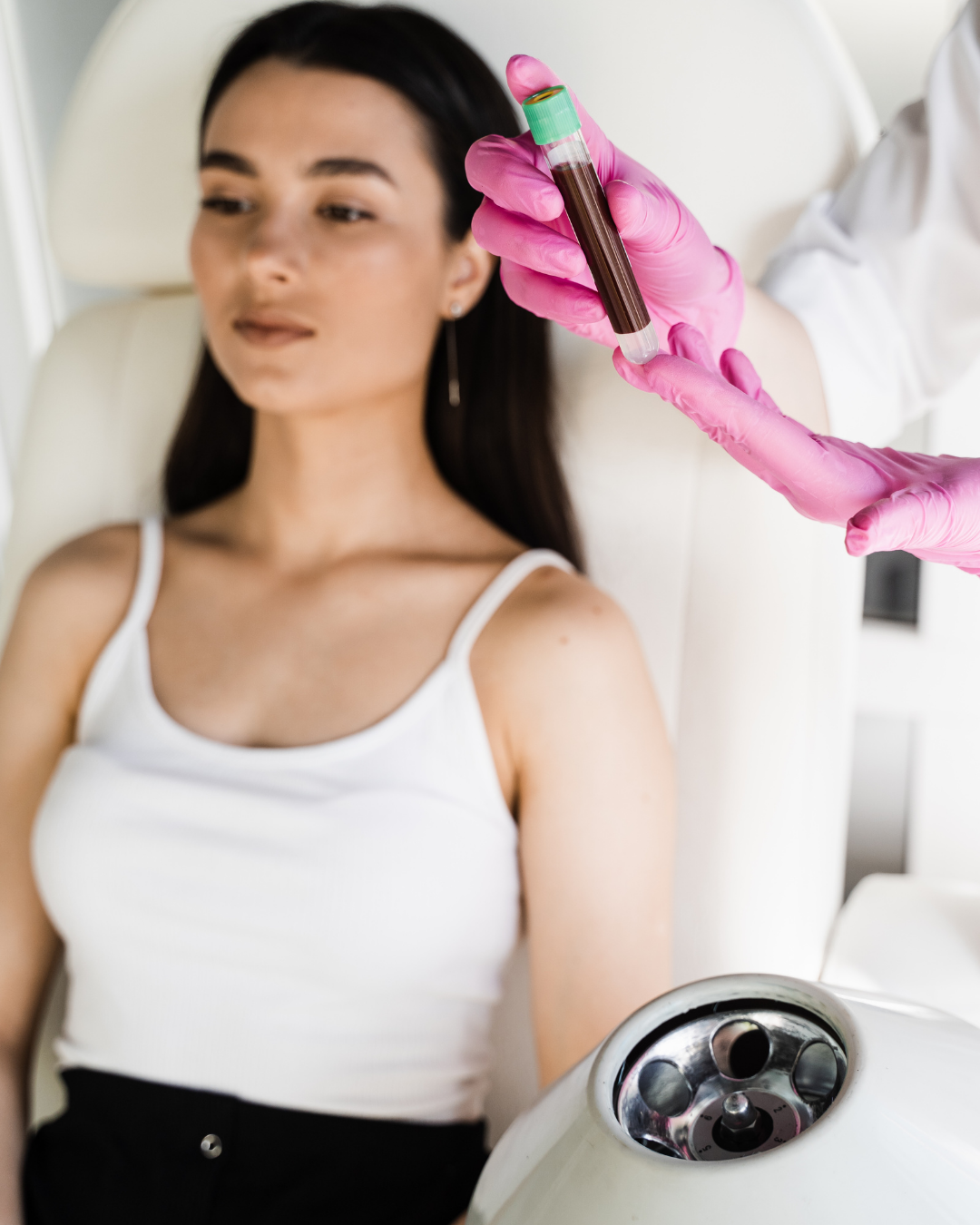
PRP Maintenance vs “Starting Over”
Maintenance is not restarting treatment — it is:
Reinforcing follicle signaling
Supporting scalp health
Extending the lifespan of results
Without maintenance, biological processes may gradually resume their prior pattern.
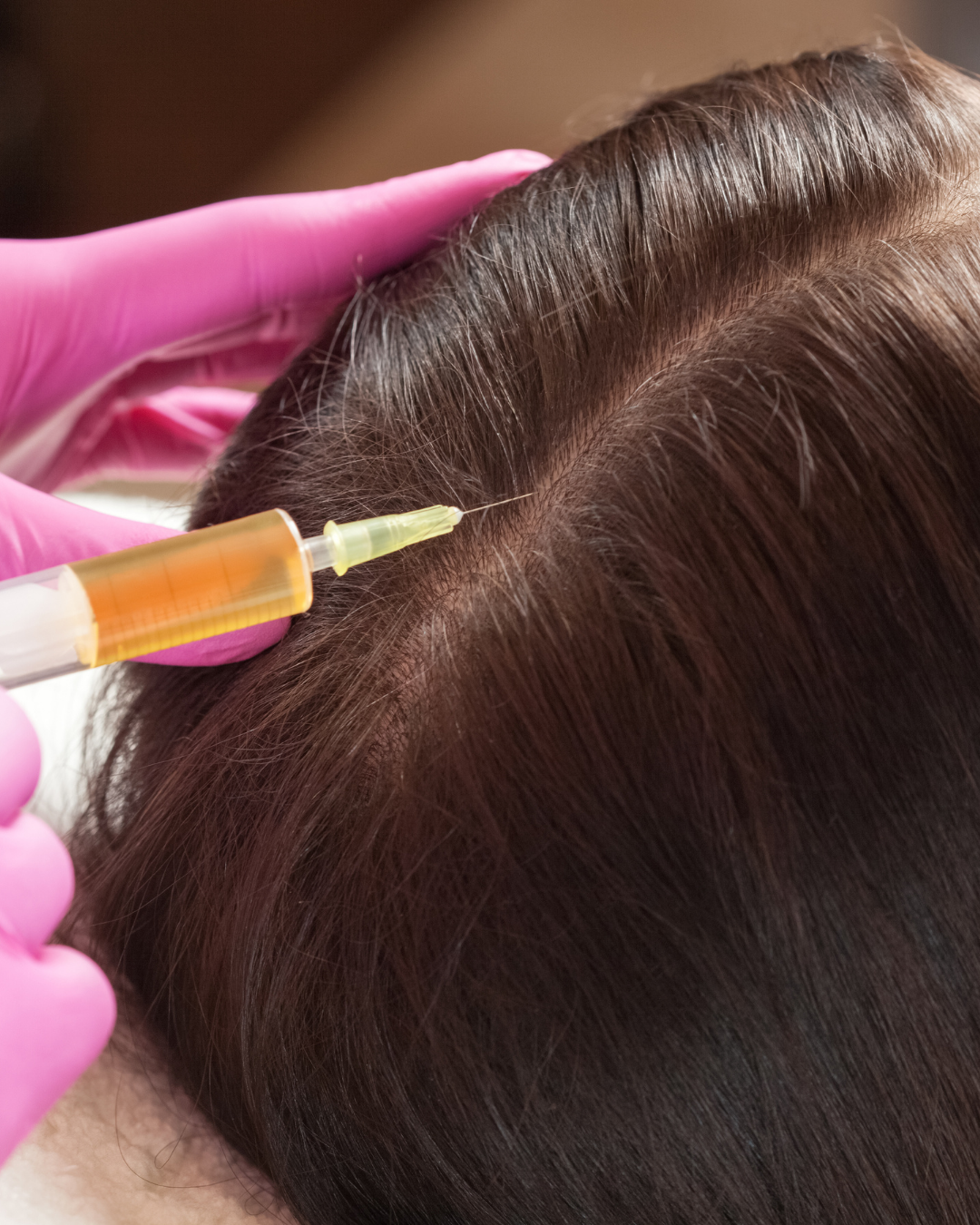
How PRP Fits Into a Combined Therapy Plan
PRP is often most effective when combined with:
Scalp health optimization
Medical-grade topical support
Lifestyle and nutritional guidance
Combined therapy supports hair from multiple biological angles, not just one.
👉 Related education: PRP vs Medications vs Topicals
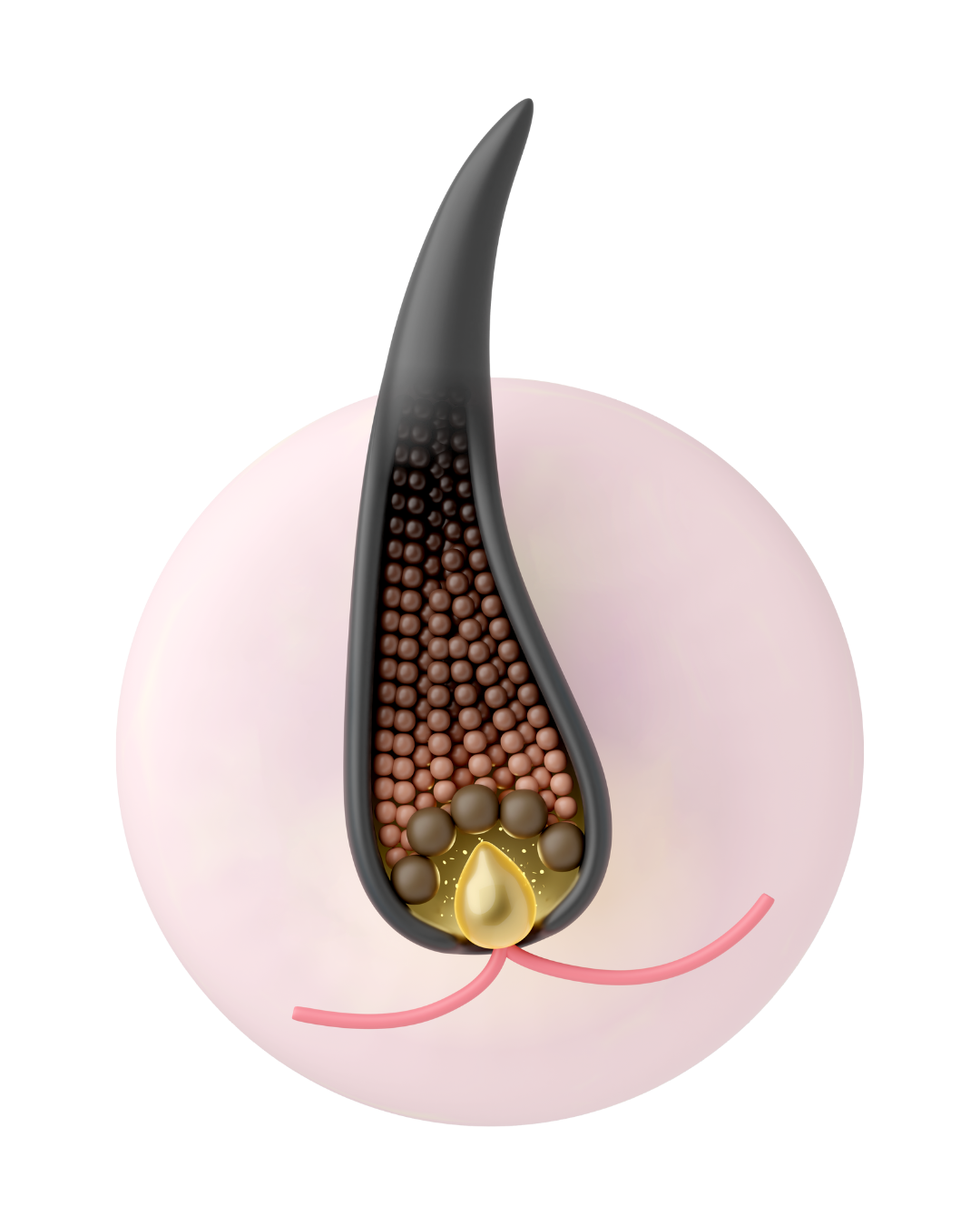
Signs PRP Is Working (Beyond Visible Growth)
Positive indicators include:
Reduced shedding
Improved hair texture
Stronger hair shafts
Healthier scalp appearance
These changes often precede visible density improvement.
What PRP Cannot Do
PRP:
Does not create new follicles
Cannot reverse advanced baldness
Does not replace surgical hair restoration
It is best viewed as a follicle-support and preservation therapy.

Denver-Specific Timeline Considerations
In Denver’s high-altitude, dry environment:
Scalp hydration affects hair quality
Environmental stress may slow visible changes
Circulation support is especially important
Scalp care and hydration complement PRP therapy.
Common Myths About PRP Results
Myth: PRP should regrow hair immediately
Truth: Hair growth follows biological timelines.
Myth: If results fade, PRP failed
Truth: Maintenance supports long-term preservation.
Myth: More treatments mean faster results
Truth: Over-treating does not accelerate growth.
Educational Summary
PRP hair restoration works gradually and cumulatively, supporting existing follicles over time rather than forcing rapid regrowth. Visible improvements typically appear between 3–6 months, with continued maturation over the first year.
Maintenance treatments help preserve progress, especially for progressive hair loss patterns.
At Denver Dream Med Spa, PRP hair restoration is planned with:
Education-first timelines
Conservative expectations
Long-term scalp health focus
Because successful hair restoration is a long-term biological process, not a quick fix.
PRP Hair Restoration & Injectable Education
Scalp Hair Loss PRP Treatment in Denver Dream Medspa
Hair Loss Myths & Safety FAQs
How PRP Hair Restoration Works
PRP in Denver Dream Medspa

PRP Vs. Medications Vs. Topicals
Chin Filler Education
Hair Loss Types & Causes
Dermal Fillers vs Botox vs Biostimulators
PRP Hair Results & Maintenance
Join the Skin + Tox Club and Save on Dermal Fillers