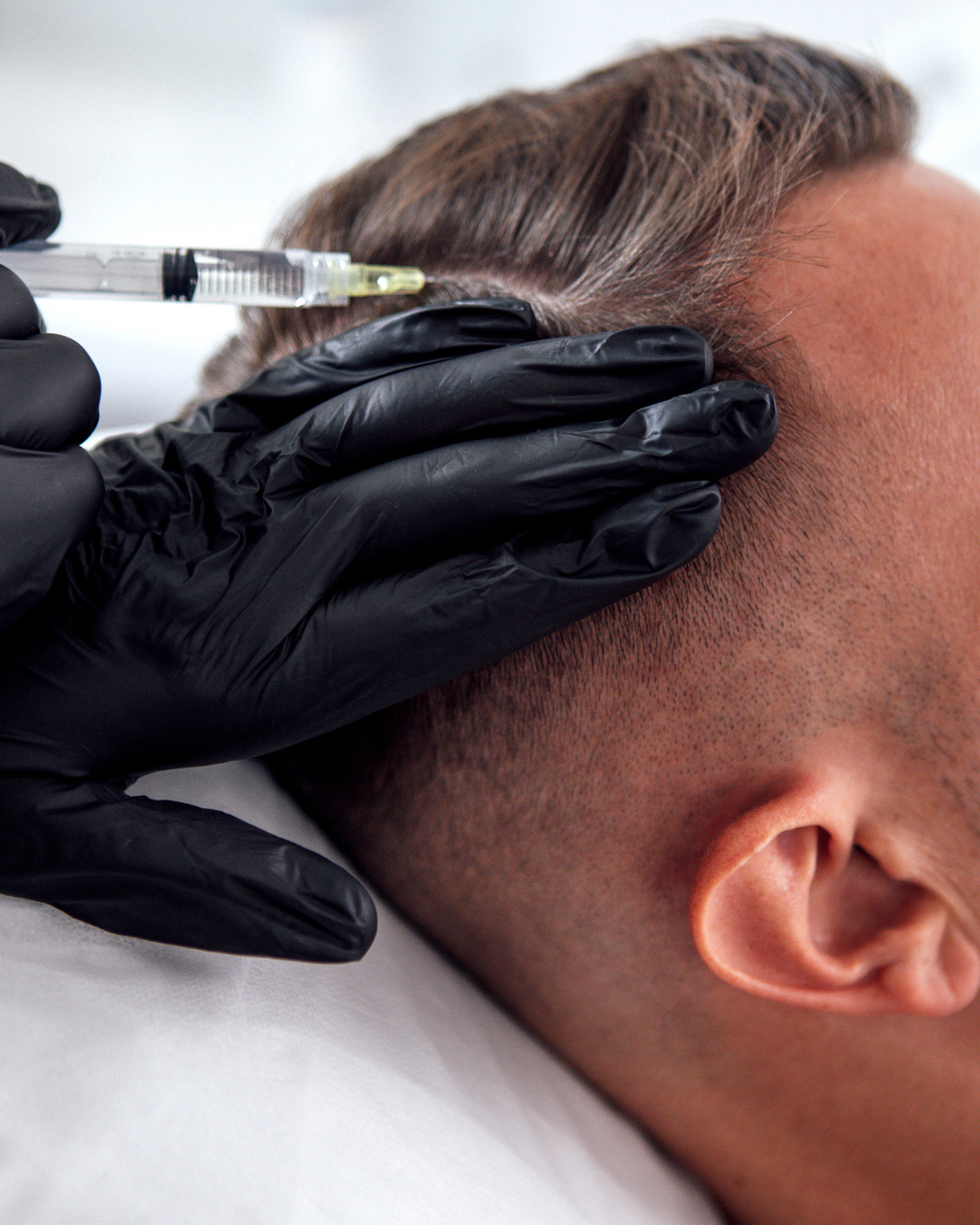
PRP vs Medications vs Topicals
Understanding the Differences Between Hair Loss Treatment Options
Hair loss is a multifactorial condition, meaning it is rarely caused by a single issue — and rarely responds optimally to a single treatment. Modern hair restoration focuses on matching the right therapy to the right stage and cause of hair loss.
This education page explains how PRP therapy, oral medications, and topical treatments work, how they differ biologically, and why combined approaches are often recommended.
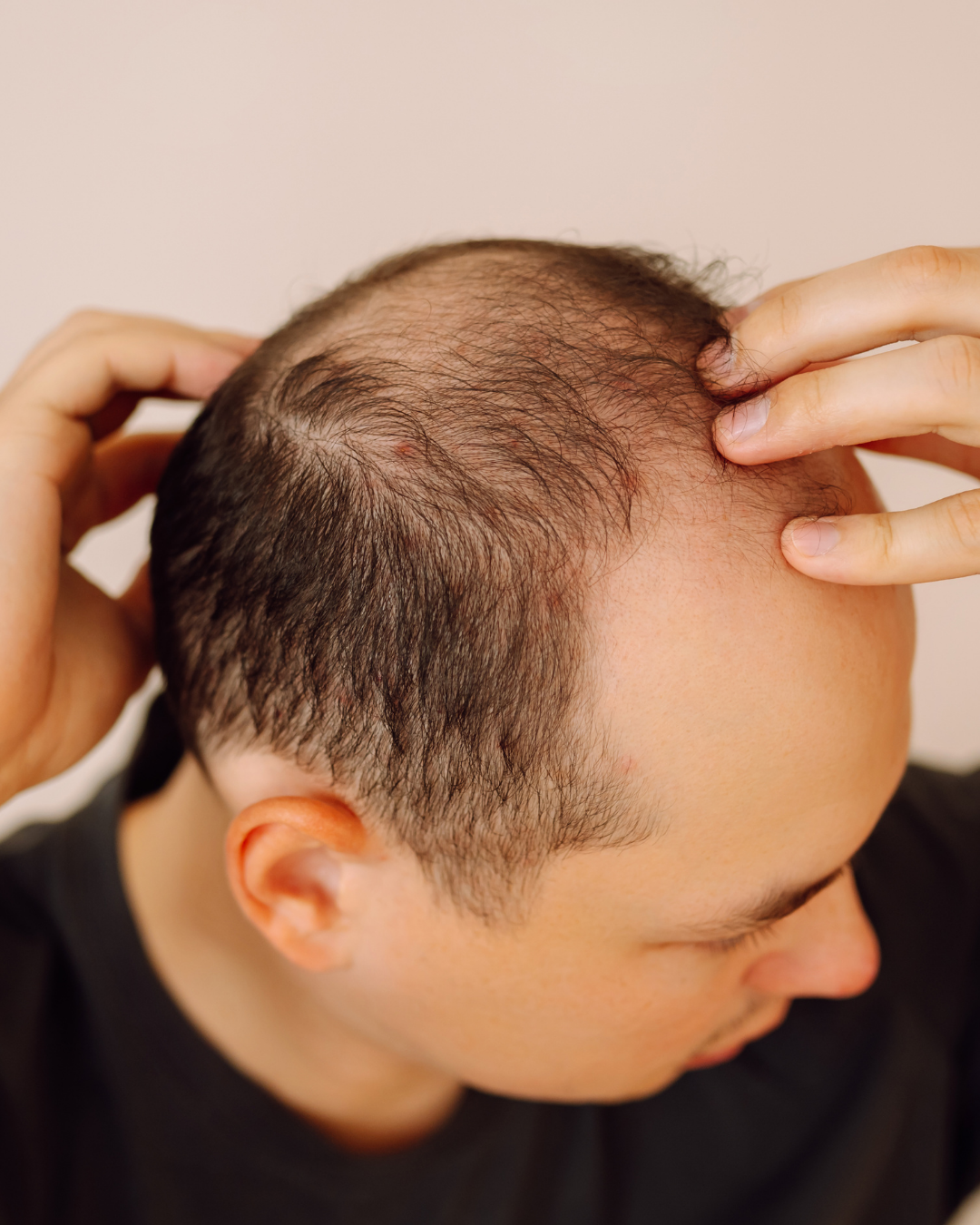
Why There Is No Single “Best” Hair Loss Treatment
Hair growth depends on:
Follicle health
Blood supply
Hormonal signaling
Inflammation control
Scalp environment
Each treatment category addresses different mechanisms. Understanding these differences helps set realistic expectations and safer treatment plans.
PRP Hair Restoration (Regenerative Support)
How PRP Works
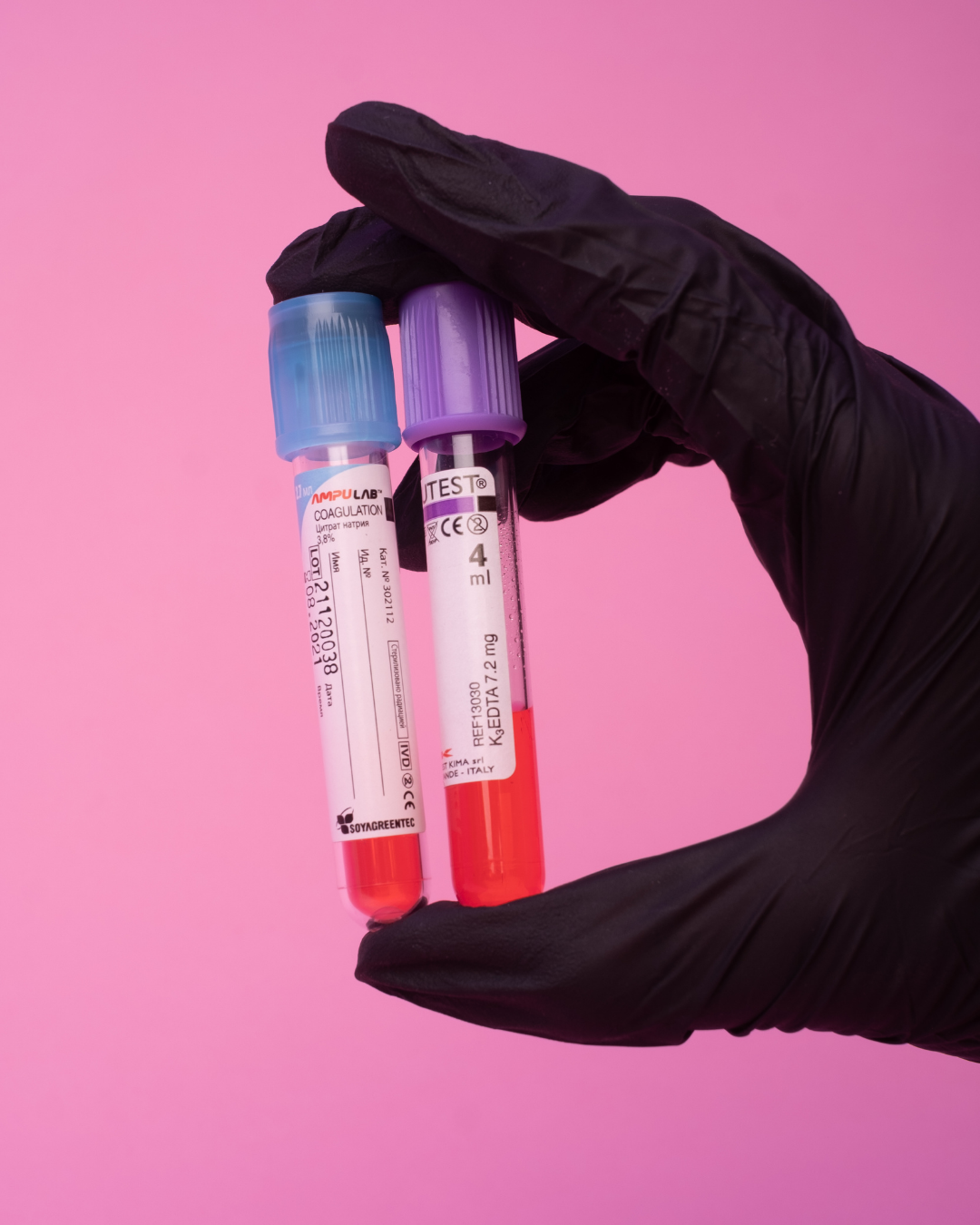
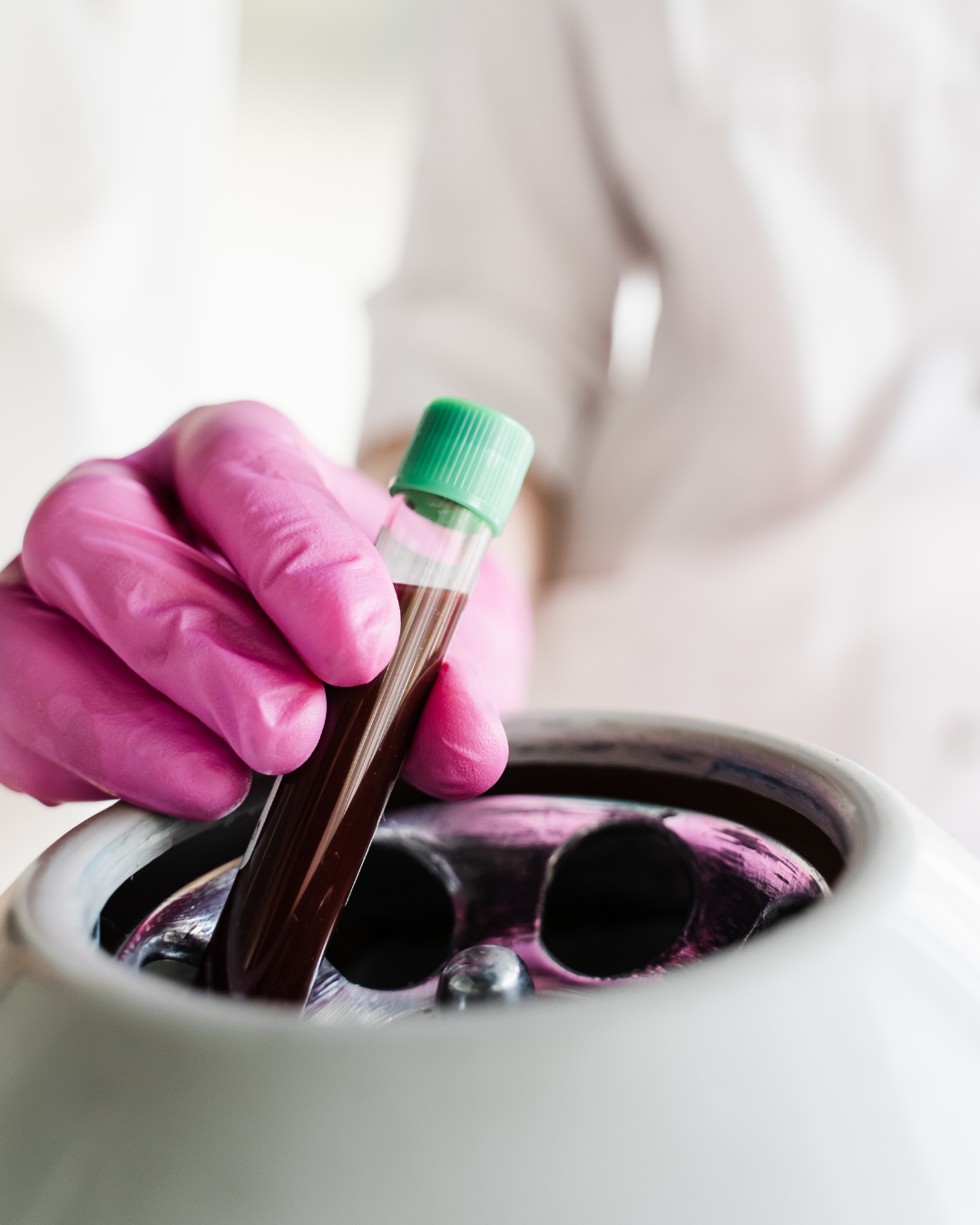
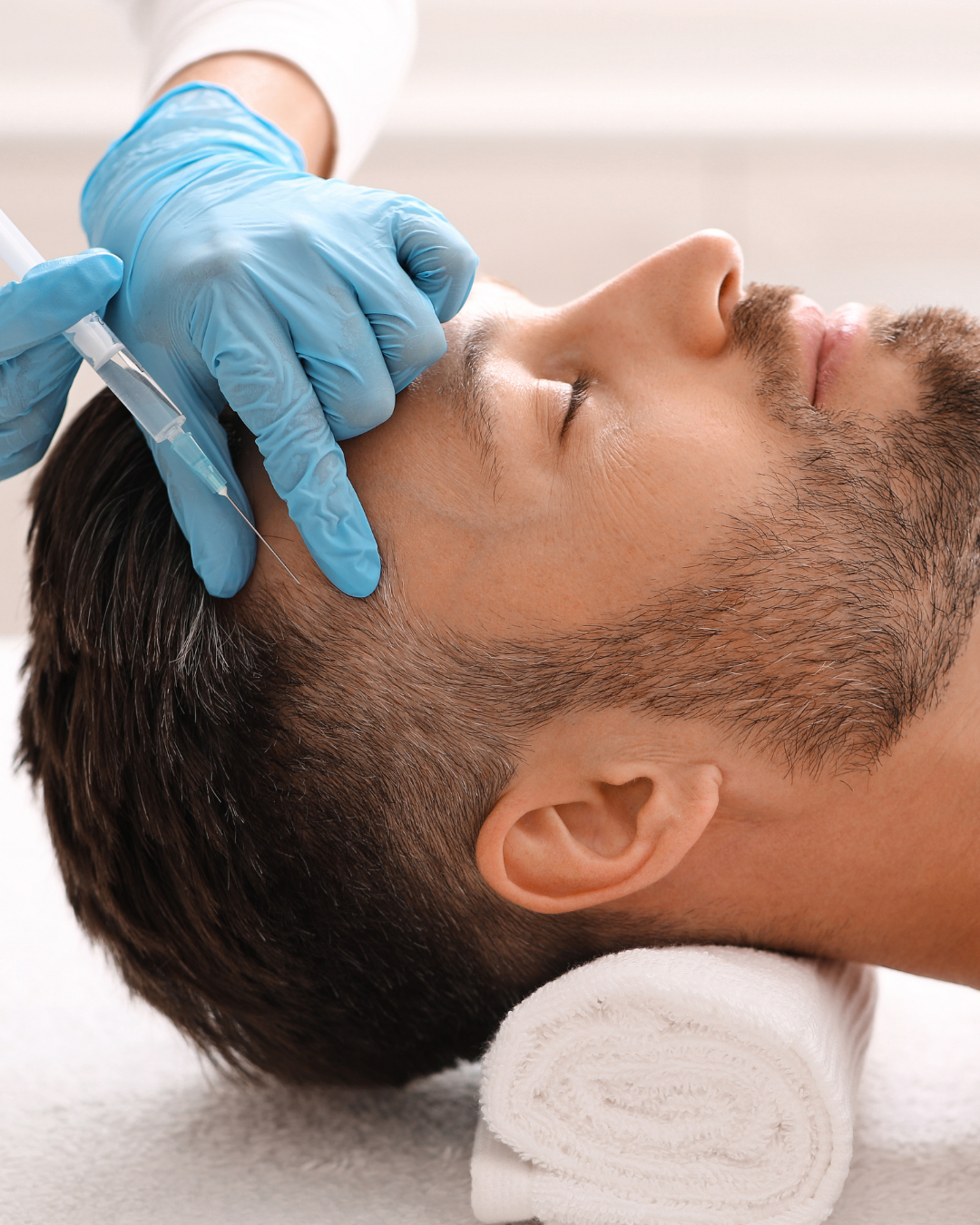
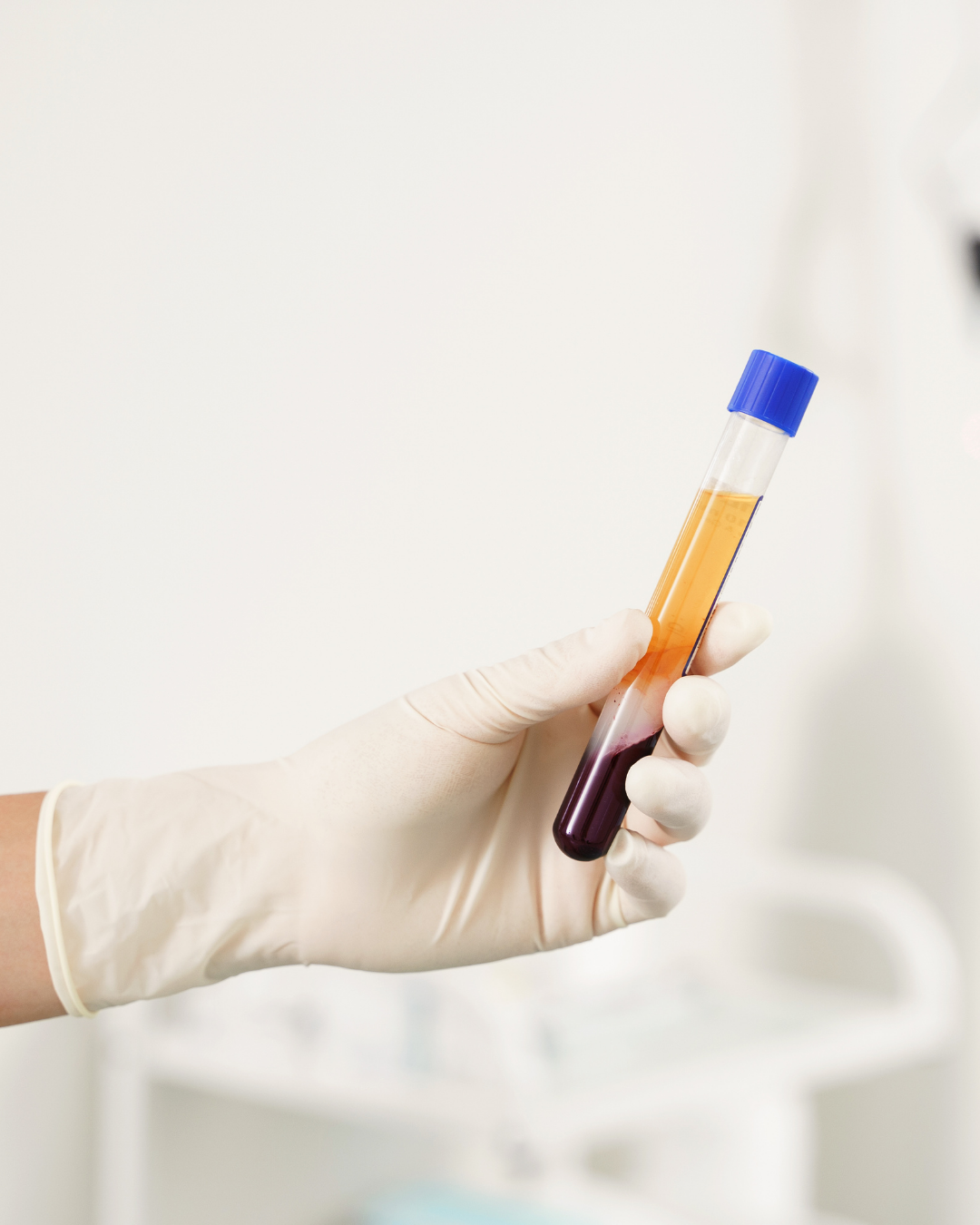
PRP (Platelet-Rich Plasma) uses concentrated growth factors from your own blood to:
Support follicle signaling
Improve circulation to the scalp
Reduce inflammatory stress
Help follicles remain in the growth phase
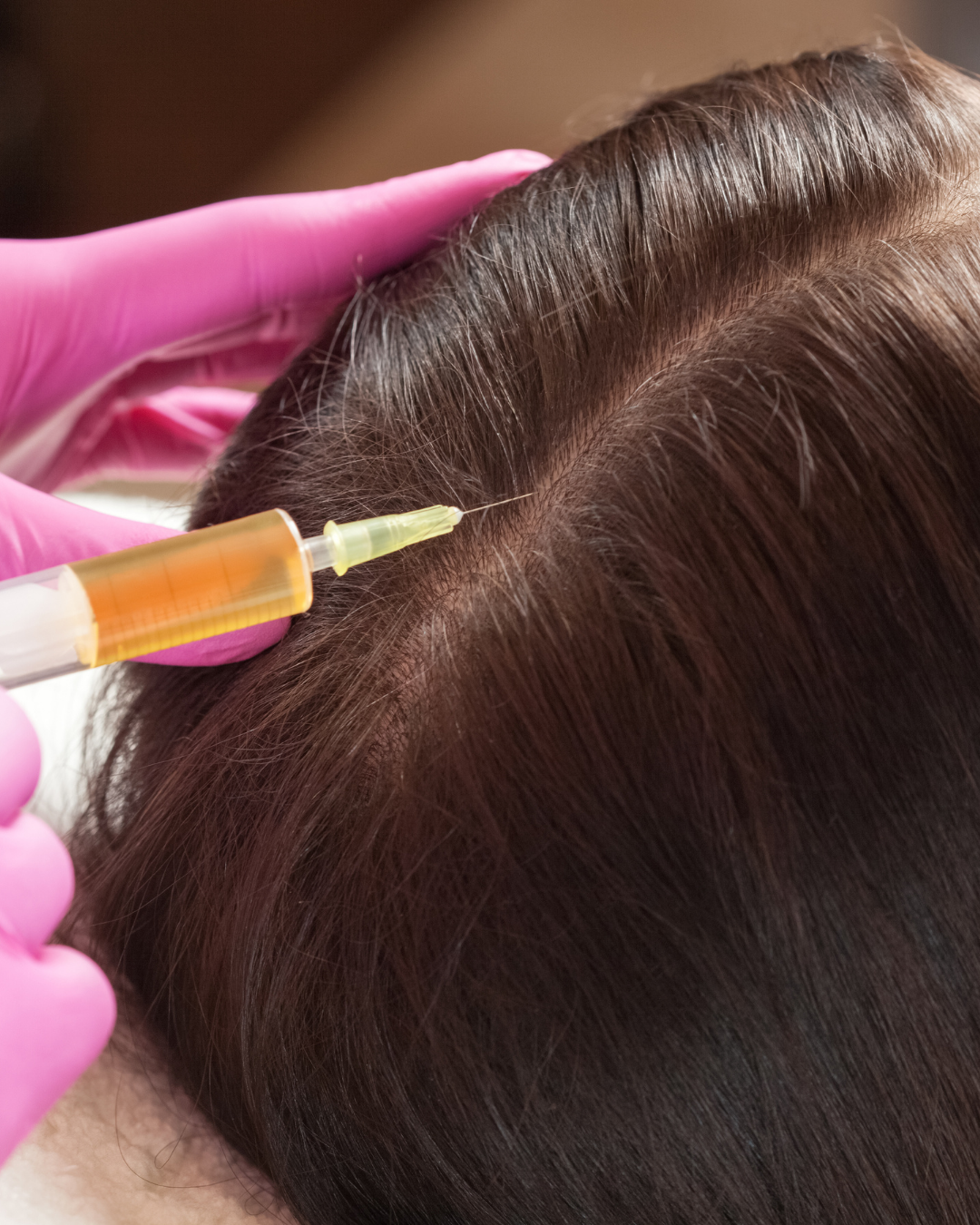
PRP works locally, directly in the scalp.
👉 Related education: PRP Hair Restoration: How It Works
Strengths of PRP
Uses autologous material (your own blood)
Non-surgical
Minimal downtime
Does not require daily compliance
Can be combined with other treatments
Limitations of PRP
Does not create new follicles
Results are gradual
Requires multiple sessions
Maintenance is often needed
PRP is best for early to moderate thinning, not advanced baldness.

Oral Medications (Systemic Hormonal Modulation)
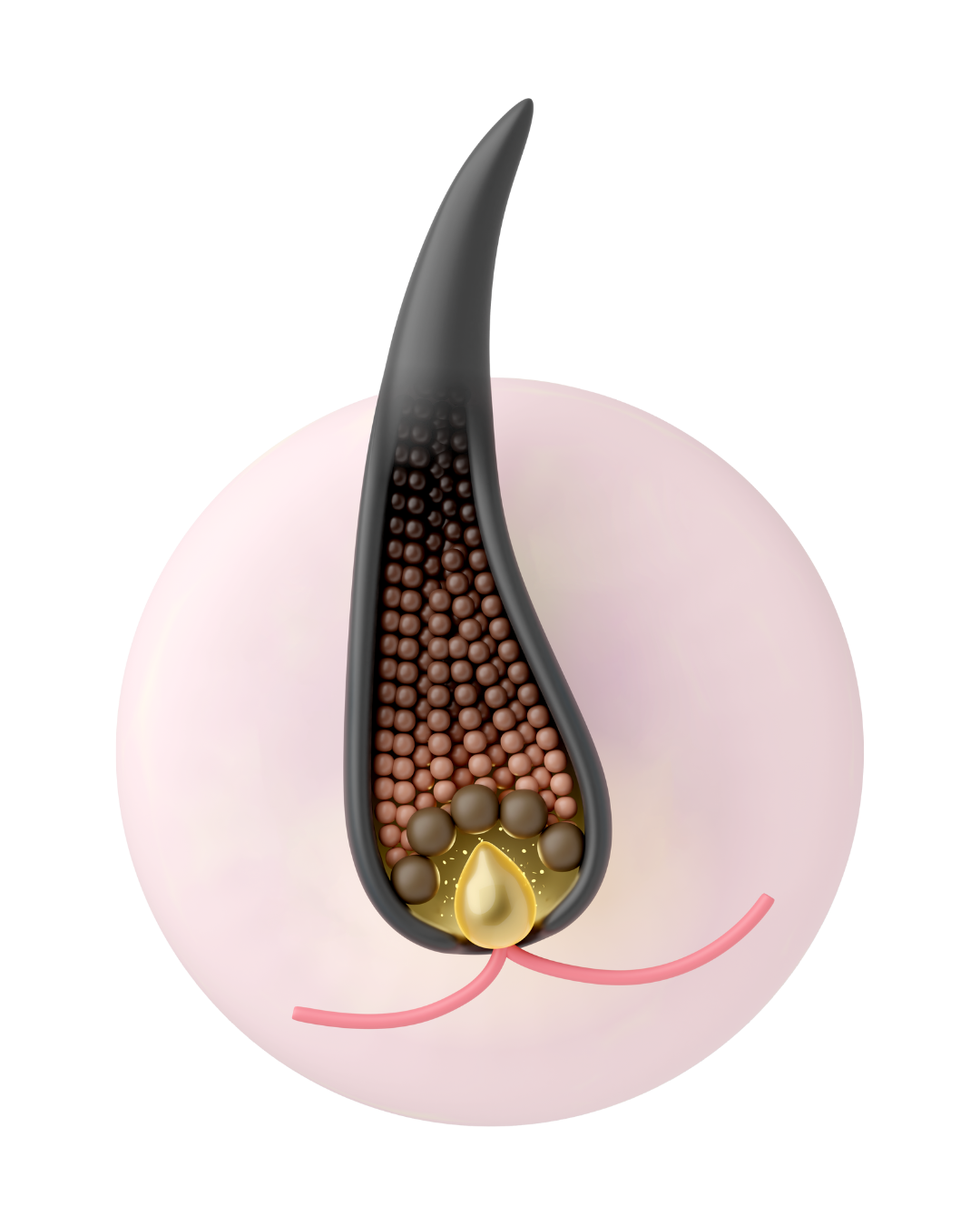
Oral medications commonly prescribed for hair loss work by altering hormonal pathways, particularly those related to DHT (dihydrotestosterone).
How Medications Work
They may:
Reduce hormonal miniaturization of follicles
Slow progression of genetic hair loss
These medications act systemically, affecting the entire body.
Strengths of Medications
Can significantly slow genetic hair loss
Well-studied in certain populations
Convenient for daily use
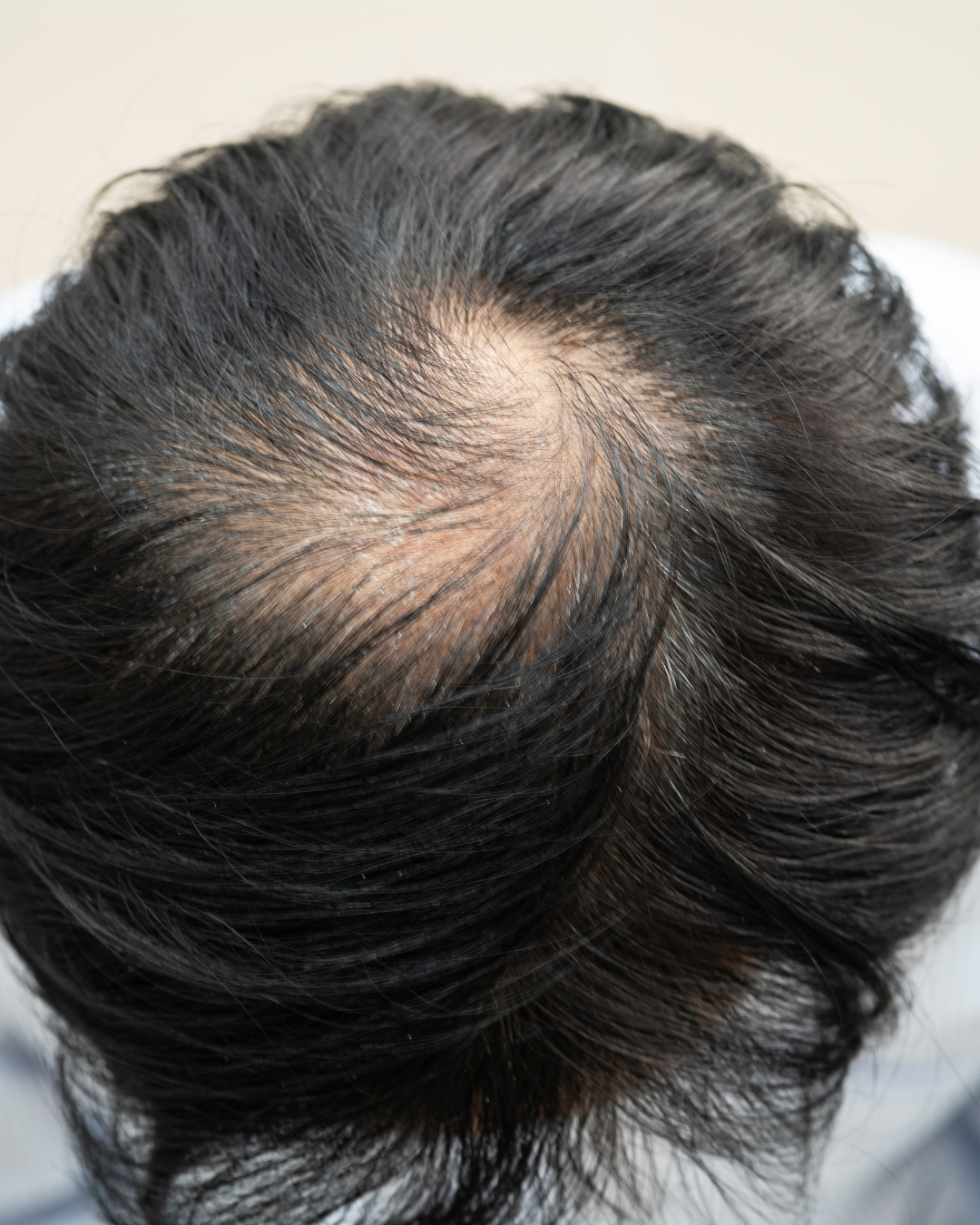
Limitations of Medications
Require long-term, continuous use
Effects stop when medication is discontinued
Potential systemic side effects
Not appropriate for everyone
Medications do not directly improve scalp circulation or follicle environment.
Topical Treatments (Surface-Level Stimulation)
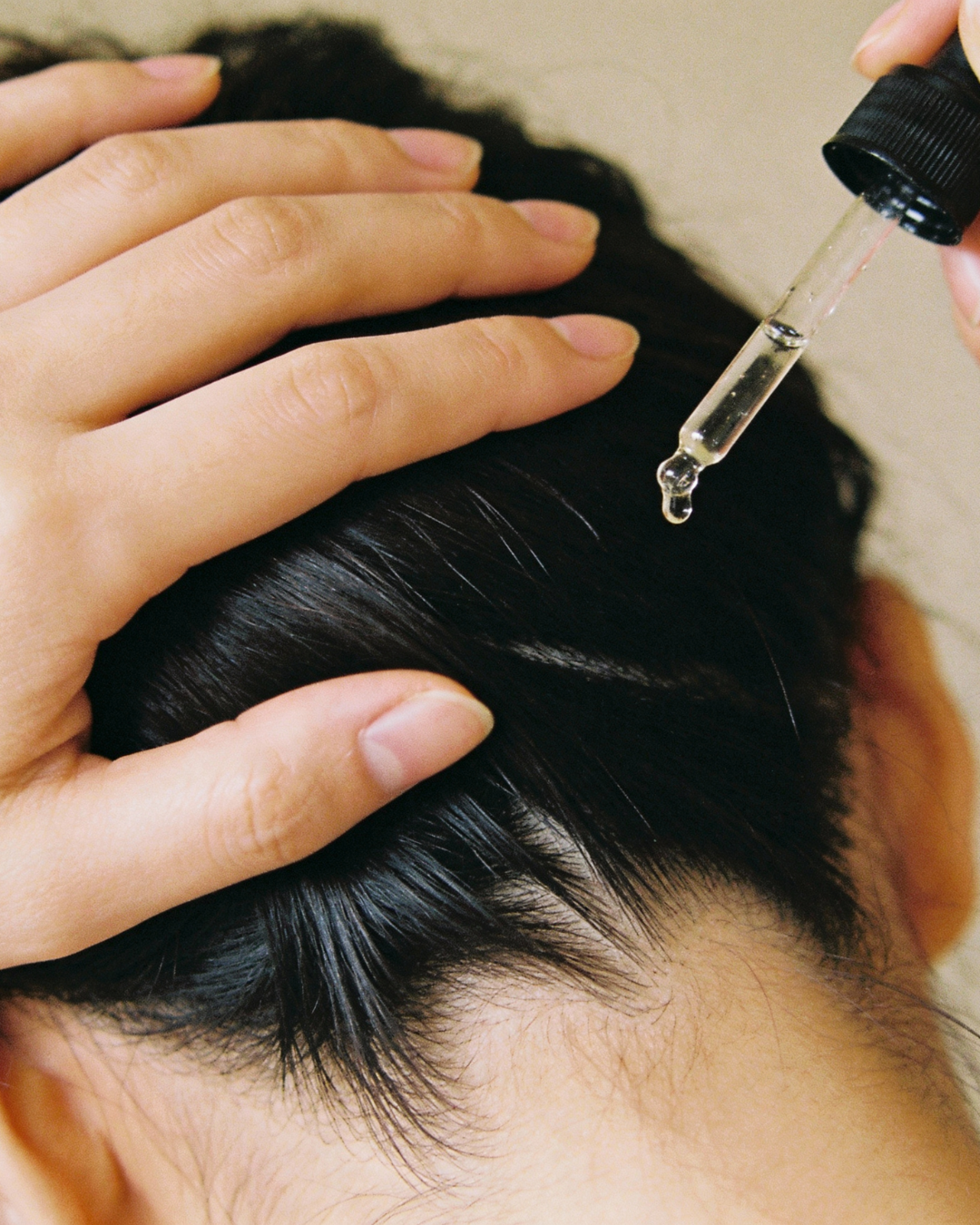
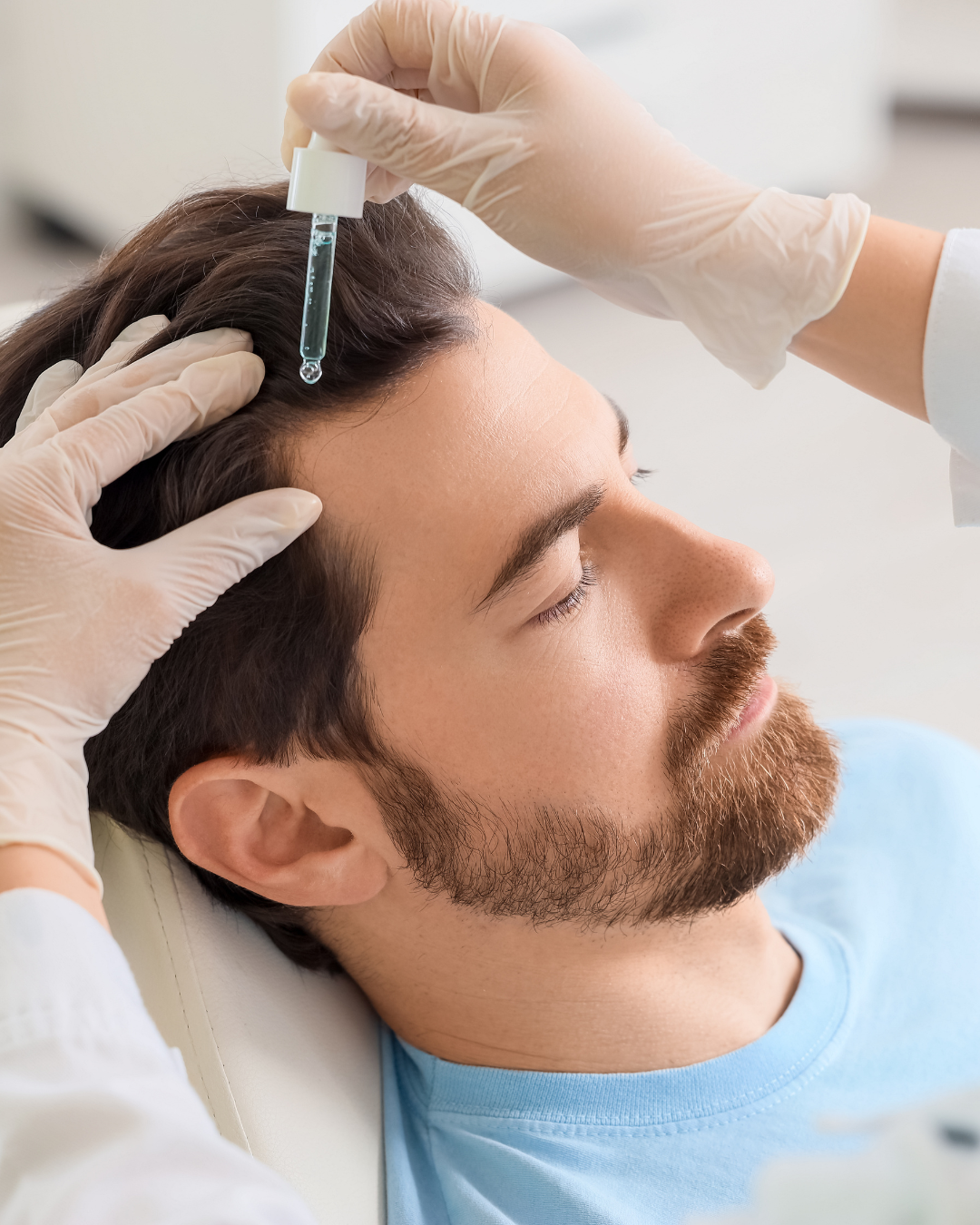
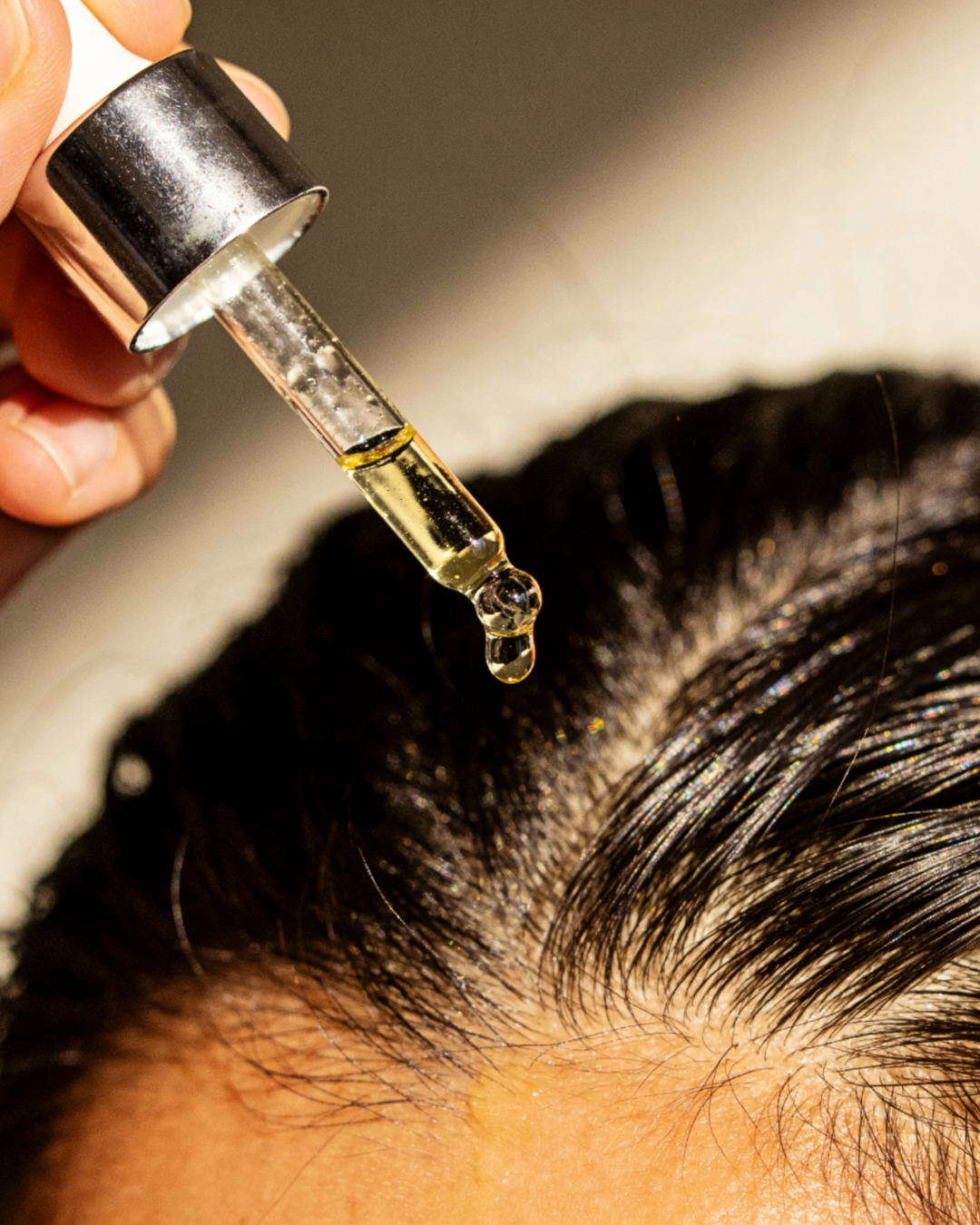
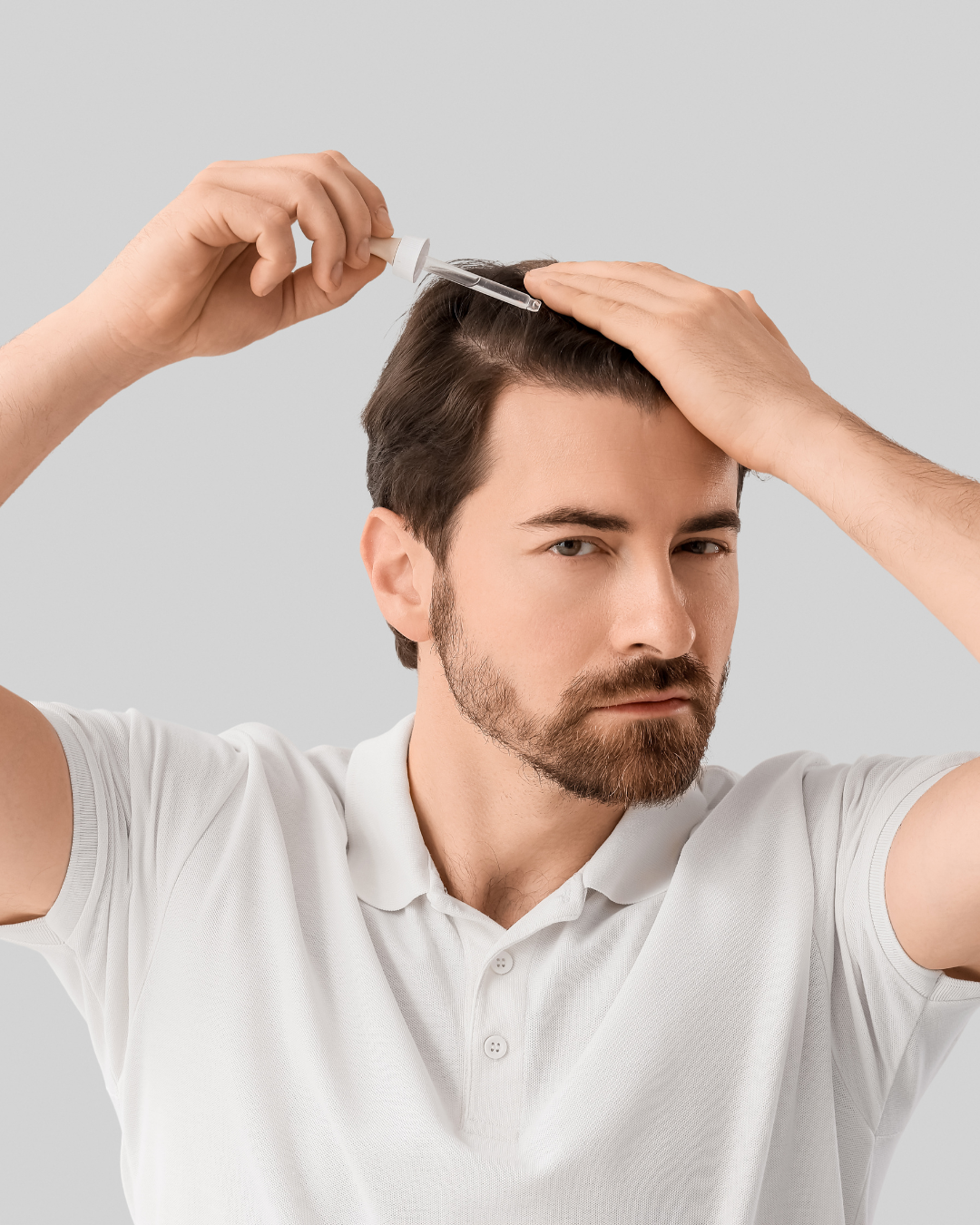
Topical treatments are applied directly to the scalp and are designed to:
Stimulate blood flow
Extend the growth phase of hair
Improve scalp environment
They act locally but superficially.
Strengths of Topicals
Non-invasive
Easy to access
Can improve shedding in some cases
Limitations of Topicals
Require strict daily compliance
Results reverse when discontinued
Can irritate the scalp
Do not address deeper follicle signaling
Topicals alone are often insufficient for progressive hair loss.
Why Combined Therapy Often Works Betters
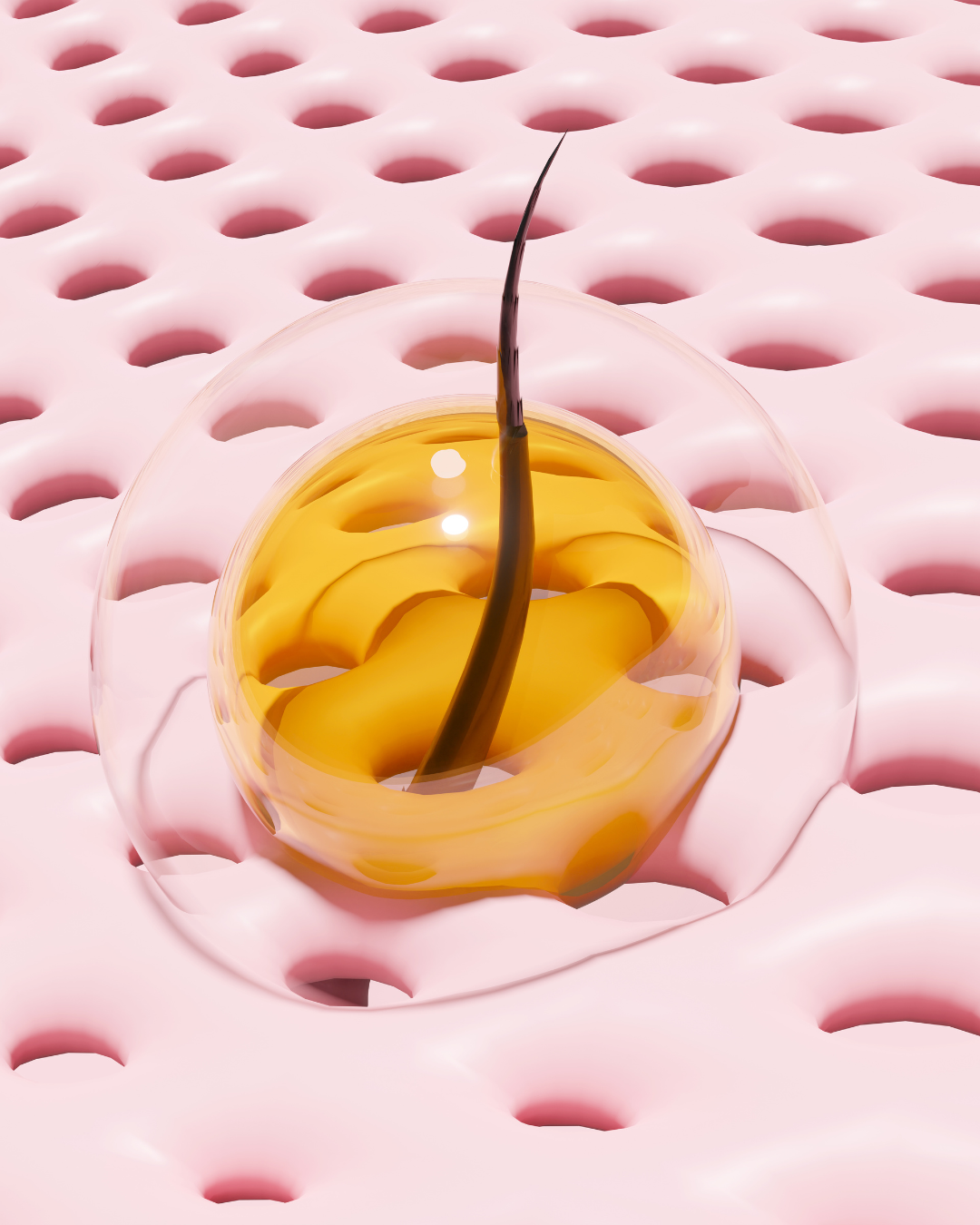
Because hair loss has multiple contributing factors, combining therapies often produces more consistent results.
A combined approach may:
Support follicles biologically (PRP)
Reduce hormonal miniaturization (medications)
Improve scalp stimulation (topicals)
This layered strategy addresses hair loss from multiple angles, rather than relying on one mechanism.
When PRP Alone May Be Appropriate
PRP may be used alone when:
Hair thinning is early
Follicles are still active
Hormonal factors are mild
The goal is preservation and thickening
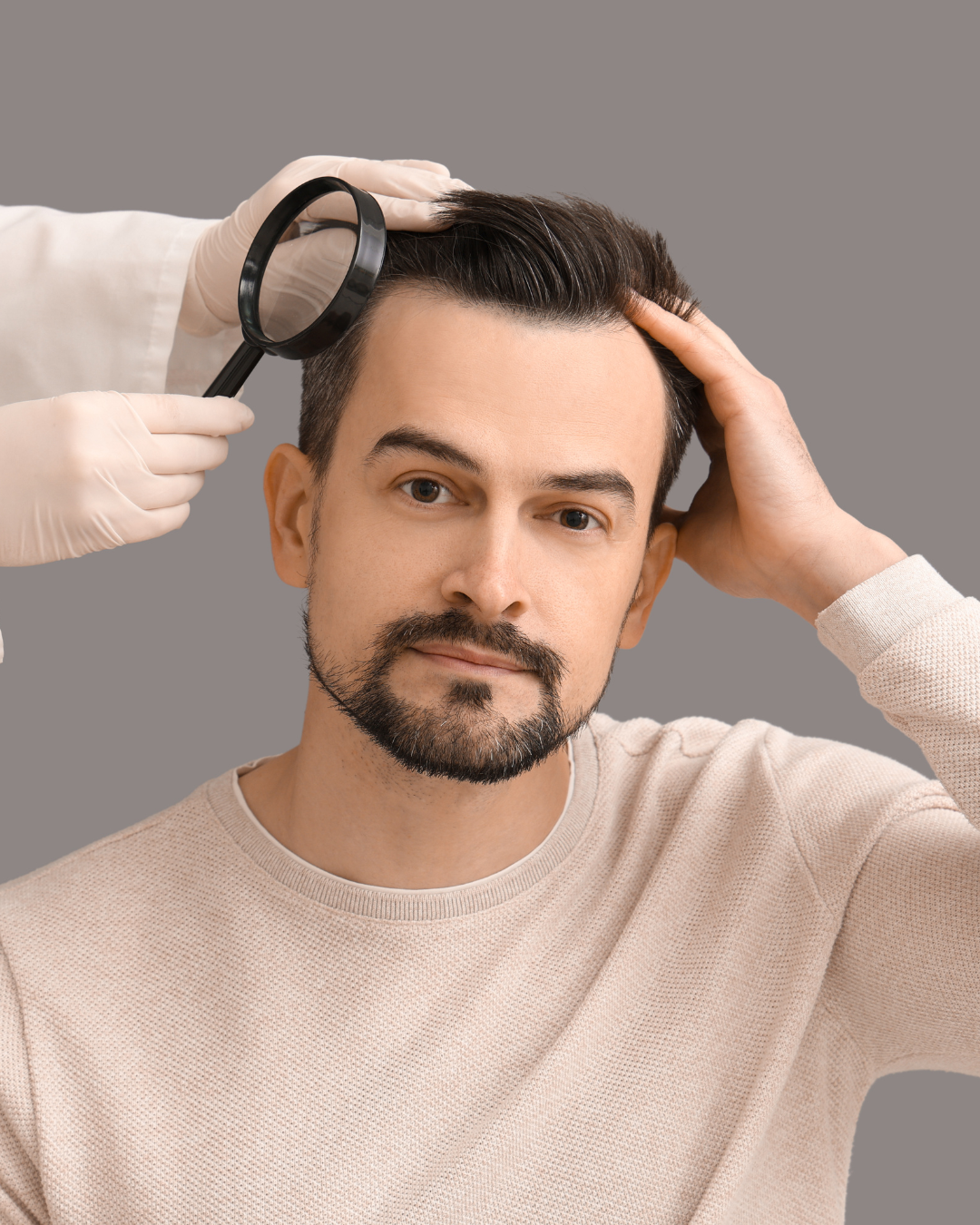
When Combination Therapy Is Often Recommended
Combination therapy may be considered when:
Hair loss is progressive
Multiple contributing factors are present
PRP results need reinforcement
Long-term preservation is the goal
Treatment planning is individualized.
Safety & Lifestyle Considerations
Each option carries different considerations:
PRP: localized, low systemic risk
Medications: systemic effects require screening
Topicals: scalp tolerance varies
Education and consultation are essential before choosing a path.

Denver-Specific Hair Loss Considerations
In Denver’s high-altitude environment:
Scalp dryness is common
Environmental stress may worsen shedding
Hydration and circulation support are important
PRP combined with scalp care is often beneficial in dry climates.
Common Myths
Myth: PRP replaces medications
Truth: They act on different pathways.
Myth: Topicals work the same as PRP
Truth: PRP works deeper at the follicle level.
Myth: More treatments equal faster results
Truth: Hair growth follows biological timelines.
Educational Summary
PRP, medications, and topical treatments each play a distinct role in hair loss management. No single approach is universally superior — effectiveness depends on cause, stage, biology, and goals.
At Denver Dream Med Spa, hair restoration planning emphasizes:
Education
Conservative expectations
Regenerative support
Thoughtful combination strategies
Because successful hair restoration is a process, not a shortcut.
PRP Hair Restoration & Injectable Education
Scalp Hair Loss PRP Treatment in Denver Dream Medspa
Hair Loss Myths & Safety FAQs
How PRP Hair Restoration Works
PRP in Denver Dream Medspa
PRP Vs. Medications Vs. Topicals
Chin Filler Education
Hair Loss Types & Causes
Dermal Fillers vs Botox vs Biostimulators
PRP Hair Results & Maintenance
Join the Skin + Tox Club and Save on Dermal Fillers