
How Laser Tattoo Removal Works
A Complete, Science-Based Guide to Safe, Effective Tattoo Removal
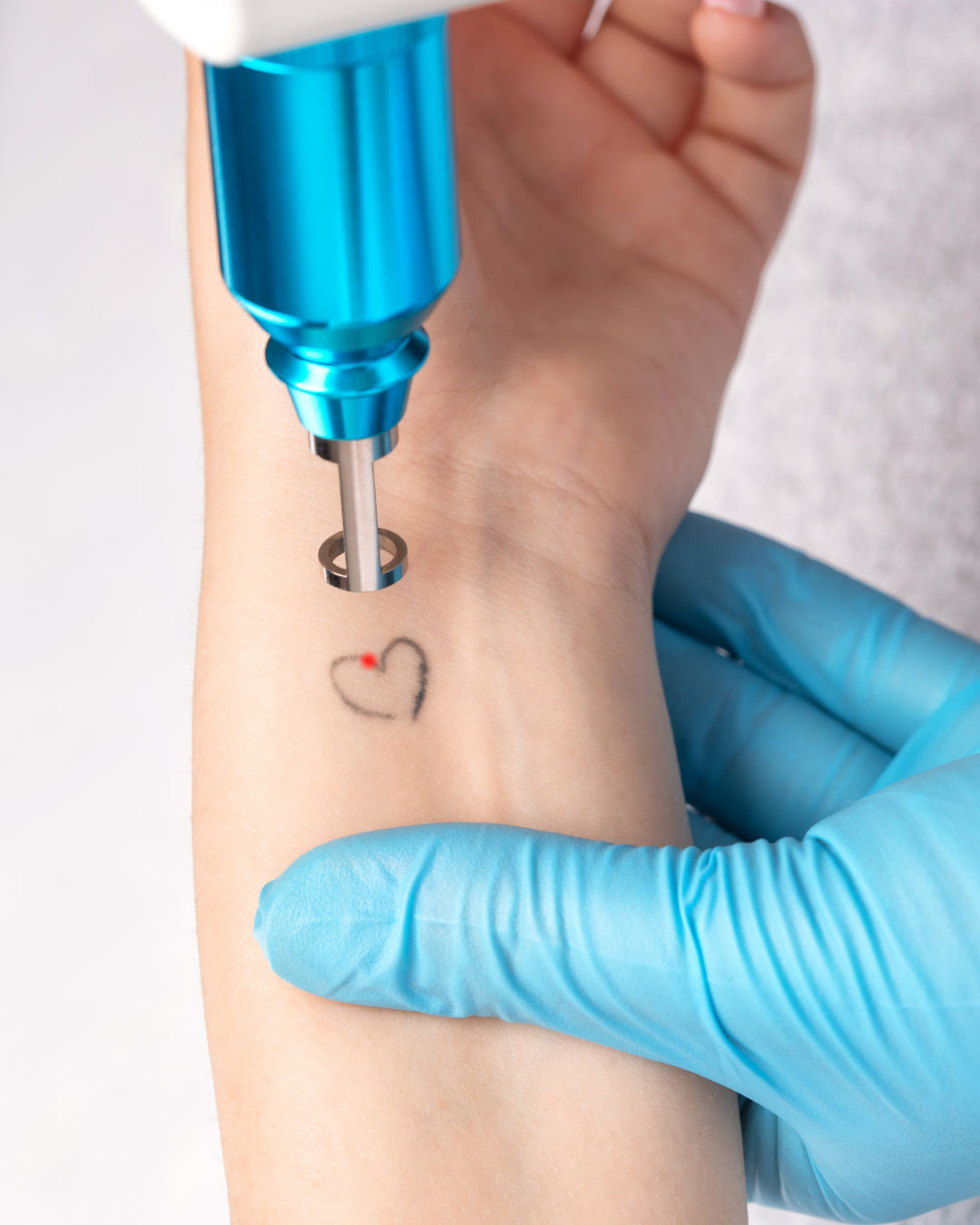
Laser tattoo removal is the most advanced and clinically proven method for fading or removing unwanted tattoos. While the treatment itself is fast, the science behind it is complex — and understanding how laser tattoo removal works is essential for setting realistic expectations and protecting skin health.
At Denver Dream Med Spa, laser tattoo removal is approached as a controlled medical-grade procedure, not a cosmetic shortcut. This guide explains exactly how laser tattoo removal works, why multiple sessions are required, and how modern technology safely removes tattoo ink while preserving healthy skin — especially important in Denver’s high-altitude environment.
What Makes Tattoo Ink Permanent
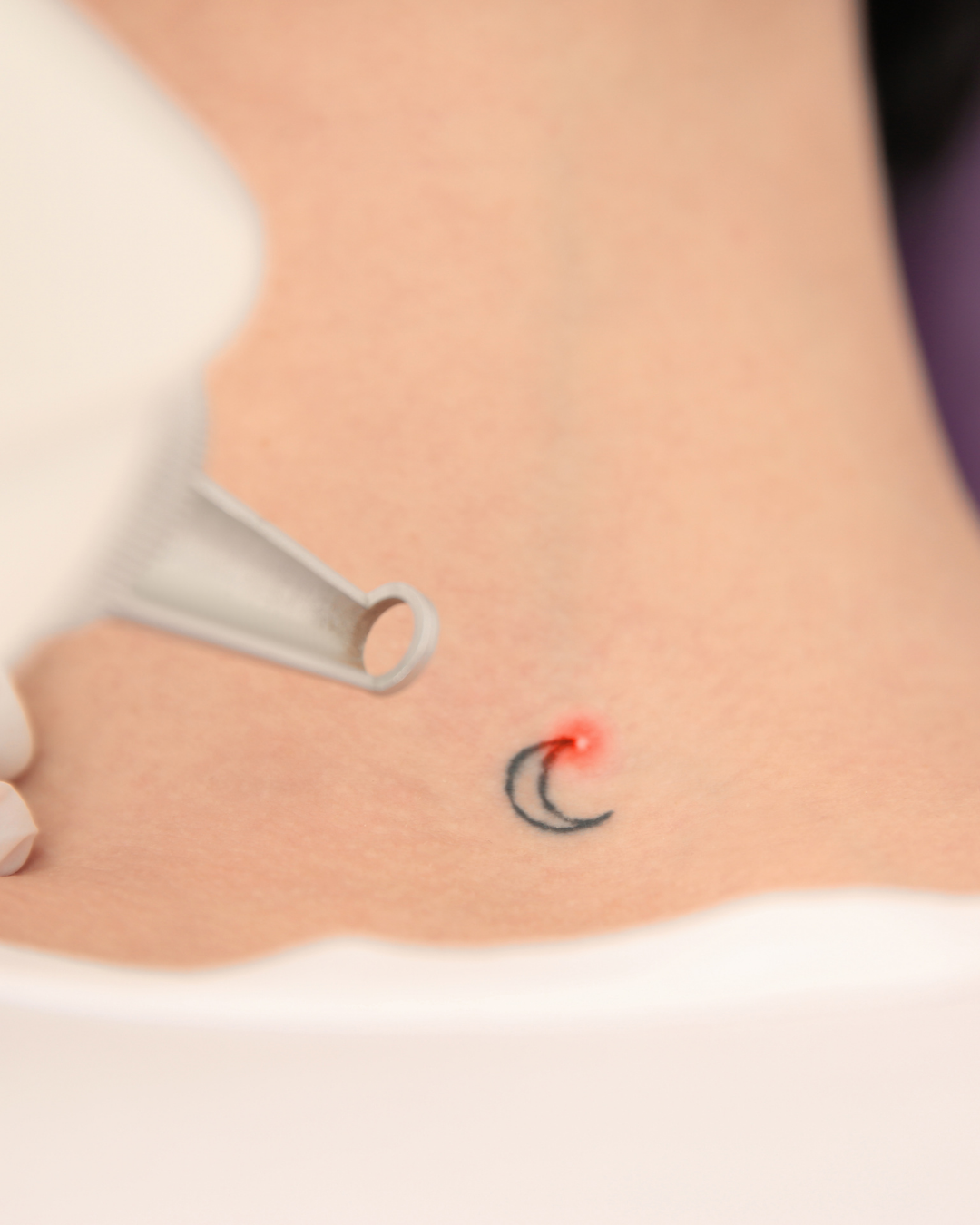
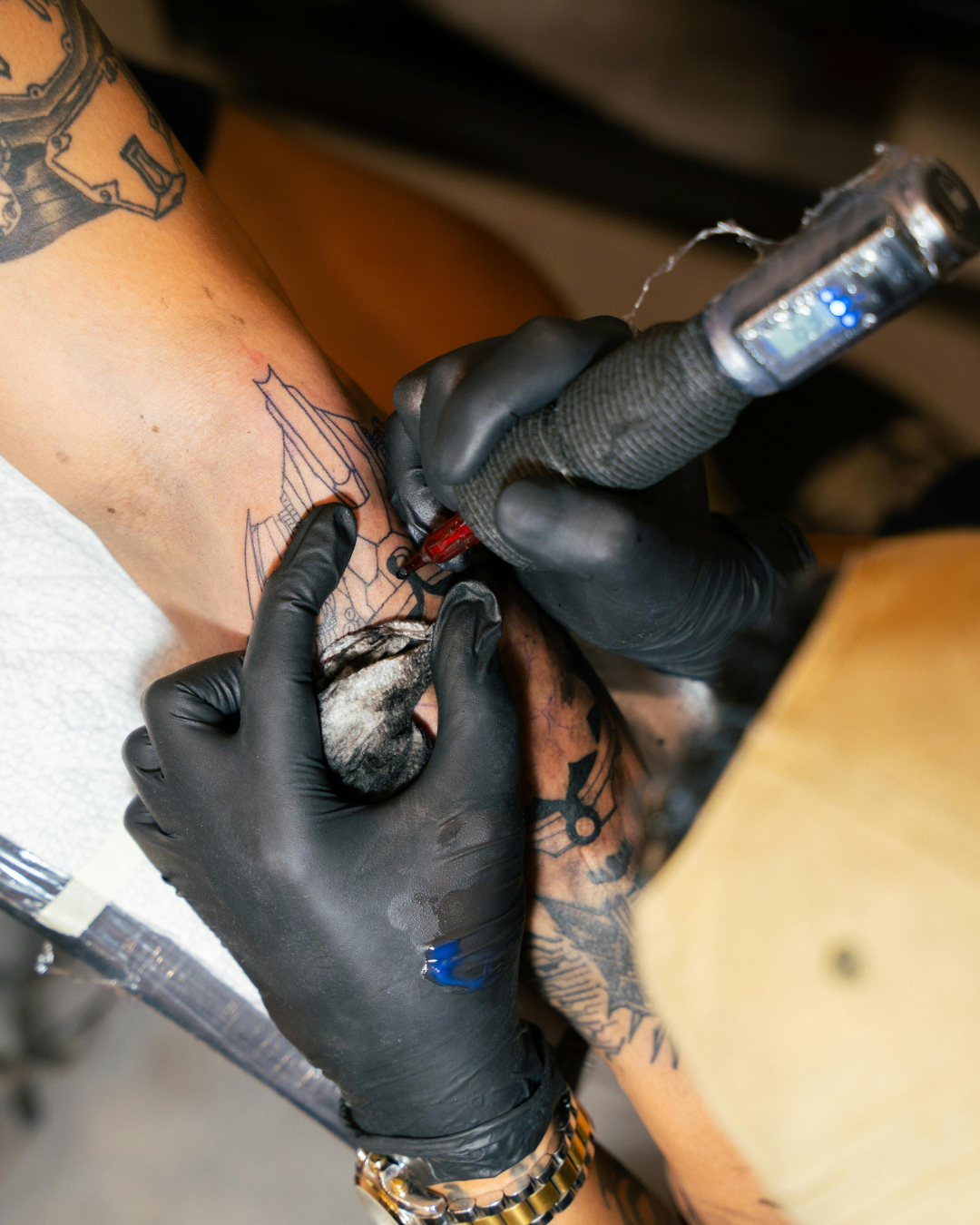
Tattoo ink is deposited into the dermis, the deeper layer of skin beneath the surface. Unlike surface pigment, tattoo ink particles are:
Too large for the body to naturally remove
Encapsulated by immune cells
Trapped permanently unless disrupted
This is why creams, scrubs, and topical treatments cannot remove tattoos.
The Science Behind Laser Tattoo Removal
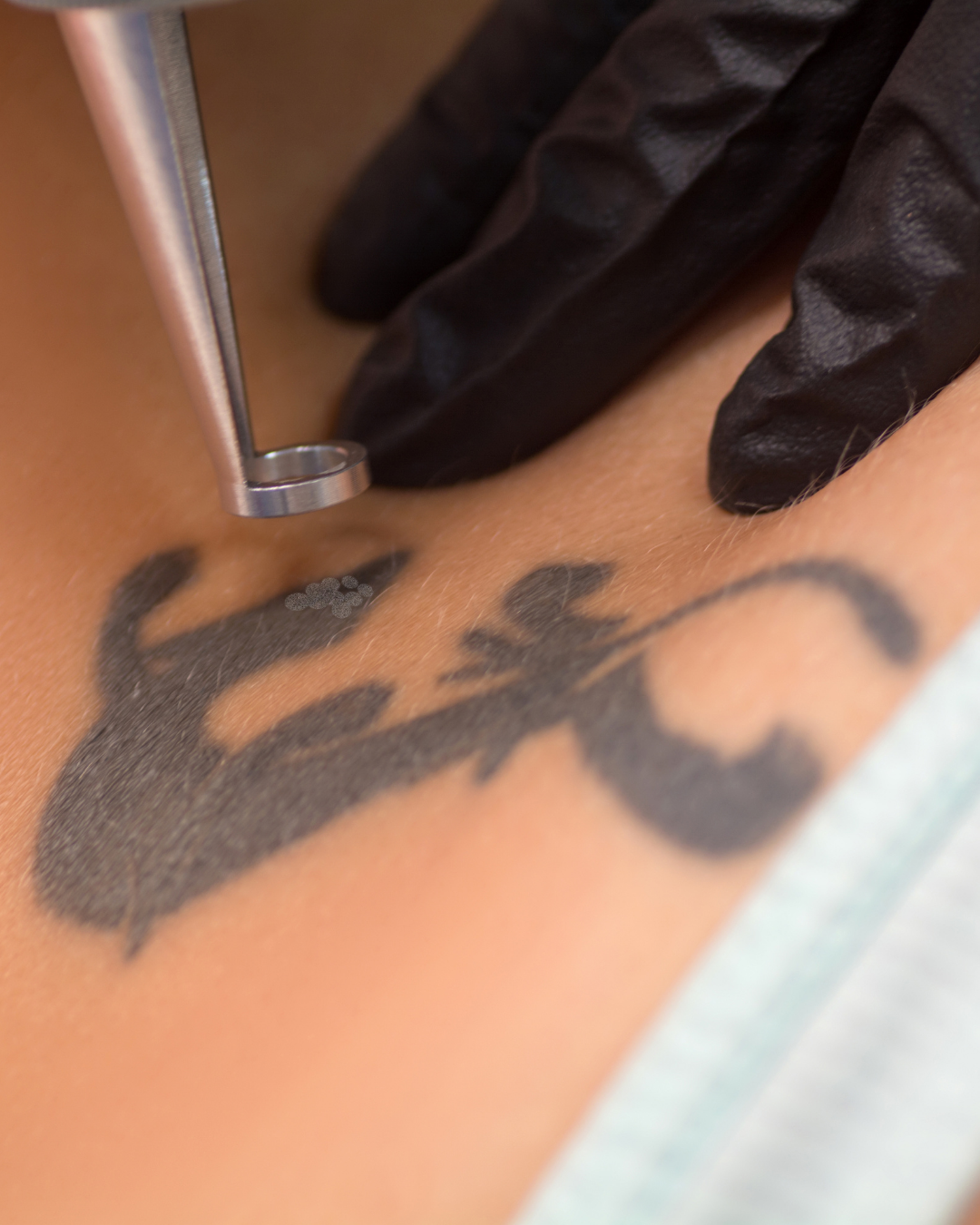
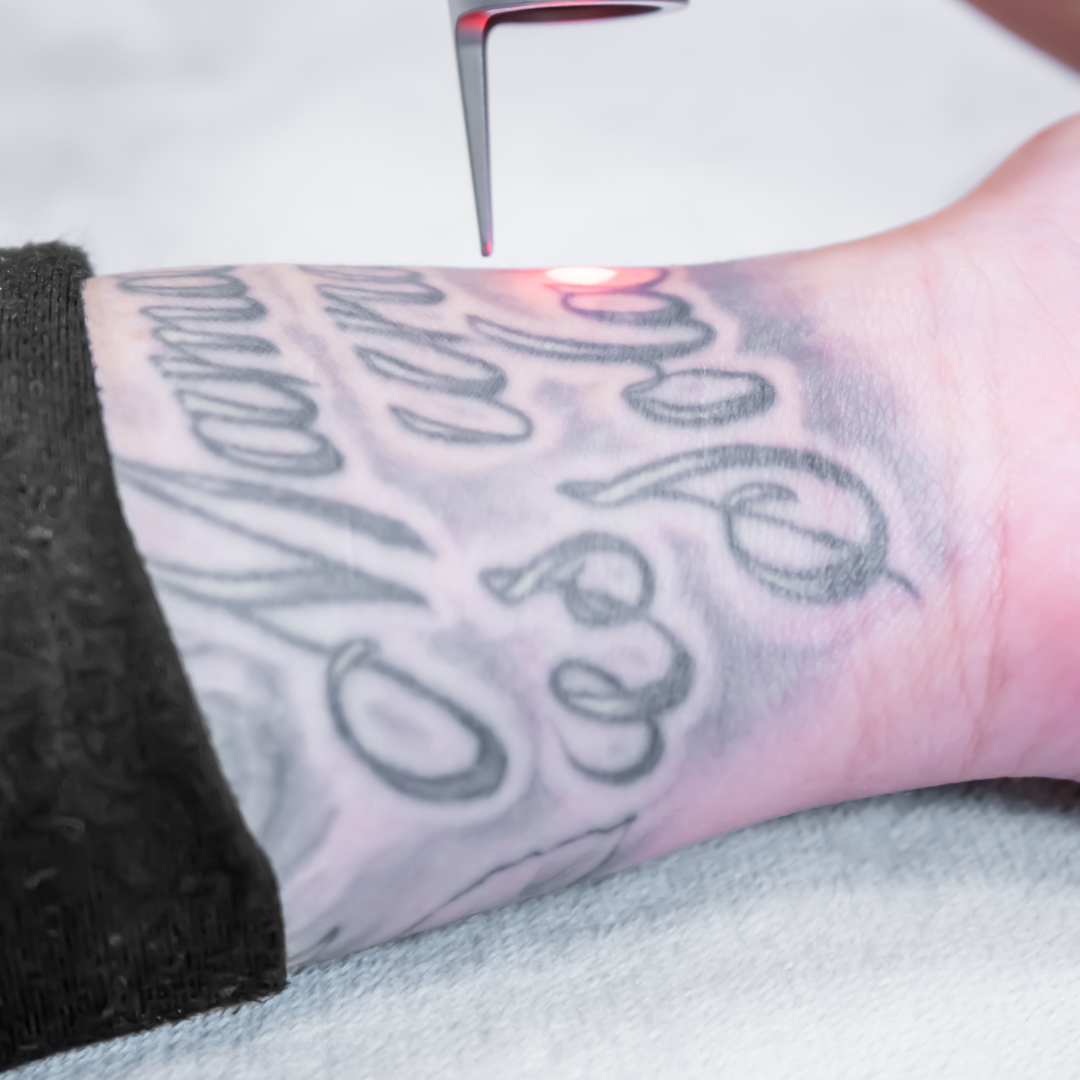
Laser tattoo removal works through a process called selective photothermolysis — a controlled interaction between light, pigment, and heat.
During treatment:
The laser emits extremely short pulses of light
Tattoo ink selectively absorbs that light
The ink rapidly heats and shatters into microscopic fragments
The surrounding skin remains intact and unharmed
The immune system gradually clears the fragmented ink over time
The laser does not “burn off” the tattoo — it initiates a biological clearing process.
Why Laser Tattoo Removal Takes Multiple Sessions
Tattoo removal is gradual because:
Ink is layered at different depths
Different colors absorb different wavelengths
The immune system clears ink slowly
Skin must fully heal between treatments
Most tattoos require multiple sessions spaced 6–8 weeks apart to allow safe healing and effective ink clearance.
Attempting to remove a tattoo too aggressively increases the risk of scarring and pigmentation changes.
How Tattoo Ink Color Affects Removal
Tattoo ink color plays a significant role in how quickly and effectively a tattoo fades.

Modern multi-wavelength laser systems allow providers to target multiple ink colors safely over time.
Does Laser Tattoo Removal Damage Skin?
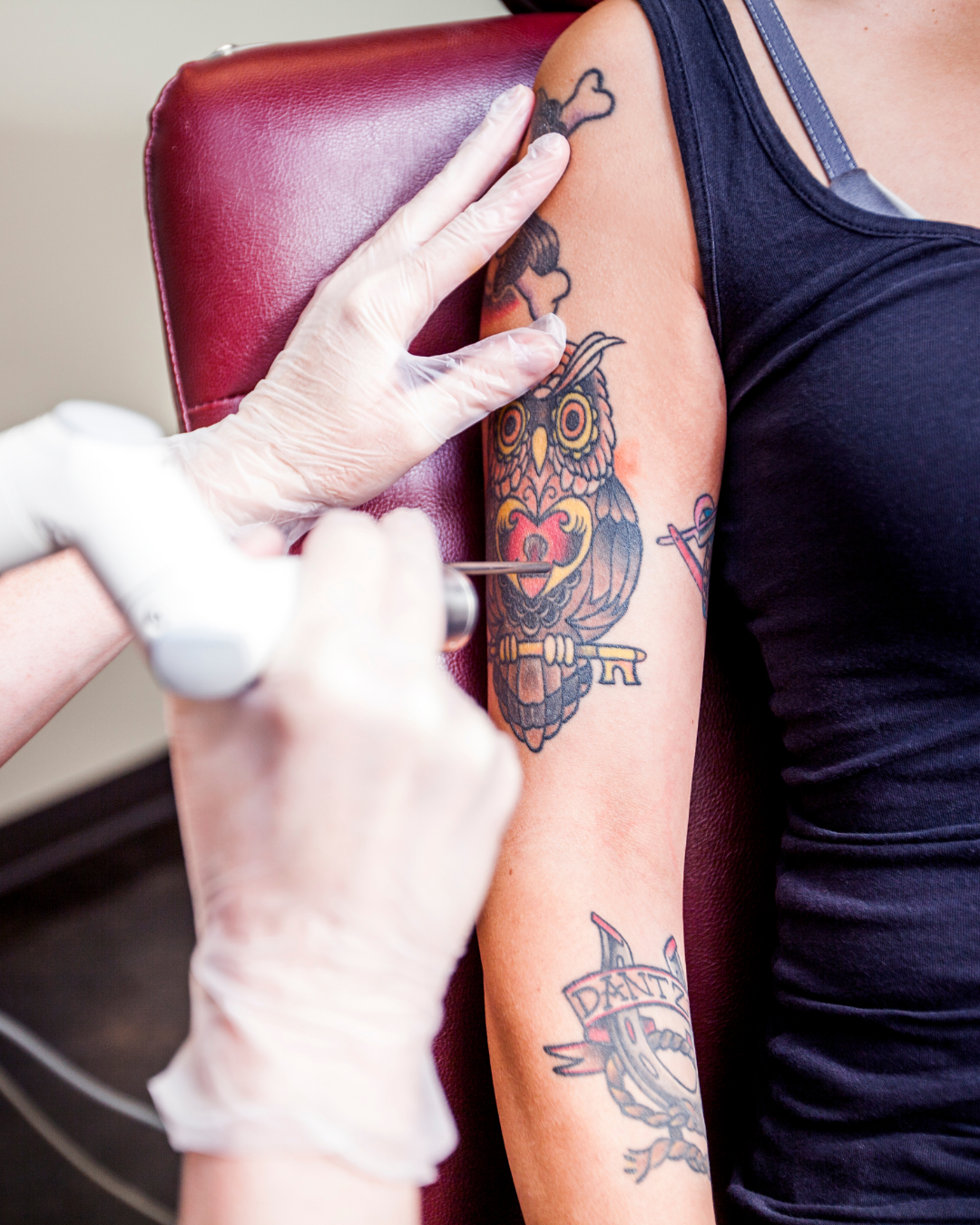
When performed correctly, laser tattoo removal targets ink — not healthy skin tissue.
Skin protection is achieved through:
Precise wavelength selection
Controlled energy delivery
Advanced cooling systems
Conservative treatment progression
Adequate healing intervals
True skin damage is rare and most often linked to improper technique, outdated equipment, or inadequate aftercare.
How the Body Clears Tattoo Ink After Treatment
Once the ink is fragmented:
Immune cells transport particles through the lymphatic system
Clearance occurs gradually over weeks
Continued fading is seen long after each session
This is why patience is essential — the laser starts the process, but your body completes it.
What Tattoos Can Be Treated?
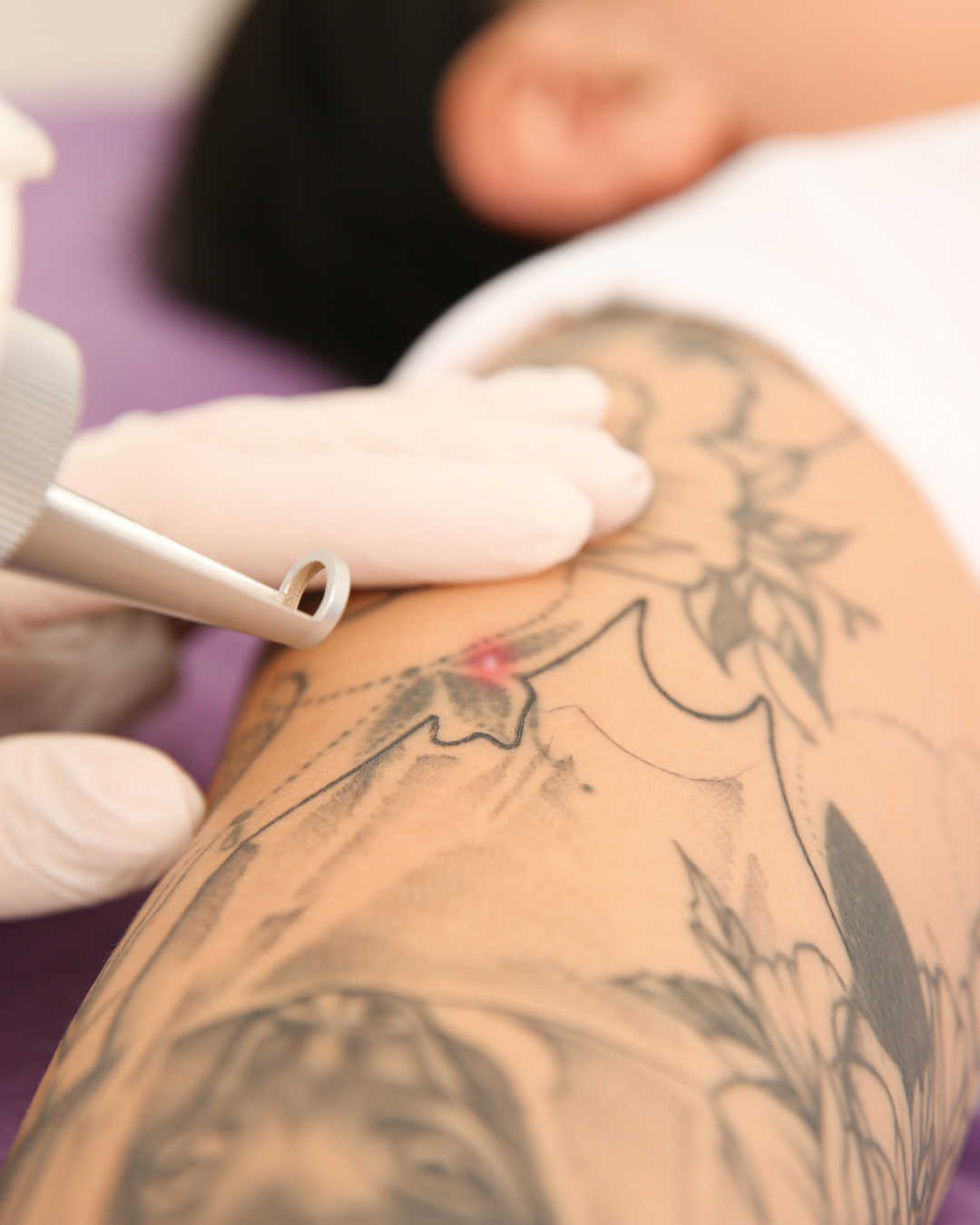
We treat a wide range of tattoos, including:
Black and gray tattoos
Multicolor tattoos
Old or faded tattoos
Professional tattoos
Amateur tattoos
Tattoos being lightened for cover-ups
Certain colors respond faster than others, and this is discussed during your consultation.
How Many Sessions Will I Need?
The number of sessions varies based on:
Tattoo size
Ink density and color
Tattoo age
Location on the body
Skin tone and immune response
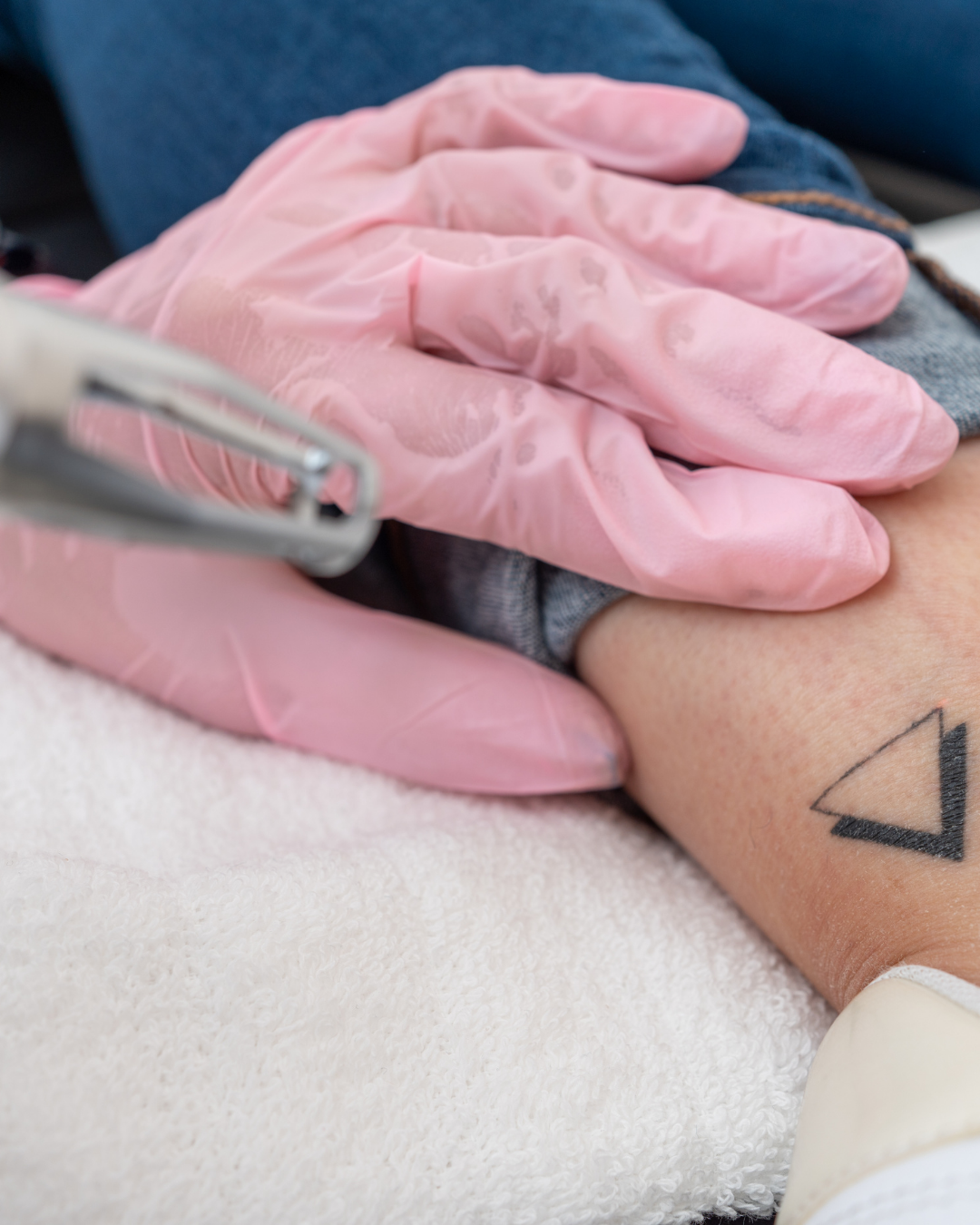
Most clients require 6–12 sessions, spaced several weeks apart, to allow proper healing and ink clearance.
How the Body Clears Tattoo Ink After Treatment
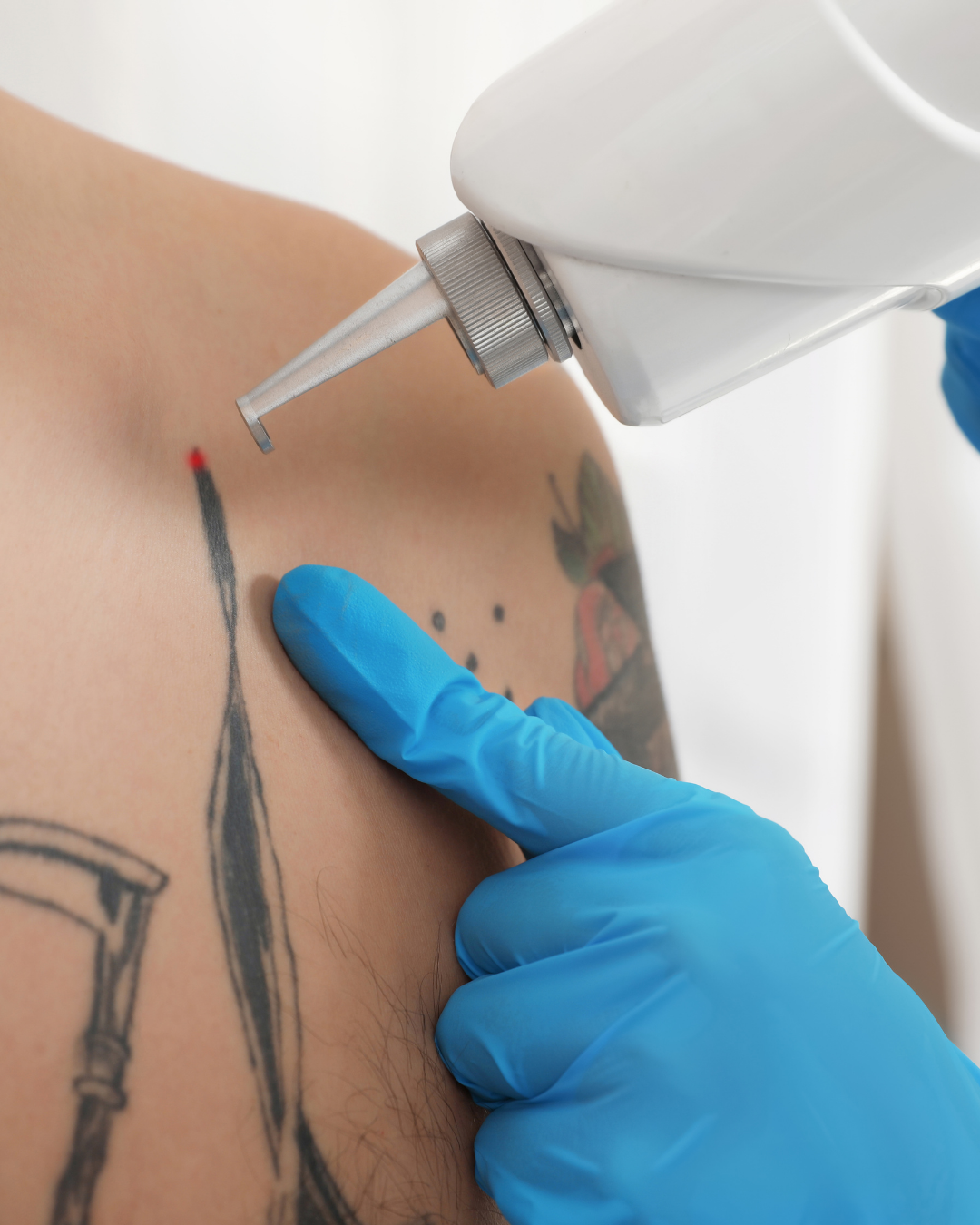
Once the ink is fragmented:
Immune cells transport particles through the lymphatic system
Clearance occurs gradually over weeks
Continued fading is seen long after each session
This is why patience is essential — the laser starts the process, but your body completes it.
Factors That Influence Tattoo Removal Results
Tattoo removal outcomes vary based on several biological and technical factors.
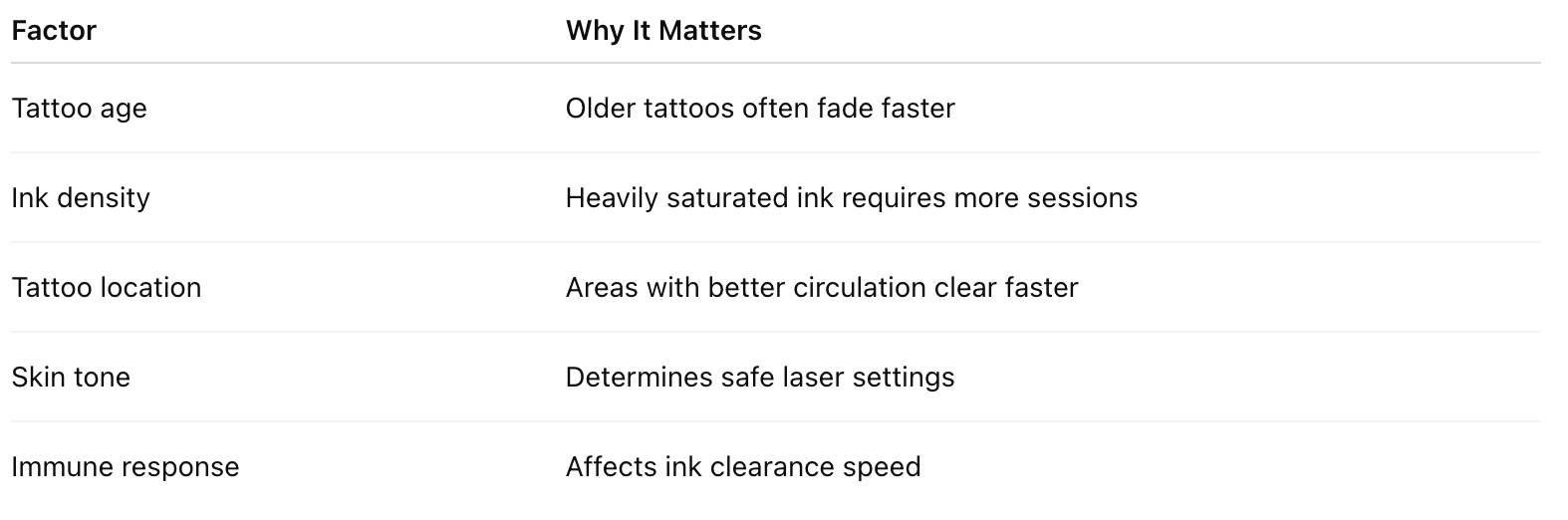
No two tattoos respond exactly the same.

Laser Tattoo Removal for Different Skin Tones
Laser tattoo removal can be safely performed on a wide range of skin tones when appropriate technology and protocols are used.
Darker skin tones require longer wavelengths
Energy levels must be adjusted conservatively
Sun exposure must be strictly managed
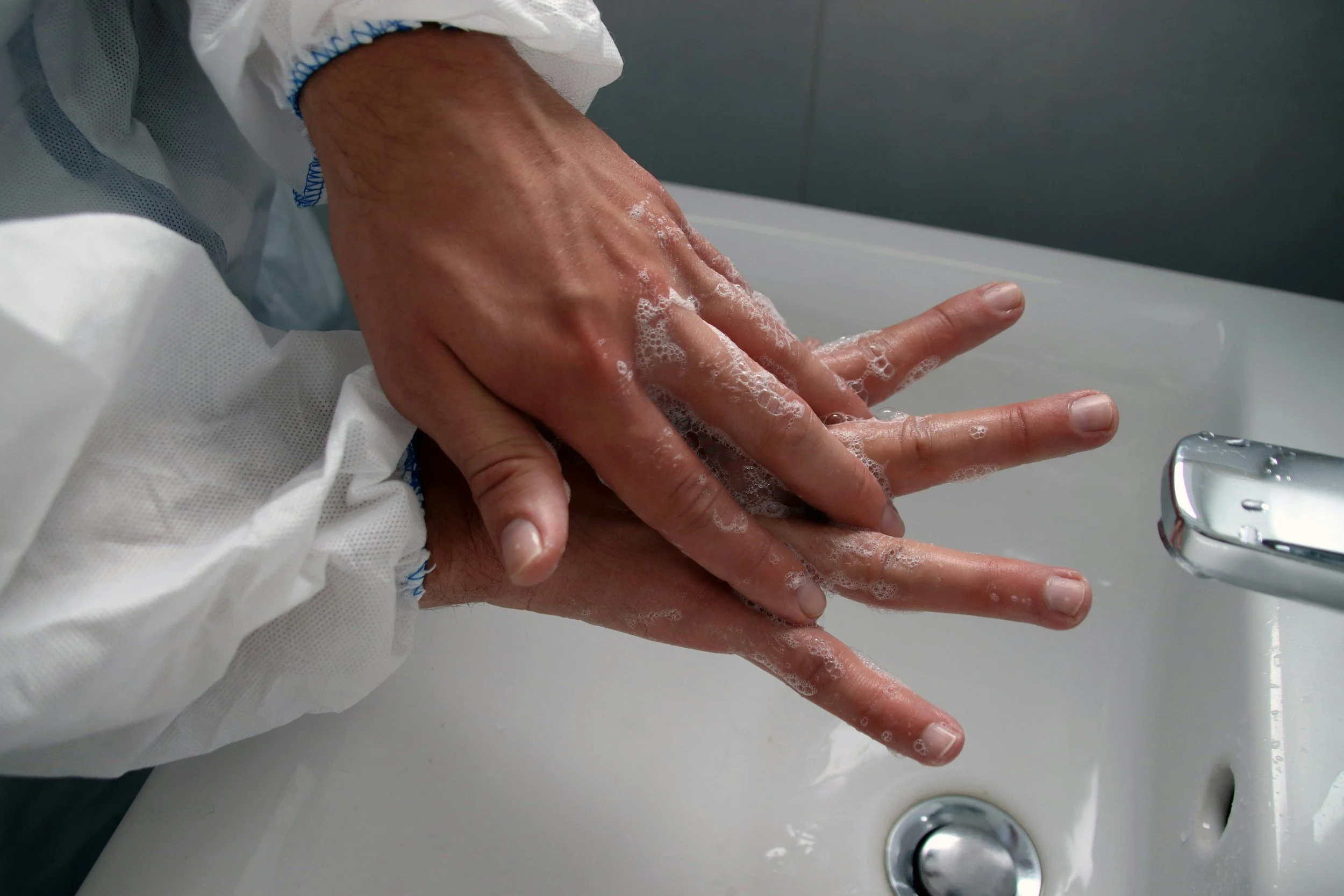
Healing After Each Session
After treatment, normal responses may include:
Redness and swelling
Temporary whitening or frosting of ink
Mild blistering or scabbing in some cases
These reactions resolve as the skin heals over 7–14 days, while ink clearance continues for weeks.

Tattoo Removal in Denver’s High-Altitude Climate
Denver’s elevation increases UV exposure and affects skin healing. As a result:
Sun protection is mandatory before and after treatment
Treatments may be delayed if skin is sun-exposed
Seasonal adjustments are common
Local expertise matters for safe outcomes in Colorado.
Why Professional Expertise Matters
Laser tattoo removal outcomes depend more on provider expertise than the laser brand itself.
At Denver Dream Med Spa, treatment planning includes:
Fitzpatrick skin typing
Ink color and depth assessment
Technology selection
Conservative progression
Ongoing skin evaluation
This approach protects skin health and improves long-term results.
How Laser Tattoo Removal Works — FAQs
-
Most tattoos fade significantly; complete removal depends on ink type, depth, and skin response.
-
Removal occurs over several months due to required healing intervals.
-
Yes — many clients choose partial fading for new tattoo placement.
-
Yes, when treatments are properly spaced and performed by trained providers.

The Bottom Line
Laser tattoo removal works by combining advanced laser technology with the body’s natural immune response. When performed correctly, it is a precise, controlled process designed to remove ink while protecting skin integrity.
At Denver Dream Med Spa, we believe education is essential for safe, successful tattoo removal — because informed clients achieve the best outcomes.
👉 Schedule Your Laser Tattoo Removal Consultation in Denver
Our team will assess your tattoo, skin type, and goals to create a personalized treatment plan built on safety, science, and realistic expectations.
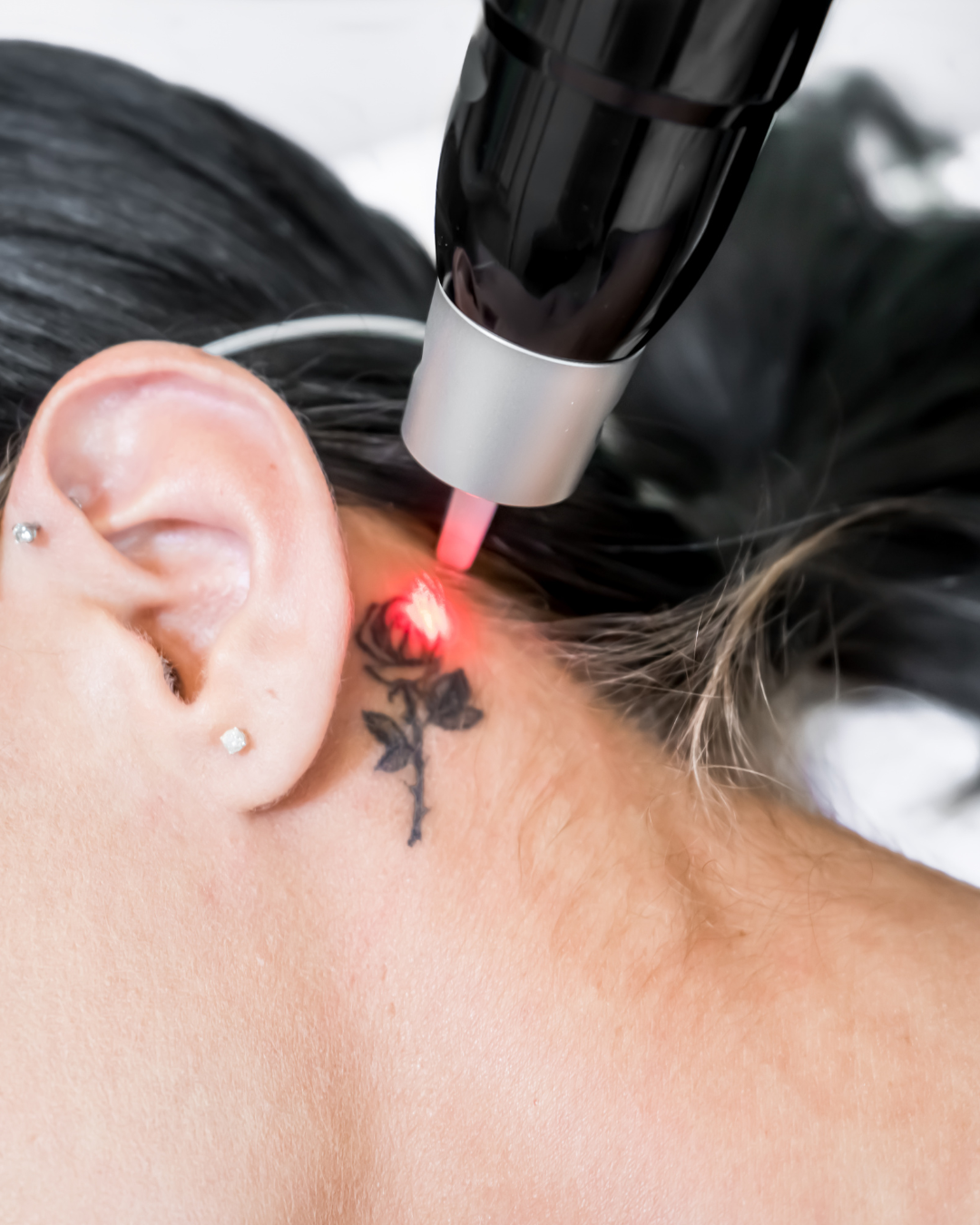
Our Tattoo Removal Safety Standards
At Denver Dream Med Spa, tattoo removal safety includes:
Fitzpatrick skin typing before every session
Multi-wavelength laser selection
Conservative energy progression
Cooling technology for epidermal protection
Mandatory sun exposure screening
Detailed aftercare education
We prioritize skin health first — results second.

What to Expect After Each Tattoo Removal Session
After treatment, it is normal to experience:
Redness and swelling
Temporary blistering or whitening of ink
Mild scabbing or flaking
Healing occurs over 7–14 days, while ink clearance continues over weeks. Treatments are spaced to allow the skin and immune system to recover safely.

Tattoo Removal in Denver’s High-Altitude Climate
Denver’s elevation increases UV exposure and affects skin healing. For this reason:
Sun protection is mandatory before and after sessions
Treatments may be delayed if skin is sun-exposed
Seasonal adjustments are common
Our protocols are designed specifically for Colorado skin, not generic standards.
Laser Education

The Fitzpatrick Skin Typing Scale

Laser Tattoo Removal Cost & Pricing in Denver

Advanced, Safety-First Laser Tattoo Removal for Deeper Skin Tones

Best Tattoo Removal Technology: Pico vs Q-Switched

Laser Tattoo Removal in Denver Dream Medspa

Tattoo Removal for Sensitive Skin

How Laser Tattoo Removal Works (Complete Guide)

Join the Denver Laser Tattoo Removal Club

Laser Tattoo Removal Aftercare Guide

Join the Denver Laser Hair Removal Club