
Laser Tattoo Removal Aftercare Guide
Best Tattoo Removal Technology
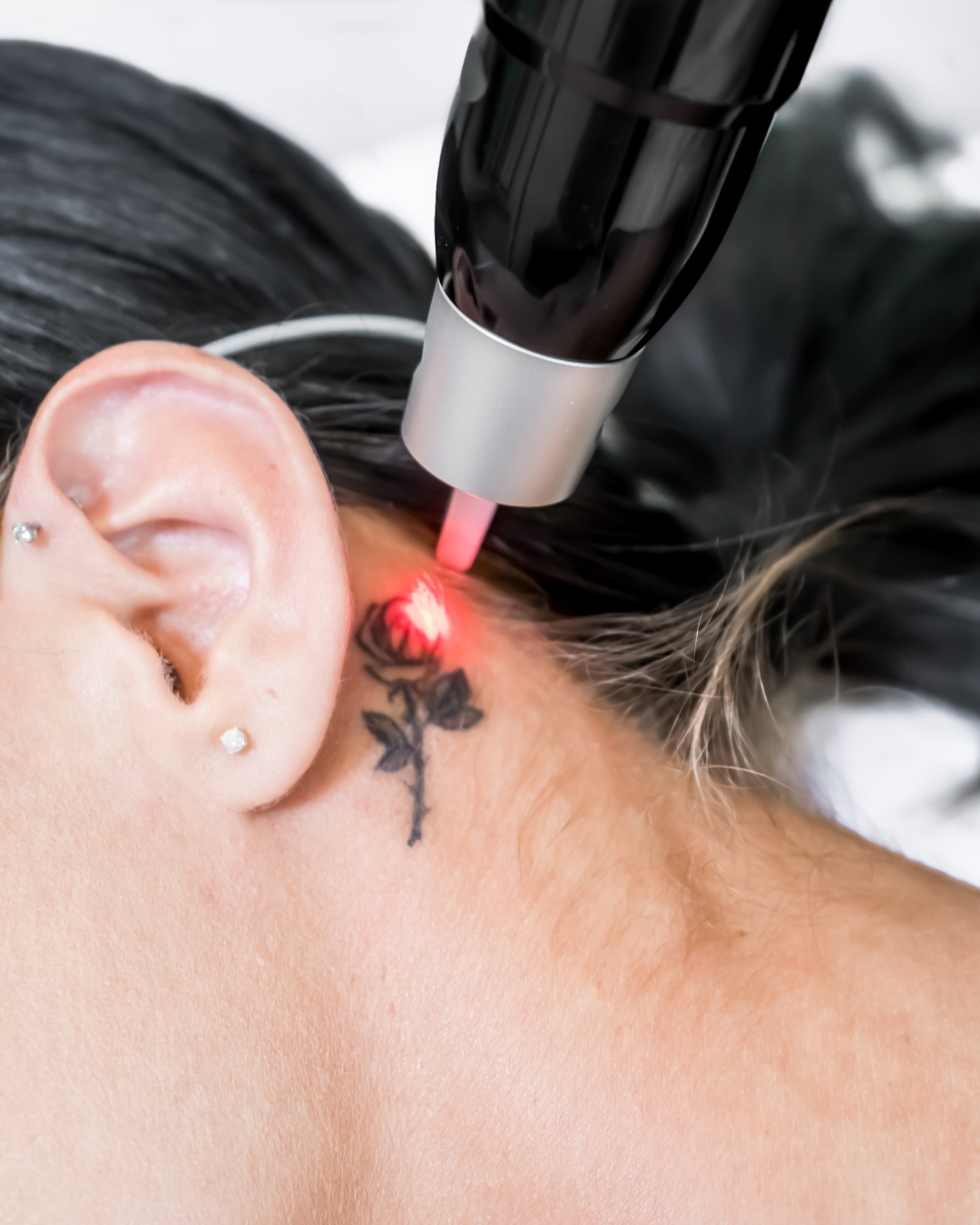
Laser tattoo removal does not end when your appointment is over. Aftercare is a critical part of the treatment process and directly affects healing, skin safety, and how effectively tattoo ink fades over time.
At Denver Dream Med Spa, aftercare is treated as a clinical protocol — not a suggestion. This guide explains what to expect after laser tattoo removal, how to care for your skin properly, and how to reduce the risk of complications, especially in Denver’s high-altitude environment.
Why Aftercare Matters After Tattoo Removal
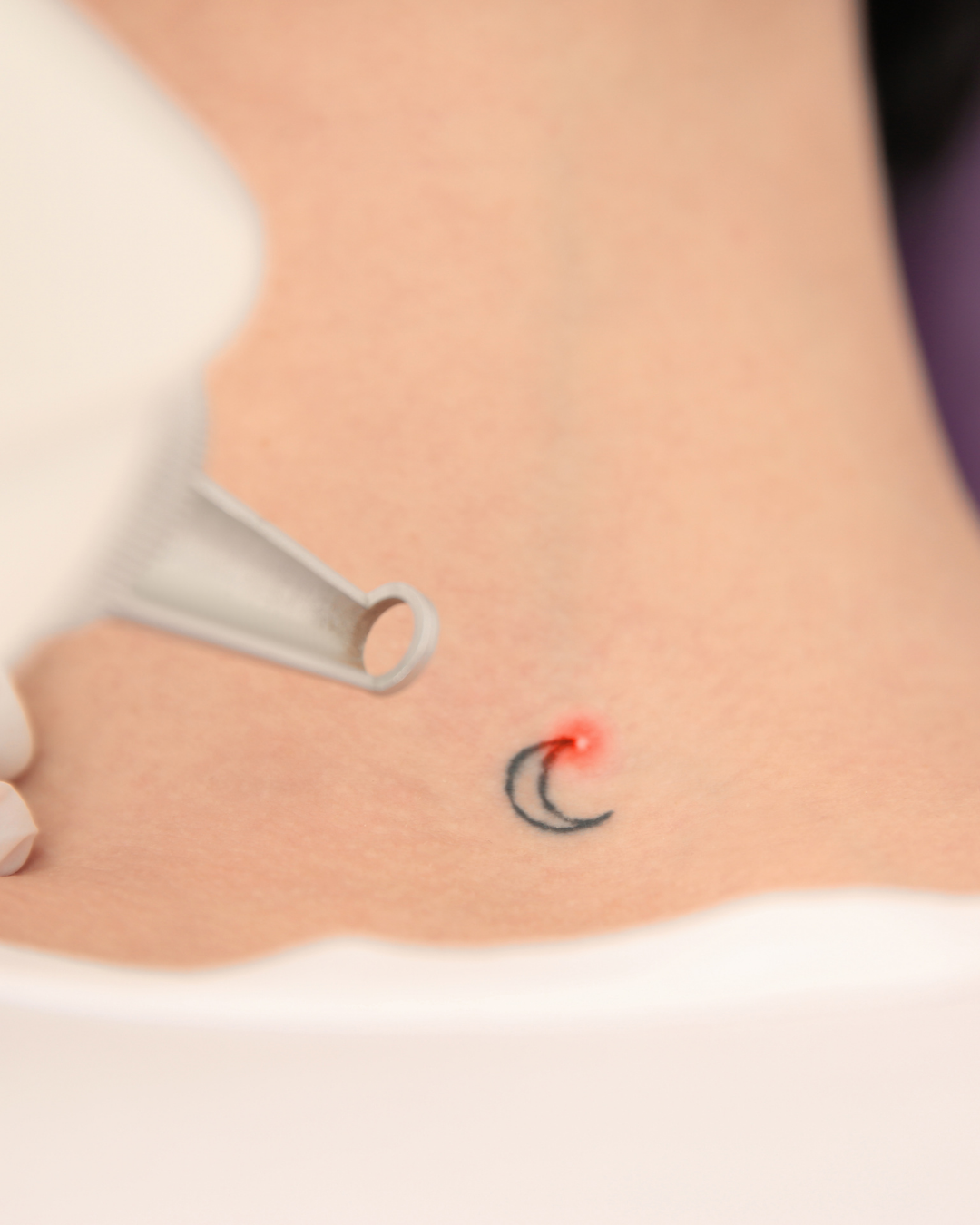
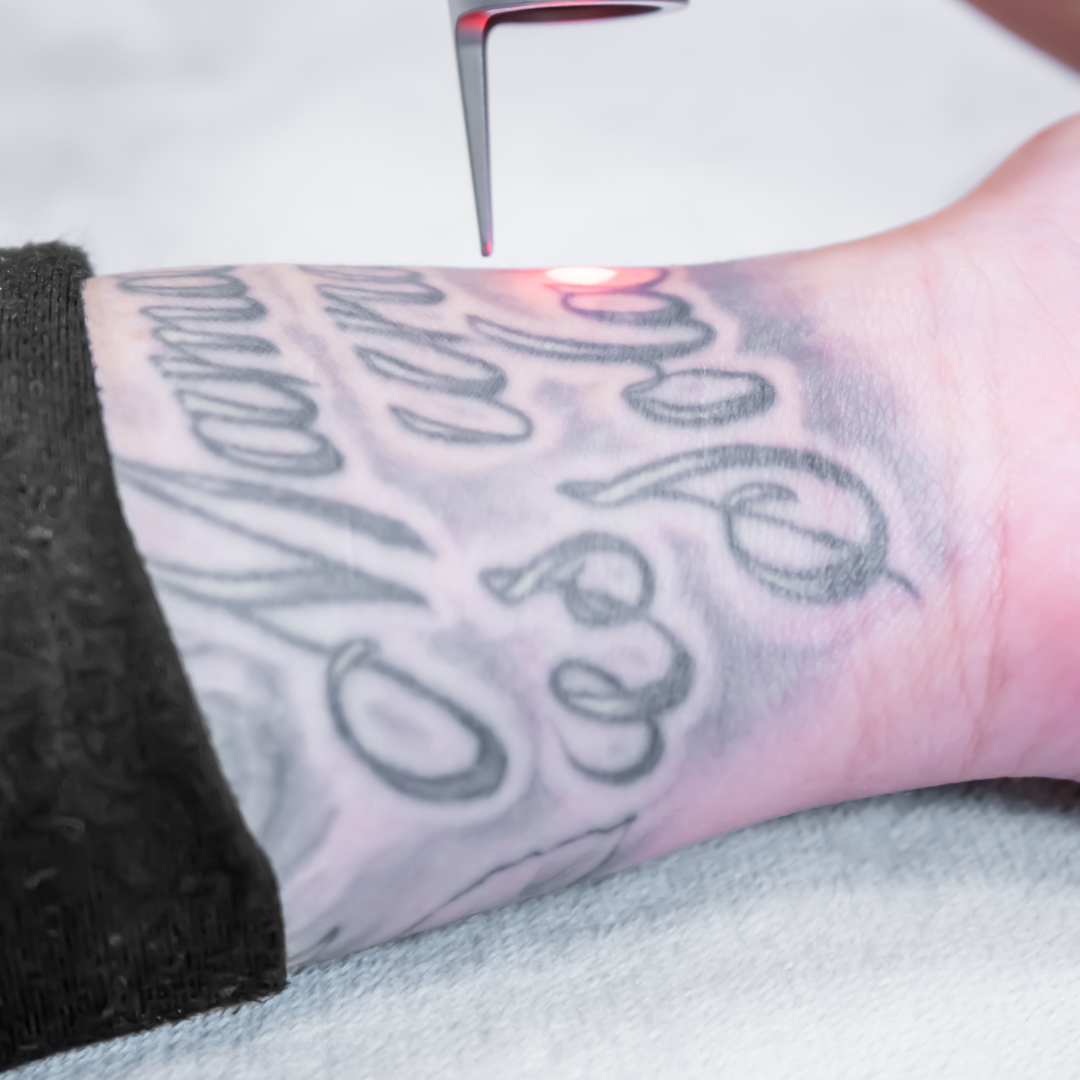
Laser tattoo removal works by shattering ink particles beneath the skin. After treatment:
The skin enters a temporary inflammatory phase
Ink fragments begin clearing through the immune system
The skin barrier must heal before the next session
Improper aftercare can lead to:
Prolonged inflammation
Infection
Pigmentation changes
Scarring
Delayed or uneven fading
Proper aftercare protects both skin health and long-term results.
Normal Skin Reactions After Treatment
Temporary reactions are expected and typically resolve on their own.
Common responses include:
Redness and swelling
Warmth or tenderness
Whitening or “frosting” of the tattoo
Mild blistering in some cases
These reactions are normal and part of the healing process.
Immediate Aftercare: First 24–48 Hours
Recommended Care
Keep the treated area clean and dry
Apply any provider-recommended ointment as directed
Use non-stick bandaging if advised
Elevate the area when possible to reduce swelling
Avoid During This Time
Heat exposure (hot showers, saunas, steam rooms)
Strenuous exercise or sweating
Sun exposure
Tight or abrasive clothing
Picking, scratching, or rubbing the area

Blistering & Scabbing: What to Know
Blistering may occur and does not mean something went wrong.
Important guidelines:
Do not pop blisters
Allow scabs to fall off naturally
Keep the area clean and protected
Avoid occlusive or fragranced products
Interfering with healing increases scarring risk.
As healing progresses:
Continue gentle cleansing
Apply fragrance-free moisturizers
Avoid exfoliation or active skincare
Keep the area protected from friction
Healing timelines vary, but most skin returns to normal within 7–14 days.
Ongoing Care: Days 3–14
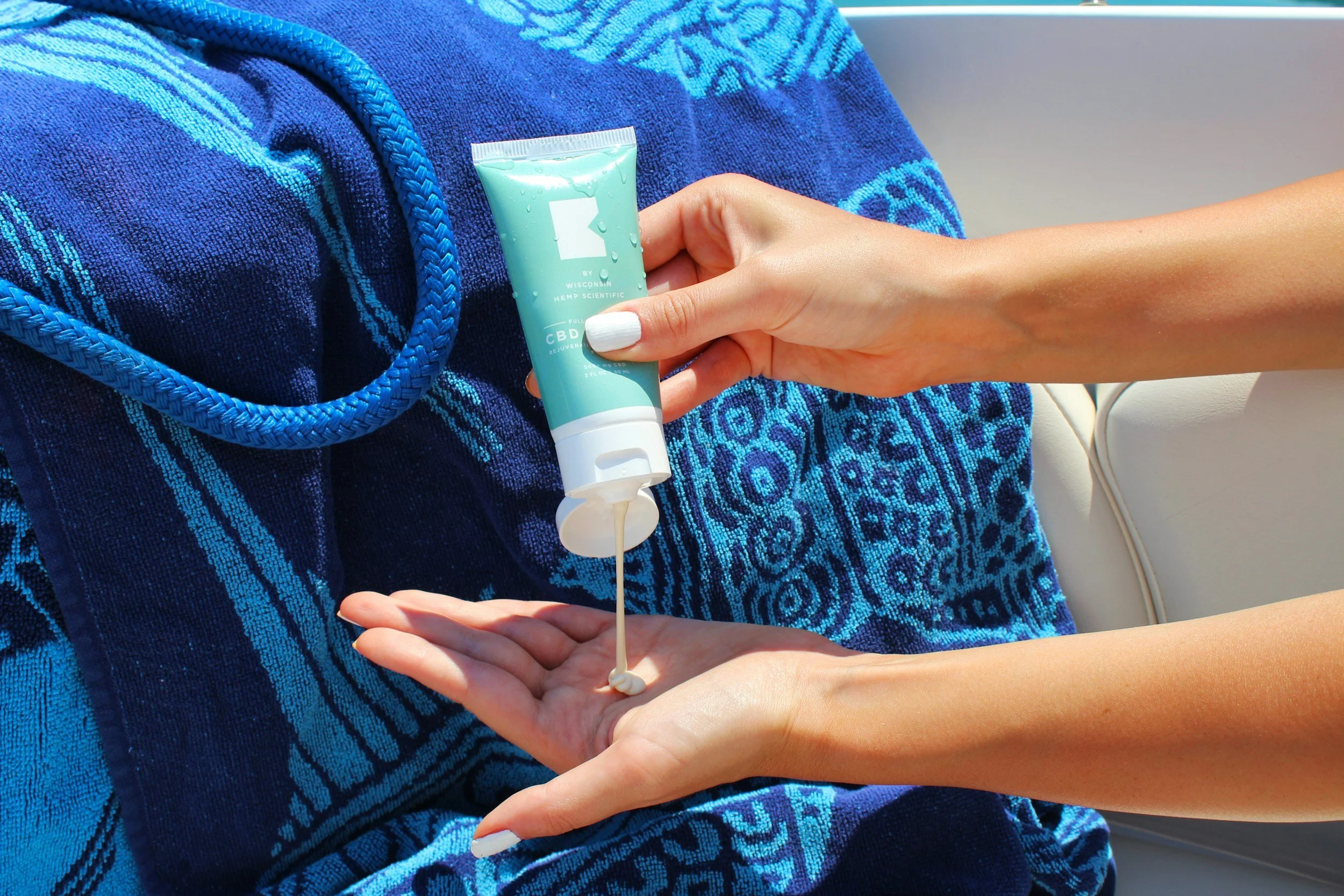
Sun Protection Is Non-Negotiable
Sun exposure is the leading cause of post-treatment complications.
After tattoo removal:
Avoid direct sun exposure for at least 2 weeks
Apply broad-spectrum SPF 30+ daily
Reapply sunscreen regularly when outdoors
Use protective clothing whenever possible
This is especially critical in Denver, where UV exposure is higher due to altitude.
👉 Related education: Sun Exposure & Laser Safety in Colorado

What to Avoid Between Sessions
Until your skin is fully healed:
No tanning beds or self-tanners
No chemical peels or resurfacing treatments
No waxing or aggressive hair removal over the area
No exfoliating tools or scrubs
Always inform your provider if you plan additional skin treatments.

How Aftercare Affects Tattoo Fading
Proper aftercare:
Supports immune-system ink clearance
Reduces inflammation that can slow fading
Preserves skin integrity for future sessions
Improves overall treatment outcomes
The laser starts the process — your aftercare determines how well it finishes.

When to Contact Your Provider
Contact Denver Dream Med Spa if you experience:
Increasing pain or swelling after 72 hours
Signs of infection (pus, spreading redness, fever)
Excessive blistering
Persistent pigmentation changes
Early evaluation prevents long-term issues.
Tattoo Removal Aftercare FAQs
-
Yes, brief lukewarm showers are fine. Avoid soaking or hot water.
-
Wait at least 24–48 hours before resuming exercise.
-
Yes, mild blistering can occur and should be left intact.
-
Only use products recommended by your provider until healed.
Denver-Specific Aftercare Considerations
In Denver’s dry, high-altitude climate:
Skin may dehydrate more quickly
UV exposure is stronger year-round
Healing may require additional hydration and protection
Our aftercare guidance is designed specifically for Colorado skin.
The Bottom Line on Aftercare
Laser tattoo removal aftercare is not optional — it is essential. Following professional aftercare protocols protects your skin, supports healing, and improves how effectively your tattoo fades.
At Denver Dream Med Spa, we guide you through every phase of the process so you can achieve the safest, best possible results.
👉 Schedule Your Laser Tattoo Removal Consultation in Denver
Our team will evaluate your tattoo and provide detailed aftercare guidance tailored to your skin and treatment plan.
Laser Education

The Fitzpatrick Skin Typing Scale

Laser Tattoo Removal Cost & Pricing in Denver

Advanced, Safety-First Laser Tattoo Removal for Deeper Skin Tones

Best Tattoo Removal Technology: Pico vs Q-Switched

Laser Tattoo Removal in Denver Dream Medspa

Tattoo Removal for Sensitive Skin
How Laser Tattoo Removal Works (Complete Guide)

Join the Denver Laser Tattoo Removal Club

Laser Tattoo Removal Aftercare Guide

Join the Denver Laser Hair Removal Club